The Wheat and the Tares
Doctrines of the Church in the Reformation, 1500-1590
by Andrew A. Chibi

Paperback (No longer our product)
(May 2017)
ISBN: 9780227176382
5.98 x 9.02 inches
Price: $70.00
In stock
A comprehensive account of the development and diversity of ecclesiological thought during the Reformation in the sixteenth-century.
Western Christians in the late Middle Ages were accustomed to living in a hierarchical Church – albeit one that had huge local differences and many divisions. Half a millennium later, that seeming unity has been shattered into tens of thousands of Christian denominations, each with its distinctive beliefs and structure. In The Wheat and the Tares, Andrew Chibi explores the era of the Reformation, showing how that unity was shattered in a few years. Chibi brings out the divisions that were simmering deep beneath the surface in the era before Luther posted his 95 theses attacking the sale of indulgences on the door of the Castle Church at Wittenberg, sparking momentous changes throughout Europe. The widespread recognition of the need for reform is seen through the eyes of Erasmus, the greatest scholar of the age. Exploring the writings of the main reformers about the Church, Chibi brings out the diverse ecclesiological ideas. Jesus’s parable of the Wheat and the Tares for Zwingli and other reformers offered an image, as the reformers sought to rediscover the purity of the Church as God’s gift.
- By (author) Andrew A Chibi
"Chibi's book is a study of the church and ecclesiology in the sixteenth century. He starts with the medieval church, and then considers the reformers, the Reformation churches and Counter-Reformation churches. Jesus' parable of the Wheat and the Tares... is applied to the churches - were the tares allowed to grow alongside the wheat, or did the church try to weed them out? This is a readable book for anyone interested in the church and history."- Ralph S. Werrell, Honorary Research Fellow, University of Birmingham and author of The Roots of William Tyndale's Theology (2013) and The Blood of Christ in the Theology of William Tyndale (2015)"This is essentially a retelling of the Reformation through the lens of ecclesiology. It is an erudite and ambitious study that makes a significant contribution. I will very likely become of the standard studies on the topic in the field of Reformation studies."- David Barbee, http:readingreligion.org, December 2017"The study's strength lies in its extensive citations of reformers' arguments along with helpful summaries of their thinking within the contexts in which their doctrines evolved." Robert Kolb, Journal of Ecclesiastical History, 2018.
—
Similar Books
 ‘For You I Study, For You I Work, For You I Live, For You I Am Ready To Even Give My Life’
Essays in Honour of Francis (Frank) J Moloney, SDB
 A Connecting Polemic in the Medieval Mediterranean
The Correspondence of Leo III and ʿUmar II
Volume 6




 Cultic Kisses
Fruitful Encounters Between Deities and Humans. Festschrift for Angelika Berlejung on the Occasion of Her 65th Birthday




 Extracanonical Traditions and the Holy Land
Texts, Rituals, and Material Culture in Late Antique Palestine
 Fear, Fear of God, God-Fearers
Philological and Historical Perspectives on the World of Ancient Judaism and Christianity


 Hoghe minne es deen vor dander
Essays on the Christian Mystical Tradition in Honour of Rob Faesen SJ
Volume 122
 Liturgia semper reformanda
Adaptations and accommodations in the liturgy in light of canon 838 of the Code of Canon Law


 On Becoming a Theologian of the Cross
Revisiting Luther’s theologus crucis from the Heidelberg Disputation to the Genesis Lectures

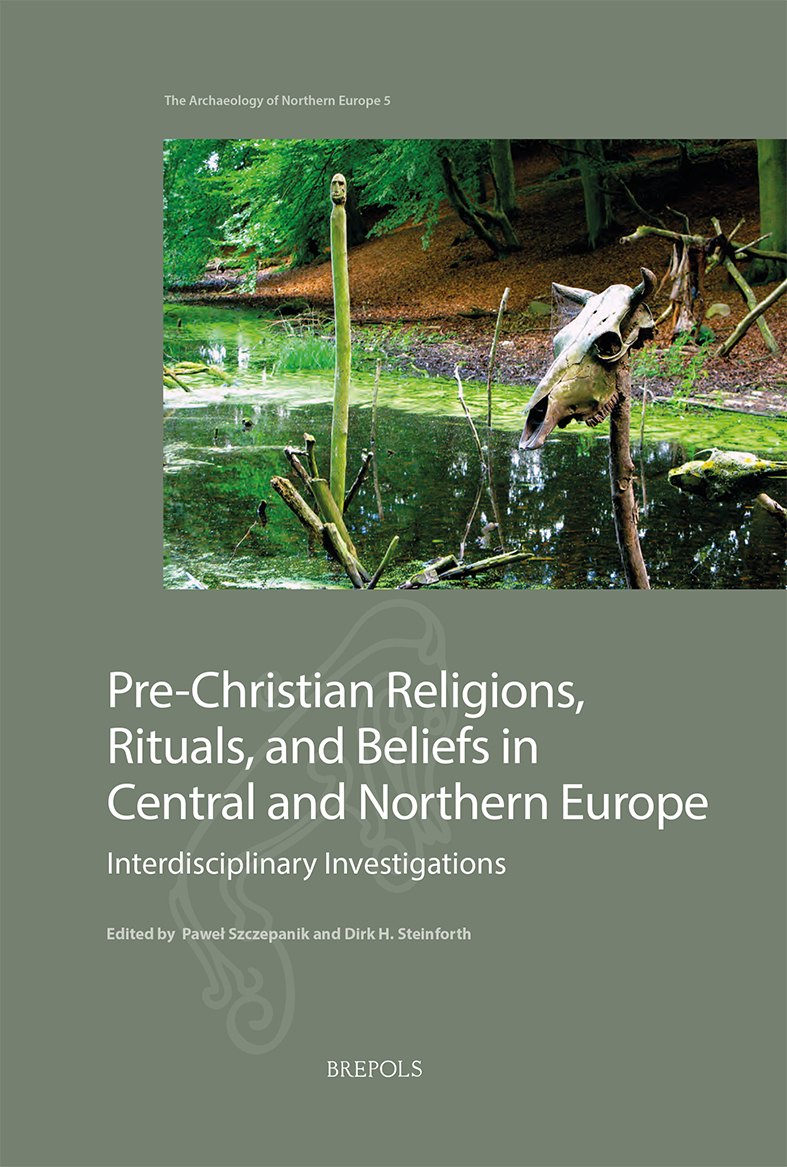 Pre-Christian Religions, Rituals, and Beliefs in Central and Northern Europe
Interdisciplinary Investigations
Volume 5
 Reforming Good Works in Geneva
Bénédict Pictet’s Doctrine of Good Works and His Place in Late Reformed Orthodoxy
Volume 85