Recognizing Other Subjects
Feminist Pastoral Theology and the Challenge of Identity
by Katharine E. Lassiter
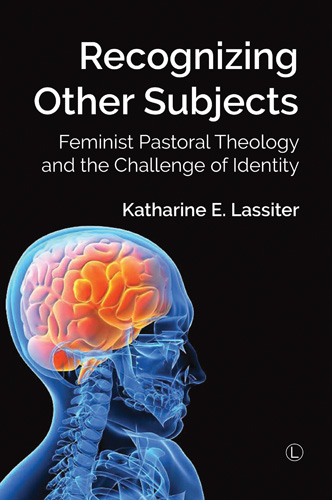
An interdisciplinary study that draws upon feminism and social theory to develop a theology of pastoral care that emphasises the importance of recognition for human well-being.
How do we care justly when the self suffers because of the identity that they inhabit? Pastoral theologian Katharine E. Lassiter approaches this interdisciplinary question from a feminist perspective in order to understand how suffering, subject formation, and social injustice are connected. Lassiter identifies the challenges of identity in developing a pastoral theological anthropology, reflecting on tensions in her own experiences of caring for selves. Drawing from theories of recognition, she argues that doing just care requires recognizing the need for recognition as well as acknowledging the impediments to receiving interpersonal, social, and theological recognition. Bringing together resources from pastoral theology and social theory, she develops a feminist pastoral theology and praxis of encounter in order to advance a care that does justice. Scholars, social justice practitioners, and pastoral caregivers will be able to use this resource to discover not only how and why recognition affects human development but also how we might implement a liberative theological praxis that is attentive to the role of recognition in subject formation.
- By (author) Katherine E Lassiter
"Pastoral theology needs a theory and practice of recognition that can work with and beyond identity politics, argues Lassiter. In accessible and inviting prose, she cultivates those resources in dialogue with feminist and queer theorist Judith Butler, queer Argentinian theologian Marcella Althaus-Reid, and psychoanalyst Jessica Benjamin. A profound and important contribution to her field and to all who share Lassiter's sense of obligation to those relegated to the margins of church and society."- Ellen T. Armour, Carpenter Associate Professor of Feminist Theology; Director, Carpenter Program in Religion, Gender and Sexuality, Vanderbilt Divinity School'It is a throughly engaging discussion, and the reader will find a good balance between well-explained academic theory, application to practical scenarios, and recommendations for pastoral theologians.... [S]he provides exactly the right level of concise summary, information-giving, and critical response. I will certainly be using this book in my third-year undergraduate classes and Masters students, but a lay readership could also readily engage with this text.'- Deryn Guest, Reviews in Religion and Theology, Volume 25, Issue 1, January 2018 It is a helpful prompt for the Church today to recognise LGBTQI+ and the other subjects outside of fixed... a significant and groundbreaking nuance in feminist pastoral theological literature.-Sophie Witherstone
—
Similar Books
 ‘For You I Study, For You I Work, For You I Live, For You I Am Ready To Even Give My Life’
Essays in Honour of Francis (Frank) J Moloney, SDB
 A Connecting Polemic in the Medieval Mediterranean
The Correspondence of Leo III and ʿUmar II
Volume 6





 Cultic Kisses
Fruitful Encounters Between Deities and Humans. Festschrift for Angelika Berlejung on the Occasion of Her 65th Birthday




 Extracanonical Traditions and the Holy Land
Texts, Rituals, and Material Culture in Late Antique Palestine
 Fear, Fear of God, God-Fearers
Philological and Historical Perspectives on the World of Ancient Judaism and Christianity


 Hoghe minne es deen vor dander
Essays on the Christian Mystical Tradition in Honour of Rob Faesen SJ
Volume 122
 Liturgia semper reformanda
Adaptations and accommodations in the liturgy in light of canon 838 of the Code of Canon Law


 On Becoming a Theologian of the Cross
Revisiting Luther’s theologus crucis from the Heidelberg Disputation to the Genesis Lectures

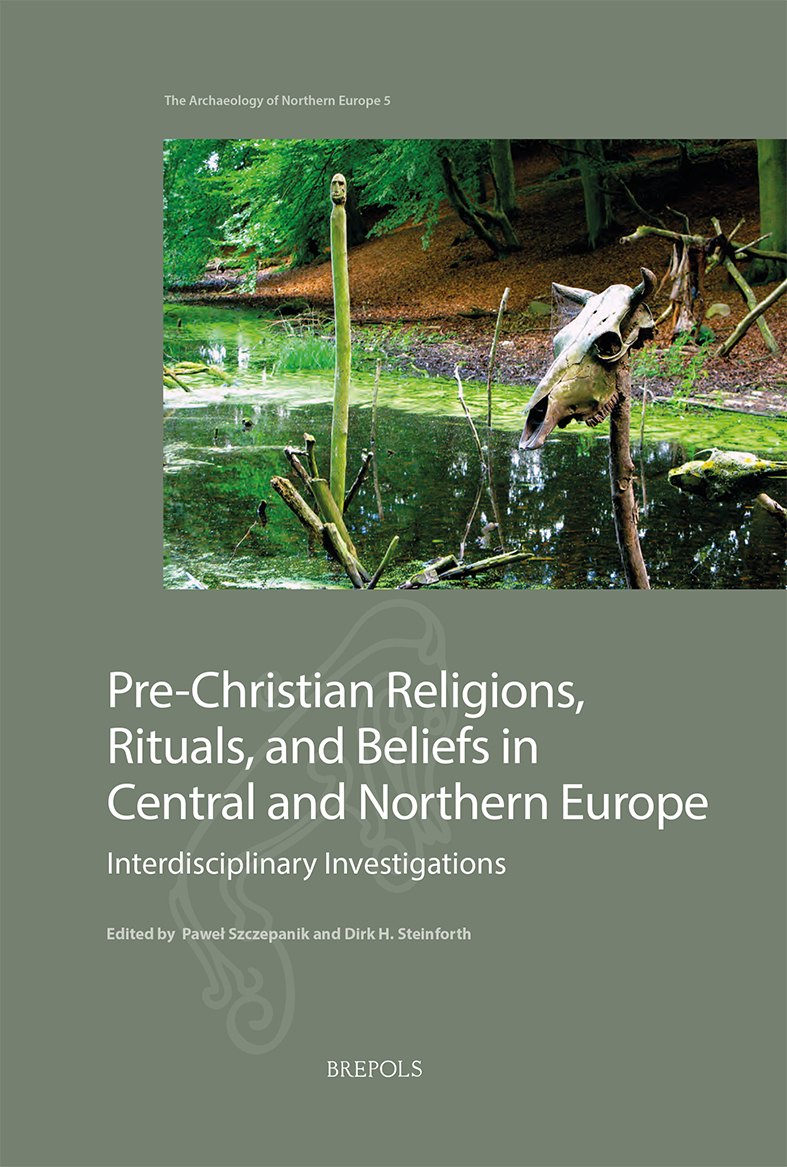 Pre-Christian Religions, Rituals, and Beliefs in Central and Northern Europe
Interdisciplinary Investigations
Volume 5
 Reforming Good Works in Geneva
Bénédict Pictet’s Doctrine of Good Works and His Place in Late Reformed Orthodoxy
Volume 85