
Thin Section Petrography, Geochemistry and Scanning Electron Microscopy of Archaeological Ceramics
By (author) Patrick Sean Quinn

Paperback (Published)
(July 2022)
ISBN: 9781803272702
6.85 x 9.69 inches
Price: $49.00
In stock
Thin section petrography, geochemistry, scanning electron microscopy and X-ray diffraction are key scientific methods used to investigate the raw materials, origins and production technology of archaeological pottery, ceramic building materials, ancient refractories and plaster. Using over 400 colour figures of a diverse range of artefact types and archaeological periods from 50 countries worldwide, this book outlines the mineralogical, chemical and microstructural composition of ancient ceramics and provides comprehensive guidelines for their scientific study within archaeology. The core of the book is dedicated to the versatile approach of ceramic petrography. This is complimented by a detailed account of the principles of bulk instrumental geochemistry, as well as the SEM microanalysis and XRD characterisation of ceramics. The book is intended as a reference manual for research as well as a course text for specialist training on scientific ceramic analysis.
Chapter 1: Introduction to Archaeological Ceramics & Compositional Analysis Archaeological Ceramics Ceramic Compositional Analysis Introduction to Thin Section Petrography Further Reading Chapter 2: Sampling, Preparation & Analysis of Ceramic Thin Sections Introduction Sampling Thin Section Preparation Analytical Equipment Other Resources Curation & Access to Thin Sections Further Reading Chapter 3: Composition of Archaeological Ceramics in Thin Section Introduction The Clay Matrix Particulate Inclusions Voids Further Reading Chapter 4: Classification & Characterisation of Archaeological Ceramics in Thin Section Introduction Visual Classification & Description Quantitative Characterisation & Statistical Grouping Macroscopic Fabric Analysis Further Reading Chapter 5: Petrographic Provenance Determination Introduction Geological Characterisation of Ceramic Raw Materials Provenance Resolution Geological Literature & Fieldwork Quantitative Provenance Determination Micropalaeontology Interpreting Provenance Data Further Reading Chapter 6: Reconstructing Ancient Ceramic Technology in Thin Section Introduction Raw Material Selection & Procurement Raw Material Processing & Paste Preparation Forming Methods Finishing Drying Firing Ceramic Use & Function Post-Depositional Alteration of Archaeological Ceramics Further Reading Chapter 7: Other Ceramic Materials in Thin Section Introduction Architectural Ceramics Unfired Clay Structures Refractory Ceramics Other Ceramic Objects Petrography of Cementitious Materials Stoneware, Fritware, Porcelain & Faience Further Reading Chapter 8: Instrumental Geochemistry of Archaeological Ceramics Introduction The Chemical Composition of Ceramics Equipment & Preparation Quality Control Descriptive Statistics Choice of Elements Normalisation, Standardisation & Transformation Detecting Geochemical Patterning Data Presentation Reconciling Geochemical & Petrographic Data Geochemical Provenance Interpretation Geochemistry & Ceramic Technology Further Reading Chapter 9: Scanning Electron Microscopy & X-Ray Diffraction of Archaeological Ceramics Introduction Scanning Electron Microscopy SEM Geochemical Characterisation SEM Mineralogical Characterisation SEM versus Thin Section Petrography & Bulk Geochemistry X-Ray Diffraction Analysis of Ceramics Further Reading, Chapter 1: Introduction to Archaeological Ceramics & Compositional Analysis
Archaeological Ceramics ;
Ceramic Compositional Analysis ;
Introduction to Thin Section Petrography ;
Further Reading ;
Chapter 2: Sampling, Preparation & Analysis of Ceramic Thin Sections
Introduction ;
Sampling ;
Thin Section Preparation ;
Analytical Equipment ;
Other Resources ;
Curation & Access to Thin Sections ;
Further Reading ;
Chapter 3: Composition of Archaeological Ceramics in Thin Section
Introduction ;
The Clay Matrix ;
Particulate Inclusions ;
Voids ;
Further Reading ;
Chapter 4: Classification & Characterisation of Archaeological Ceramics in Thin Section
Introduction ;
Visual Classification & Description ;
Quantitative Characterisation & Statistical Grouping ;
Macroscopic Fabric Analysis ;
Further Reading ;
Chapter 5: Petrographic Provenance Determination
Introduction ;
Geological Characterisation of Ceramic Raw Materials ;
Provenance Resolution ;
Geological Literature & Fieldwork ;
Quantitative Provenance Determination ;
Micropalaeontology ;
Interpreting Provenance Data ;
Further Reading ;
Chapter 6: Reconstructing Ancient Ceramic Technology in Thin Section
Introduction ;
Raw Material Selection & Procurement ;
Raw Material Processing & Paste Preparation ;
Forming Methods ;
Finishing ;
Drying ;
Firing ;
Ceramic Use & Function ;
Post-Depositional Alteration of Archaeological Ceramics ;
Further Reading ;
Chapter 7: Other Ceramic Materials in Thin Section
Introduction ;
Architectural Ceramics ;
Unfired Clay Structures ;
Refractory Ceramics ;
Other Ceramic Objects ;
Petrography of Cementitious Materials ;
Stoneware, Fritware, Porcelain & Faience ;
Further Reading ;
Chapter 8: Instrumental Geochemistry of Archaeological Ceramics
Introduction ;
The Chemical Composition of Ceramics ;
Equipment & Preparation ;
Quality Control ;
Descriptive Statistics ;
Choice of Elements ;
Normalisation, Standardisation & Transformation ;
Detecting Geochemical Patterning ;
Data Presentation ;
Reconciling Geochemical & Petrographic Data ;
Geochemical Provenance Interpretation ;
Geochemistry & Ceramic Technology ;
Further Reading ;
Chapter 9: Scanning Electron Microscopy & X-Ray Diffraction of Archaeological Ceramics
Introduction ;
Scanning Electron Microscopy ;
SEM Geochemical Characterisation ;
SEM Mineralogical Characterisation ;
SEM versus Thin Section Petrography & Bulk Geochemistry ;
X-Ray Diffraction Analysis of Ceramics ;
Further Reading
- By (author) Patrick Sean Quinn
‘Quinn must be congratulated for providing the reader with a detailed account of how to take ancient and modern ceramic studies to a new and exciting level of research.’ – George Nash (2022): Current Archaeology (issue 393)
—
'Quinn’s magnum opus, published in late July 2022, is certainly the most recent and up-to-date textbook for the study of archaeological ceramics. It is valuable both as a textbook for students and as a handbook for senior scholars, keeping up with the fast changes that have occurred in the study of ancient pottery by thin section petrography.' – Charles C. Kolb (2023): The SAS Bulletin Online
—
Similar Books


 Archaeological Excavations at Irmis Rka: An Investigation of a Multi-Layered Settlement in Southwest Georgia
Results from the 2020 Season: Early Bronze Age to Medieval Occupations


 Catuvellaunia and Rome: Economic and Political Relations during the Final Decades Pre-conquest
The Role of Grain from Southeastern Britain and Its Potential for Maintenance of the Roman Military along the Frontier on the Rhine
 Colour Concept “Secoli bui” a colori
Codici cromatici e architetture dipinte nell’età tardoantica e medievale

 Crossing Disciplines in the Study of Archaeology and Prehistoric Art: Insights from the Sahara and Mediterranean Africa
Proceedings of the XX UISPP World Congress (5–9 September 2023, Timișoara, Romania) Volume / Session 18
 Crossing Sacred Landscapes
Contacts and Continuities in the Desert Cults and Beliefs of Ancient Northern Arabia and the Arid Southern Levant
 Cuneiform Artefacts from Archaeological Contexts: New Research on Ancient Iraq
Proceedings of a Conference Held at the Bavarian Academy of Sciences and Humanities, July 4–5, 2024
Volume 2

 ENTANGLED AFRICA
Intra-African Relations Between Rain Forest and Mediterranean from Around 4,000 BCE to 1,500 CE


 Exploring Prehistoric Pottery in Japan
A Study of Organic Inclusions, Adhering Materials, and Impressions of Woven Items

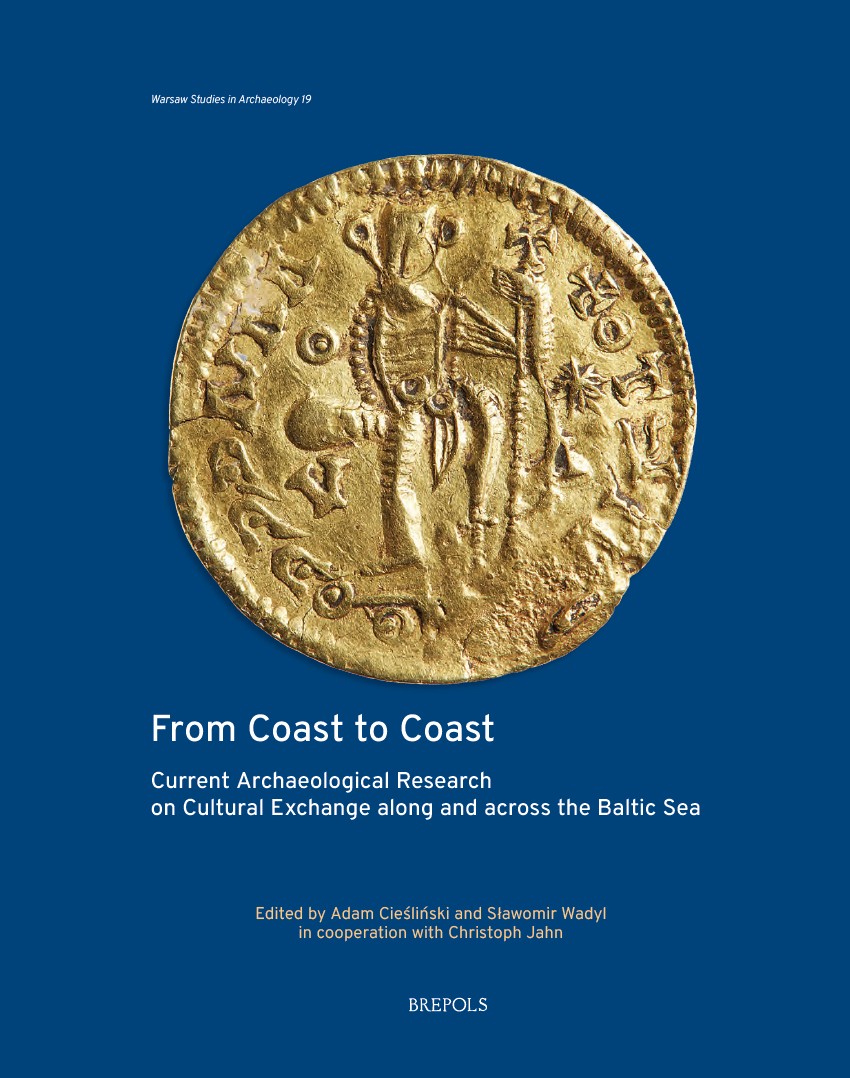 From Coast to Coast
Current Archaeological Research on Cultural Exchange along and across the Baltic Sea
Volume 19
 Frontiers of the Roman Empire: The Frontier of the Roman Province of Raetia
Grenzen des Römischen Reiches: Die Grenze der Römischen Provinz Raetien
 Gold, Silver and Glass: Power Networks, Cultural Identities, Technology Transfers and Agency across the Old World (7th Century BC – 1st Century AD)
Proceedings of a Conference Held at the British Museum, 16–18 June 2023
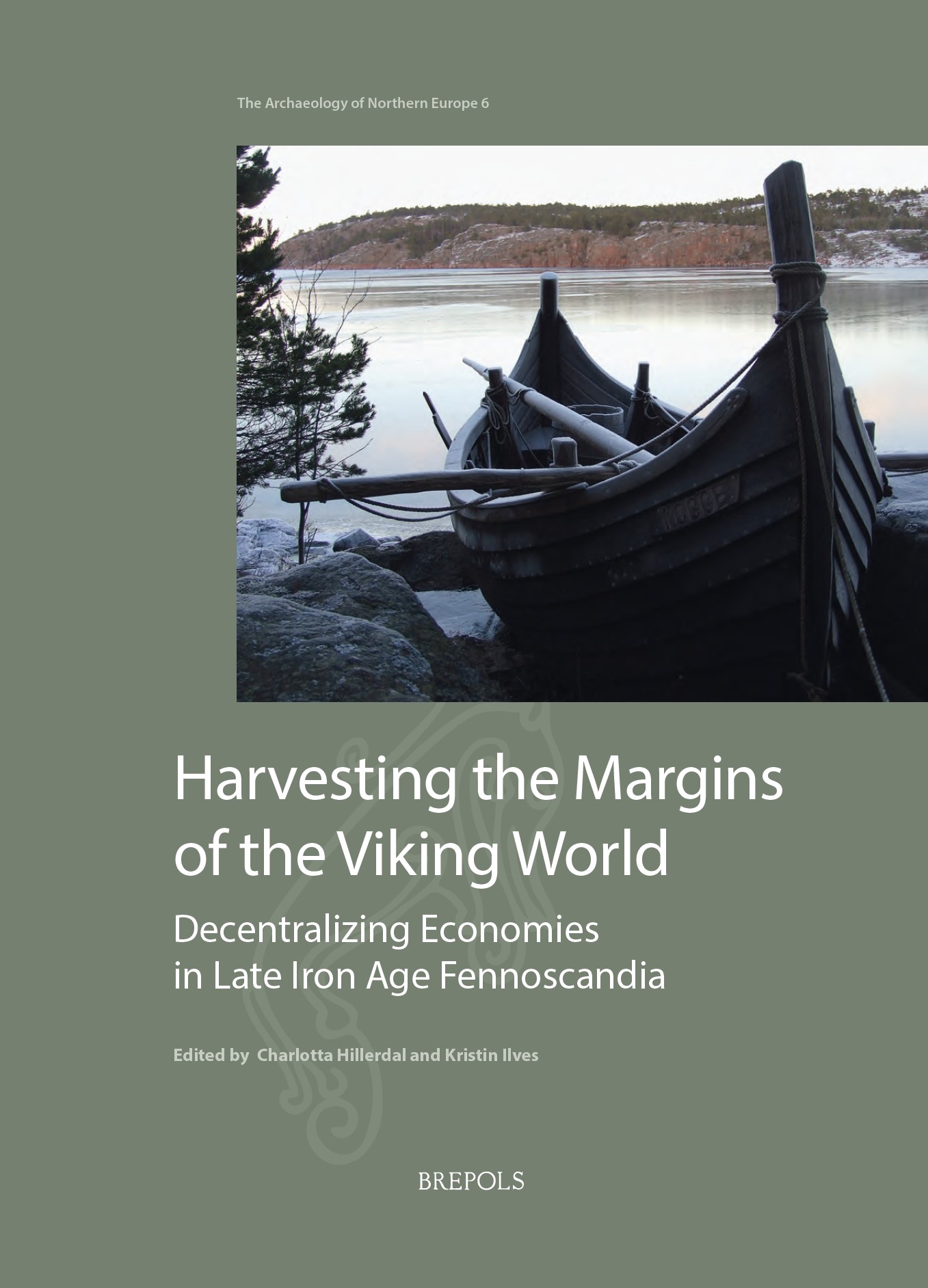 Harvesting the Margins of the Viking World
Decentralizing Economies in Late Iron Age Fennoscandia
Volume 6
 Images of Anonymous Women
A Semiotic Approach to Image-Text Relations in Interpretation of Ancient Near Eastern Art and the Hebrew Bible
Volume 310

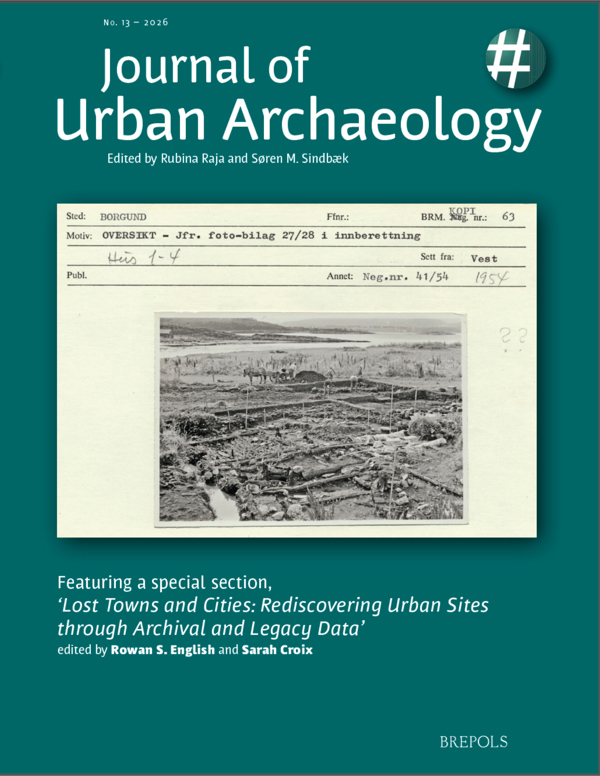 Journal of Urban Archaeology 13 (2026)
Featuring a special section, ‘Lost Towns and Cities: Rediscovering Urban Sites through Archival and Legacy Data’


 Making and Meaning in the Bronze and Iron Ages
Chronology, Landscapes and Societies across Europe. Proceedings from the METALAGES2024 Colloquium (Florence, 23 October 2024)

 Medieval Yeghegis, Armenia
History, Archaeology, Society. Local Multiplicities and Global Connections of a Rural Centre on the Silk Road(s)
 Mobility and Archaeogenetics in Central Asia
People – Goods – Ideas. 3rd International Conference on Central Asian Archaeology in Bern, 11th–13th January 2024
Volume 24


 Offa’s Dyke Journal: Volume 7 for 2025
A Journal for Linear Monuments, Frontiers and Borderlands Research


