
La cité des Delphiens
Une communauté politique à l'ombre d'Apollon (VIe-Ier siecle av. J.-C.)
By (author) N. Kyriakidis

Qui n’a entendu parler du sanctuaire de Delphes, de l’oracle d’Apollon Pythien et de sa prophétesse, la Pythie? Beaucoup moins connue est la cité-État (<i>polis</i>) des Delphiens, communauté politique indépendante, dont Apollon Pythien était également la principale divinité civique. Durant toute l’histoire du sanctuaire, les Delphiens, organisateurs du culte et de l’oracle, ont tenu un rôle fondamental dans le fonctionnement d’un des centres religieux et culturels du monde grec et méditerranéen, soit directement, soit par délégation des autres pouvoirs présents à Delphes. Outre une meilleure compréhension des modalités de fonctionnement de l’un des sanctuaires «communs» des Grecs, l’étude de la cité de Delphes nous offre l’opportunité d’accéder aussi à la vie civique d’une «petite cité». En effet, alors que l’histoire des cités grecques s’écrit souvent à partir de quelques grandes <i>poleis</i> atypiques, la situation exceptionnellement favorable de Delphes d’un point de vue documentaire nous permet d’entrer dans la vie d’une communauté de taille restreinte, de cette catégorie de cités qui étaient les plus nombreuses et qui demeurent à ce jour les plus mal connues. Nous pouvons ainsi découvrir, dans les pas d’Aristote qui lui avait consacré un traité, le fonctionnement institutionnel et social d’une petite communauté souveraine, les constructions identitaires qui assuraient son unité et légitimaient son droit à l’existences, les stratégies qu’elle mit en place pour conserver un rôle de premier plan dans son sanctuaire. Espérons donc que ce livre contribue à ne plus laisser écrire l’histoire de Delphes sans les Delphiens! <br /><br />Who has not heard of the sanctuary of Delphi and its oracle? Much less well known is the city-state (<i>polis</i>) of the Delphians, an independent political community whose principal civic deity was Apollo Pythian. Throughout the history of the sanctuary, the Delphians played a fundamental role in the functioning of one of the major religious and cultural centers of the Greek and Mediterranean world. Yet, the significance of this study extends far beyond the Delphic context alone. While the history of Greek city-states is often written based on a few large, atypical <i>poleis</i>, documentation exceptional in its nature and abundance offers us the opportunity to access the ideological, institutional, social, and political horizon of a “small city”, one of that category of communities that were the most numerous and remain, to this day, the least known. Thus, we can discover, following in the footsteps of Aristotle, who devoted a treatise to it, the identity and socio-political functioning of a small sovereign community, as well as the strategies it adopted to maintain a preeminent role in its principal sanctuary. Let us hope, therefore, that this book contributes to ensuring that the history of Delphi is no longer written without that of the Delphians!
- By (author) N. Kyriakidis
Other Titles in this Series


Similar Books


 Archaeological Excavations at Irmis Rka: An Investigation of a Multi-Layered Settlement in Southwest Georgia
Results from the 2020 Season: Early Bronze Age to Medieval Occupations


 Catuvellaunia and Rome: Economic and Political Relations during the Final Decades Pre-conquest
The Role of Grain from Southeastern Britain and Its Potential for Maintenance of the Roman Military along the Frontier on the Rhine
 Colour Concept “Secoli bui” a colori
Codici cromatici e architetture dipinte nell’età tardoantica e medievale

 Crossing Disciplines in the Study of Archaeology and Prehistoric Art: Insights from the Sahara and Mediterranean Africa
Proceedings of the XX UISPP World Congress (5–9 September 2023, Timișoara, Romania) Volume / Session 18
 Crossing Sacred Landscapes
Contacts and Continuities in the Desert Cults and Beliefs of Ancient Northern Arabia and the Arid Southern Levant
 Cuneiform Artefacts from Archaeological Contexts: New Research on Ancient Iraq
Proceedings of a Conference Held at the Bavarian Academy of Sciences and Humanities, July 4–5, 2024
Volume 2

 ENTANGLED AFRICA
Intra-African Relations Between Rain Forest and Mediterranean from Around 4,000 BCE to 1,500 CE


 Exploring Prehistoric Pottery in Japan
A Study of Organic Inclusions, Adhering Materials, and Impressions of Woven Items

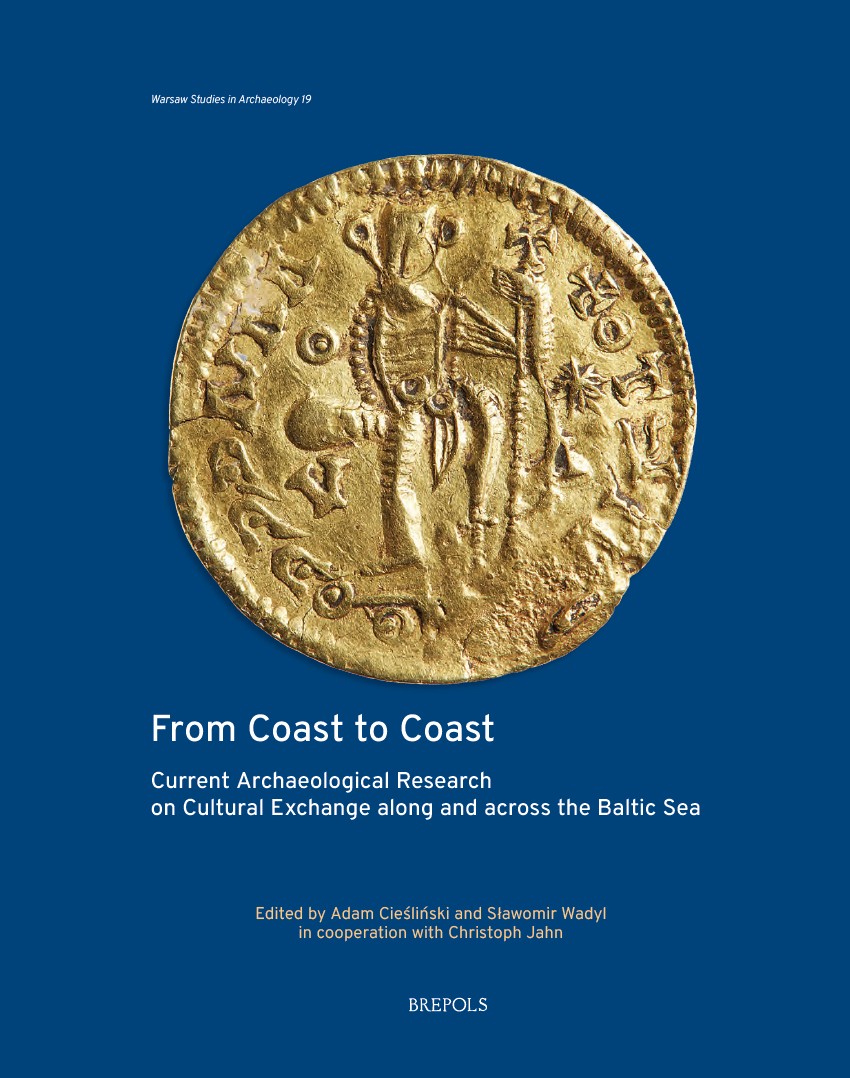 From Coast to Coast
Current Archaeological Research on Cultural Exchange along and across the Baltic Sea
Volume 19
 Frontiers of the Roman Empire: The Frontier of the Roman Province of Raetia
Grenzen des Römischen Reiches: Die Grenze der Römischen Provinz Raetien
 Gold, Silver and Glass: Power Networks, Cultural Identities, Technology Transfers and Agency across the Old World (7th Century BC – 1st Century AD)
Proceedings of a Conference Held at the British Museum, 16–18 June 2023
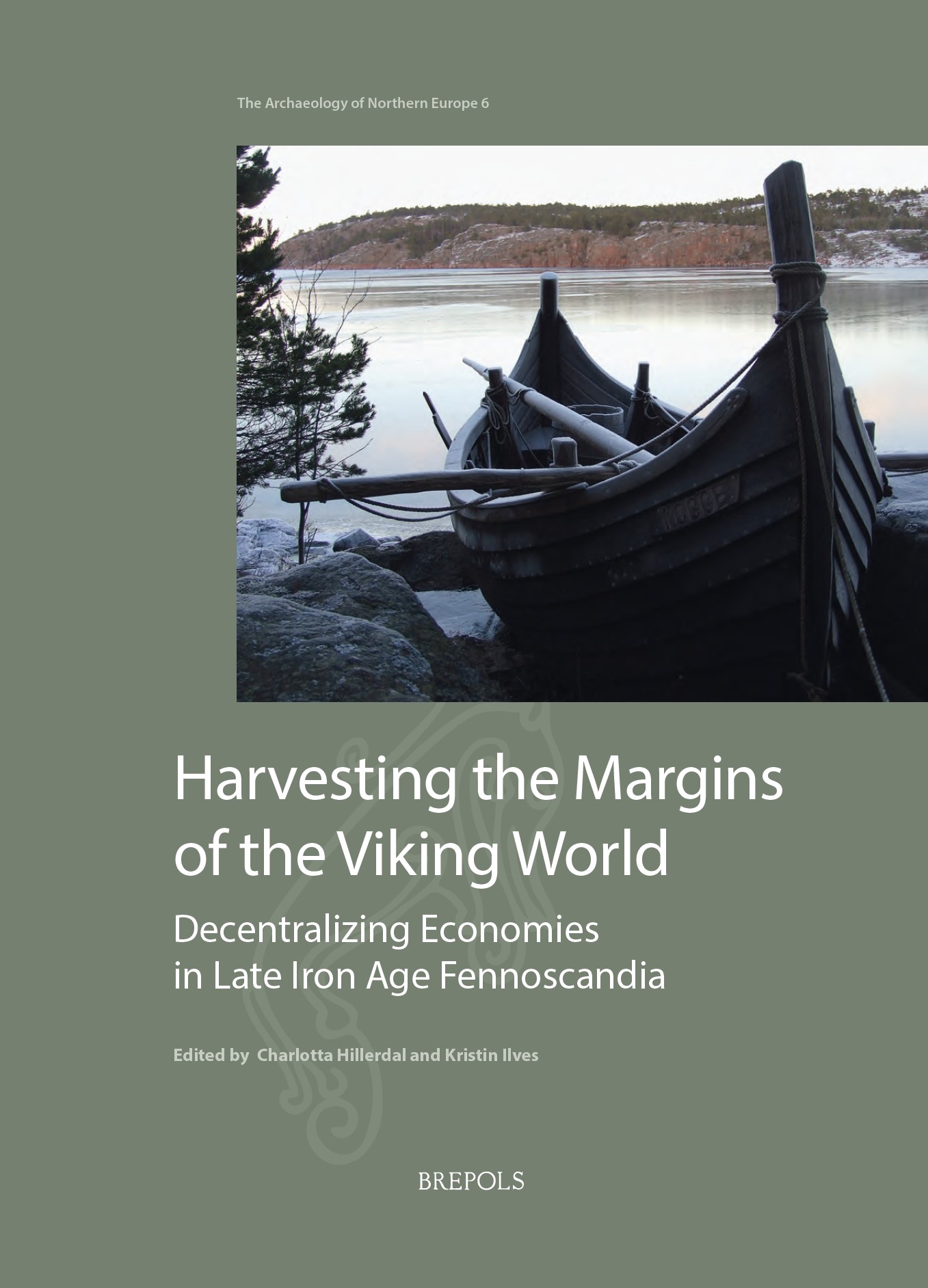 Harvesting the Margins of the Viking World
Decentralizing Economies in Late Iron Age Fennoscandia
Volume 6
 Images of Anonymous Women
A Semiotic Approach to Image-Text Relations in Interpretation of Ancient Near Eastern Art and the Hebrew Bible
Volume 310

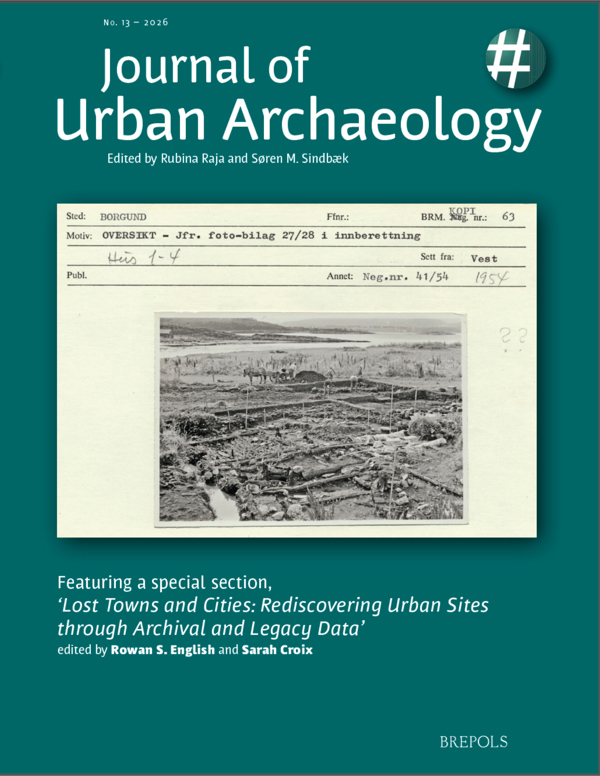 Journal of Urban Archaeology 13 (2026)
Featuring a special section, ‘Lost Towns and Cities: Rediscovering Urban Sites through Archival and Legacy Data’


 Making and Meaning in the Bronze and Iron Ages
Chronology, Landscapes and Societies across Europe. Proceedings from the METALAGES2024 Colloquium (Florence, 23 October 2024)

 Medieval Yeghegis, Armenia
History, Archaeology, Society. Local Multiplicities and Global Connections of a Rural Centre on the Silk Road(s)
 Mobility and Archaeogenetics in Central Asia
People – Goods – Ideas. 3rd International Conference on Central Asian Archaeology in Bern, 11th–13th January 2024
Volume 24


 Offa’s Dyke Journal: Volume 7 for 2025
A Journal for Linear Monuments, Frontiers and Borderlands Research


