
Stones of Zadar
The Capital of Venetian Dalmatia
by Laris Boric

This book follows the dynamics of sculptors’ and stonemasons’ production from the mid-15th century’s embrace of early Renaissance influences to the introduction of Classical architectural language that occasionally breaks with the stylistic canons of artistic centres.
This book explores the transformation of Zadar’s architectural and visual culture at the dawn of the early modern era. Once a powerful medieval commune, Zadar was absorbed into the Venetian Republic just as Ottoman forces pressed through the Dalmatian hinterland. Caught between two worlds and facing economic decline, the city nonetheless remained a vibrant cultural hub. Through the networks of builders, sculptors, and painters active across Dalmatia, Venice, Lombardy, and the Marche, Zadar’s elites embraced humanist ideals and reshaped their artistic practices. The result was a distinctive and sometimes unconventional reinterpretation of classical forms, visible above all in sculpture and architectural decoration-the ‘Renaissance stones’ of Zadar. The study connects these fragmentary remains into a coherent whole, situating them within the broader Venetian sphere while reading them in their immediate social and cultural contexts. It offers a new understanding of how Renaissance art developed on the Adriatic frontier.
- By (author) Laris Boric
Other Titles in this Series
 Circulation, Use, Impact
The Consumption of Architectural Books in the Early Modern Eastern Adriatic
Volume 1


Similar Books


 Balthasar Caymox of Nuremberg
Early Modern German Print Publishers: Popular Prints of the Seventeenth Century


 Beyond Sovereign Courts
Agents and Practices in Early Modern Spanish and Habsburg Diplomacy
Volume 3
 Circulation, Use, Impact
The Consumption of Architectural Books in the Early Modern Eastern Adriatic
Volume 1


 Councils, Conflicts, Correspondence
Urban Diplomacy in Reval (Tallinn) and Lübeck (c. 1470–1570)
Volume 67


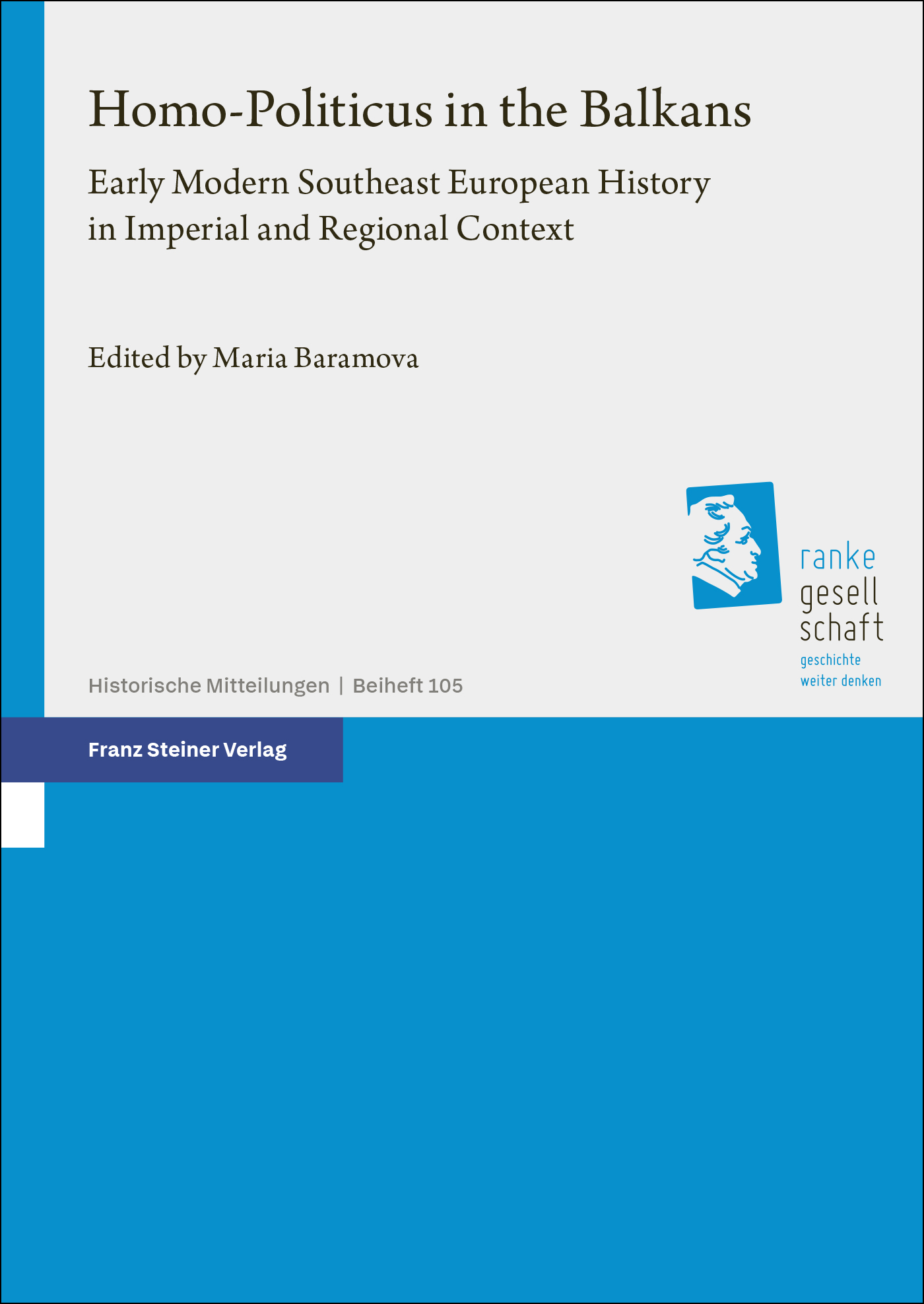 Homo-Politicus in the Balkans
Early Modern Southeast European History in Imperial and Regional Context

 Innovationes Lovanienses: Arts, Law and Theology at the University of Louvain (1425–1797)
Studium Lovaniense: Learning across Borders, 2
Volume 18
 Legal Visuality
Exegesis, Ambiguity, and Dissimulation of the Donation of Constantine in the Early Modern Period

 Naples as Laboratory / Laboratorium Neapel
Style Options, Artistic Rivalry and Self Fashioning in Neapolitan Baroque Painting / Plurale Stilbildung, Kunstlerkonkurrenz und Self Fashioning in der neapolitanischen Barockmalerei

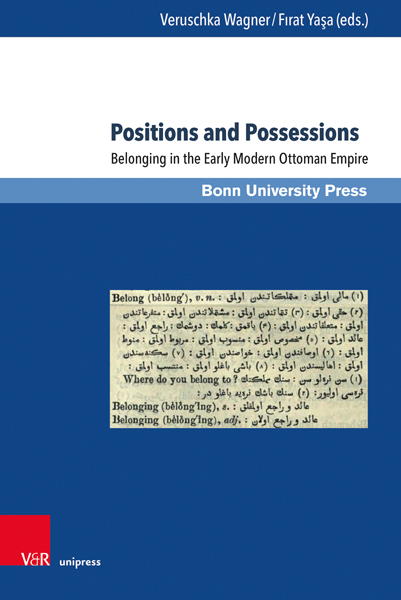
 Power and Women in Southeast and Central Europe in Late Medieval and Early Modern Period (1300-1600)
Volume 10



 Staging the Spectacle of Majesty
Ceremonial, Courtly Space, and Collecting under the Spanish Habsburgs
Volume 9
 Students, Scholars and Their Books at the University of Louvain (1425-1797)
Studium Lovaniense: Learning across Borders, 1
Volume 17


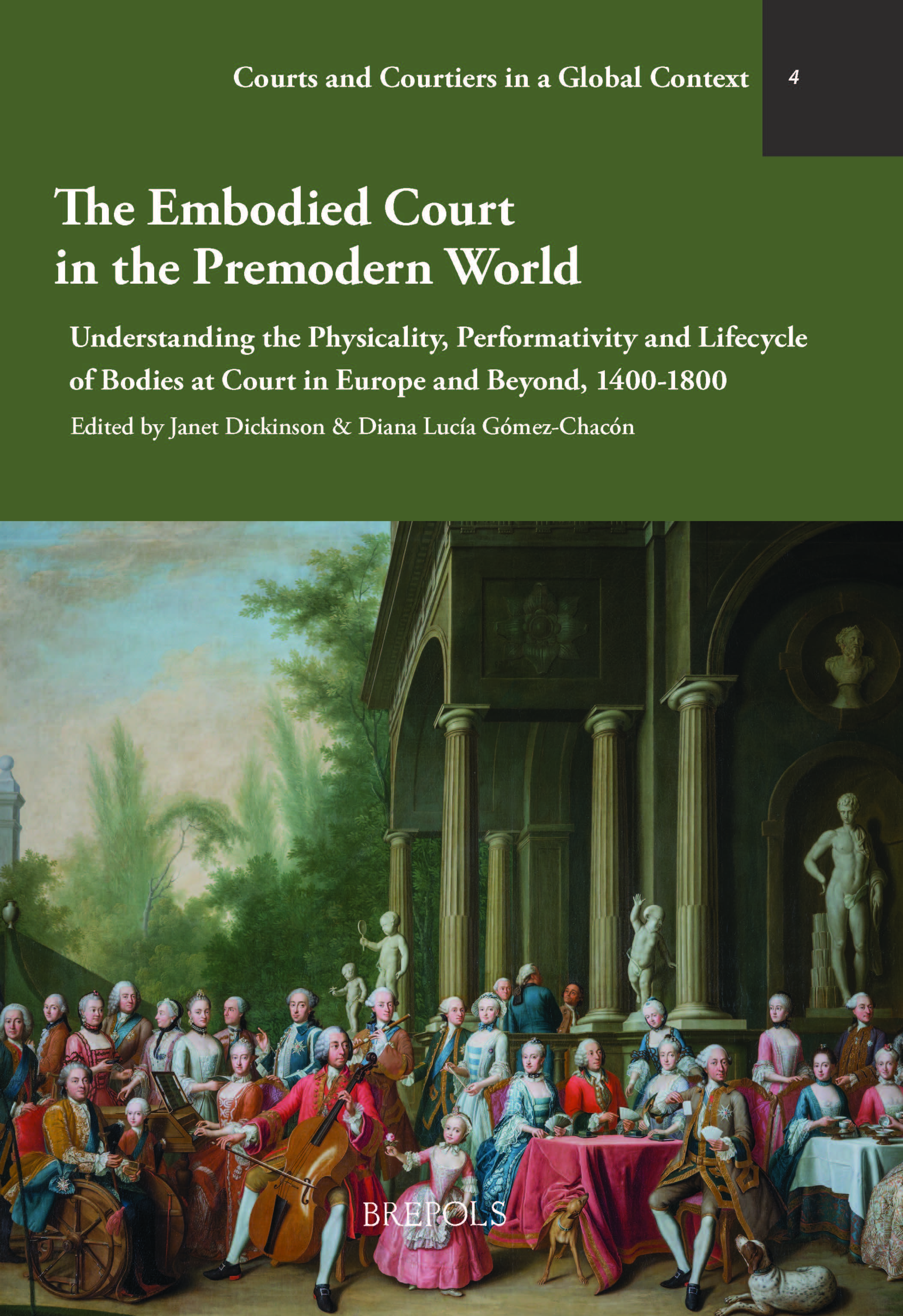 The Embodied Court in the Premodern World
Understanding the Physicality, Performativity and Lifecycle of Bodies at Court in Europe and Beyond, 1400-1800
Volume 4
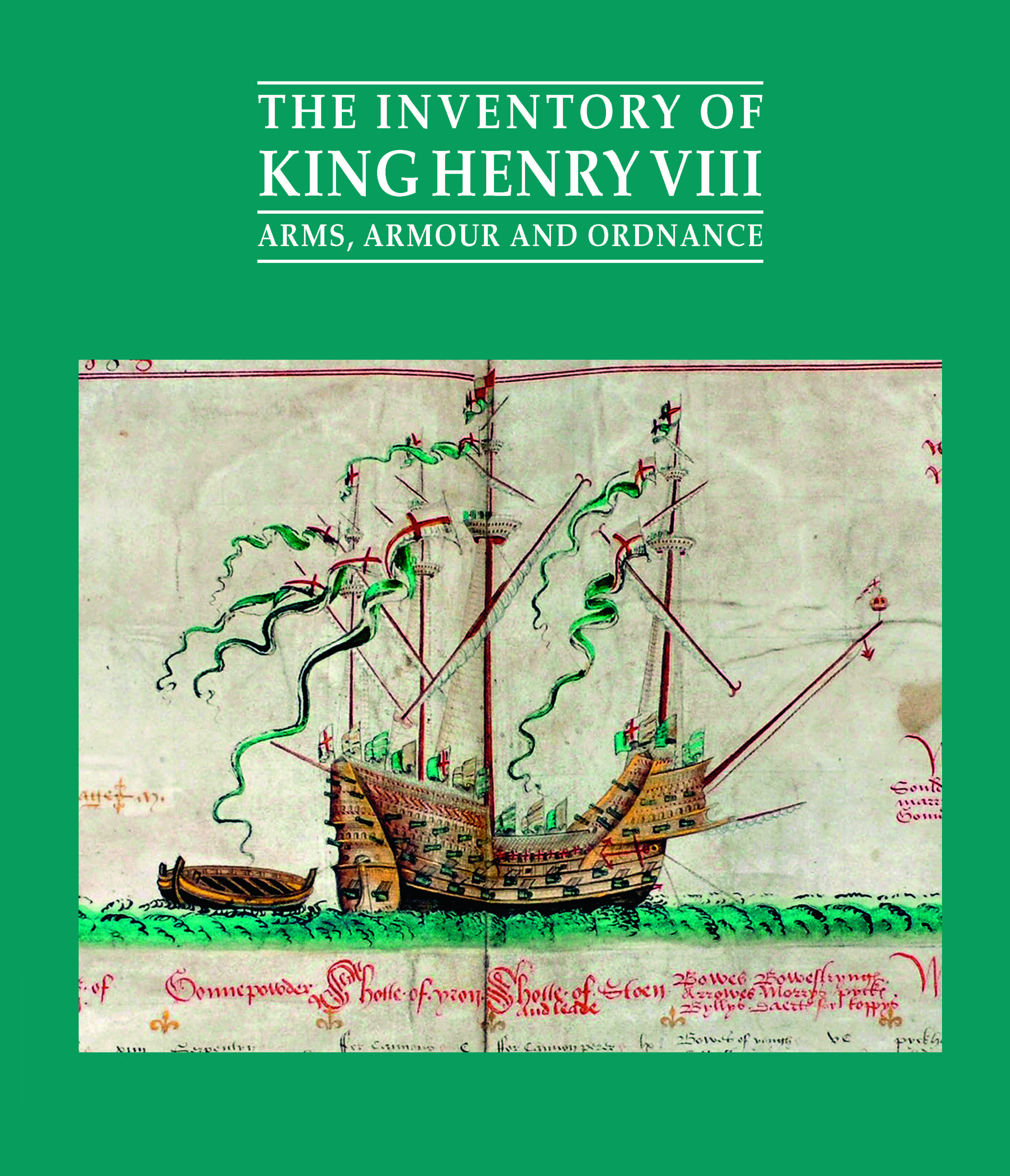
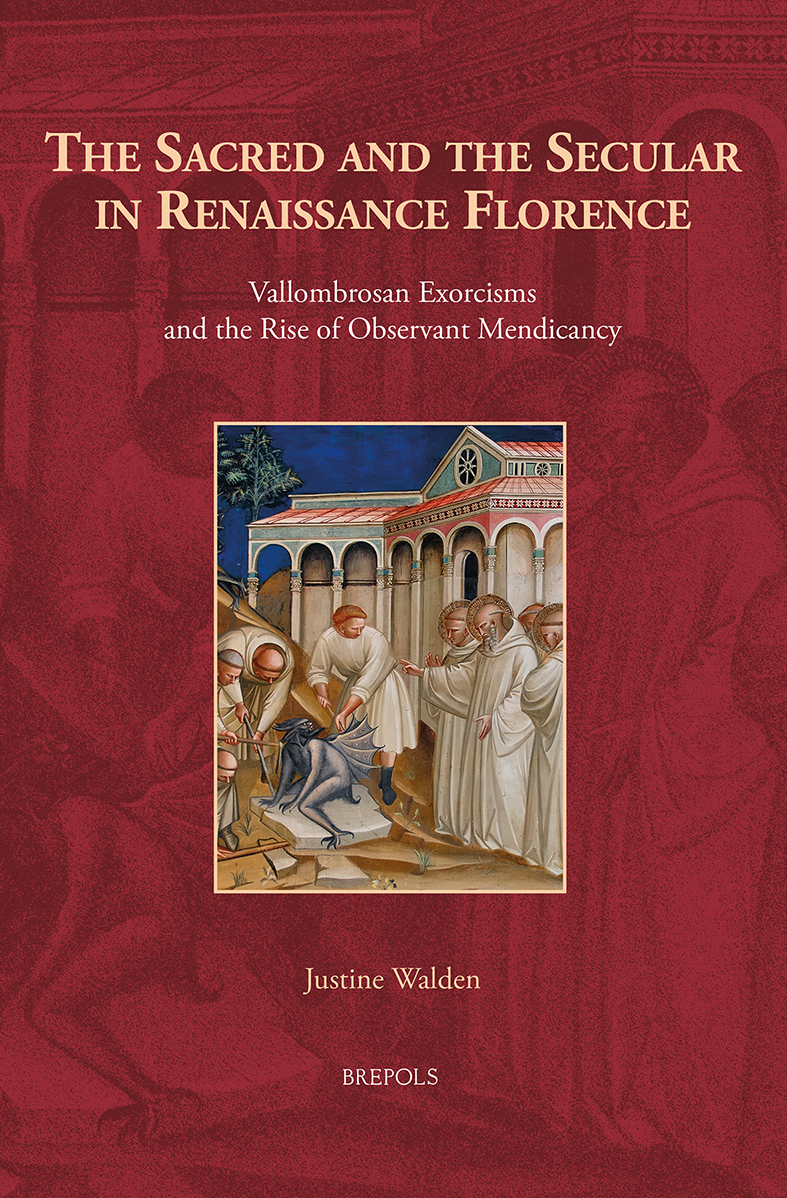 The Sacred and the Secular in Renaissance Florence
Vallombrosan Exorcisms and the Rise of Observant Mendicancy
Volume 31
 Tradition, Interpretation, and Change
Developments in the Liturgy of Medieval and Early Modern Ashkenaz

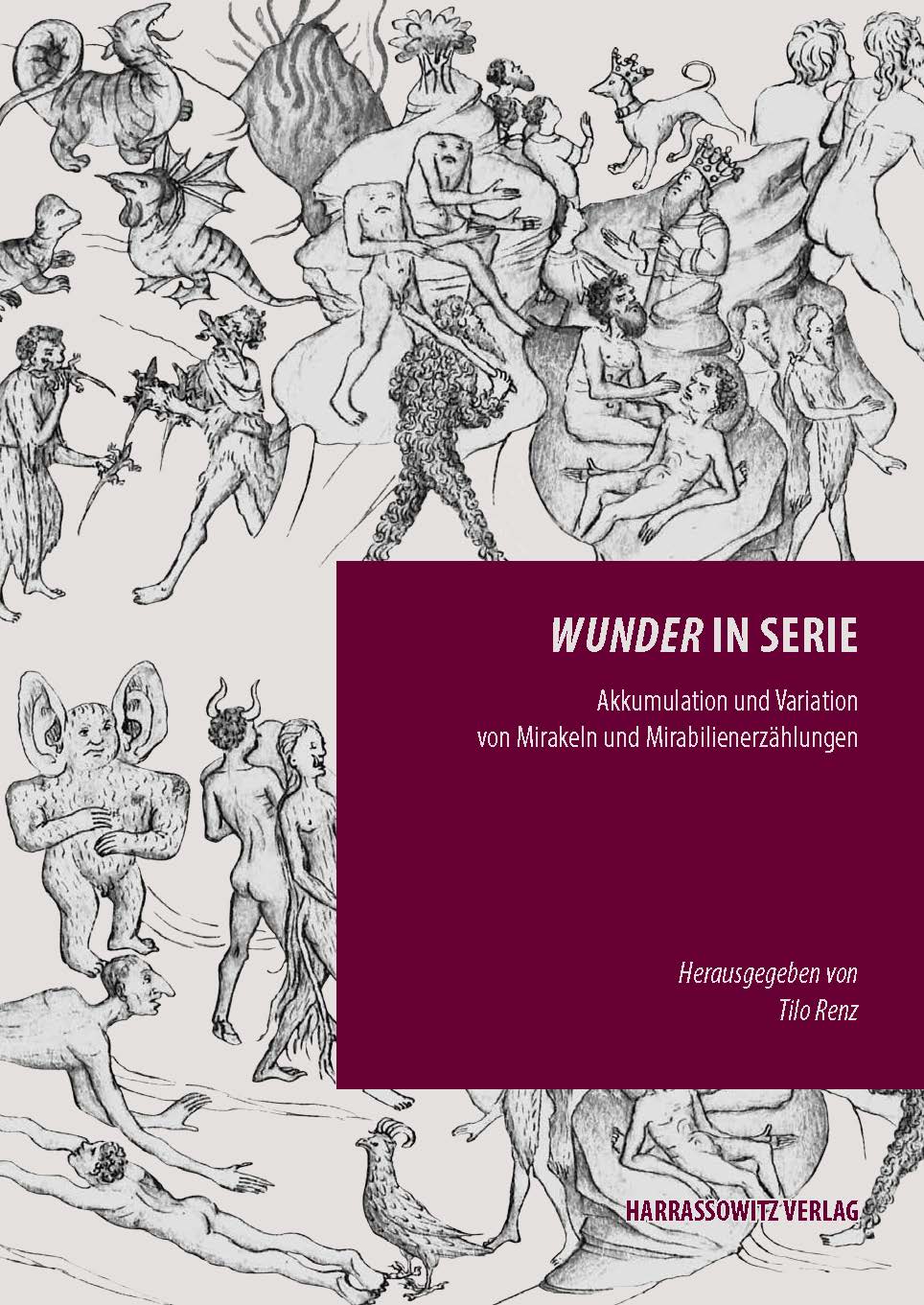 wunder in Serie
 À la recherche des normes de traduction
Textes spécialisés dans le monde hispanophone et francophone (1450–1850)