
Understanding Scottish Graveyards
By (author) Betty Willsher Revised by Susan Buckham

Paperback (Published)
(March 2026)
ISBN: 9781805832379
6.85 x 9.69 inches
Price: $38.00
On back order
The expanded fourth edition of Betty Willsher’s landmark guide to understanding Scottish graveyards includes a new regional guide, symbol charts and links to online archives. Combining insight and practical advice, it invites readers to explore, record, and protect Scotland’s historic gravestones for future generations.
Graveyards hold a special fascination. We’re drawn to their quiet beauty, the artistry and symbolism of their carved stones, and the stories they preserve of lives once lived. Understanding Scottish Graveyards remains the essential guide to exploring and interpreting this rich part of Scotland’s heritage.
First published in 1985, Betty Willsher’s groundbreaking work transformed how we understand historic gravestones. She combined meticulous fieldwork with an accessible appreciation of their cultural and historical significance. This new, expanded fourth edition—produced in collaboration with Archaeology Scotland and Historic Environment Scotland—honours that legacy while fully embracing the digital age.
The original text is updated to include a new regional gravestone symbols guide, based on Willsher’s survey of more than 660 graveyards across Lowland Scotland. Crucially, information in this edition is linked to freely available online archives and resources, opening the door for today’s readers and community researchers to continue Betty Willsher’s pioneering work.
Through its blend of insight, guidance, and practical advice, Understanding Scottish Graveyards invites us all to explore, record, and protect Scotland’s remarkable historic gravestones—ensuring that the carvings etched in stone endure for generations to come.
Preface to the 2005 Edition of Understanding Scottish Graveyards
Foreword to the 4th Edition
Chapter 1.The Graveyards
Chapter 2.Types of Monuments, Symbols and Inscriptions
Chapter 3. Recording and Studying Graveyards
The Regional Guide
Introduction to the Guide to Scottish Gravestone Symbols by Region
Aberdeenshire
Angus
Ayrshire
Banffshire and Morayshire
Clackmannanshire and Kinross-shire
East Lothian
Fife
Kincardineshire
Midlothian
Perthshire
Scottish Borders: Berwickshire, Selkirkshire, Peeblesshire and Roxburghshire
Southwest Scotland: Dumfriesshire, Kirkcudbrightshire and Wigtownshire
Stirlingshire and Dunbartonshire
West Lothian
Afterword
Glossary
Appendix: Adam and Eve Stones, Abraham and Isaac Stones and Quarles Stones
Examples of Built Features Found in Graveyards
Further Reading
Bibliography
Dr Susan Buckham specialises in the study of Scottish historic graveyards, with a particular focus on burial sites of the post-Reformation period. Drawing on 20 years of experience in graveyard recording, conservation, research and interpretation, Susan’s knowledge and skills span graveyard history and development, conservation good practice, and the policy and legislation relevant to burial ground management and protection.
Susan is currently the Graveyards Project Manager at Edinburgh World Heritage and runs Kirkyard Consulting, a consultancy specialising in the conservation and research of Scottish graveyards. She is an Honorary Research Fellow, History at the University of Stirling.
As a member of the Death in Scotland Conference Committee, Susan works to raise awareness of and accelerate interest in research into Scottish death studies. Susan is also the Deputy Chair and Treasurer of the National Committee on the Carved Stones in Scotland (NCCSS).
- By (author) Betty Willsher
- Revised by Susan Buckham
'[The fourth edition] keeps much of [Betty Willsher's] original, expanding it with new data and adding regional summaries of the carved symbols on headstones... The ultimate aim of the book is to inspire a new generation to carry on Betty's work by going out and recording historic graveyards that have note yet made it on to the register, or by going back to sites that Betty visited and recording how the stones have survived in the intervening decades.' – Kathryn Krakowka (2026): Current Archaeology
—
Similar Books


 Archaeological Excavations at Irmis Rka: An Investigation of a Multi-Layered Settlement in Southwest Georgia
Results from the 2020 Season: Early Bronze Age to Medieval Occupations


 Catuvellaunia and Rome: Economic and Political Relations during the Final Decades Pre-conquest
The Role of Grain from Southeastern Britain and Its Potential for Maintenance of the Roman Military along the Frontier on the Rhine
 Colour Concept “Secoli bui” a colori
Codici cromatici e architetture dipinte nell’età tardoantica e medievale

 Crossing Disciplines in the Study of Archaeology and Prehistoric Art: Insights from the Sahara and Mediterranean Africa
Proceedings of the XX UISPP World Congress (5–9 September 2023, Timișoara, Romania) Volume / Session 18
 Crossing Sacred Landscapes
Contacts and Continuities in the Desert Cults and Beliefs of Ancient Northern Arabia and the Arid Southern Levant
 Cuneiform Artefacts from Archaeological Contexts: New Research on Ancient Iraq
Proceedings of a Conference Held at the Bavarian Academy of Sciences and Humanities, July 4–5, 2024
Volume 2

 ENTANGLED AFRICA
Intra-African Relations Between Rain Forest and Mediterranean from Around 4,000 BCE to 1,500 CE


 Exploring Prehistoric Pottery in Japan
A Study of Organic Inclusions, Adhering Materials, and Impressions of Woven Items

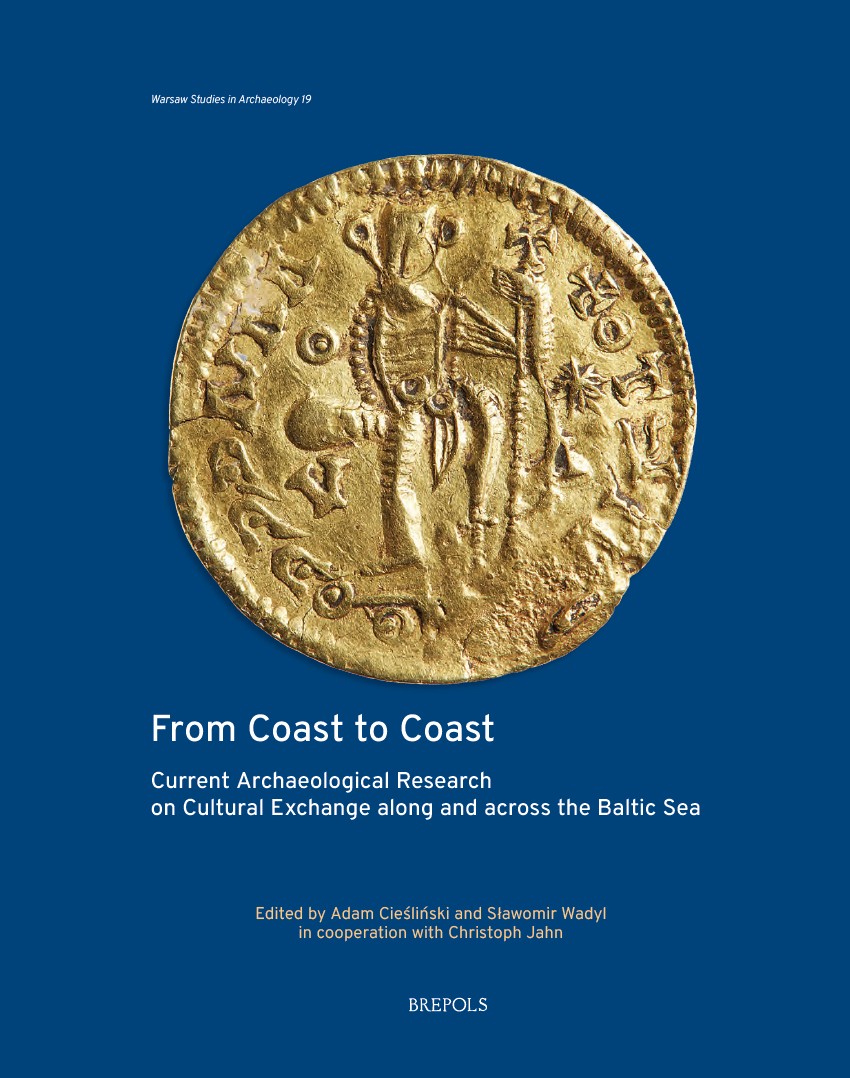 From Coast to Coast
Current Archaeological Research on Cultural Exchange along and across the Baltic Sea
Volume 19
 Frontiers of the Roman Empire: The Frontier of the Roman Province of Raetia
Grenzen des Römischen Reiches: Die Grenze der Römischen Provinz Raetien
 Gold, Silver and Glass: Power Networks, Cultural Identities, Technology Transfers and Agency across the Old World (7th Century BC – 1st Century AD)
Proceedings of a Conference Held at the British Museum, 16–18 June 2023
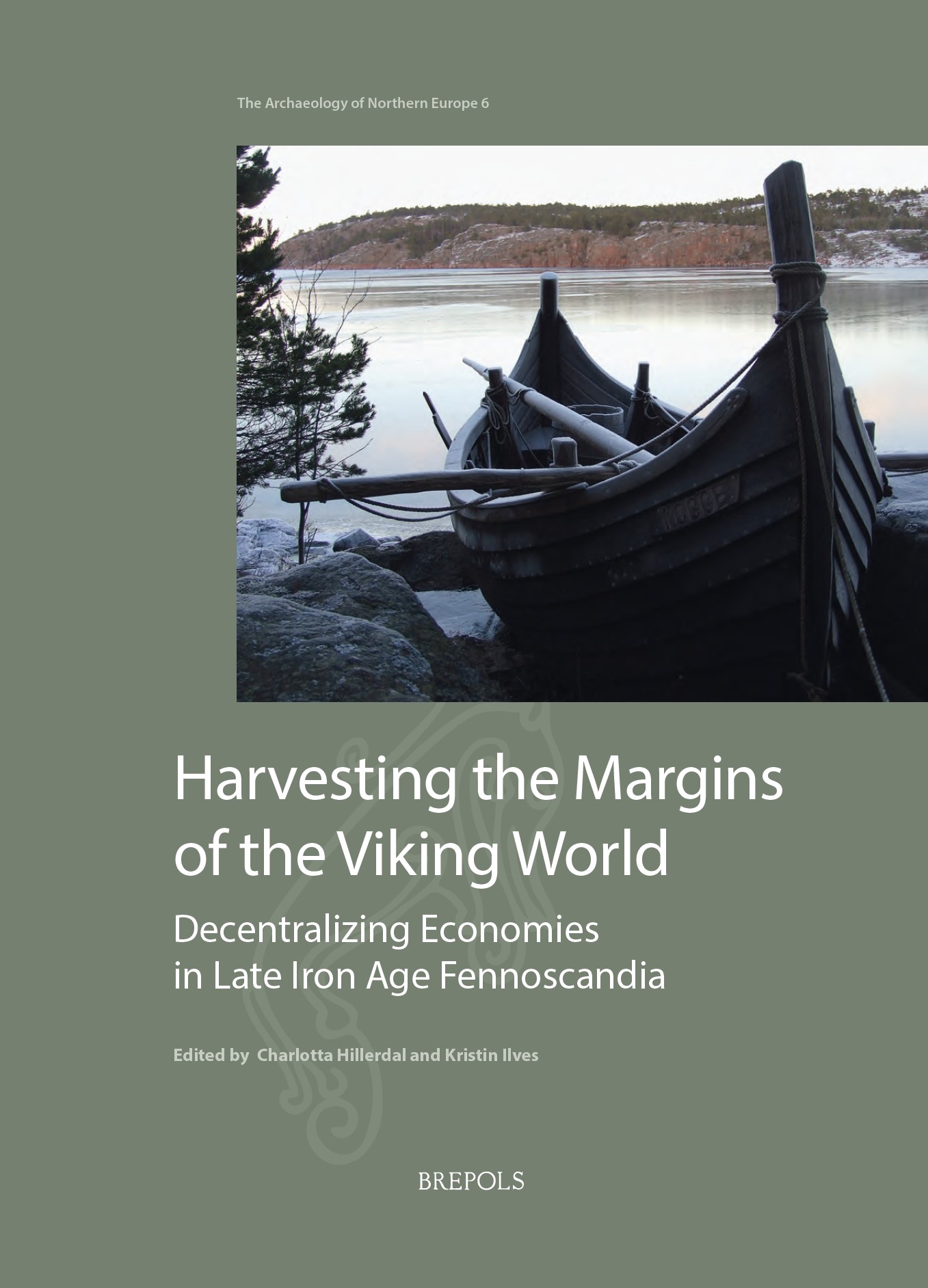 Harvesting the Margins of the Viking World
Decentralizing Economies in Late Iron Age Fennoscandia
Volume 6
 Images of Anonymous Women
A Semiotic Approach to Image-Text Relations in Interpretation of Ancient Near Eastern Art and the Hebrew Bible
Volume 310

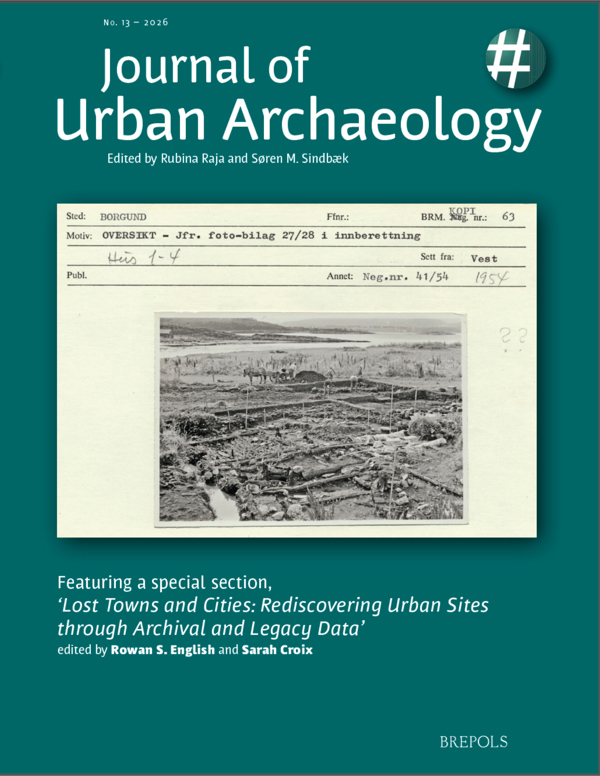 Journal of Urban Archaeology 13 (2026)
Featuring a special section, ‘Lost Towns and Cities: Rediscovering Urban Sites through Archival and Legacy Data’


 Making and Meaning in the Bronze and Iron Ages
Chronology, Landscapes and Societies across Europe. Proceedings from the METALAGES2024 Colloquium (Florence, 23 October 2024)

 Medieval Yeghegis, Armenia
History, Archaeology, Society. Local Multiplicities and Global Connections of a Rural Centre on the Silk Road(s)
 Mobility and Archaeogenetics in Central Asia
People – Goods – Ideas. 3rd International Conference on Central Asian Archaeology in Bern, 11th–13th January 2024
Volume 24


 Offa’s Dyke Journal: Volume 7 for 2025
A Journal for Linear Monuments, Frontiers and Borderlands Research


