
Population and Society In an East Devon Parish
Reproducing Colyton 1540-1840
By (author) Pamela Sharpe

Hardback (Published)
(June 2002)
ISBN: 9780859896559
6.14 x 9.21 inches
Price: $112.00
On back order
This book is a vivid and refreshing consideration of everyday life in a town visited by plague, Civil War, religious radicalism and industrial changes. What really happened in the place once described as ‘the most rebellious town in Devon’? The town of Colyton in Devon has been intensively analysed by historians interested in population trends, but this book combines demographic information with extensive details of the economy, society and local politics of the parish and region. This finely-grained, micro-history stresses the diversity of local experience and exposes many facets of the lives of ordinary individuals during the period. The book provides valuable new material on religious radicalism, agricultural changes, economic development, local politics, poverty and welfare policies as well as the history of the family and lifecycle in a small town.
Pamela Sharpe is Queen Elizabeth II Research Fellow at The University of Western Australia in Perth. Until 1999 she was Lecturer in Social and Economic History at University of Bristol. Her books include Chronicling Poverty: the Voices and Strategies of the English Poor, 1640-1840 (Macmillan, 1997), Women’s Work: the English Experience, 1650-1914 (Arnold, 1998), Women, Gender and Labour Migration: Historical and Global Perspectives (Routledge, 2001).
- By (author) Pamela Sharpe
“This is a formidable undertaking, but the benefits repay the effort involved” (Local Population Studies, No. 70, Spring 2003) “This persuasive reassessment” (Local Population Studies, No. 70, Spring 2003) “This is a formidable undertaking, but the benefits repay the effort involved” (Local Population Studies, No. 70, Spring 2003) “This persuasive reassessment” (Local Population Studies, No. 70, Spring 2003) “a generous book in the sheer range of information provided” (Local Population Studies, No. 70, Spring 2003) “Sharpe succeeds in conveying a vivid sense of Colyton, its people, and their relationship to one another, the surrounding area and the larger world.” (Local Population Studies, No. 70, Spring 2003) “It is rich also in vivid details” (Local Population Studies, No. 70, Spring 2003) “Sharpe is persuasive in her contention that within the broad patterns of national trends, it is often the local variations in experience that are the most interesting and the most challenging aspects of the past.” (Local Population Studies, No. 70, Spring 2003) “Pamela Sharpe’s Colyton offers . . . a sense . . . of the human faces behind the statistics – with pipes in their mouths.” (Local Population Studies, No. 70, Spring 2003) “she is particularly good on the gendered nature of demographic change – the role of the sex ratio in the parish’s population history, for example, and on the range, implications, and dynamics of female labour: topics ignored by so many historians in the past… Population and Society is an ambitious work that, with a great deal of justification, sees itself in multiple terms as a piece of history from below” (Bulletin, Vol. 27, No. 2, Winter 2002/3) “This is a rich, complex and deeply-researched work that deserves to be read by anyone who is interested in the multi-faceted processes of social reproduction in early modern England.” (David Levine, University of Toronto. Journal of Social History, 2004) “… we are unlikely to get much closer to the ‘truth’ about Colyton than Pam Sharpe has done here.” (Nigel Goose, University of Hertfordshire. The Agricultural History Review, vol. 51, 2003) “Drawing our attention to the role of gendered work, migration, and the sex ratio, she provides a welcome refocusing of our attention on the peculiarities of the Colytonians. This is a rich, complex and deeply-researched work that deserved to be read by anyone who is interested in the multi-faceted processes of social reproduction in early modern England.” (Journal of Social History, Vol. 38, No. 1, Fall 2004) “… a local study which adds greatly to our knowledge of early modern society.” (History, Volume 90, Issue 1, Number 297, January 2005)
—
Similar Books


 Balthasar Caymox of Nuremberg
Early Modern German Print Publishers: Popular Prints of the Seventeenth Century


 Beyond Sovereign Courts
Agents and Practices in Early Modern Spanish and Habsburg Diplomacy
Volume 3

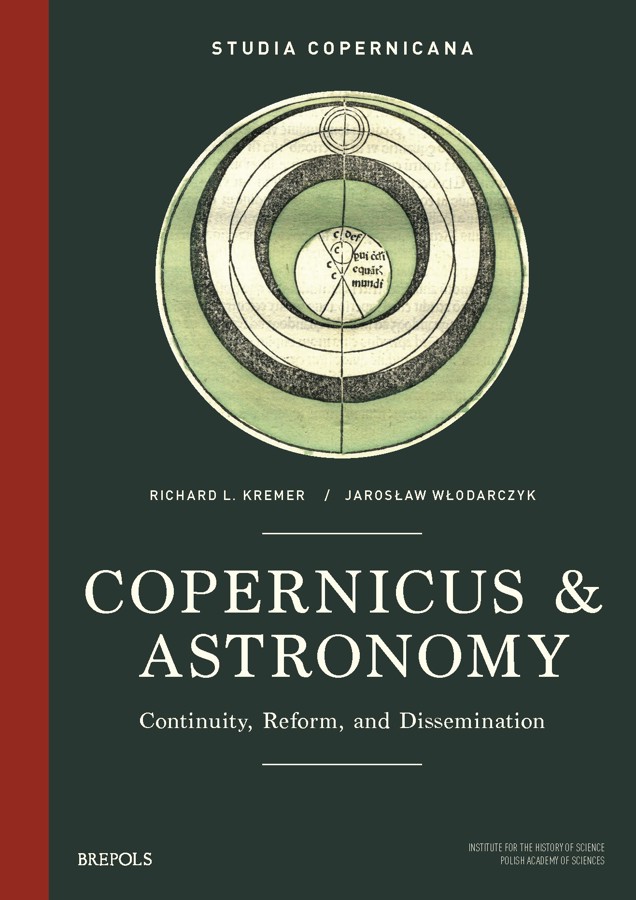
 Circulation, Use, Impact
The Consumption of Architectural Books in the Early Modern Eastern Adriatic
Volume 1

 Councils, Conflicts, Correspondence
Urban Diplomacy in Reval (Tallinn) and Lübeck (c. 1470–1570)
Volume 67


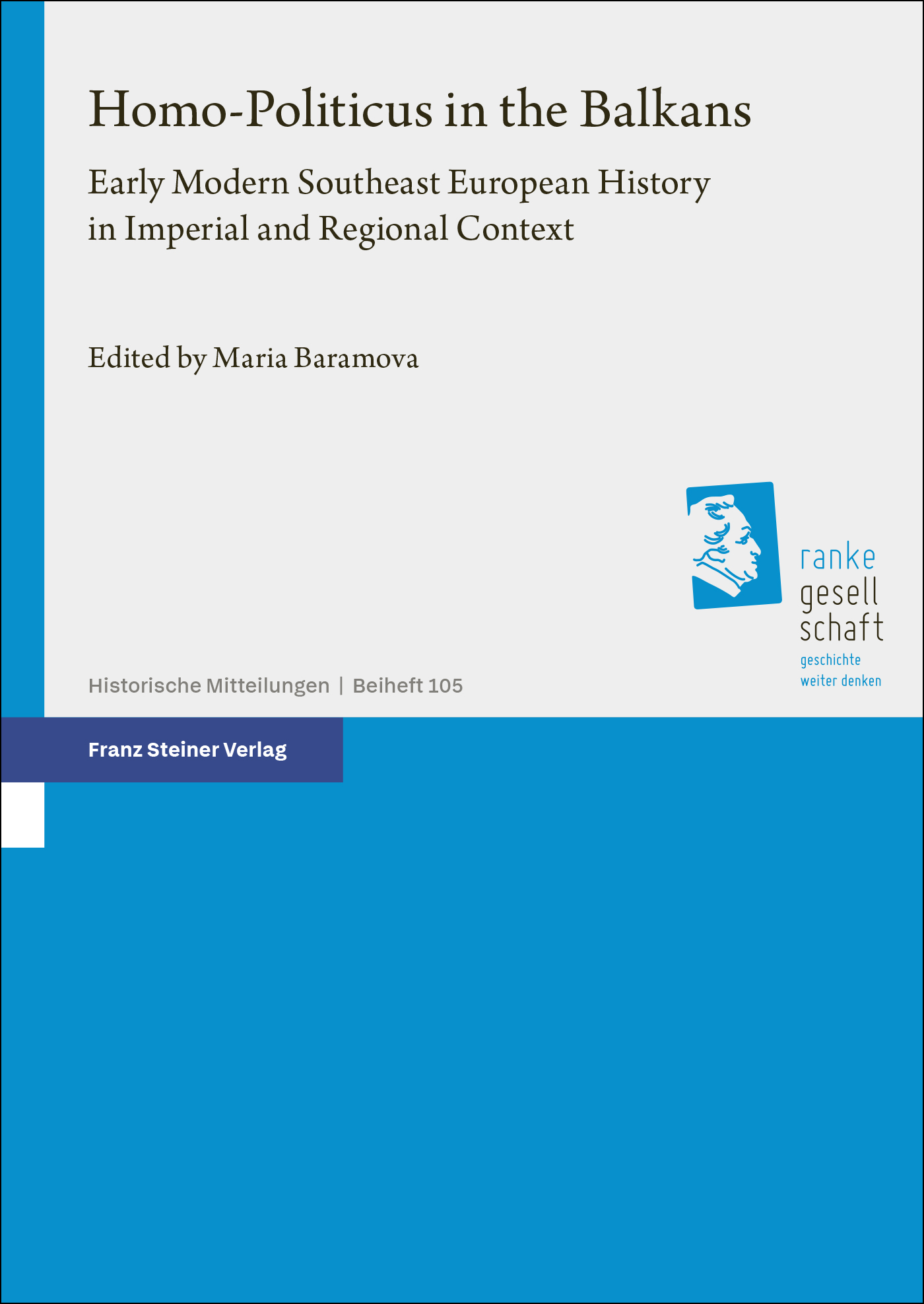 Homo-Politicus in the Balkans
Early Modern Southeast European History in Imperial and Regional Context

 Innovationes Lovanienses: Arts, Law and Theology at the University of Louvain (1425–1797)
Studium Lovaniense: Learning across Borders, 2
Volume 18
 Legal Visuality
Exegesis, Ambiguity, and Dissimulation of the Donation of Constantine in the Early Modern Period

 Naples as Laboratory / Laboratorium Neapel
Style Options, Artistic Rivalry and Self Fashioning in Neapolitan Baroque Painting / Plurale Stilbildung, Kunstlerkonkurrenz und Self Fashioning in der neapolitanischen Barockmalerei

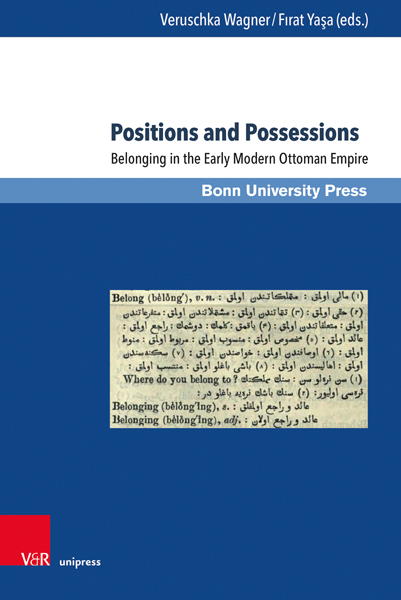
 Power and Women in Southeast and Central Europe in Late Medieval and Early Modern Period (1300-1600)
Volume 10



 Staging the Spectacle of Majesty
Ceremonial, Courtly Space, and Collecting under the Spanish Habsburgs
Volume 9
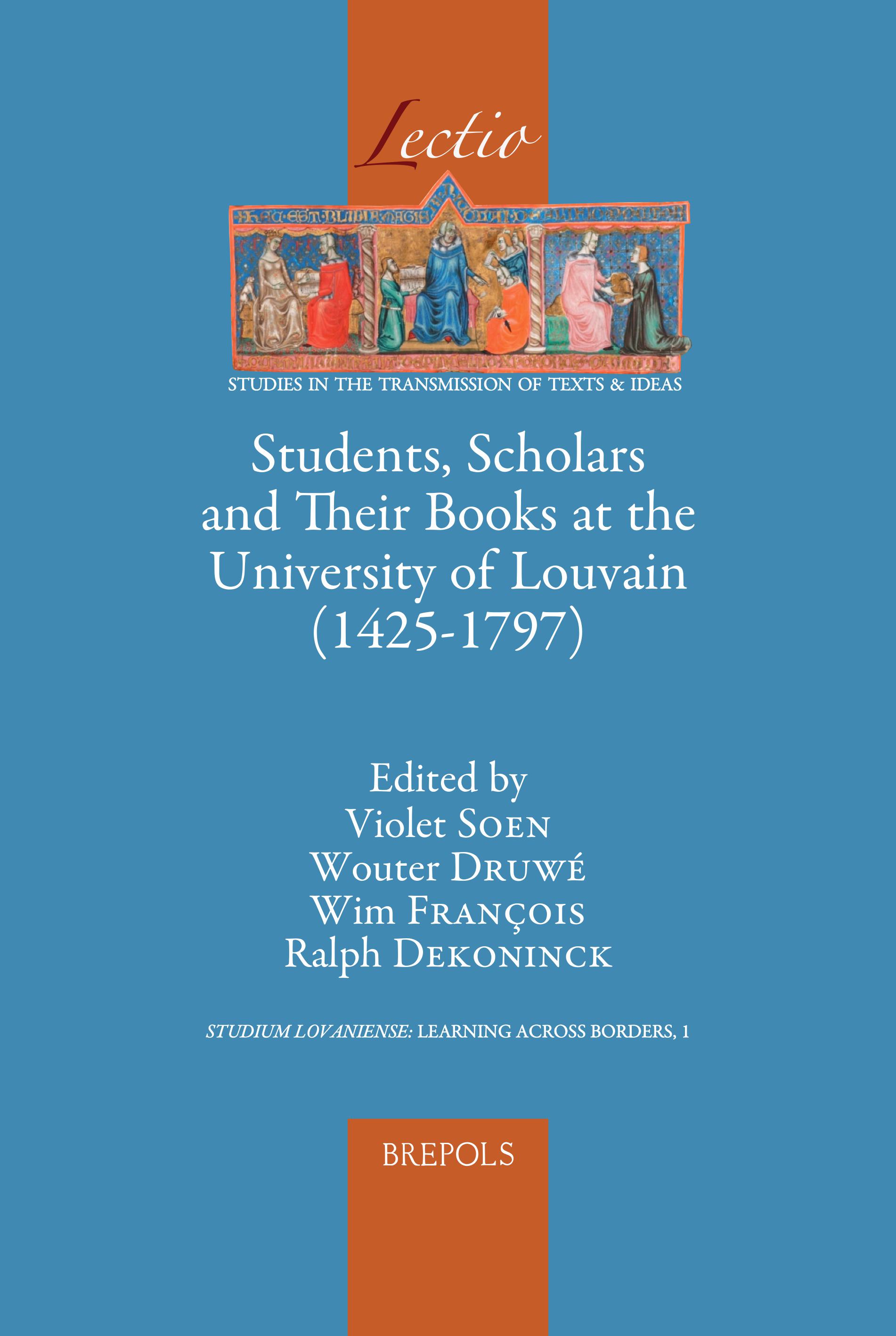 Students, Scholars and Their Books at the University of Louvain (1425-1797)
Studium Lovaniense: Learning across Borders, 1
Volume 17


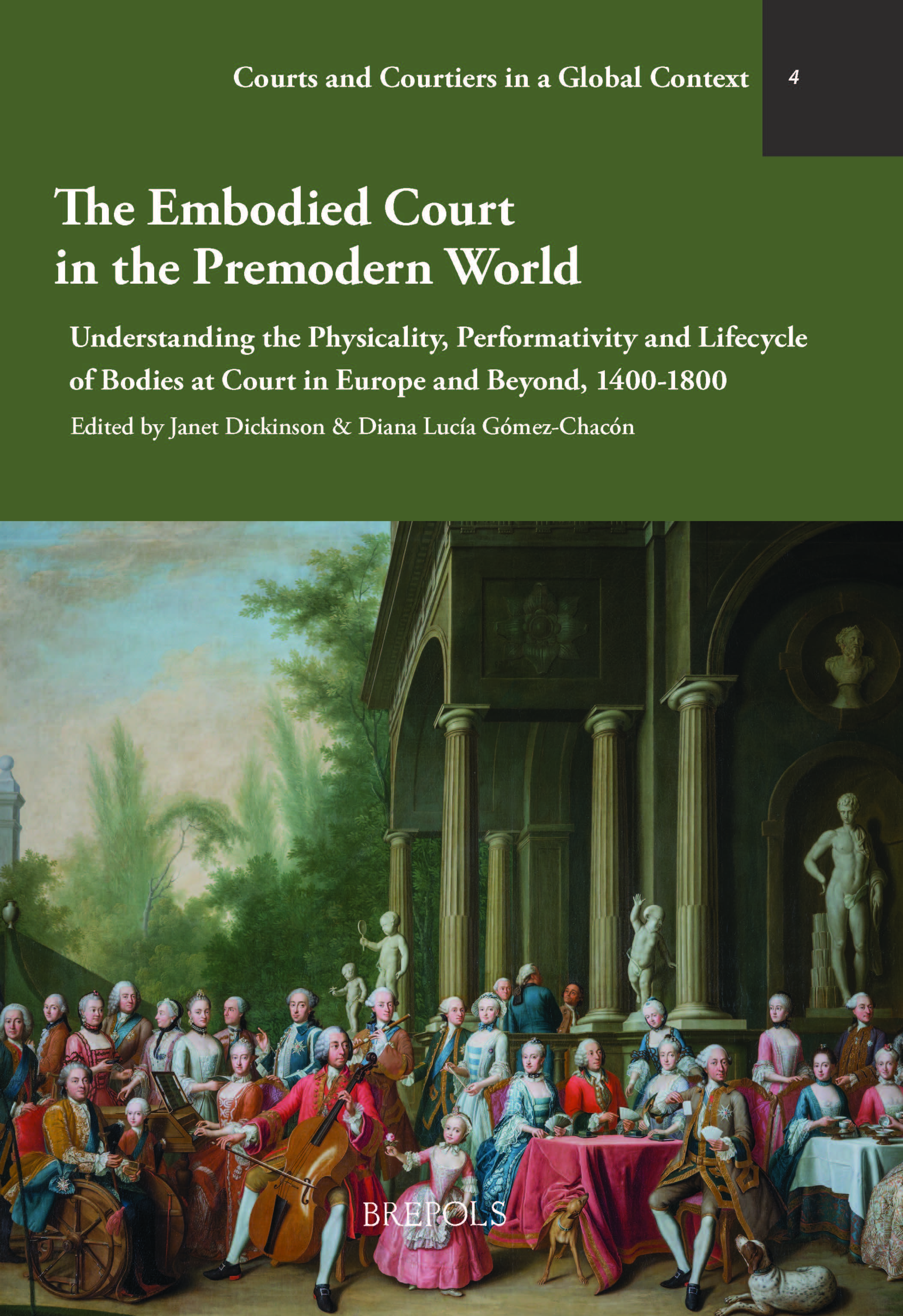 The Embodied Court in the Premodern World
Understanding the Physicality, Performativity and Lifecycle of Bodies at Court in Europe and Beyond, 1400-1800
Volume 4
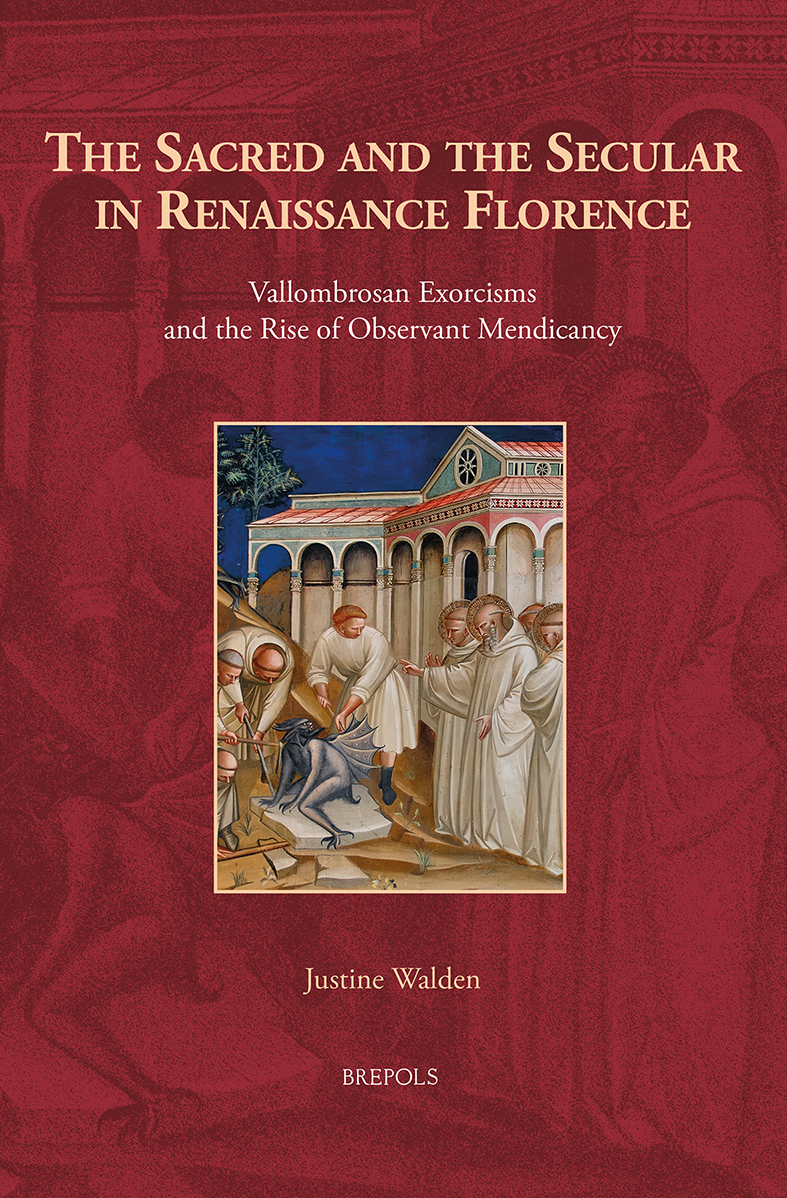 The Sacred and the Secular in Renaissance Florence
Vallombrosan Exorcisms and the Rise of Observant Mendicancy
Volume 31
 Tradition, Interpretation, and Change
Developments in the Liturgy of Medieval and Early Modern Ashkenaz

 wunder in Serie
 À la recherche des normes de traduction
Textes spécialisés dans le monde hispanophone et francophone (1450–1850)