
Oviedo on Columbus
By (author) Gonzalez Fernandez de Oviedo Edited by Jesus M Carrillo Castillo Edited by Diane Avalle-Arce

These are the collected writings of Gonzalo Fernandez de Oviedo who saw Columbus as both the initator of a new scientific era and agent of imperial expansion, and was the first natural historian to attempt a systematic description of the flora and fauna of the Americas.
For Bartolome de Las Casas Columbus was the agent of God in a benign mission of evangelization but ended his career as a perpetrator of injustice against the indigenous peoples of the Antilles. A contrary image of Columbus as both the initiator of a new scientific era and agent of imperial expansion was first suggested by the author of the writings collected in this volume, Gonzalo Fernandez de Oviedo. Oviedo was a natural historian who Humboldt states was the first to attempt a systematic description of the flora and fauna f the Americas. But he was also a tireless champion of the Spanish conquest and occupation of the Americas. Oviedo’s work is certainly, as Jesus Carrillo demonstrates, one of the earliest in which the objectives of science and empire are yoked together in a way which later became a feature of botanical, zoological and anthropological writing. The work comprises an introduction, text and modern English translation of parts of the following works: De la Natural Historia de las Indias, the Cahalogo Real e Imperial de Castilla, La Historia General y Natural de las Yndias, the Dialogo on Alonso de Cordoba and the Dialogo on Pedro Gonzalez de Mendoza, and from the Quinquagenas de los generosos e ilustres e non menos famosos reyes. Four maps, twelve plates and a detailed index are provided.
- By (author) Gonzalez Fernandez de Oviedo
- Edited by Jesus M Carrillo Castillo
- Edited by Diane Avalle-Arce
Other Titles in this Series


Similar Books


 Balthasar Caymox of Nuremberg
Early Modern German Print Publishers: Popular Prints of the Seventeenth Century


 Beyond Sovereign Courts
Agents and Practices in Early Modern Spanish and Habsburg Diplomacy
Volume 3

 Circulation, Use, Impact
The Consumption of Architectural Books in the Early Modern Eastern Adriatic
Volume 1


 Councils, Conflicts, Correspondence
Urban Diplomacy in Reval (Tallinn) and Lübeck (c. 1470–1570)
Volume 67


 Homo-Politicus in the Balkans
Early Modern Southeast European History in Imperial and Regional Context

 Innovationes Lovanienses: Arts, Law and Theology at the University of Louvain (1425–1797)
Studium Lovaniense: Learning across Borders, 2
Volume 18
 Legal Visuality
Exegesis, Ambiguity, and Dissimulation of the Donation of Constantine in the Early Modern Period

 Naples as Laboratory / Laboratorium Neapel
Style Options, Artistic Rivalry and Self Fashioning in Neapolitan Baroque Painting / Plurale Stilbildung, Kunstlerkonkurrenz und Self Fashioning in der neapolitanischen Barockmalerei

 Power and Women in Southeast and Central Europe in Late Medieval and Early Modern Period (1300-1600)
Volume 10



 Staging the Spectacle of Majesty
Ceremonial, Courtly Space, and Collecting under the Spanish Habsburgs
Volume 9
 Students, Scholars and Their Books at the University of Louvain (1425-1797)
Studium Lovaniense: Learning across Borders, 1
Volume 17


 The Embodied Court in the Premodern World
Understanding the Physicality, Performativity and Lifecycle of Bodies at Court in Europe and Beyond, 1400-1800
Volume 4
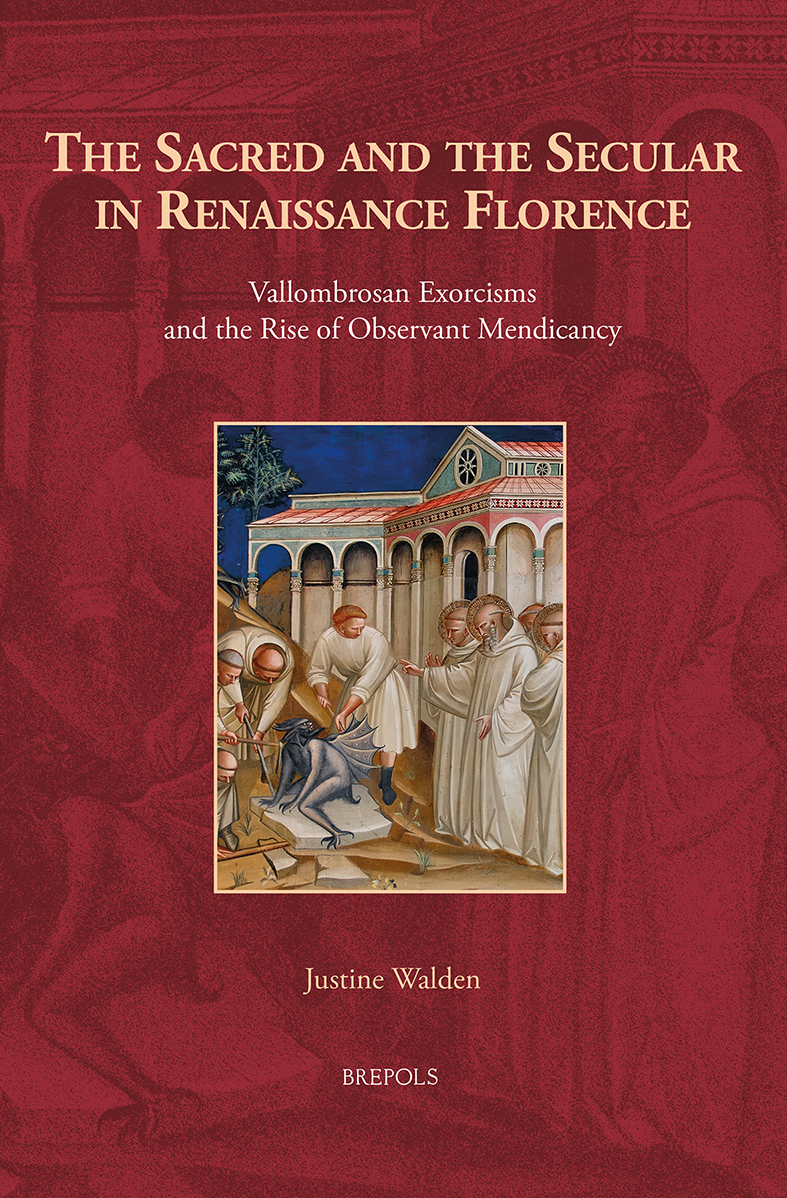 The Sacred and the Secular in Renaissance Florence
Vallombrosan Exorcisms and the Rise of Observant Mendicancy
Volume 31
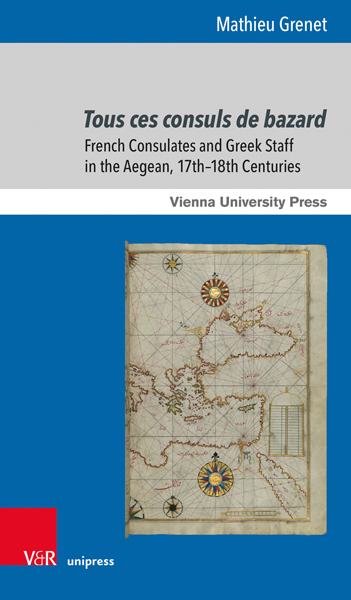
 Tradition, Interpretation, and Change
Developments in the Liturgy of Medieval and Early Modern Ashkenaz

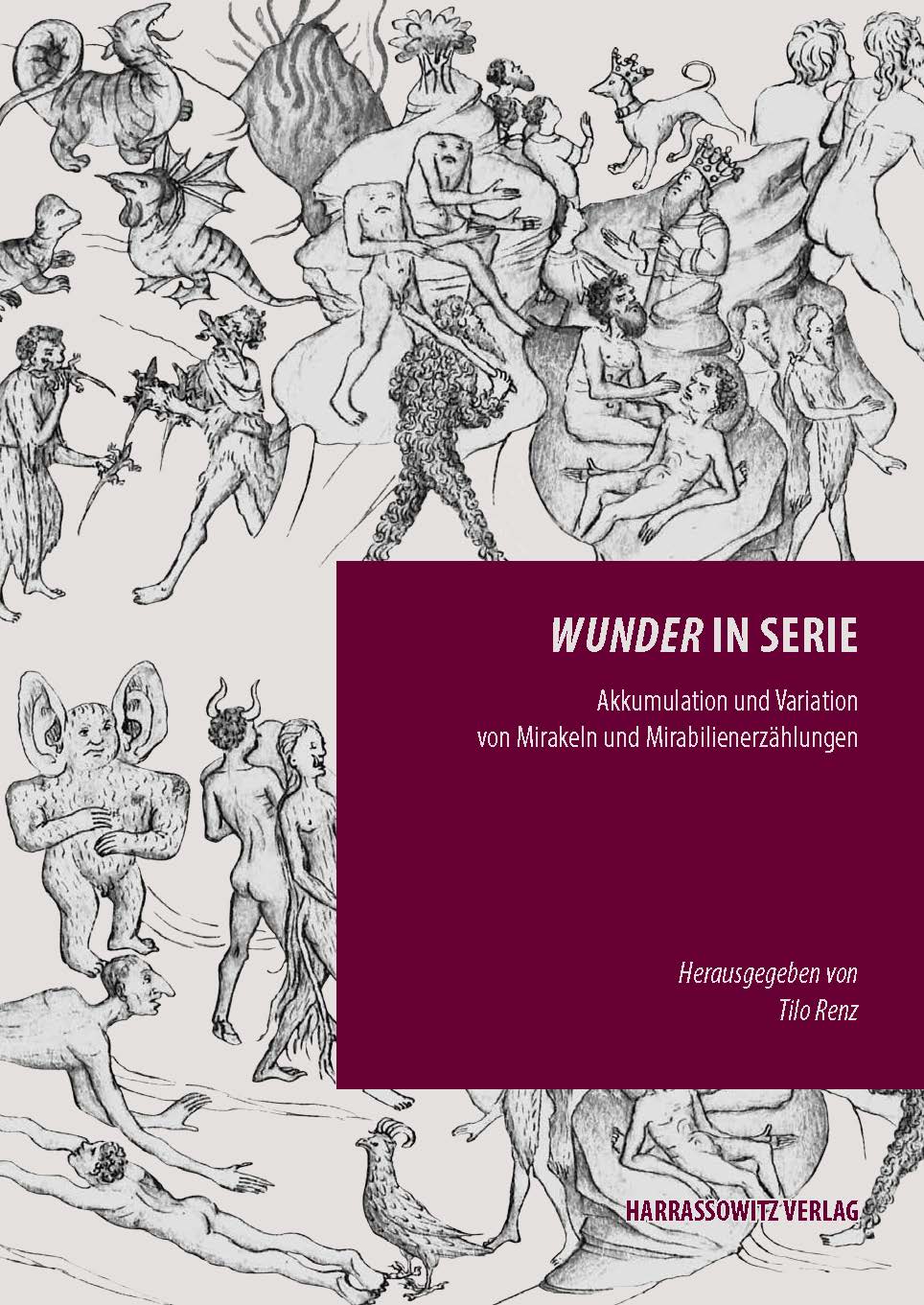 wunder in Serie
 À la recherche des normes de traduction
Textes spécialisés dans le monde hispanophone et francophone (1450–1850)