
Unfreedom in the Merovingian Church
Ecclesiastical Strategies and Traditions
By (author) Eduard Visintini
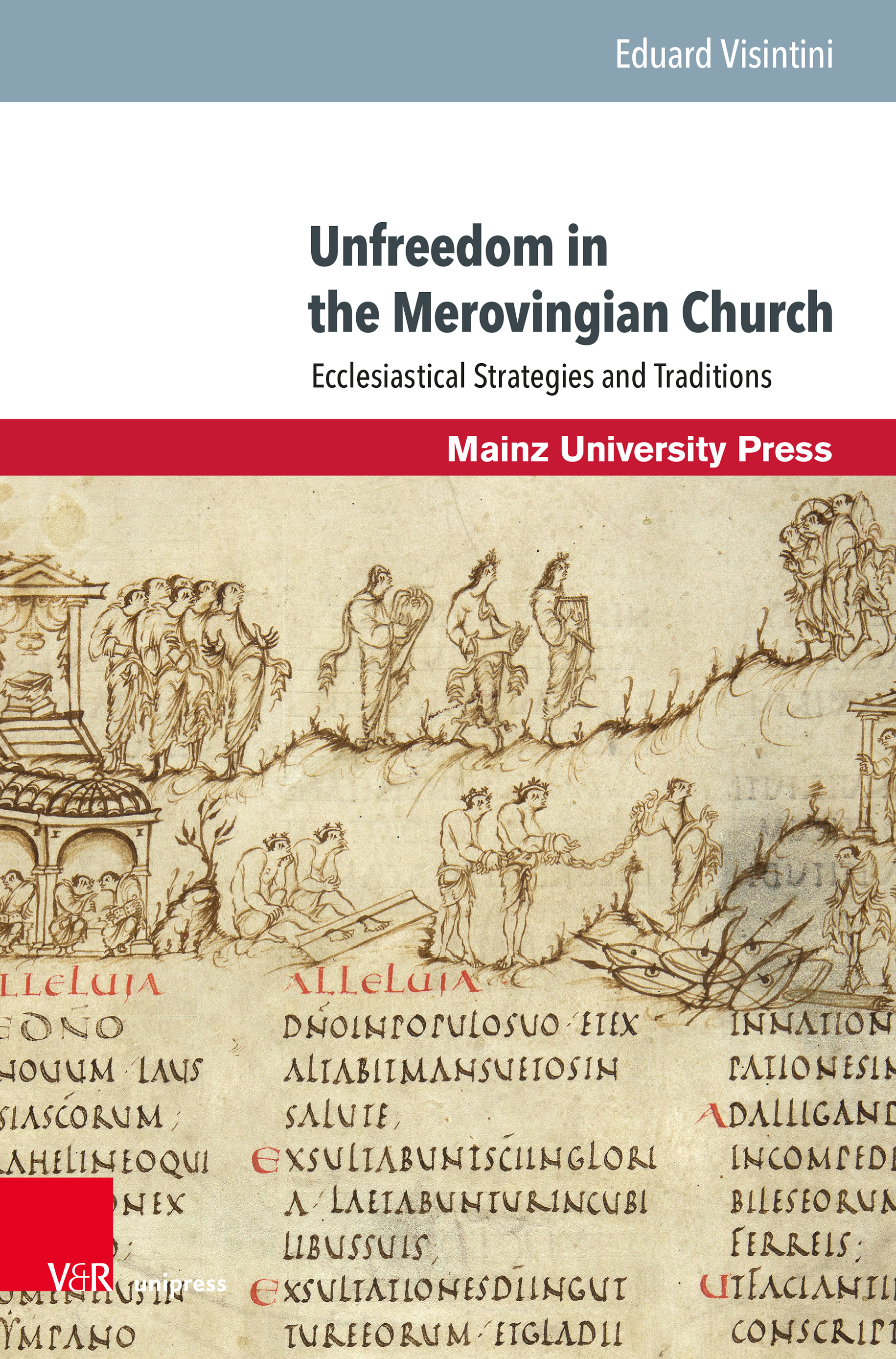
How did the Merovingian Church view, bind and manage their own slaves and unfree?
Eduard Visintini examines how the Merovingian Church dealt with slaves and other forms of unfreedom in sixth to eighth century Gaul. In four chapters of this study explore how churchmen understood unfreedom, how unfree persons were acquired and bound to ecclesiastical institutions, how their labour permeated most aspects of the economic and social life in the Church, and how control was exercised through physical coercion and religious persuasion. Drawing primarily on narrative texts such as histories and hagiographies, as well as normative materials including legal codes, synodal legislation, and dispositive documents such as testaments, the study reveals how the lived experience of unfreedom in the early medieval Church was formed between legal status, terminology and typologies of labour.
Dr Eduard Visintini studied History and Medieval Studies at the University of Vienna, Utrecht University, and the Central European University. He has worked as a researcher at the Johannes Gutenberg University Mainz since 2022.
- By (author) Eduard Visintini
Other Titles in this Series
 Africam defendere
Byzantinische Fortifikationen in der nordafrikanischen Region Thugga im 6. und 7. Jahrhundert
 Kämpfer auf dem Schlachtfeld – Kämpfer in den Texten
Schlachtenschilderungen in den historiografischen Quellen des 14. und beginnenden 15. Jahrhunderts

 Illustrationen zur Kriegstechnik in byzantinischen Handschriften
Transfer und Adaption antiken Wissens in Byzanz
 Die ›Kriegshistoriographie‹ des Orosius
›Krieg‹ als Argumentationsmotiv in einem spätantiken christlichen Geschichtswerk
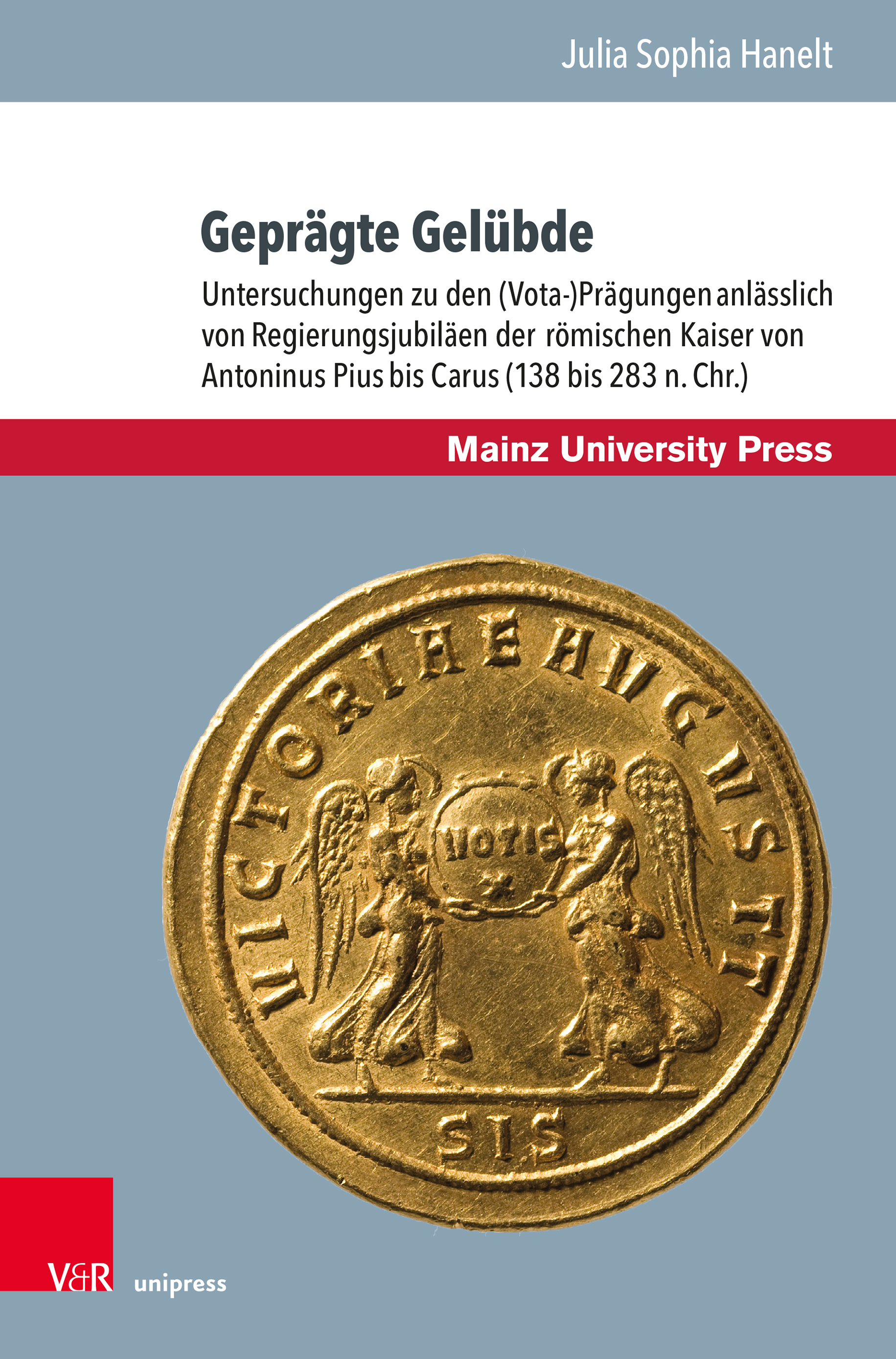 Geprägte Gelübde
Untersuchungen zu den (Vota-)Prägungen anlässlich von Regierungsjubiläen der römischen Kaiser von Antoninus Pius bis Carus (138 bis 283 n. Chr.)
Similar Books
 ‘For You I Study, For You I Work, For You I Live, For You I Am Ready To Even Give My Life’
Essays in Honour of Francis (Frank) J Moloney, SDB

 A Connecting Polemic in the Medieval Mediterranean
The Correspondence of Leo III and ʿUmar II
Volume 6





 Ars Prophetica
Theology in the Poetry of Twentieth-Century Hebrew Poets Avraham Halfi, Shin Shalom, Amir Gilboa, and T. Carmi
 As Messianism Turns to Heresy
The Regenstein Chair Lectures On Lurianic Kabbalah and Shabbatai Tzevi at Hebrew Union College - Cincinnati



 Creating the Woman in Antiquity
Proceedings of the 16th Melammu Workshop, Innsbruck, 2–3 June 2022
Volume 13
 Cultic Kisses
Fruitful Encounters Between Deities and Humans. Festschrift for Angelika Berlejung on the Occasion of Her 65th Birthday
 De/colonizing Theologies
Glocal Histories, Contemporary Challenges, Theoretical Reflections
Volume 4
 Drunk the Potion, No Whit Charmed
The Doctrine of Pure and Perfect Souls from Iamblichus to Damascius




 Extracanonical Traditions and the Holy Land
Texts, Rituals, and Material Culture in Late Antique Palestine
 Fear, Fear of God, God-Fearers
Philological and Historical Perspectives on the World of Ancient Judaism and Christianity


 Gender and Iconography in Antiquity
Femininities, Masculinities, Ambiguities, and Beyond in the Ancient Levant, Near East, and Mediterranean


 Hoghe minne es deen vor dander
Essays on the Christian Mystical Tradition in Honour of Rob Faesen SJ
Volume 122

 International Comparison and Transfer in Religious Education
The Projects “RE at Schools in Europe” and “International Knowledge Transfer” in Dialogue
 Isaiah in the Fourth Gospel
Use of the Citations of Isaiah in John’s Gospel in Comparison to the Synoptics and Other Places in the New Testament