
Una gente di lingua, di memorie e di cor
Italienische Literatur und schwierige nationale Einheit von Machiavelli bis Wu Ming
edited by Marc Focking and Michael Schwarze

Hardback (Out of print)
(February 2015)
ISBN: 9783825363994
6.54 x 9.69 inches
Price: $47.00
In stock
English summary: Italy’s path to becoming a nation-state was not easy. Up until the beginning of the 19th century “Italy” at best designated a geographic and cultural concept right up through the Congress of Vienna in 1815/1818, which set the political organization of Europe. After 1861, Italy had a difficult time developing an overarching national identity again a variety of social, economic, geographic and cultural contrasts. For these reasons, the precarious unity of Italy was full of conflicts but also a dynamic complexity confronted the creation of a unifying Italian culture: this dichotomy expressed as “”Italia unita” and “le unita d’Italia,” or unity and diversity, has shaped the self-perception and cultural discourse of Italy down to the present day. This situation has also produced in Italian literature a complex variety of strategies aimed at overcoming this dichotomy, whether is it in the defiant offerings of provincialism, or ethnographic studies, or in the shaping of national myths about Garibaldi up to the Resistenza, or in the ironic analysis of the lies about the Italian national image. The articles within this reader consider these strategies and set them within a broader sweep of Italian literature from Machiavelli and the comic epics of the Baroque period to Ugo Foscolo, Manzoni and DAnnunzio through Neorealism, Tomasi di Lampedusa and contemporary Italian novels. German description: Der Weg Italiens zum Nationalstaat war nicht leicht: Bis zum Beginn des 19. Jahrhunderts war “Italien” ein allenfalls geographischer und kultureller Begriff und stand quer zur durch den Wiener Kongress 1815/1818 fixierten Ordnung Europas. Italien trug auch nach 1861 schwer daran, eine die sozialen, wirtschaftlichen, geographischen und kulturellen Gegensatze uberbruckende nationale Identitat auszubilden. Daher wird die prekare Einheit Italiens gerne mit der durchaus konfliktreichen, aber doch auch produktiven Vielfalt der italienischen Gesellschaft und Kultur konfrontiert: Die Dichotomie “Italia unita” und “le unita d’Italia”, Einheit und Vielfalt, pragen Selbstbild und kulturelle Diskurse Italiens bis heute. Sie bringt auch in der italienischen Literatur eine Vielzahl von Strategien hervor, dieser Dichotomie Herr zu werden, sei es im trotzigen Ausschreiben von Provinzialismen oder ihrer ethnographischen Erforschung, sei es in der Schaffung von nationalen Mythen von Garibaldi bis zur Resistenza, sei es in der ironischen Analyse der Lugen italienischer Nationenbildung. Diesen Strategien widmen sich die Beitrage dieses Bandes und beschreiben so einen weiten Bogen von Machiavelli und dem komischen Epos des Barock uber Ugo Foscolo, Manzoni und D’Annunzio bis zum Neorealismus, zu Tomasi di Lampedusa und der italienischen Romanliteratur der Gegenwart.
English summary: Italy’s path to becoming a nation-state was not easy. Up until the beginning of the 19th century “Italy” at best designated a geographic and cultural concept right up through the Congress of Vienna in 1815/1818, which set the political organization of Europe. After 1861, Italy had a difficult time developing an overarching national identity again a variety of social, economic, geographic and cultural contrasts. For these reasons, the precarious unity of Italy was full of conflicts but also a dynamic complexity confronted the creation of a unifying Italian culture: this dichotomy expressed as “”Italia unita” and “le unita d’Italia,” or unity and diversity, has shaped the self-perception and cultural discourse of Italy down to the present day. This situation has also produced in Italian literature a complex variety of strategies aimed at overcoming this dichotomy, whether is it in the defiant offerings of provincialism, or ethnographic studies, or in the shaping of national myths about Garibaldi up to the Resistenza, or in the ironic analysis of the lies about the Italian national image. The articles within this reader consider these strategies and set them within a broader sweep of Italian literature from Machiavelli and the comic epics of the Baroque period to Ugo Foscolo, Manzoni and DAnnunzio through Neorealism, Tomasi di Lampedusa and contemporary Italian novels. German description: Der Weg Italiens zum Nationalstaat war nicht leicht: Bis zum Beginn des 19. Jahrhunderts war “Italien” ein allenfalls geographischer und kultureller Begriff und stand quer zur durch den Wiener Kongress 1815/1818 fixierten Ordnung Europas. Italien trug auch nach 1861 schwer daran, eine die sozialen, wirtschaftlichen, geographischen und kulturellen Gegensatze uberbruckende nationale Identitat auszubilden. Daher wird die prekare Einheit Italiens gerne mit der durchaus konfliktreichen, aber doch auch produktiven Vielfalt der italienischen Gesellschaft und Kultur konfrontiert: Die Dichotomie “Italia unita” und “le unita d’Italia”, Einheit und Vielfalt, pragen Selbstbild und kulturelle Diskurse Italiens bis heute. Sie bringt auch in der italienischen Literatur eine Vielzahl von Strategien hervor, dieser Dichotomie Herr zu werden, sei es im trotzigen Ausschreiben von Provinzialismen oder ihrer ethnographischen Erforschung, sei es in der Schaffung von nationalen Mythen von Garibaldi bis zur Resistenza, sei es in der ironischen Analyse der Lugen italienischer Nationenbildung. Diesen Strategien widmen sich die Beitrage dieses Bandes und beschreiben so einen weiten Bogen von Machiavelli und dem komischen Epos des Barock uber Ugo Foscolo, Manzoni und D’Annunzio bis zum Neorealismus, zu Tomasi di Lampedusa und der italienischen Romanliteratur der Gegenwart.
- Edited by Marc Focking
- Edited by Michael Schwarze
Other Titles in this Series
 Von ‘Spaziersehern’, ‘Erinnerungsflaneuren’ und ‘pikaresken Wanderern’
Literarische Topographien der Poebene bei Celati, Cavazzoni, Benati und anderen
Volume 189

 Das italienische Deutschlandbild in seiner Geschichte / Band III
Das kurze zwanzigste Jahrhundert (1914-1989) / Teil 2: Zeitzeugen der Weimarer Republik
Volume 200
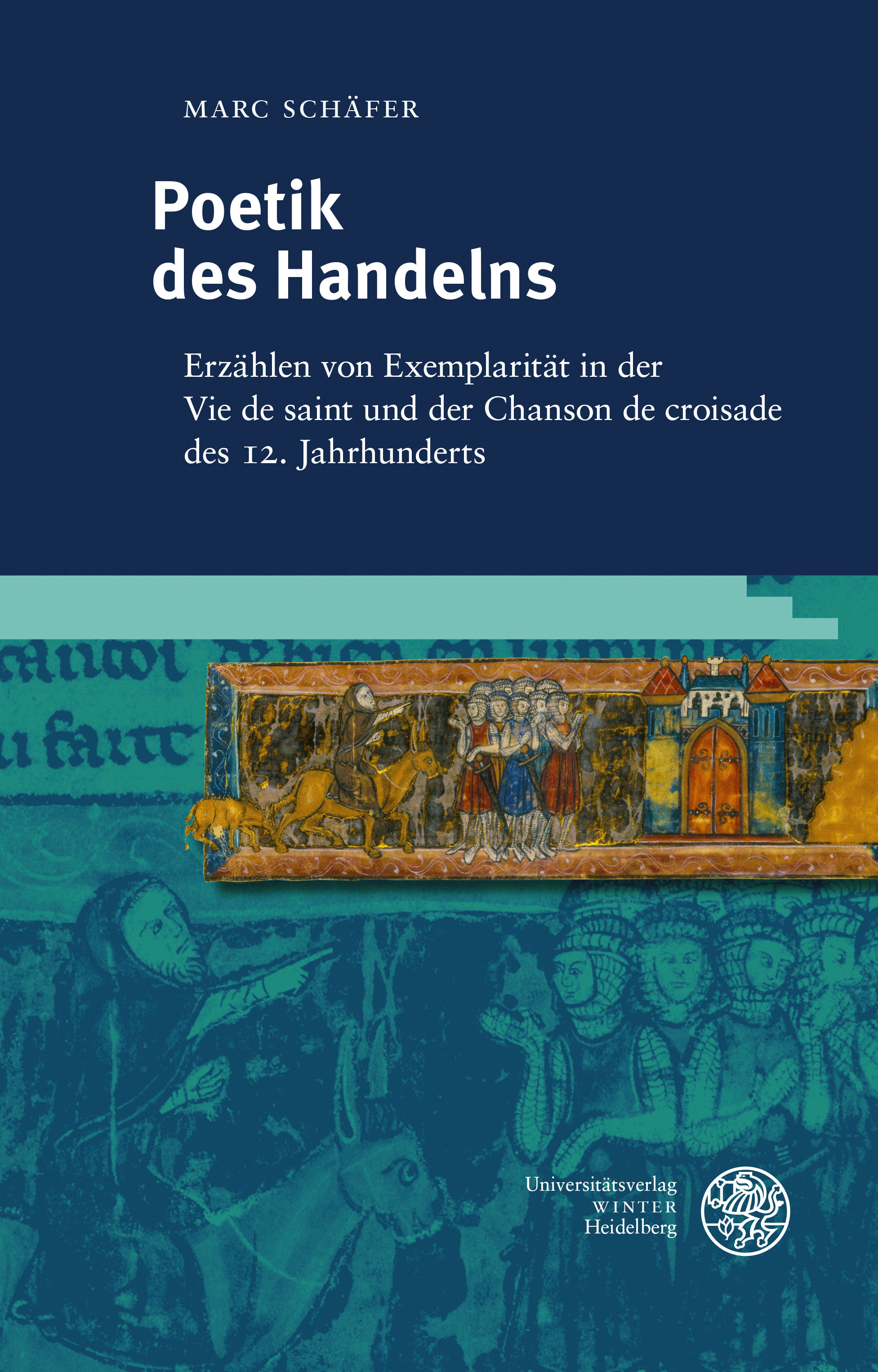 Poetik des Handelns
Erzahlen von Exemplaritat in der Vie de saint und der Chanson de croisade des 12. Jahrhunderts
 Scham und Schrift
Strategien literarischer Subjektkonstitution bei Duras, Goldschmidt und Ernaux
Volume 191
 Imaginar el pasado
Nuevas ficciones de la memoria sobre la ultima dictadura militar argentina (1976-1983)
Volume 175
 Hundert Jahre ‘Italienische Umgangssprache’
Leo Spitzer im Gesprach / Conversazioni con Leo Spitzer: a cento anni dalla pubblicazione della 'Italienische Umgangssprache'
Volume 236


 Die Logik des essayistischen Gedankens
Zur Analyse der italienischen Essayistik zwischen Fin de Siecle und Zweitem Weltkrieg vor dem Hintergrund der Gattungsgeschichte
Volume 194


 Fruhneuzeitliche Herrscherfiguren im Wandel
Das franzosische Drama als Kristallisationspunkt politischer Umbruche
Volume 178
 Periodismo y literatura en el mundo hispanohablante
continuidades - rupturas - transferencias
Volume 225
 Strategien von Autorschaft in der Romania
Zur Neukonzipierung einer Kategorie im Rahmen literatur-, kultur- und medienwissenschaftlich basierter Geschlechtertheorien
Volume 171
 Controle et escalades verbales / Control y escaladas de tension politicas
Politique et regulation au moyen de la langue / Politica y control a traves de la lengua
Volume 216


 Der lunatische Roman und die Poetik der Ambivalenz
Narratologische Untersuchungen zum Romanwerk Ermanno Cavazzonis
Volume 184

 «Solazoxa festa, stradolze e stracomplia»
Festschrift für Raymund Wilhelm zum 65. Geburtstag mit Beiträgen zu Diskurstraditionen und mittelalterlicher Philologie
Volume 249
 Das Gesetz der Serie
Konzeptionen und Praktiken des Seriellen in der italienischen Literatur
Volume 217


 Linguistic Hybridity
Contact-induced and Cognitively Motivated Grammaticalization and Lexicalization Processes in Romance Languages
Volume 232
 Die Cervantes-Adaptationen des Jean-Pierre Claris de Florian (1755-1794)
Eine Studie zum franzosisch-spanischen Literaturtransfer im spaten 18. Jahrhundert
Volume 211
 Transcrire et/ou traduire
Variation et changement linguistique dans la tradition manuscrite des textes medievaux. Actes du congres international, Klagenfurt, 15-16 novembre 2012
Volume 182
 Zwei Seiten derselben Medaille
Diskursmarkierung im konzeptuellen Spannungsfeld von Polysemie und Sprachwandel
Volume 224
 Schwert und Lyra
Eine komparatistisch-theoretische Studie zur Modellierung von Krieg in moderner (west-)europäischer Kriegslyrik aus der Feder schreibender Soldaten
Volume 248
Similar Books



 Ars Prophetica
Theology in the Poetry of Twentieth-Century Hebrew Poets Avraham Halfi, Shin Shalom, Amir Gilboa, and T. Carmi

 Between Bones and Beliefs
Human-Bird Relations in Central and Northern Europe in the First Millennium AD
Volume 4


 Cahiers de l’Association internationale des études françaises
J. M. G. Le Clézio - Enseigner les littératures francophones aujourd’hui - Récit de soi et expérience de l’illusion (XVIIe-XVIIIe siècles)
Volume 78
 Cahiers de littérature française
Les Métamorphoses du texte. Enjeux intertextuels et transpositions visuelles
Volume 25
 Cahiers de recherches médiévales et humanistes – Journal of Medieval and Humanistic Studies
Volume 51
 Cahiers de sémiotique des cultures
Ponctuation et sens. Nouvelles perspectives / Punctuation and meaning. New perspectives
Volume 6


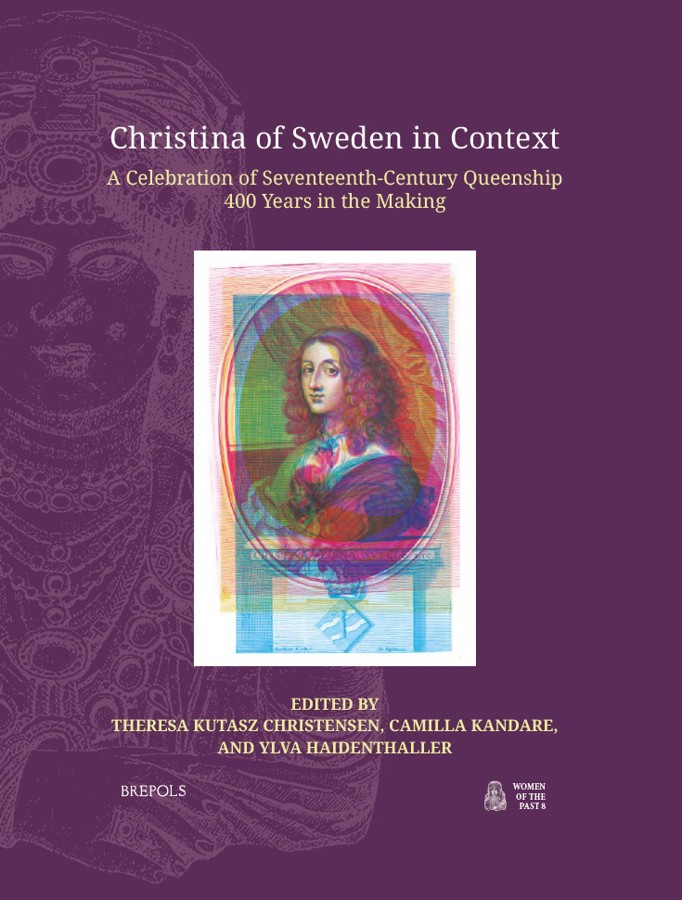 Christina of Sweden in Context
A Celebration of Seventeenth-Century Queenship 400 Years in the Making

 CompLit
Myth, Folklore and Magic in European Literatures. Critical and Contemporary Reconfigurations


 Dis/United States of Vulnerability
Literary and Cultural Transgressions in U.S. Poetry Since the 1960s
Volume 330


 Engaged Languages and Literatures / Langues et Littératures engagées
Critical Views / Regards Critiques

 European Drama and Performance Studies
Dramatisations politiques. Théâtre, politique et idéologie au XIXe siècle (1806-1914)
Volume 27


