Trust
Cement of Democracy?
edited by F.R. Ankersmit and H. Te Velde

The last twenty years have witnessed the world-wide triumph of democracy. We now know that democracy is the only political system that enables us to face the challenges of modernity and of the future. But we also know that democracy is more than democratic institutions alone. Democracy must also somehow be inscribed in the hearts of the citizens. What, then, are the socio-psychological demands of democracy? There is near to unanimous agreement that trust is decisive here: democracy can only thrive in a society of citizens prepared to trust each other and acting on the belief that mutual benefits are to be expected from co-operation. Thus far research has preferred to focus on trust between private citizens or groups of private citizens. The political dimension of trust has only rarely been addressed. The present collection of historical and theoretical studies attempts to fill this lacuna. It answers the question of why and under what circumstances citizens will trust or distrust the democratic state. It also addresses a paradox of democracy: democracy needs the ‘cement of trust’, but trust should not be given unconditionally.
The last twenty years have witnessed the world-wide triumph of democracy. We now know that democracy is the only political system that enables us to face the challenges of modernity and of the future. But we also know that democracy is more than democratic institutions alone. Democracy must also somehow be inscribed in the hearts of the citizens. What, then, are the socio-psychological demands of democracy? There is near to unanimous agreement that trust is decisive here: democracy can only thrive in a society of citizens prepared to trust each other and acting on the belief that mutual benefits are to be expected from co-operation. Thus far research has preferred to focus on trust between private citizens or groups of private citizens. The political dimension of trust has only rarely been addressed. The present collection of historical and theoretical studies attempts to fill this lacuna. It answers the question of why and under what circumstances citizens will trust or distrust the democratic state. It also addresses a paradox of democracy: democracy needs the ‘cement of trust’, but trust should not be given unconditionally.
- Edited by FR Ankersmit
- Edited by H Te Velde
Other Titles in this Series


 Commonplace Culture in Western Europe in the Early Modern Period III
Legitimation of Authority
Volume 41

 Cultural Mediators
Artists and Writers at the Crossroads of Tradition, Innovation and Reception in the Low Countries and Italy 1450-1650
Volume 31

 Lady Macbeth’s Sisters
Women's Power in Political Elites in the Transition from Monarchy to Democracy
Volume 43
 Believers in the Nation
European Religious Minorities in the Age of Nationalism (1815-1914)
Volume 52
 The Beloved Mothertongue
Ethnolinguistic Nationalism in Small Nations: Inventories and Reflections
Volume 33
 Nobilities in Europe in the Twentieth Century
Reconversion Strategies, Memory Culture, and Elite Formation
Volume 50

 Understanding Art in Antwerp
Classicising the Popular, Popularising the Classic (1540-1580)
Volume 45


 Language and Cultural Change
Aspects of the Study and Use of Language in the Later Middle Ages and the Renaissance
Volume 24
 Invisible Hands?
The Role and Status of the Painter's Journeyman in the Low Countries c.1450 - c.1650
Volume 23

 Transnationality, Internationalism and Nationhood
European Avant-Garde in the First Half of the Twentieth Century
Volume 48


Similar Books

 As Messianism Turns to Heresy
The Regenstein Chair Lectures On Lurianic Kabbalah and Shabbatai Tzevi at Hebrew Union College - Cincinnati

 Beyond Sovereign Courts
Agents and Practices in Early Modern Spanish and Habsburg Diplomacy
Volume 3




 Food Security under Armed Conflict
Global Knowledge Landscape and Public Attention to Social, Economic, and Humanitarian Dimensions

 Innovationes Lovanienses: Arts, Law and Theology at the University of Louvain (1425–1797)
Studium Lovaniense: Learning across Borders, 2
Volume 18


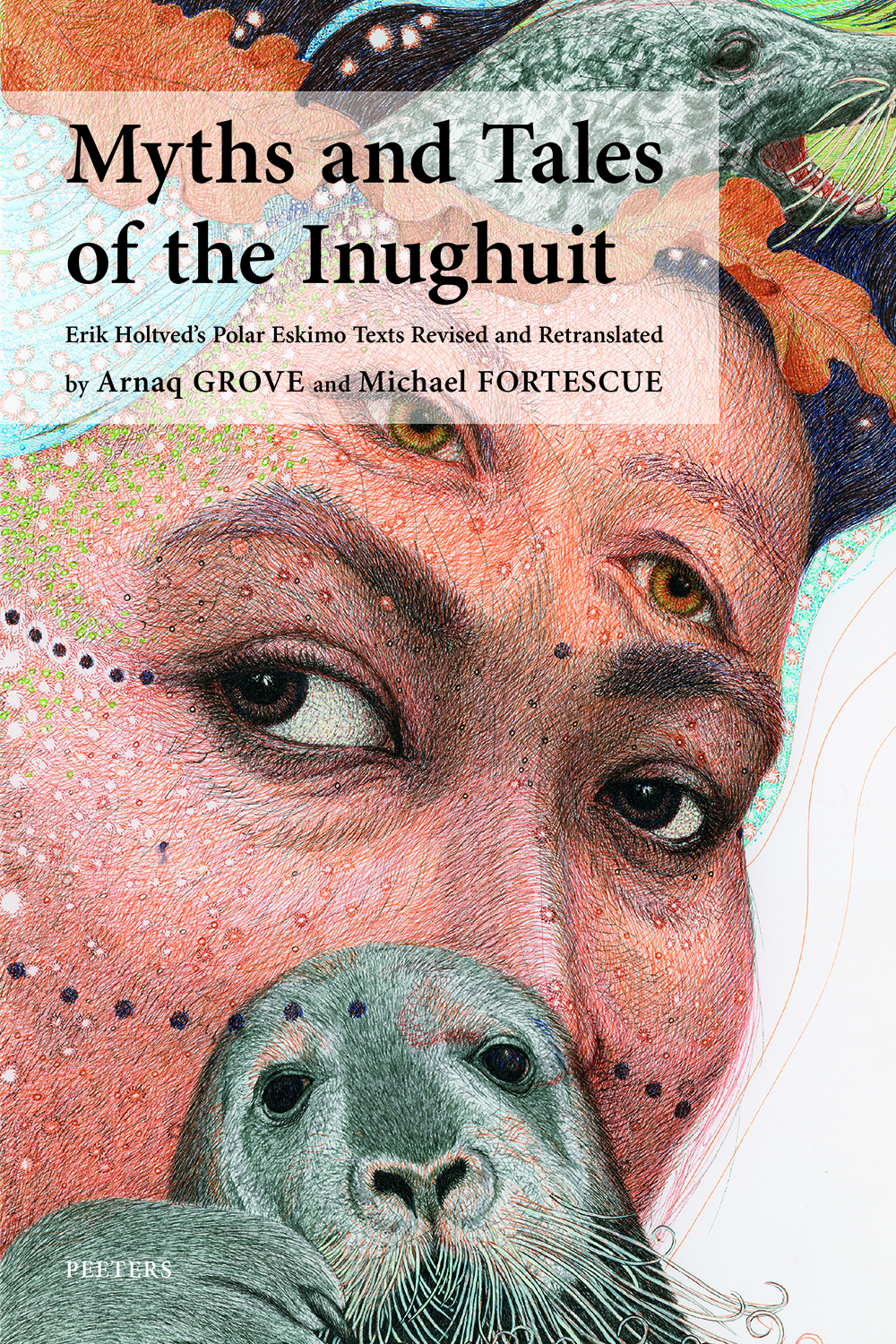 Myths and Tales of the Inughuit
Erik Holtved's Polar Eskimo Texts Revised and Re-translated into Danish and English
Volume 475, 12


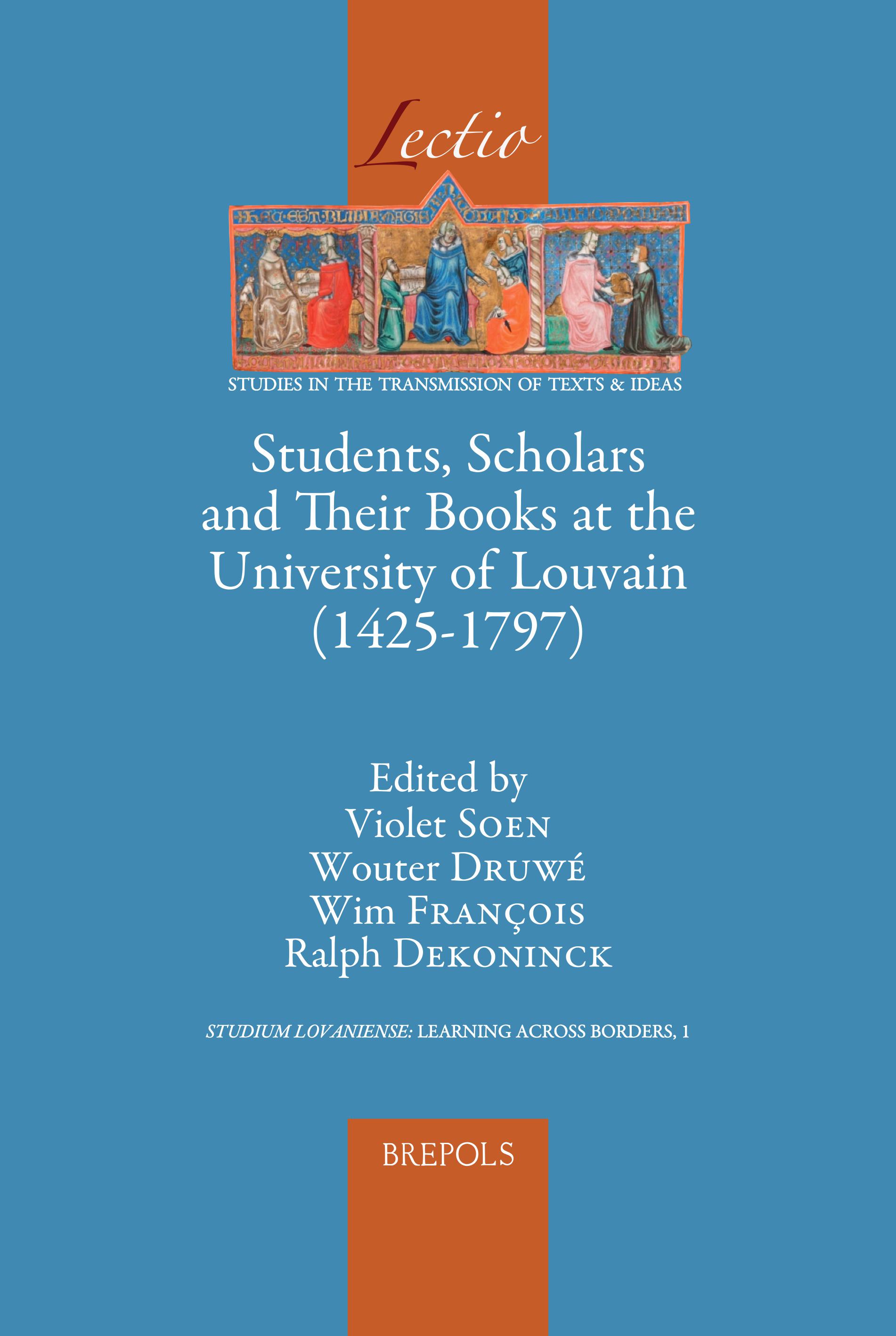 Students, Scholars and Their Books at the University of Louvain (1425-1797)
Studium Lovaniense: Learning across Borders, 1
Volume 17


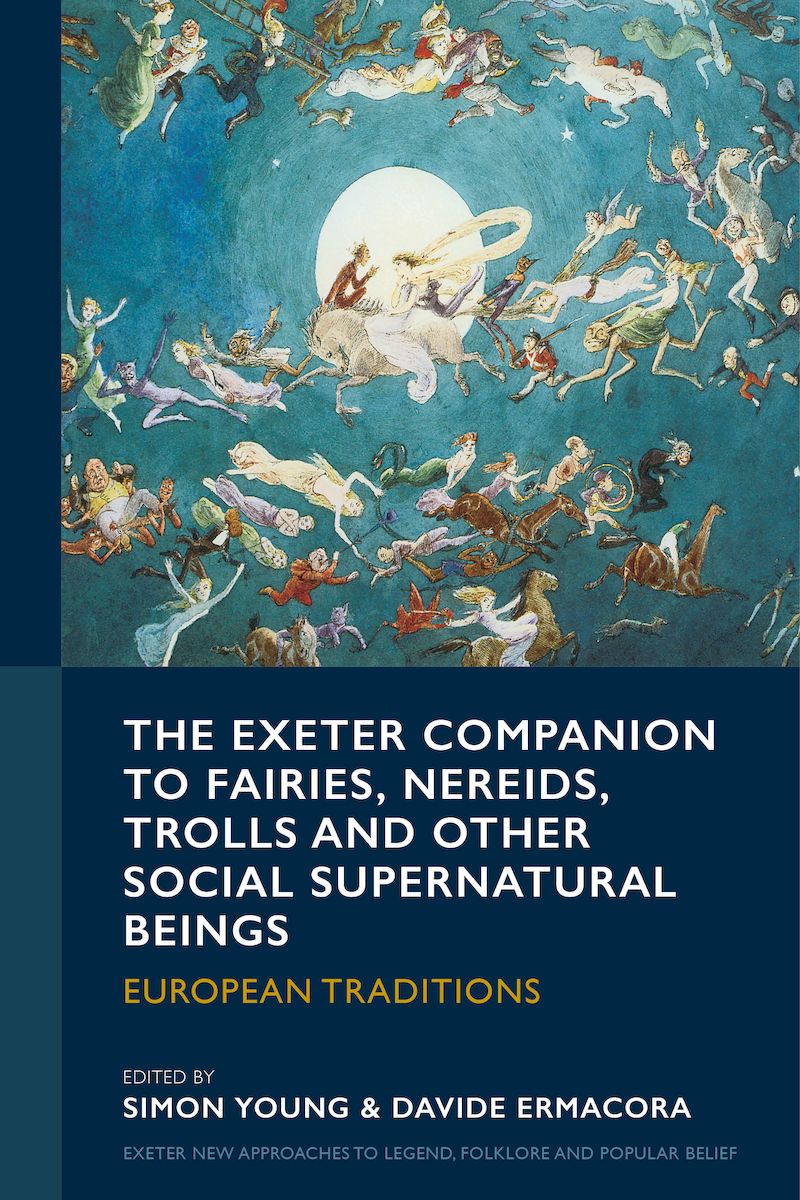 The Exeter Companion to Fairies, Nereids, Trolls and other Social Supernatural Beings
European Traditions


 The Phantom Hitchhiker
Italian Literature, Japanese Lore, and the Transnational Afterlives of a Global Ghost Story