
The Gospel as the Revelation of God’s Righteousness
Paul's Use of Isaiah in Romans 1:1-3:26
by Robert C. Olson

Paperback (Published)
(December 2016)
ISBN: 9783161548123
6.06 x 9.09 inches
Price: $137.00
In stock
Paul’s primary scriptural source in Romans 1-4 (and the epistle as a whole) is the prophecy of Isaiah and its redemptive narrative centering in the “proclamation of good news”. Paul understands the content of this good news to be the revelation of God’s righteousness in the sacrificial death of the messiah. It is the source of redemption from the power of sin and death and the basis of the everlasting (new) covenant, and hence that which effects redemptive recreation. Robert C. Olson explains how the expansive sweep of this redemptive narrative in Isaiah stretches from its allusions to the fall, to the overthrow of death and the creation of the new heavens and new earth, as Israel and the nations are at last ushered back into the presence of the glory of God. This Isaianic redemptive narrative, therefore, through Paul’s extensive citational and allusive reference to the prophecy, forms the principle scriptural and theological framework for the epistle.
- By (author) Robert C Olson
Other Titles in this Series

 John among the Other Gospels
The Reception of the Fourth Gospel in the Extra-Canonical Gospels
Volume 347


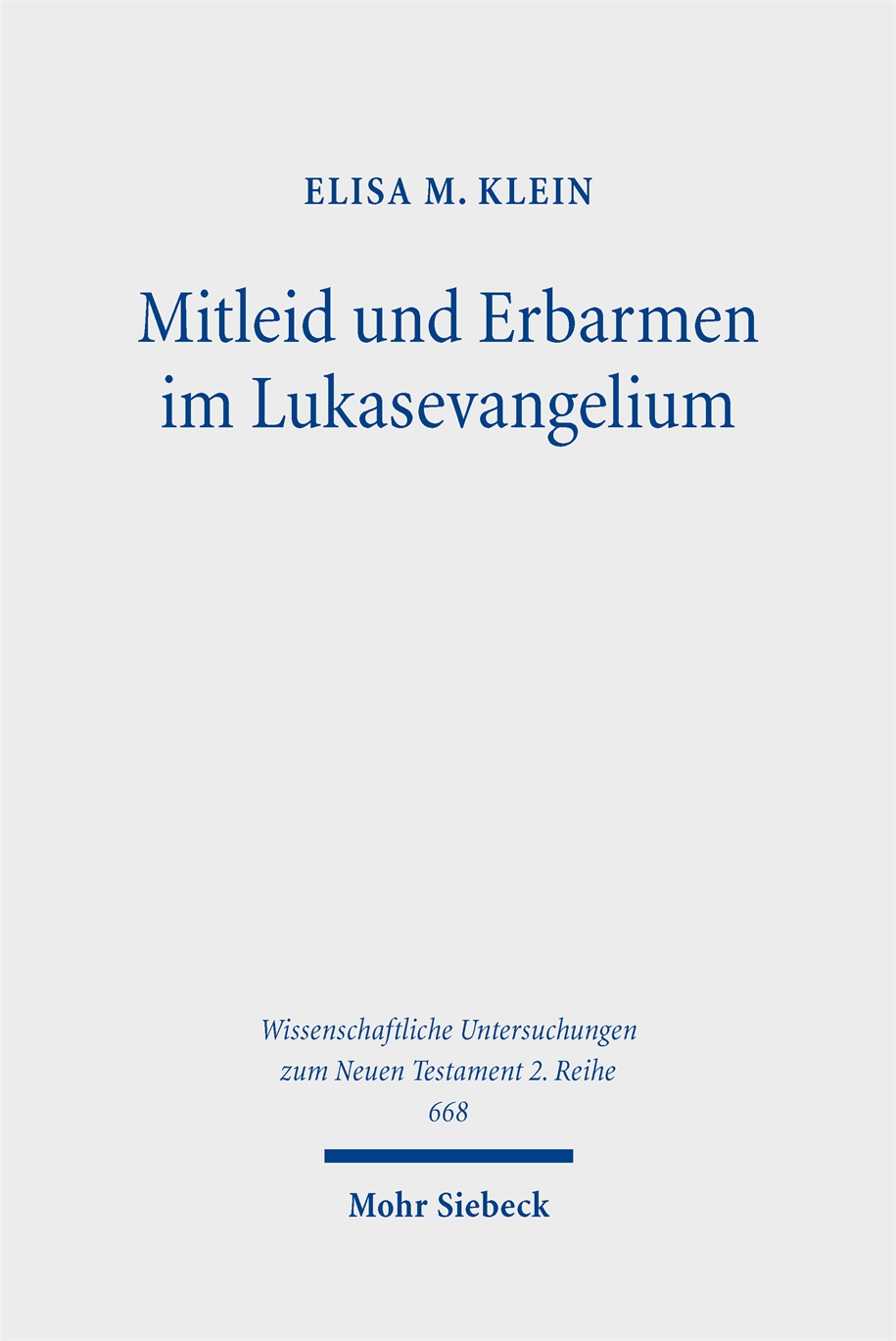 Mitleid und Erbarmen im Lukasevangelium
Ein Beitrag zu Ethik und Emotionsgeschichte des entstehenden Christentums in seinem antiken philosophischen und frühjüdischen Kontext

 Jesus as the Way to the Father in the Gospel of John
A Study of the Way Motif and John 14,6 in Its Context
Volume 584
 Creation and Christ
An Exploration of the Topic of Creation in the Epistle to the Hebrews
Volume 527
 The High Priest and the Temple
Metaphorical Depictions of Jesus in the Letters of Ignatius of Antioch
Volume 473

 Participation, Justification, and Conversion
Eastern Orthodox Interpretation of Paul and the Debate between Old and New Perspectives on Paul
Volume 442
 Temporal Dimensions of the Apocalypse
Ancient Christian Reception and Contemporary Hermeneutical Reflections

 Renaming Abraham’s Children
Election, Ethnicity, and the Interpretation of Scripture in Romans 9
Volume 421


 Die heiligen Propheten, eure Apostel und ich
Metatextuelle Studien zum zweiten Petrusbrief
Volume 300
 Animals in the Apocryphal Acts of the Apostles
The Wild Kingdom of Early Christian Literature
Volume 247
 Christologie und Existenz im Kolosserbrief
Exegetische und semantische Untersuchungen zur Intention des Kolosserbriefes
Volume 191
 Diakonia im Neuen Testament
Studien zur Semantik unter besonderer Berucksichtigung der Rolle von Frauen
Volume 226

 The Characterisation of Jesus the Davidic Shepherd in Mark’s Gospel
A Narrative Analysis through the Lens of Metalepsis
Volume 626


 “Make Disciples of All Nations”
The Appeal and Authority of Christian Faith in Hellenistic-Roman Times
 Moral Transformation in Greco-Roman Philosophy of Mind
Mapping the Moral Milieu of the Apostle Paul and his Diaspora Jewish Contemporaries
Volume 515

Similar Books


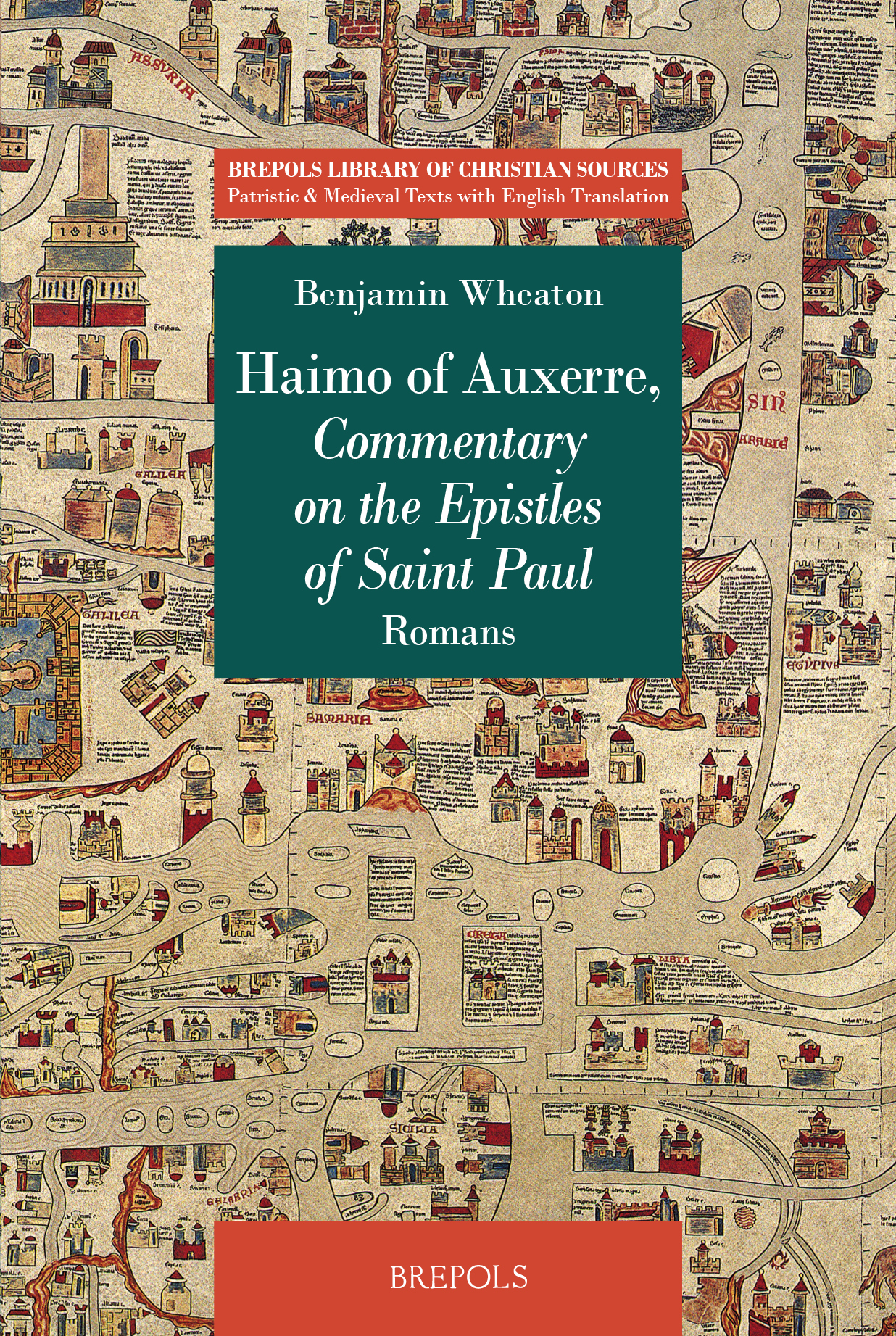


 Cyril of Alexandria’s Christological Exegesis
Explorations of Partitive Exegesis in the Dialogues on the Trinity
Volume 70
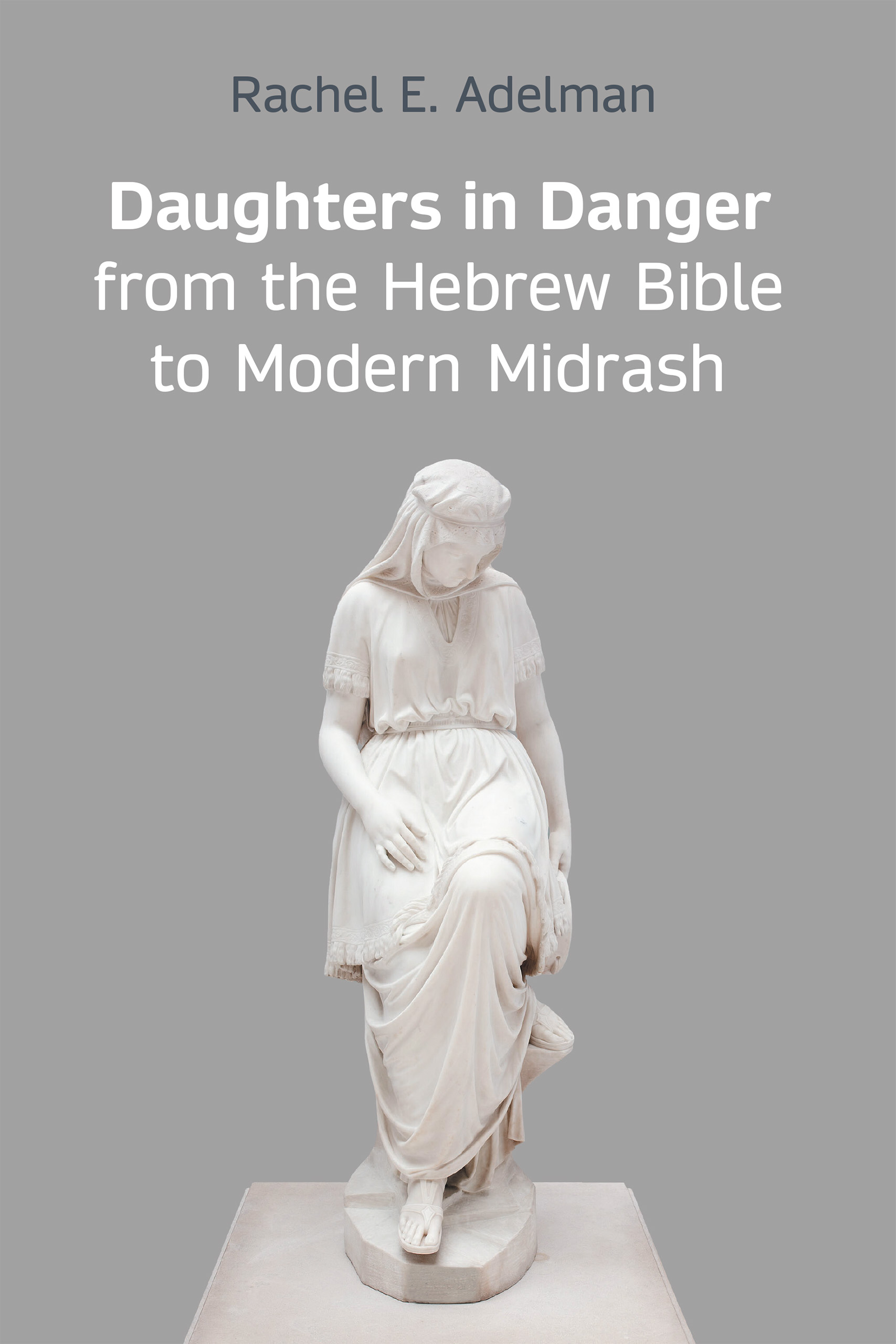


 Extracanonical Traditions and the Holy Land
Texts, Rituals, and Material Culture in Late Antique Palestine
 From Joseph to Jesus
The Joseph Narrative as a Compositional Template from Old Greek Esther to the Gospel of Luke
Volume 125


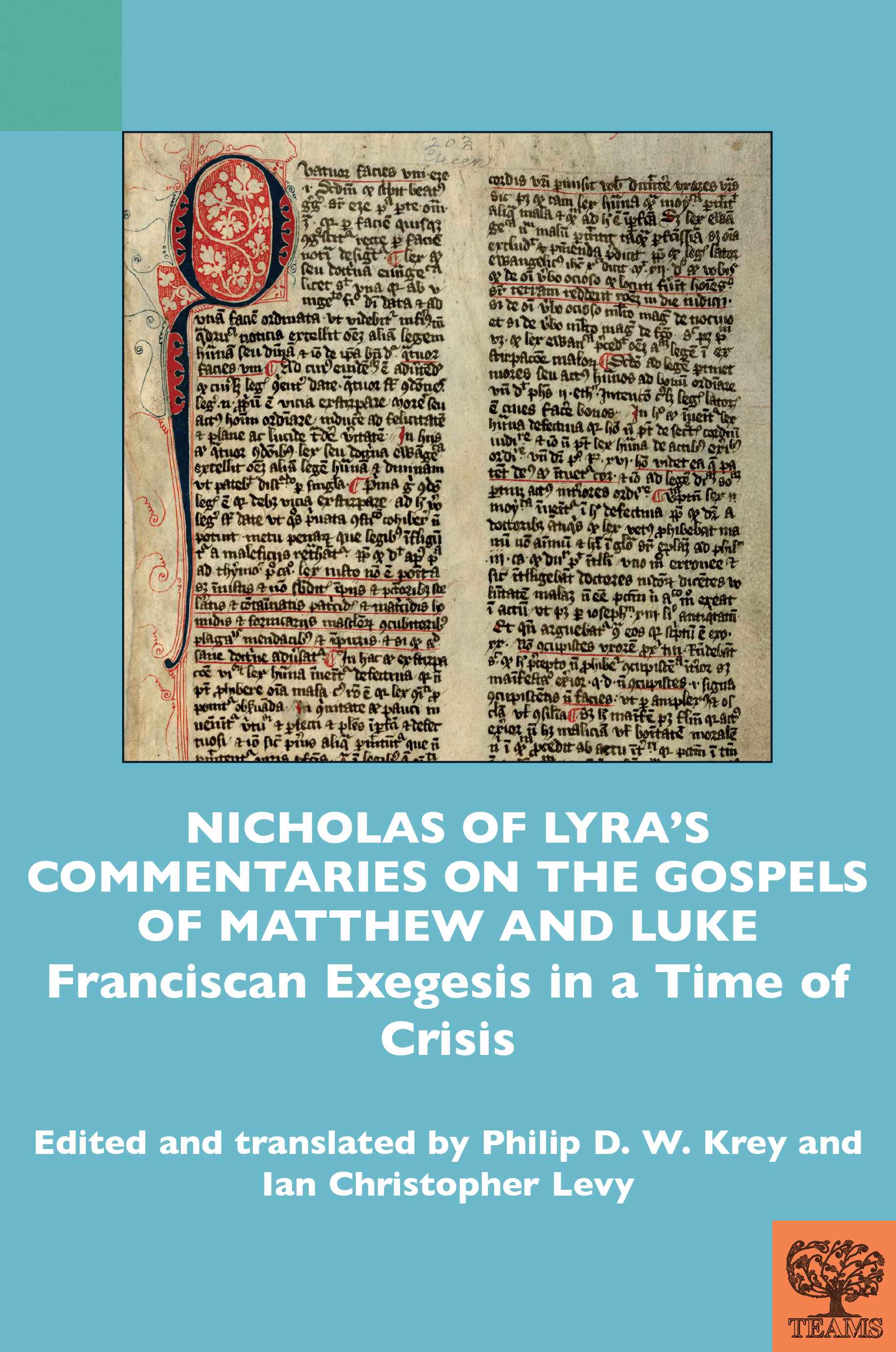 Nicholas of Lyra’s Commentaries on the Gospels of Matthew and Luke
Franciscan Exegesis in a Time of Crisis

 Punning in Odd or Elegant Constructions in Jeremiah
The Convergence of Linguistics, Rhetoric, and Textuality in the Hebrew Text of Jeremiah


 Reformed Covenantal Eudaimonism
Wilhelmus à Brakel (1635–1711) on Highest Good, Virtue, and Law
Volume 87


 The Biblical Tale of Judah and Tamar in Fourteenth-Century Iran
A Judeo-Persian Versified Account by Shāhīn with Scholarly Edition, Annotated Translation and Persian Transliteration
Volume 94, 951
 The Body
Lived, Cultured, Adorned: Essays on Dress and the Body in the Bible and Ancient Near East in Honor of Nili S. Fox






 The Therapeutae as the Best Paradigm for the Contemplative Life
A Contextual Reading of Philo of Alexandria's De Vita Contemplativa
