
The Epiphany of Hieronymus Bosch
Imagining Antichrist and Others from the Middle Ages to the Reformation
By (author) Debra Higgs Strickland

This study examines medieval Christian views of non-Christians and their changing political and theological significance as revealed in late medieval and early modern visual culture. Taking as her point of departure Hieronymus Bosch’s famous Epiphany triptych housed in the Prado Museum in Madrid, the author analyzes how representatio
This study examines medieval Christian views of non-Christians and their changing political and theological significance as revealed in late-medieval and early-modern visual culture. Taking as her point of departure Hieronymus Bosch’s famous Epiphany triptych housed in the Prado Museum in Madrid, the author analyzes how representations of Jews, Saracens (later Turks), ‘Ethiopians’, and Mongols for centuries shaped western Christian attitudes towards salvation history, contemporary political conflicts, and the declining status of the Roman Church. She argues that Bosch’s innovative pictorial warning of the coming of Antichrist and the threat posed by non-Christians gained its power and authority through intervisual references to the medieval past. Before and after Bosch, imaginative constructions that identified Jews and Turks with Gog and Magog, or the Pope with Antichrist, drew upon a long-established range of artistic and rhetorical strategies that artists and authors reconfigured as changing political circumstances demanded. Painted at a pivotal moment on the eve of the Reformation, the Prado Epiphany is a compelling lens through which to look backwards to the Middle Ages, and forwards to Martin Luther and the ideological significance of escalating Christian/non-Christian conflicts in the formation of the new Protestant church.
- By (author) Debra Higgs Strickland
Other Titles in this Series



 Late Gothic Sculpture in Northern Italy
Andrea da Giona and I Maestri Caronesi: An Addition to the Pantheon of Venetian Sculptors
 North-European Panel Paintings
A Catalogue of Netherlandish and German Paintings before 1600 in English Churches and Colleges
Volume 6


 The Architectural Drawings of Antonio da Sangallo the Younger and His Circle
Vol. III: Antiquity and Theory


 The Pilgrim’s Guide to Santiago de Compostela
A Critical Edition: Volume I, The Manuscripts and Volume II, The Text
Volume 14


Similar Books
 A Collaborative Tapestry in Honour of Shirley Ann Brown / Une fresque brodée en l’honneur de Shirley Ann Brown
The Bayeux Tapestry Seen by her Colleagues and Friends / La Tapisserie de Bayeux vue par ses collègues et amis



 Balthasar Caymox of Nuremberg
Early Modern German Print Publishers: Popular Prints of the Seventeenth Century
 Beyond Sovereign Courts
Agents and Practices in Early Modern Spanish and Habsburg Diplomacy
Volume 3

 Circulation, Use, Impact
The Consumption of Architectural Books in the Early Modern Eastern Adriatic
Volume 1


 Councils, Conflicts, Correspondence
Urban Diplomacy in Reval (Tallinn) and Lübeck (c. 1470–1570)
Volume 67


 Innovationes Lovanienses: Arts, Law and Theology at the University of Louvain (1425–1797)
Studium Lovaniense: Learning across Borders, 2
Volume 18
 Legal Visuality
Exegesis, Ambiguity, and Dissimulation of the Donation of Constantine in the Early Modern Period
 Monastic Manuscripts from the Eastern Mediterranean (Sinai, Jerusalem, Antioch)
Production, Use, and Contexts

 Naples as Laboratory / Laboratorium Neapel
Style Options, Artistic Rivalry and Self Fashioning in Neapolitan Baroque Painting / Plurale Stilbildung, Kunstlerkonkurrenz und Self Fashioning in der neapolitanischen Barockmalerei

 Nurturing the Elite
Representations of Drinking, Eating, and Religious Vessels in Palmyrene Funerary Iconography
Volume 13


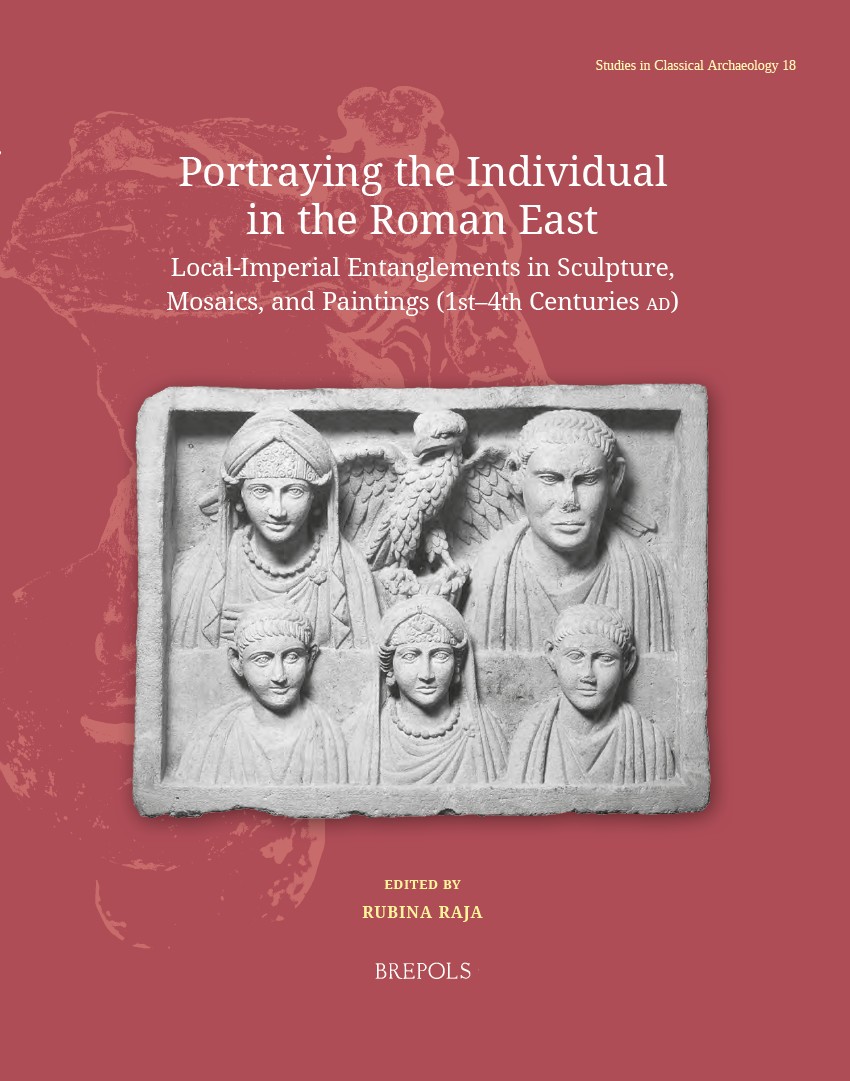 Portraying the Individual in the Roman East
Local–Imperial Entanglements in Sculpture, Mosaics, and Paintings (First–Fourth Centuries AD)
Volume 18
 Power and Women in Southeast and Central Europe in Late Medieval and Early Modern Period (1300-1600)
Volume 10


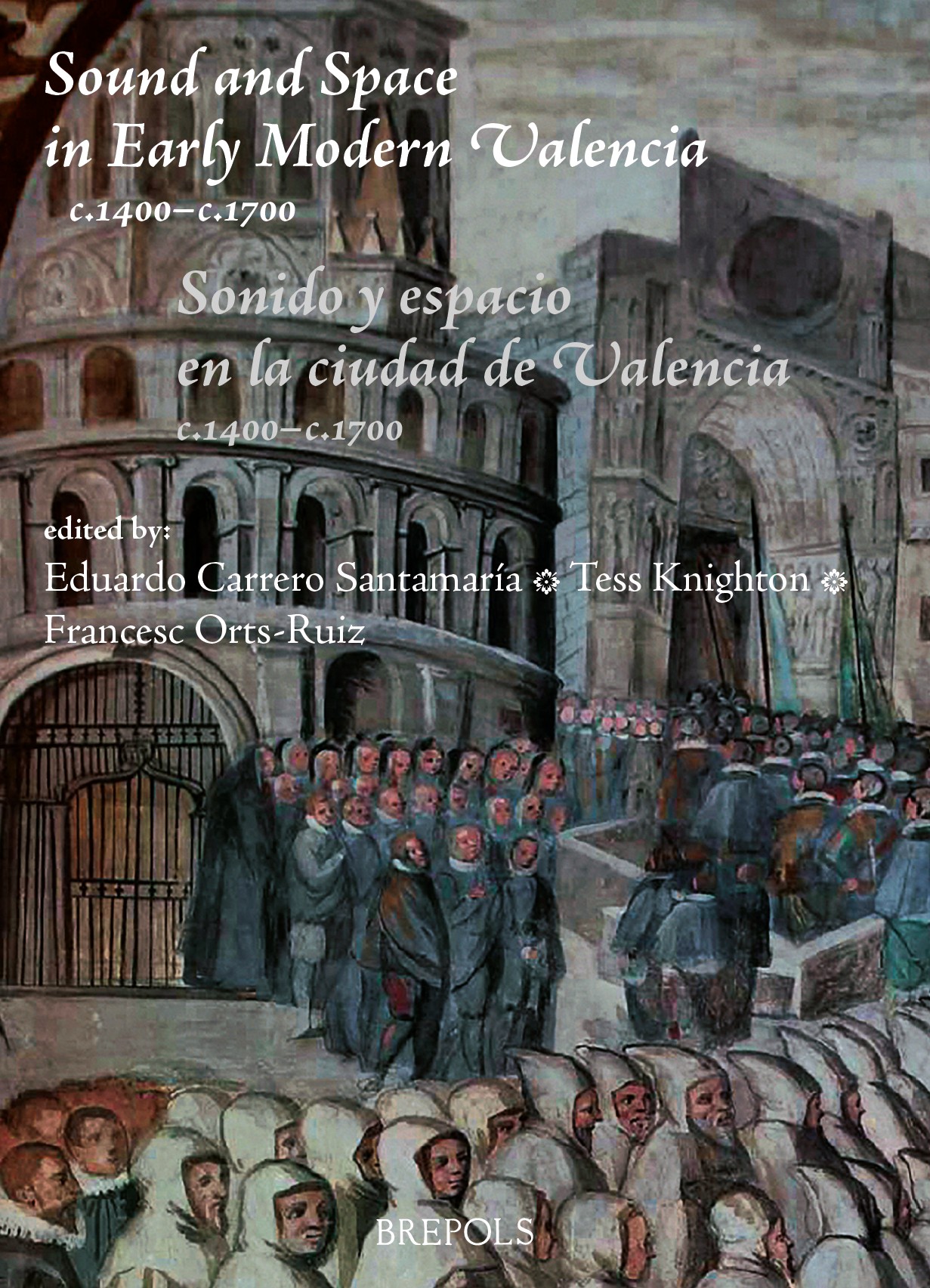
 Staging the Spectacle of Majesty
Ceremonial, Courtly Space, and Collecting under the Spanish Habsburgs
Volume 9
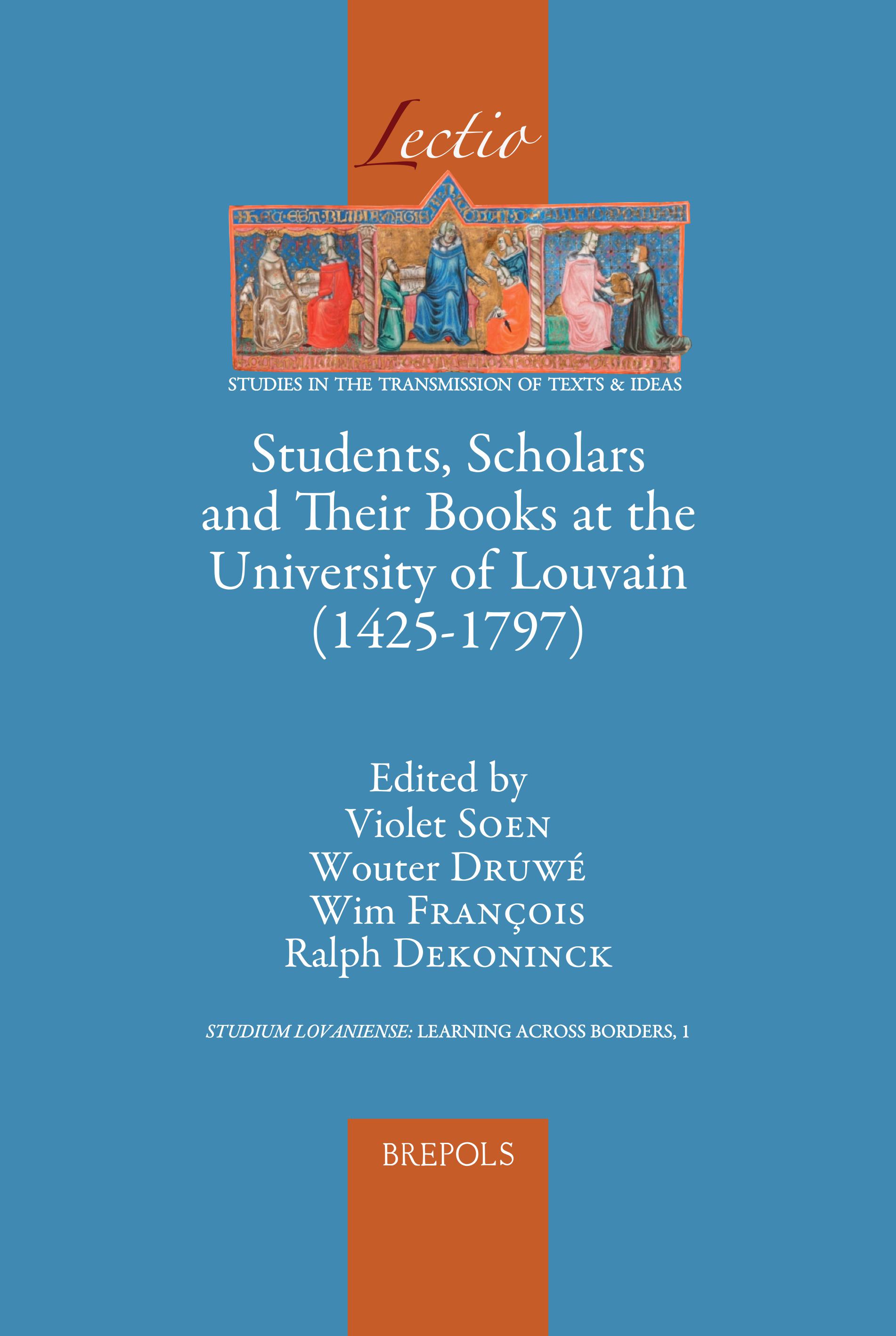 Students, Scholars and Their Books at the University of Louvain (1425-1797)
Studium Lovaniense: Learning across Borders, 1
Volume 17


 Technical Studies of Asian Art
Proceedings of the Seventh Forbes Symposium at the Freer Gallery of Art
