
The Development of Domestic Space in the Maltese Islands from the Late Middle Ages to the Second Half of the Twentieth Century
By (author) George A. Said-Zammit

Paperback (Published)
(August 2016)
ISBN: 9781784913915
8.07 x 11.46 inches
Price: $130.00
In stock
This study traces and analyses the evolution of domestic space in Maltese vernacular and ‘polite’ houses from medieval to contemporary times.
This study traces and analyses the evolution of domestic space in Maltese vernacular and ‘polite’ houses from medieval to contemporary times. The houses under review range from humble buildings of modest size, materials and design, like farmhouses or those for the less affluent towndwellers, to buildings of grand design, like townhouses and palazzi. Owing to the complex nature of the Maltese houses a combination of enquires and a variety of sources was necessary to achieve a holistic picture. This included fieldwork in different parts of the islands, extensive research work in local archives, libraries and museums, an analysis of a sample of literary sources, national censuses and works-of-art, as well as methods of spatial analysis (Space Syntax). One of the major achievements obtained in this research concerns the development of the native dwelling. The field surveys and archival research have demonstrated that the evolution of the native dwelling was very much influenced by the political, social and economic changes that occurred locally during the period under review. In particular, it was observed that architectural and stylistic changes in the elite houses occurred at a faster rate to suit fashion, in line with what occurred in other European countries, while changes in peasant houses were slower and more sporadic as these adhered to their vernacular idiom for a longer time. Houses often served as a symbol of class and social status. The dwelling’s size and architectural style, the configuration of domestic space as well as the house furniture and contents were among the main indicators which, between the late Medieval Period and the first half of the 20th century, distinguished a wealthy from a poor dwelling. Class distinction did not occur only between houses, but also within the same building, especially in the elite dwellings. Gender was also another important aspect which directly affected the upper middle and elite Maltese houses, particularly at a time when men and women had fixed roles in society. However, the restricted space by which the lower class houses were normally characterized permitted instead the mixing of genders in work and leisure. A major shift in the relationship between the family and the house occurred in the second half of the 20th century, when the social and demographic changes of this period brought more balance between the social classes. Through the available evidence, particularly the national censuses, works-of-art, literary sources and travelogues, it was also possible to acquire knowledge about various aspects related to dining fashions, dress code, health and education in the Maltese houses. The results obtained from our Space Syntax investigations have been instrumental to acquire new knowledge and to understand better the social logic of space underpinning Maltese dwellings and settlements.
Chapter 1 - Introduction
Chapter 2 - The Maltese Islands: Society, Class, Economy and Settlements
Chapter 3 - Maltese Domestic Architecture
Chapter 4 - The Maltese Houses: Literary Sources, Notarial Acts, Travelogues and the National Censuses
Chapter 5 - Maltese Houses and Settlements Through the Artist's Eye
Chapter 6 - Religious Beliefs and Traditions
Chapter 7 - Diet, Dining Fashions, Health and Education
Chapter 8 - Furniture and Costumes
Chapter 10 - Decoding Maltese Houses and Settlements
Chapter 11 - The Development of the Maltese Houses since the Second Half of the Twentieth Century
Chapter 12 - Concluding Remarks
Bibliography
Appendix 1 - The Malta Historic House Survey
Appendix 2 - Glossary of Terms
- By (author) George A. Said-Zammit
Similar Books

 Caesar’s Visions and Impact on the Roman Empire
Revisiting the Archaeological and Historical Record of the 40s BC
Volume 2


 Etruscan and Roman Hellenistic Anatomical ex votos
Reassessing Popular Religious Expressions in Central Italy
Volume 8


 Invisible Labour in Antiquity
Visualizing Obscure Work in the Ancient Mediterannean and West Asia
Volume 1
 Late Antique villae in the Balkans (3rd–7th c. AD): Current Research Questions and Perspectives
HAEMUS Companion to the Late Antique Balkans 1
Volume 4


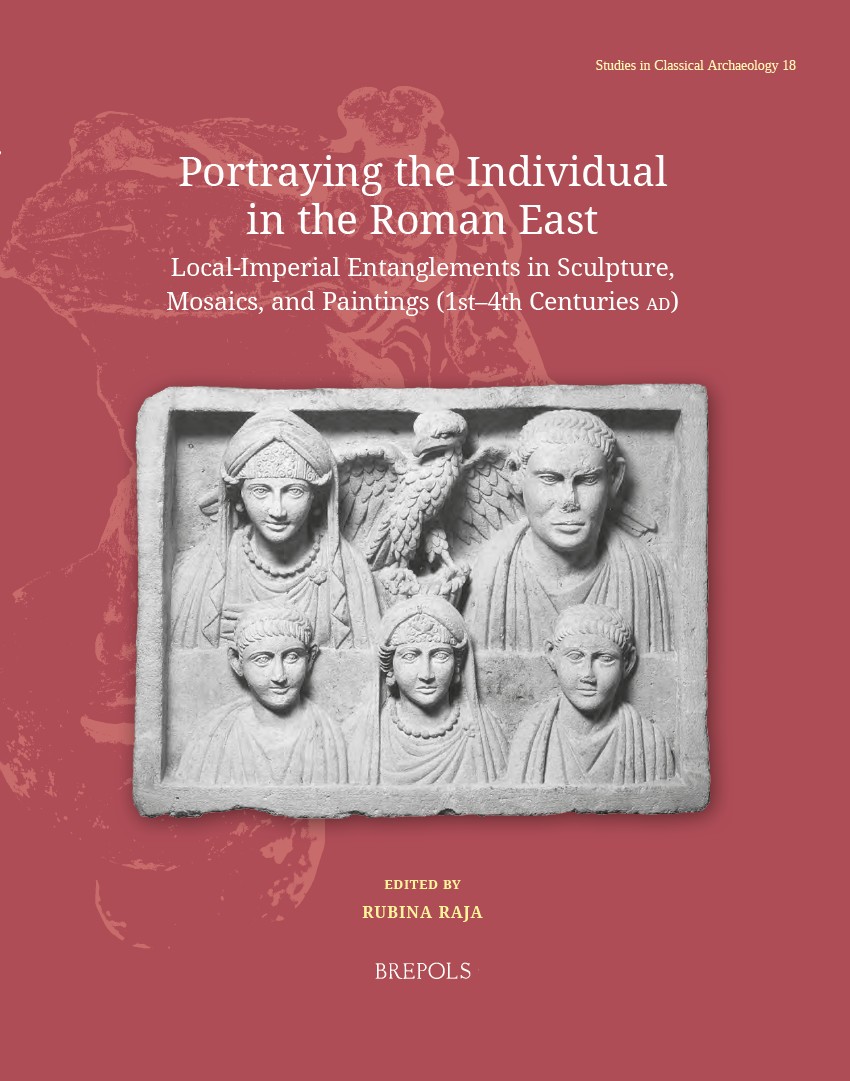 Portraying the Individual in the Roman East
Local–Imperial Entanglements in Sculpture, Mosaics, and Paintings (First–Fourth Centuries AD)
Volume 18

 Small Worlds and Relational Agencies: Local Societies in Early Medieval Iberia
Pequeños mundos y Agencias relacionales: Sociedades locales altomedievales en la Península Ibérica

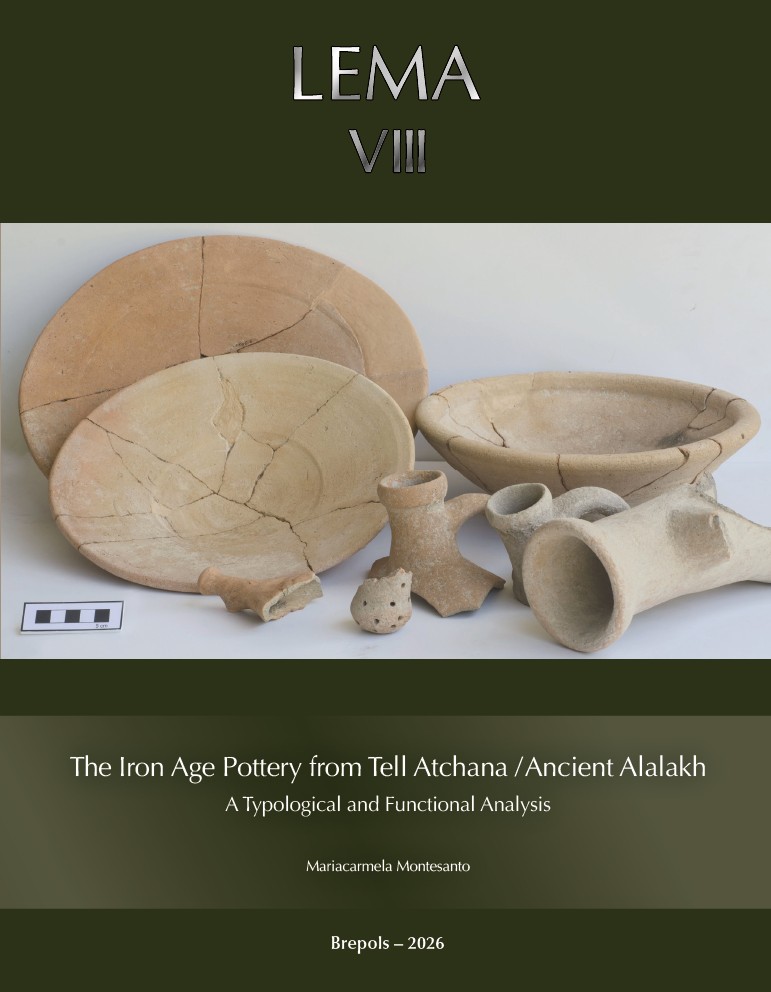 The Iron Age Pottery from Tell Atchana / Ancient Alalakh
A Typological and Functional Analysis
Volume 8

 Writing in the Church of the Nativity in Bethlehem
Inscription and Graffiti in a Multilingual and Multigraphic Perspective
Volume 45


 Atlante tematico di topografia antica 36-2026
Urbanistica e monumenti, porti, Roma. Ricerche sui monti Aurunci
Volume 36
 Cerámica común romana y ciclo haliéutico
Análisis de los contextos de las cetariae de Iulia Traducta

 Nuove scoperte e progressi nelle metodologie di rilievo e analisi dell’arte rupestre post-paleolitica in Italia
New discoveries and progress in the tracing and analysis methodologies of the post-Paleolithic rock art in Italy


 A Dramatic Event in Late Roman Florence
The Anomalous Burial Site Discovered beneath the Uffizi Gallery

 Alexander the Great and the Campaign of Gaugamela
New Research on Topography and Chronology. IAMNI 1 (Italian Archaeological Mission to Northern Iraq)
Volume 53


 Ceramic Finds in Context (Roman to Early Islamic Times)
Final Publications from the Danish-German Jerash Northwest Quarter Project VII
Volume 13