
The Bone and Ivory Objects from Gordion
By (author) Phoebe A Sheftel

Hardback (Published)
(July 2023)
ISBN: 9781949057171
8.46 x 10.98 inches
Price: $120.00
In stock
Gordion is a paramount site for understanding the culture of central Anatolia over more than 3,000 years, from the Bronze Age to the Medieval period, but is most renowned for its Iron Age horizon, when it was royal capital of the mighty Phrygian kingdom. The hundreds of bone and ivory artifacts excavated at Gordion constitute a highly diverse body of material, and this publication presents one of the largest and most important assemblages of its kind in the Near East. The artifacts give remarkable insight into the tools used in crafts and manufacturing processes, a variety of decorative items, the artistic developments among local craftspeople, as well as indications of trading connections with other regions to the east and west. Ivory was a highly valued material used for decorative pieces in many areas around the eastern Mediterranean. The objects from Gordion are a significant addition to this corpus and illustrate both widely dispersed features common in other contemporary ivory-working centers, as well as the singular motifs and styles that developed in the Phrygian milieu. A unique assemblage of ivory horse trappings from the Early Phrygian Citadel are an important illustration of this cultural confluence. While bone was primarily used for strictly utilitarian objects, there are numerous pieces that show this lowly material could be used for high quality items such as inlays set into the wooden furniture exceptionally attested at Gordion. Even the sheep knuckle bone (astragal), decorated with incised designs and letters, gives a glimpse into the daily life in the community.
- By (author) Phoebe A Sheftel
Similar Books




 Caesar’s Visions and Impact on the Roman Empire
Revisiting the Archaeological and Historical Record of the 40s BC
Volume 2

 Connecting the Dots: Counting, Writing, and the Beginnings of Civilization
The Secret Lives of Clay Tokens: A Memoir



 Etruscan and Roman Hellenistic Anatomical ex votos
Reassessing Popular Religious Expressions in Central Italy
Volume 8

 Exploring Gender Dynamics across the Ancient Near East
Collected Essays of Gender and Methodology in the Ancient Near East (GeMANE) 4 and 5
Volume 7


 Ḫattušaš utnē išḫameški
Hittite and Other Ancient Near Eastern Studies Presented to Piotr Taracha on the Occasion of His 65th Birthday



 Invisible Labour in Antiquity
Visualizing Obscure Work in the Ancient Mediterannean and West Asia
Volume 1

 Late Antique villae in the Balkans (3rd–7th c. AD): Current Research Questions and Perspectives
HAEMUS Companion to the Late Antique Balkans 1
Volume 4

 New Research on Old Collections in Southwest Asian Archaeology
Proceedings of the Workshop Held at the British Museum, London, 31 July – 2 August, 2023
 Old Aramaic Inscriptions and their Contexts
An Epigraphic, Archaeological, and Historical Synthesis
Volume 63


 Portraying the Individual in the Roman East
Local–Imperial Entanglements in Sculpture, Mosaics, and Paintings (First–Fourth Centuries AD)
Volume 18
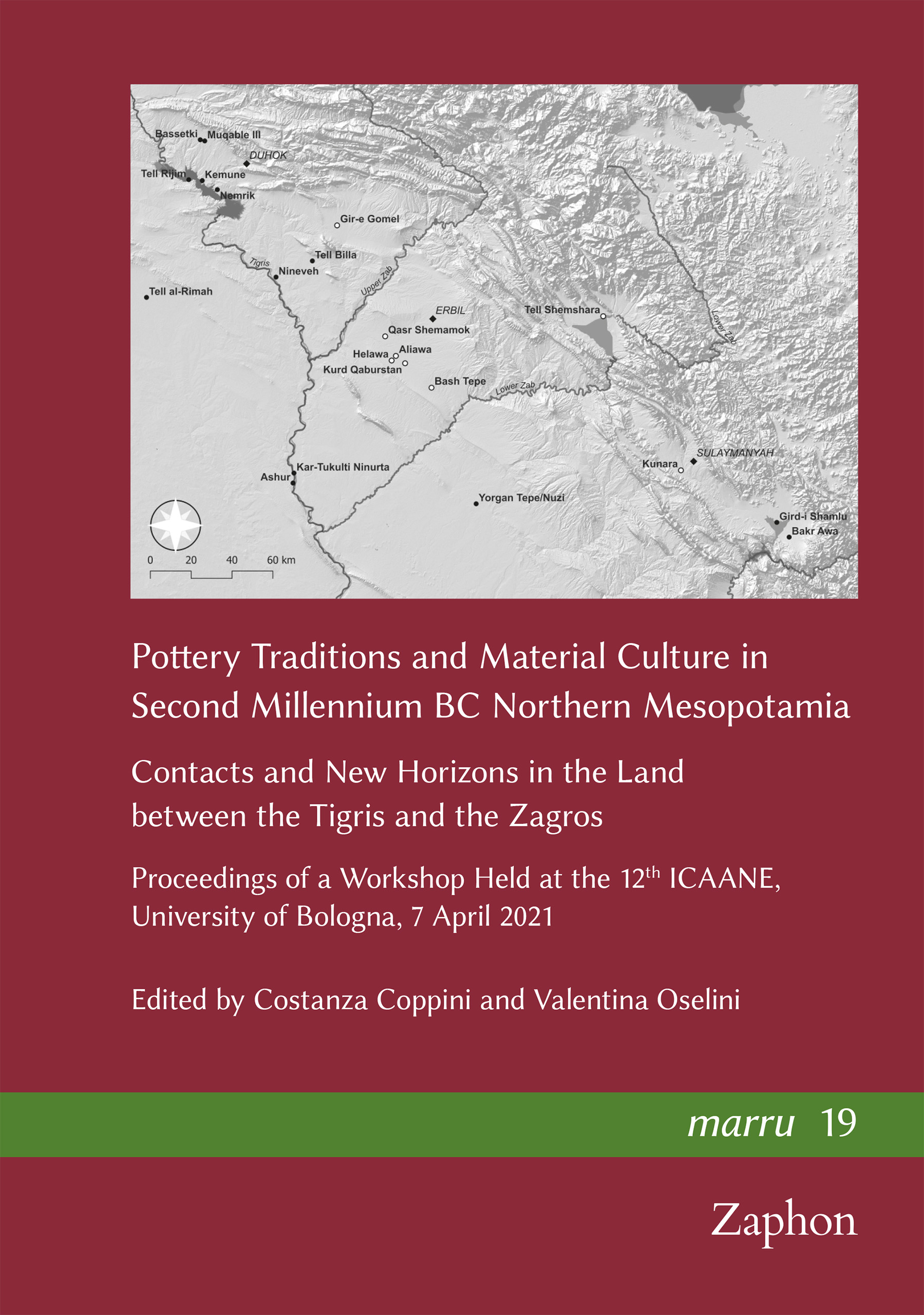 Pottery Traditions and Material Culture in Second Millennium BC Northern Mesopotamia
Contacts and New Horizons in the Land between the Tigris and the Zagros. Proceedings of a Workshop Held at the 12th ICAANE, University of Bologna, 7 April 2021
Volume 19
 Punning in Odd or Elegant Constructions in Jeremiah
The Convergence of Linguistics, Rhetoric, and Textuality in the Hebrew Text of Jeremiah

 Shame in the Worlds of the Hebrew Bible and Akkadian Texts
A Linguistic Study and Its Implications
Volume 33
 Small Worlds and Relational Agencies: Local Societies in Early Medieval Iberia
Pequeños mundos y Agencias relacionales: Sociedades locales altomedievales en la Península Ibérica
 Telling Contexts
Archaeological and Textual Studies in Honor of Elizabeth Bloch-Smith and Mark S. Smith
 The Body
Lived, Cultured, Adorned: Essays on Dress and the Body in the Bible and Ancient Near East in Honor of Nili S. Fox
 The Discourse of Rites
Shaping and Reshaping the (Counter-)Priestly Rituals Conducted Outside the Tabernacle
