
The Boke of Keruynge (The Book of Carving)
by Wynken de Worde and edited by Peter Brears

Wynken de Worde’s elegant black-letter handbook, long out of print, remains a major source of information on the serving and eating of meals and feasts in the great houses of late medieval and early Tudor England. Southover’s reprint carries a facsimile of the original text from Cambridge University Library, with a modern interpretation facing each page. The book explains in detail the intricate rituals of setting and waiting at table, how to prepare the dishes to be served and exactly what was eaten at different times of the year, and was written as an instruction manual for well-born boys as part of their early education. It also tells the reader how to carve meat, fowls and fish and to sauce each dish with its appropriate accompaniments, some of them very sophisticated. A description is included of the chamberlain’s duties in his lord’s chamber, dressing him and preparing him for church, and for bed. There is an interesting section on the order of precedence on feast days and great occasions. Peter Brears writes an Introduction and provides a glossary and drawings to explain the complicated rituals, including the arrangement of cloths before and at the end of meals. His research into traditional domestic life, combined with extensive experience of cooking authentic meals in historic properties, has given him a unique knowledge of English food history. He was for twenty years director of York Castle as well as of Leeds City Museums. His books include The Gentlewoman’s Kitchen (1984); Traditional Food in Yorkshire (1987); All the King’s Cooks (1999), and The Compleat Housekeeper (2000).
Wynkyn de Worde was born in Alsace and came to England in 1476. He was a printer and publisher in London known for his work with William Caxton, and is recognized as the first to popularize the products of the printing press in England. He died in 1534. Peter Brears was born and educated in Yorkshire. He was Keeper of Folk Life for Hampshire County Museums and Director of York Castle and Leeds City Museums for 20 years. His books include All the King’s Cooks (1999) and The Compleat Housekeeper (2000).
- By (author) Wynken de Worde
- Edited by Peter Brears
Other Titles in this Series




Similar Books


 Balthasar Caymox of Nuremberg
Early Modern German Print Publishers: Popular Prints of the Seventeenth Century

 Beyond Sovereign Courts
Agents and Practices in Early Modern Spanish and Habsburg Diplomacy
Volume 3

 Circulation, Use, Impact
The Consumption of Architectural Books in the Early Modern Eastern Adriatic
Volume 1

 Councils, Conflicts, Correspondence
Urban Diplomacy in Reval (Tallinn) and Lübeck (c. 1470–1570)
Volume 67




 Homo-Politicus in the Balkans
Early Modern Southeast European History in Imperial and Regional Context

 Innovationes Lovanienses: Arts, Law and Theology at the University of Louvain (1425–1797)
Studium Lovaniense: Learning across Borders, 2
Volume 18
 Legal Visuality
Exegesis, Ambiguity, and Dissimulation of the Donation of Constantine in the Early Modern Period

 Naples as Laboratory / Laboratorium Neapel
Style Options, Artistic Rivalry and Self Fashioning in Neapolitan Baroque Painting / Plurale Stilbildung, Kunstlerkonkurrenz und Self Fashioning in der neapolitanischen Barockmalerei

 Power and Women in Southeast and Central Europe in Late Medieval and Early Modern Period (1300-1600)
Volume 10



 Staging the Spectacle of Majesty
Ceremonial, Courtly Space, and Collecting under the Spanish Habsburgs
Volume 9
 Students, Scholars and Their Books at the University of Louvain (1425-1797)
Studium Lovaniense: Learning across Borders, 1
Volume 17


 The Embodied Court in the Premodern World
Understanding the Physicality, Performativity and Lifecycle of Bodies at Court in Europe and Beyond, 1400-1800
Volume 4
 The Sacred and the Secular in Renaissance Florence
Vallombrosan Exorcisms and the Rise of Observant Mendicancy
Volume 31
 Tradition, Interpretation, and Change
Developments in the Liturgy of Medieval and Early Modern Ashkenaz

 wunder in Serie
 Der Rezipient ist im Werk
Differenzerfahrung und Adressatenbezug in Reisedarstellungen des 15.–18. Jahrhunderts
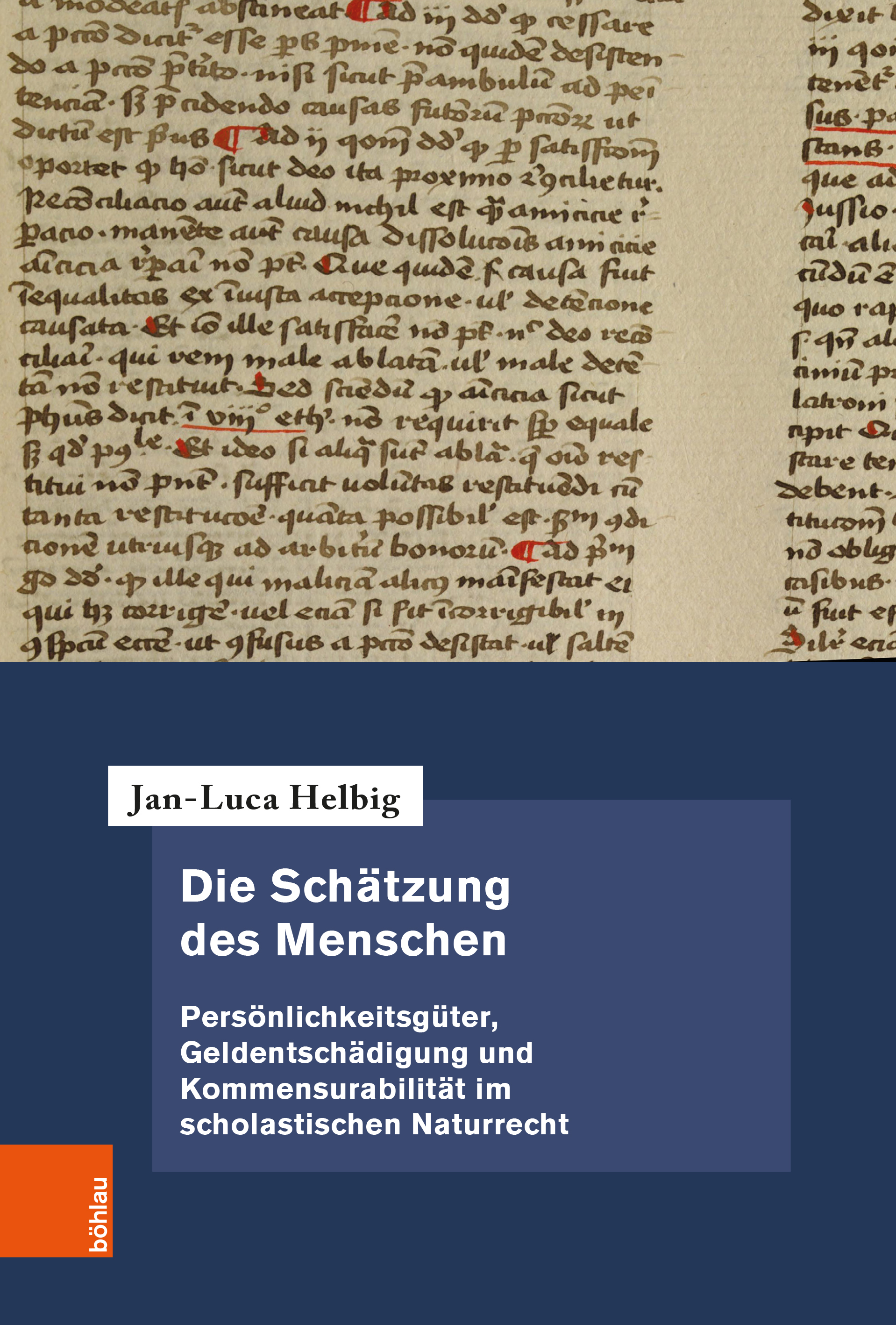 Die Schätzung des Menschen
Persönlichkeitsgüter, Geldentschädigung und Kommensurabilität im scholastischen Naturrecht