
Tell el-Iswid 2010-2018
Les occupations naqadiennes du secteur 4
Edited by Beatrix Midant-Reynes Edited by Nathalie Buchez

This second volume of the Tell el-Iswid excavations is devoted to the Naqada period remains in sector 4. It concerns a mud-brick building, dating essentially to the Naqada III A-B period. Three major phases of transformation were detected. The best represented is phase 2, which was reworked several times. Particular attention was paid to the structures which were burned. These architectural transformations are mirrored by changes in material culture (ceramics, lithic industry, small finds) in connection with data relating to the subsistence economy (fauna and plant micro-remains). Ceramics have been studied according to new approaches, in which classifications are based primarily on manufacturing techniques and the reconstruction of the ” chaine operatoire “, which makes it possible to better understand cultural identities and to go beyond the essentially chronological aims of traditional morpho-stylistic classifications. The work presented here is part of the review of data from excavations at the neighboring site of Tell el-Farkha and at Bouto in the western Delta. They contribute to shedding new light from the Delta on the socio-cultural transformations that affected the whole Nile valley in the last third of the 4th millennium BC.
This second volume of the Tell el-Iswid excavations is devoted to the Naqada period remains in sector 4. It concerns a mud-brick building, dating essentially to the Naqada III A-B period. Three major phases of transformation were detected. The best represented is phase 2, which was reworked several times. Particular attention was paid to the structures which were burned. These architectural transformations are mirrored by changes in material culture (ceramics, lithic industry, small finds) in connection with data relating to the subsistence economy (fauna and plant micro-remains). Ceramics have been studied according to new approaches, in which classifications are based primarily on manufacturing techniques and the reconstruction of the ” chaine operatoire “, which makes it possible to better understand cultural identities and to go beyond the essentially chronological aims of traditional morpho-stylistic classifications. The work presented here is part of the review of data from excavations at the neighboring site of Tell el-Farkha and at Bouto in the western Delta. They contribute to shedding new light from the Delta on the socio-cultural transformations that affected the whole Nile valley in the last third of the 4th millennium BC.
- Edited by Beatrix Midant-Reynes
- Edited by Nathalie Buchez
Other Titles in this Series
 Ports & Fortifications in the Muslim World
Coastal Military Architecture from the Arab Conquest to the Ottoman Period
Volume 85
 Du côté de chez Zeus
Fouilles de la Mission archéologique française du désert Oriental à Abû Qurayya (Dios) et Bi’r Bayza (y inclus O.Dios I 1-67)
Volume 98



 Mirgissa V
Les empreintes de sceaux. Apercu sur l'administration de la Basse Nubie au Moyen Empire
Volume 80
 Ostraca de Krokodilo II
La correspondance privee et les reseaux personnels de Philokles, Apollos et Ischyras
Volume 81



Similar Books


 Caesar’s Visions and Impact on the Roman Empire
Revisiting the Archaeological and Historical Record of the 40s BC
Volume 2

 Construction Processes in Historical Western Societies (5th c. BC – 10th c. AD)
Case Studies on Techniques, Models, and Costs
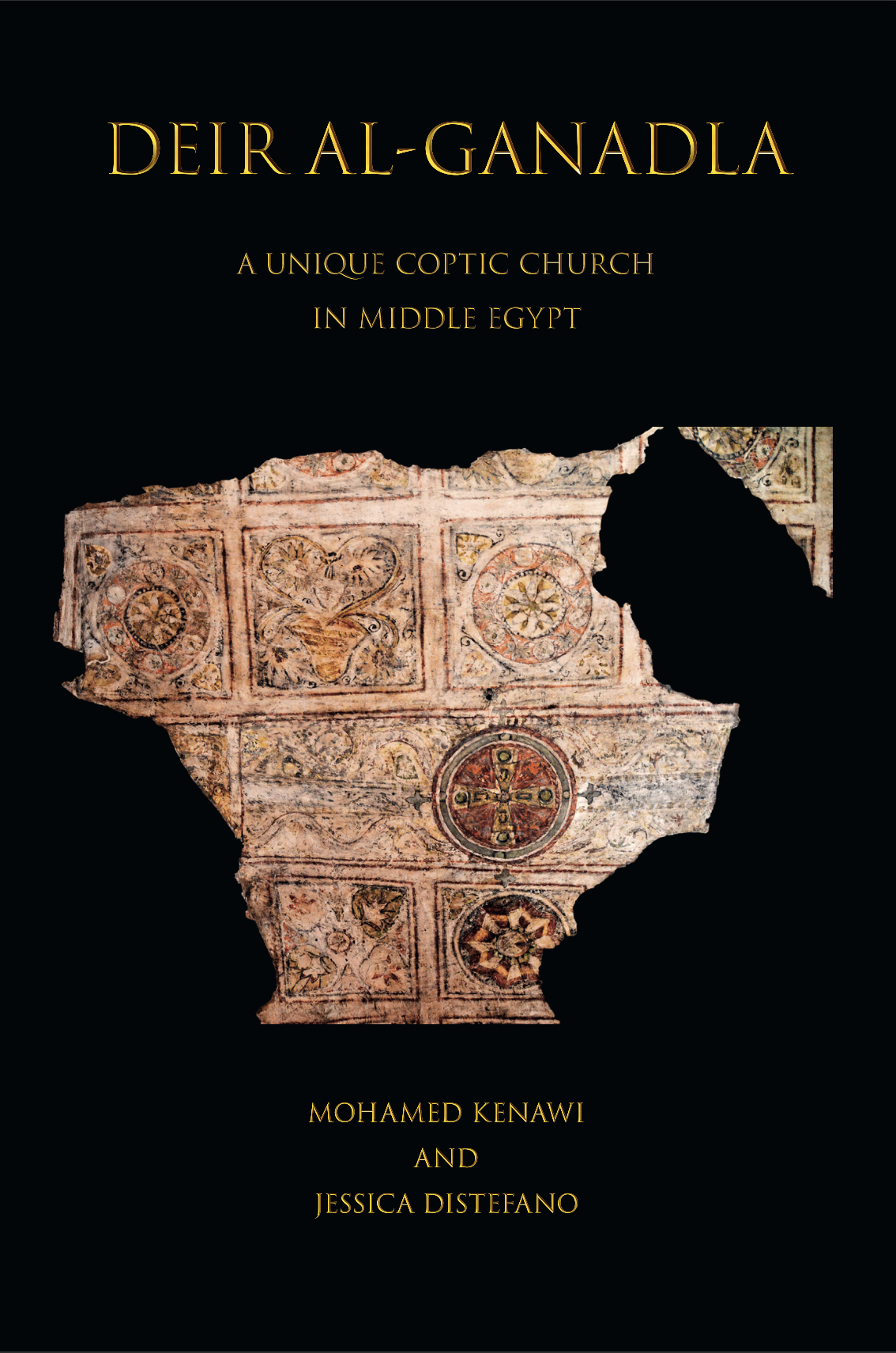


 Etruscan and Roman Hellenistic Anatomical ex votos
Reassessing Popular Religious Expressions in Central Italy
Volume 8




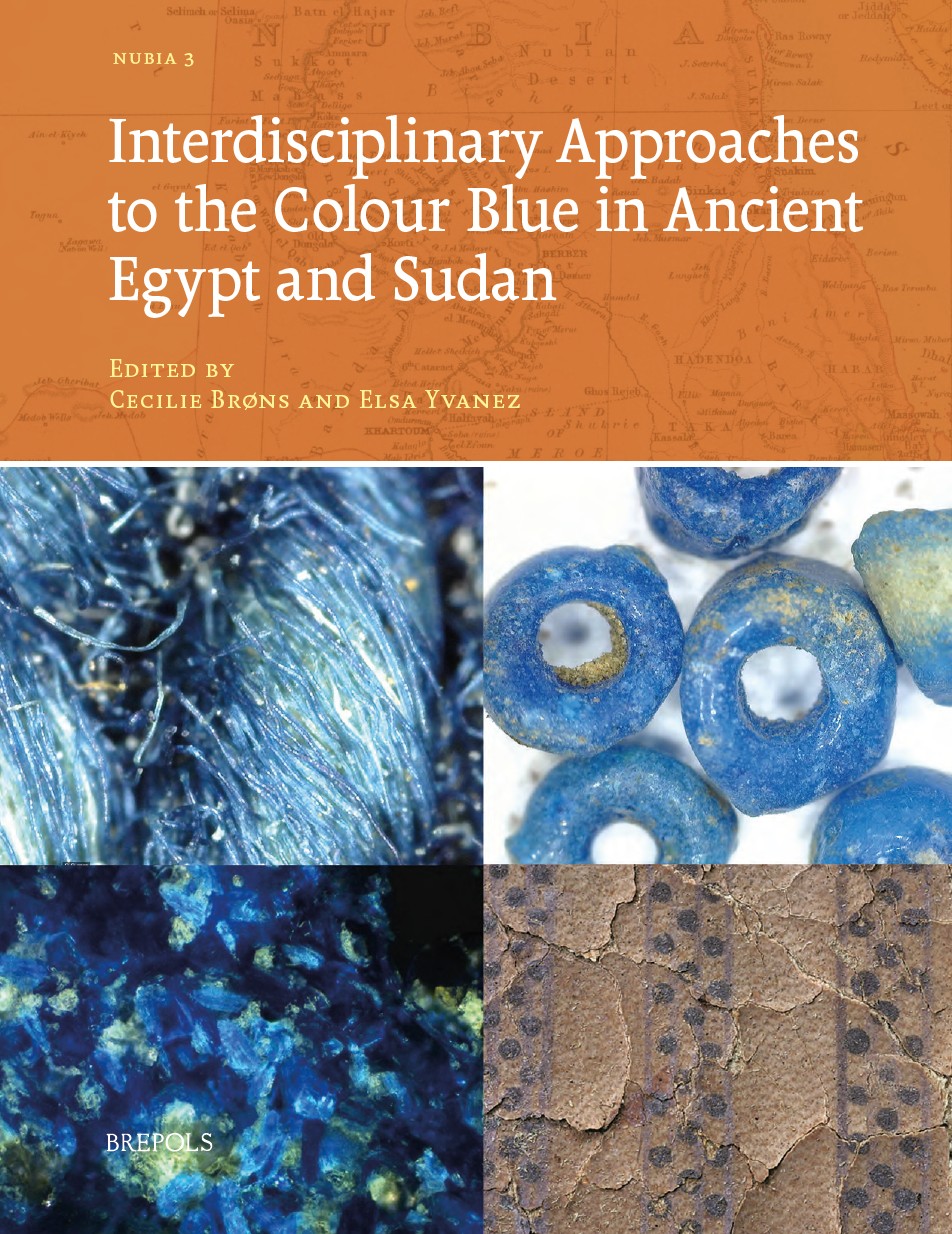

 Invisible Labour in Antiquity
Visualizing Obscure Work in the Ancient Mediterannean and West Asia
Volume 1
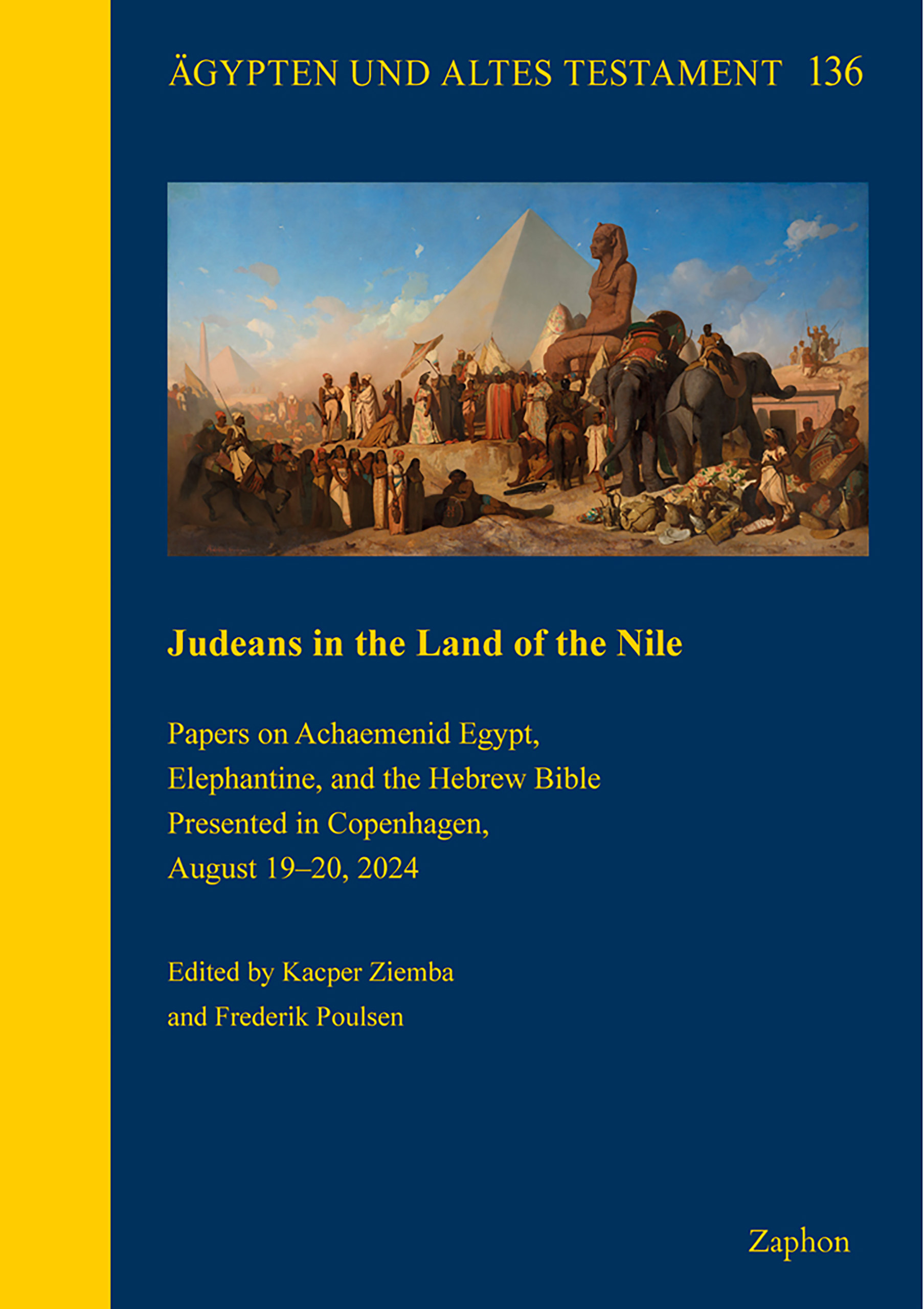

 Late Antique villae in the Balkans (3rd–7th c. AD): Current Research Questions and Perspectives
HAEMUS Companion to the Late Antique Balkans 1
Volume 4





 Portraying the Individual in the Roman East
Local–Imperial Entanglements in Sculpture, Mosaics, and Paintings (First–Fourth Centuries AD)
Volume 18


 Roman Copies, Collecting, and Culture in the Bay of Naples and Beyond
Papers in Honor of Eugene J. Dwyer

 Small Worlds and Relational Agencies: Local Societies in Early Medieval Iberia
Pequeños mundos y Agencias relacionales: Sociedades locales altomedievales en la Península Ibérica
 SOMA 2023: Proceedings of the 24th Symposium on Mediterranean Archaeology
Ideas that Travelled by the Sea, Udine, 2-4 February, 2023
