
Tall Bazi I
Die romerzeitliche Bebauung von Tall Bazi im syrischen Euphrattal. Ein befestigtes einheimisches Heiligtum im Vorfeld der romischen Provinz Syria
Katharina Schloder

The site Tall Bazi on the left bank of the Syrian Euphrates has so far been known mainly for its Bronze Age occupation. But the Tall yielded also remains of later architecture, namely from the 2nd century AD. This volume will first present and analyse the respective finds and findings. The ensuing archaeological and historical evaluation will consider the function of Tall Bazi against the background of the political and cultural situation. In this context, the border location of the site – a part of the kingdom of Osrhoene situated between the superpowers Rome and Parthia – is of the utmost importance. Tall Bazi is a fortified sanctuary with an irregular ground plan. Framed by two gate towers the main access lay on the side fronting the Euphrates. Inside, several buildings could be ascertained one of which may be regarded as a central ritual building. Based on the dating of the partly stratified finds the monumental sanctuary was presumably erected in the late 1st / early 2nd century AD. It existed until the second half of the 2nd century AD. The careful and comprehensive analysis of finds and findings allows us to address various questions connected with the sanctuary of Tall Bazi. For example, a great number of pits in an open courtyard point to ritual activities inside the sacred area. The shape and construction of the temple stand fast within the Mesopotamian tradition; despite its location right on the Euphrates river and thus at the frontier of the Roman Empire the architecture does not show any Hellenistic / Roman influence. This fact as well as the analysed material enable us to draw conclusions with regard to the identity of the builder of the sanctuary and its visitors. Ritual places that might be comparable to the sanctuary of Tall Bazi are so far hardly known in the Middle East. It is therefore highly important that the information to be gained from this unique site on the borderline between the Roman Empire and the sphere of Parthian power is evaluated and published.
- By (author) Katharina Schloder
Other Titles in this Series
 From Pottery to Chronology
The Middle Euphrates Region in Late Bronze Age Syria. Proceedings of the International Workshop in Mainz (Germany), May 5-7, 2012
Volume 1
 Ancient Near Eastern Temple Inventories in the Third and Second Millennia BCE
Integrating Archaeological, Textual, and Visual Sources.. Proceedings of a conference held at the LMU Centre for Advanced Studies, November 14-15, 2016
Volume 4
 Der Baudekor des zweiten Jahrtausends v. Chr. in Mesopotamien. Formen – Motive – Perzeption
Volume 3
 Die Entwicklung erdbebensicherer Bautechniken in der Frühen und Mittleren Eisenzeit in Ostanatolien
Volume 11


 Eisenzeitliche Palaste in der nordlichen Levante
eprasentation von Herrschaft mit architektonischen Mitteln
Volume 2
Similar Books




 Caesar’s Visions and Impact on the Roman Empire
Revisiting the Archaeological and Historical Record of the 40s BC
Volume 2

 Connecting the Dots: Counting, Writing, and the Beginnings of Civilization
The Secret Lives of Clay Tokens: A Memoir



 Etruscan and Roman Hellenistic Anatomical ex votos
Reassessing Popular Religious Expressions in Central Italy
Volume 8

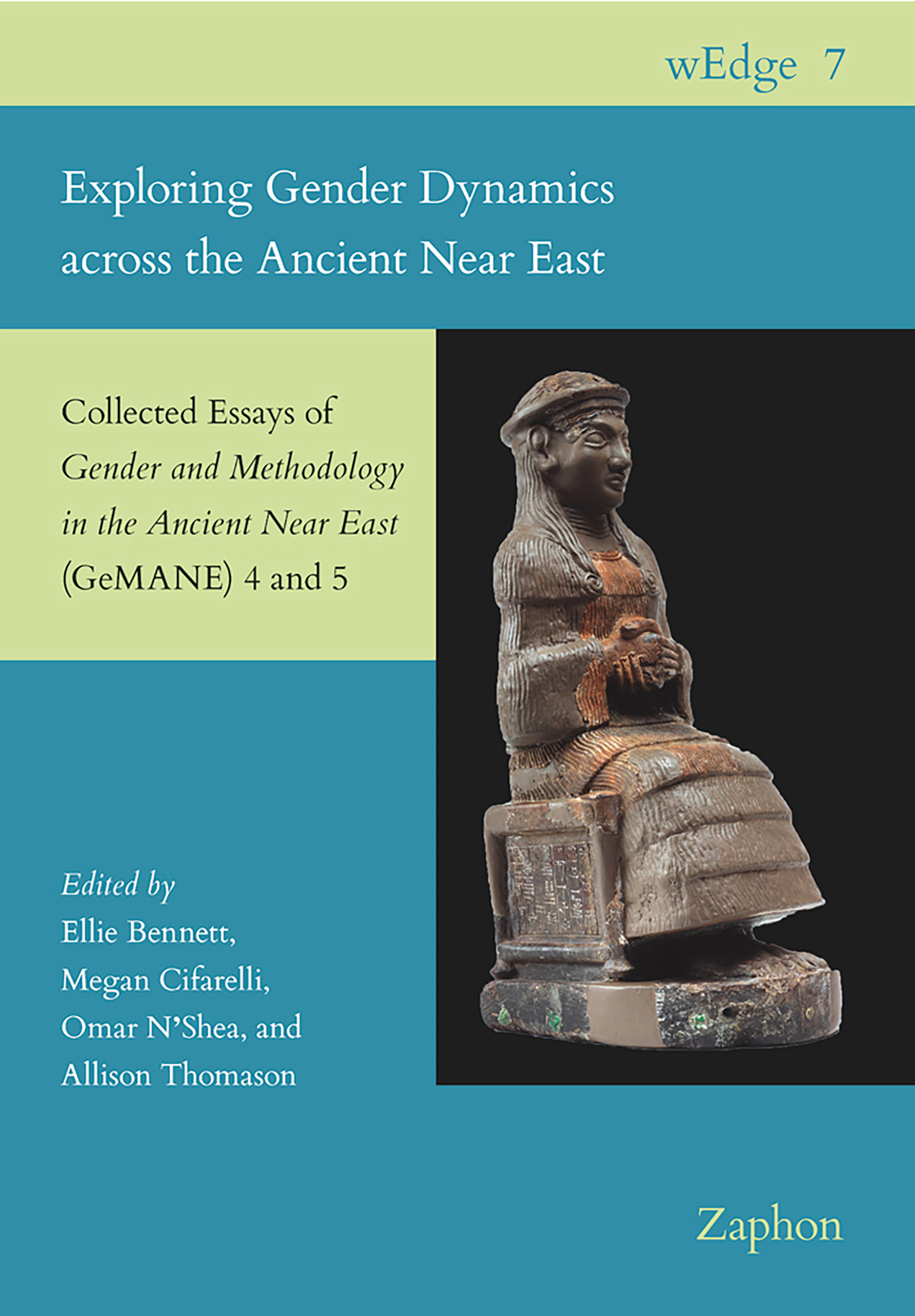 Exploring Gender Dynamics across the Ancient Near East
Collected Essays of Gender and Methodology in the Ancient Near East (GeMANE) 4 and 5
Volume 7


 Ḫattušaš utnē išḫameški
Hittite and Other Ancient Near Eastern Studies Presented to Piotr Taracha on the Occasion of His 65th Birthday



 Invisible Labour in Antiquity
Visualizing Obscure Work in the Ancient Mediterannean and West Asia
Volume 1

 Late Antique villae in the Balkans (3rd–7th c. AD): Current Research Questions and Perspectives
HAEMUS Companion to the Late Antique Balkans 1
Volume 4

 New Research on Old Collections in Southwest Asian Archaeology
Proceedings of the Workshop Held at the British Museum, London, 31 July – 2 August, 2023
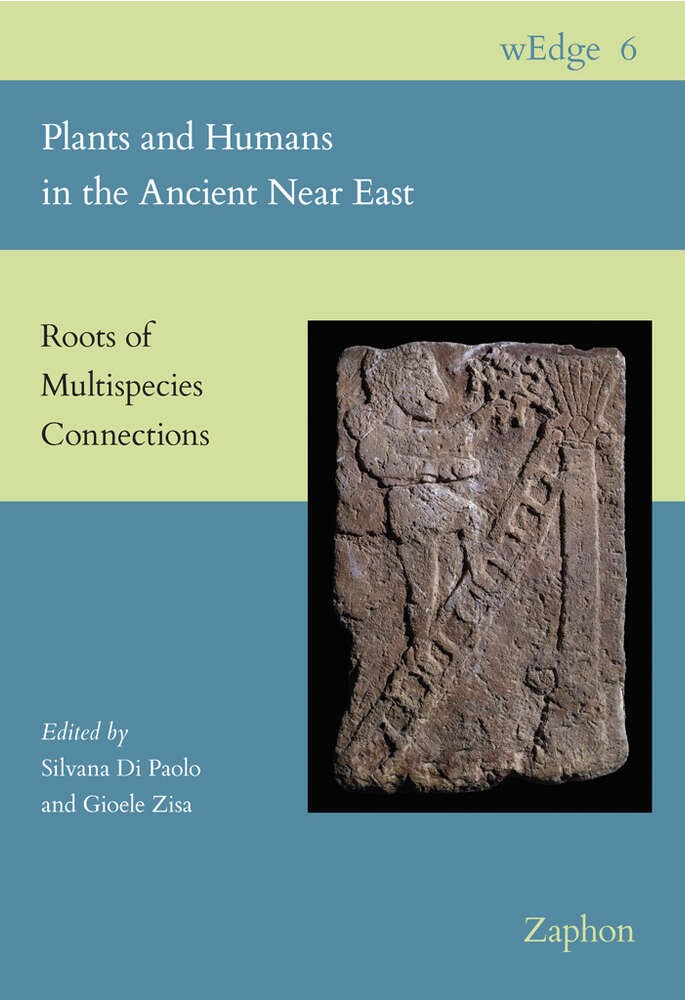
 Old Aramaic Inscriptions and their Contexts
An Epigraphic, Archaeological, and Historical Synthesis
Volume 63


 Portraying the Individual in the Roman East
Local–Imperial Entanglements in Sculpture, Mosaics, and Paintings (First–Fourth Centuries AD)
Volume 18
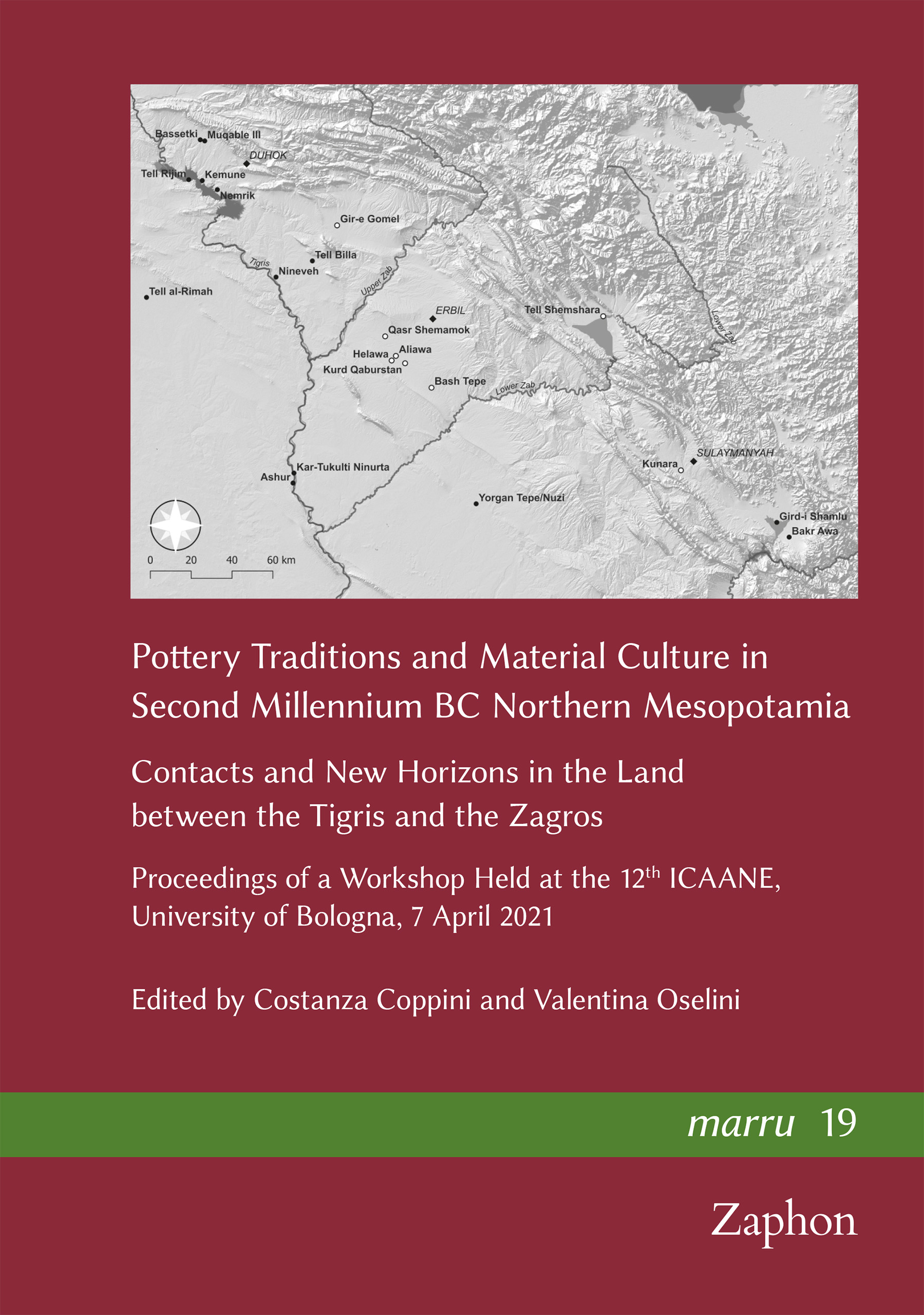 Pottery Traditions and Material Culture in Second Millennium BC Northern Mesopotamia
Contacts and New Horizons in the Land between the Tigris and the Zagros. Proceedings of a Workshop Held at the 12th ICAANE, University of Bologna, 7 April 2021
Volume 19
 Punning in Odd or Elegant Constructions in Jeremiah
The Convergence of Linguistics, Rhetoric, and Textuality in the Hebrew Text of Jeremiah

 Shame in the Worlds of the Hebrew Bible and Akkadian Texts
A Linguistic Study and Its Implications
Volume 33
 Small Worlds and Relational Agencies: Local Societies in Early Medieval Iberia
Pequeños mundos y Agencias relacionales: Sociedades locales altomedievales en la Península Ibérica
 Telling Contexts
Archaeological and Textual Studies in Honor of Elizabeth Bloch-Smith and Mark S. Smith
 The Body
Lived, Cultured, Adorned: Essays on Dress and the Body in the Bible and Ancient Near East in Honor of Nili S. Fox
 The Discourse of Rites
Shaping and Reshaping the (Counter-)Priestly Rituals Conducted Outside the Tabernacle
