
Sublime Truth and the Senses
Titian's Poesie for King Philip II of Spain
By (author) Marie Tanner

In this fascinating study Marie Tanner examines the ways in which Titian incorporates new concepts of sensuality and spirituality in the mythological paintings for King Philip II of Spain.
Titian’s mythological paintings for Philip II, known as the Poesie, are among the most frequently discussed works of art that address a favored Renaissance theme, the influence of the pagan gods on human actions. The commission is traceable to 1549, when Emperor Charles V summoned the artist to Augsburg following Prince Philip’s triumphal parade through the empire as his father’s heir apparent. The cycle that took shape comprises Danae and Venus and Adonis (Madrid, Prado); Diana and Actaeon and Diana and Callisto (Edinburgh, National Gallery of Scotland); Perseus and Andromeda (London, Wallace Collection) and Europa (Boston, Isabella Stewart Gardner Museum). These masterpieces of the artist’s mature period can be considered the most important Renaissance grouping of mythological paintings executed by a single artist. The author proposes that Philip’s expected elevation prompted the commission and that the subjects form a cohesive program of Hapsburg ethical views and political concerns, and that Titian created new visual idioms to represent the complex issues which the subjects address in part by engaging themes with a significant prior history in family patronage. While Titian’s Poesie for Philip II are well known monuments of western culture, they have never before been investigated with this focus. The dispersal of the pictures in the seventeenth century resulted in a scholarly focus on the single pictures and a concentration on their sensual aspects. Yet in Aretino, a Venetian dialogue on painting, Titian’s friend and apologist Lodovico Dolce suggested that the pictures are visual formulae that make sublime truths available to the senses. This study analyzes the ways in which Titian incorporates new concepts of sensuality and spirituality in a Venetian vernacular to create masterpieces whose originality and ravishing beauty belie their didactic content.
- By (author) Marie Tanner
Other Titles in this Series


 A Renaissance Wedding
The Celebrations at Pesaro for the Marriage of Costanzo Sforza & Camilla Marzano d'Aragona (26 - 30 May 1475)
Volume 71


 North-European Panel Paintings
A Catalogue of Netherlandish and German Paintings before 1600 in English Churches and Colleges
Volume 6


 Bringing the Holy Land Home
The Crusades, Chertsey Abbey, and the Reconstruction of a Medieval Masterpiece
Volume 3


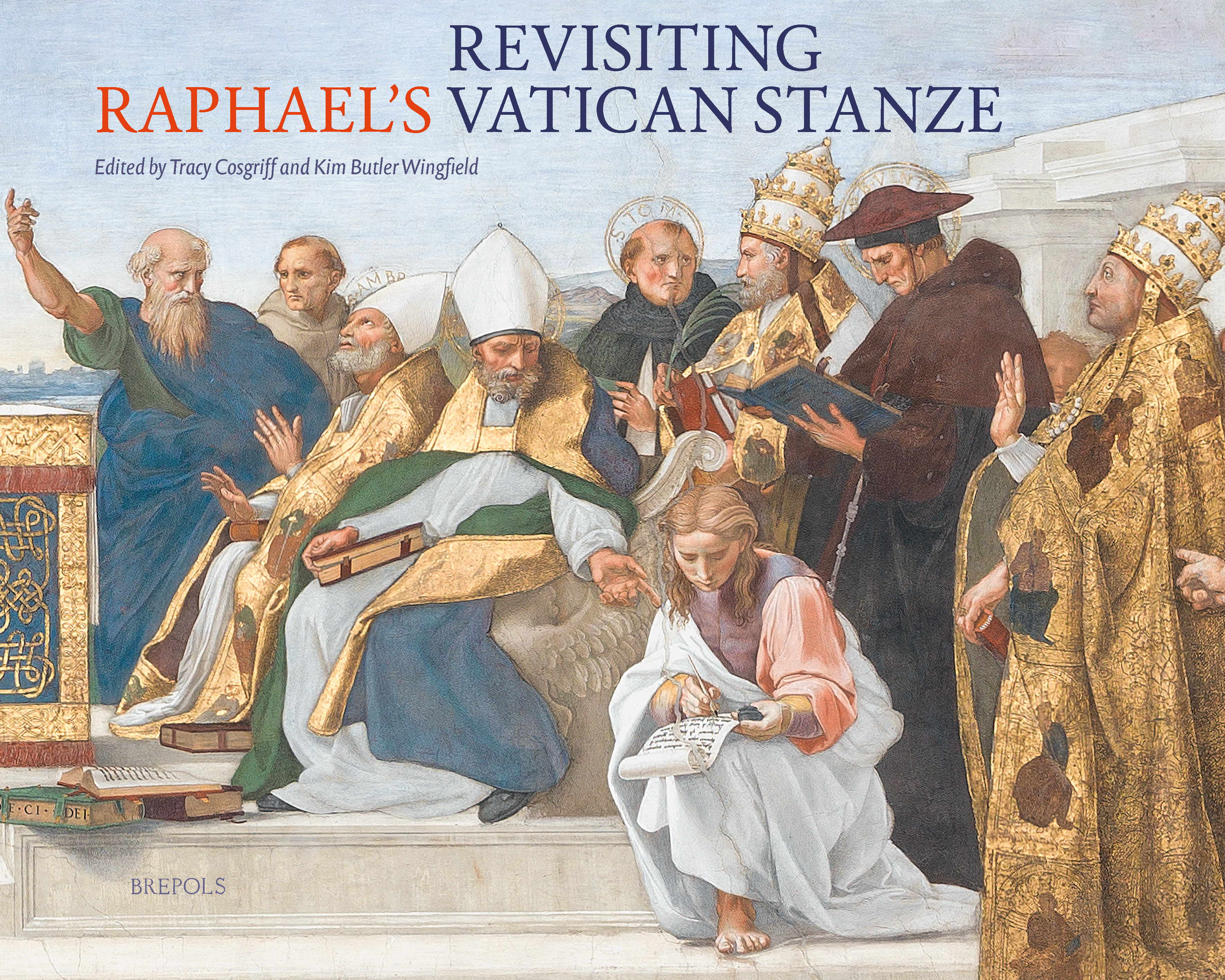

 The Pilgrim’s Guide to Santiago de Compostela
A Critical Edition: Volume I, The Manuscripts and Volume II, The Text
Volume 14


Similar Books
 A Collaborative Tapestry in Honour of Shirley Ann Brown / Une fresque brodée en l’honneur de Shirley Ann Brown
The Bayeux Tapestry Seen by her Colleagues and Friends / La Tapisserie de Bayeux vue par ses collègues et amis





 Balthasar Caymox of Nuremberg
Early Modern German Print Publishers: Popular Prints of the Seventeenth Century


 Beyond Sovereign Courts
Agents and Practices in Early Modern Spanish and Habsburg Diplomacy
Volume 3


 Circulation, Use, Impact
The Consumption of Architectural Books in the Early Modern Eastern Adriatic
Volume 1



 Councils, Conflicts, Correspondence
Urban Diplomacy in Reval (Tallinn) and Lübeck (c. 1470–1570)
Volume 67


 ENTANGLED AFRICA
Intra-African Relations Between Rain Forest and Mediterranean from Around 4,000 BCE to 1,500 CE


 Gold, Silver and Glass: Power Networks, Cultural Identities, Technology Transfers and Agency across the Old World (7th Century BC – 1st Century AD)
Proceedings of a Conference Held at the British Museum, 16–18 June 2023


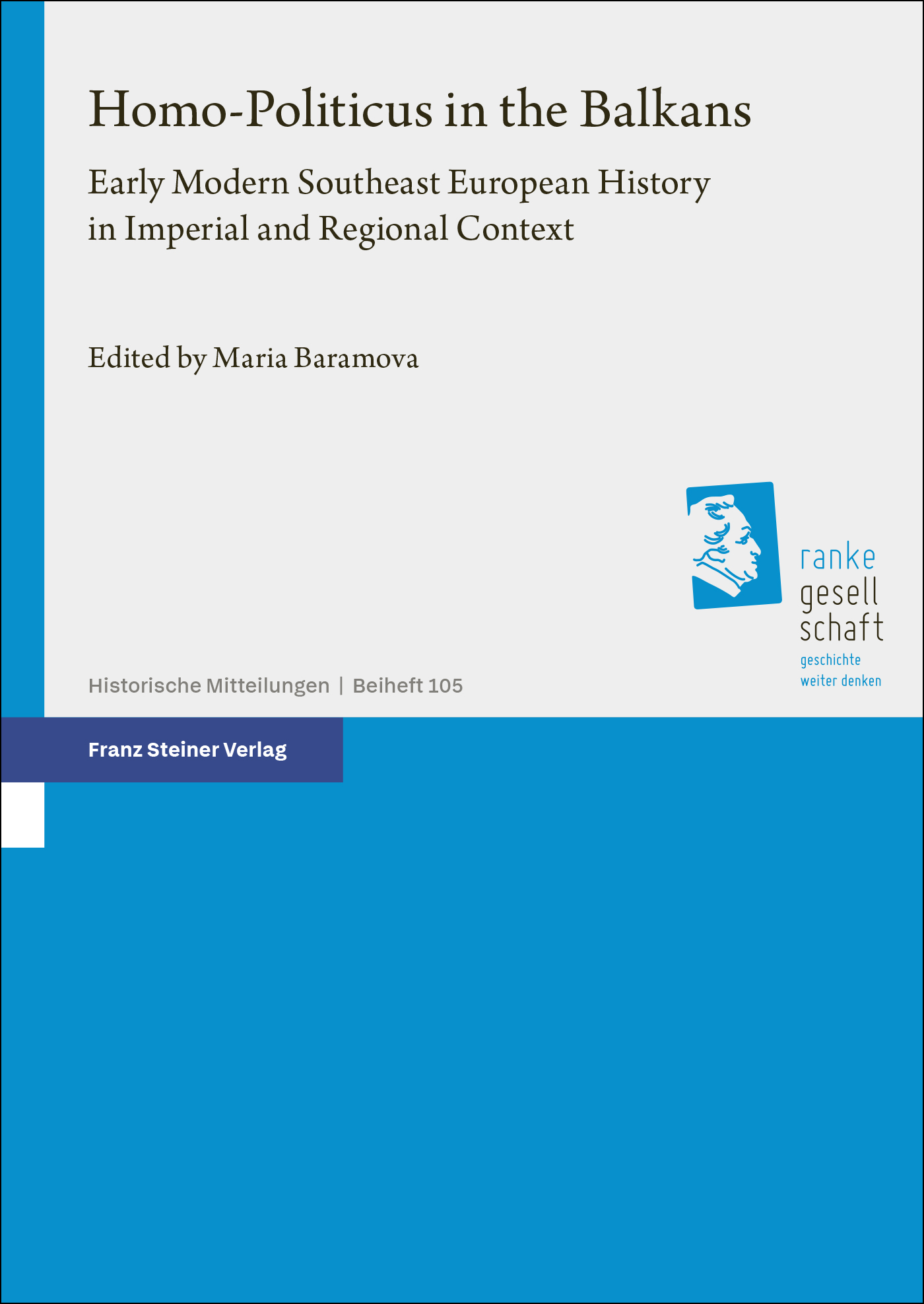 Homo-Politicus in the Balkans
Early Modern Southeast European History in Imperial and Regional Context

 Innovationes Lovanienses: Arts, Law and Theology at the University of Louvain (1425–1797)
Studium Lovaniense: Learning across Borders, 2
Volume 18
 Legal Visuality
Exegesis, Ambiguity, and Dissimulation of the Donation of Constantine in the Early Modern Period
 Listening to the Swan Song
More-than-Human Beings and Sounds in Literature and Culture Through the Ages


 Monastic Manuscripts from the Eastern Mediterranean (Sinai, Jerusalem, Antioch)
Production, Use, and Contexts


 Naples as Laboratory / Laboratorium Neapel
Style Options, Artistic Rivalry and Self Fashioning in Neapolitan Baroque Painting / Plurale Stilbildung, Kunstlerkonkurrenz und Self Fashioning in der neapolitanischen Barockmalerei

 Nurturing the Elite
Representations of Drinking, Eating, and Religious Vessels in Palmyrene Funerary Iconography
Volume 13

