
Spatial Woundings
Entanglements of Minings, Metals, and Extraction
Edited by Erin C. Adams Edited by Bretton A. Varga
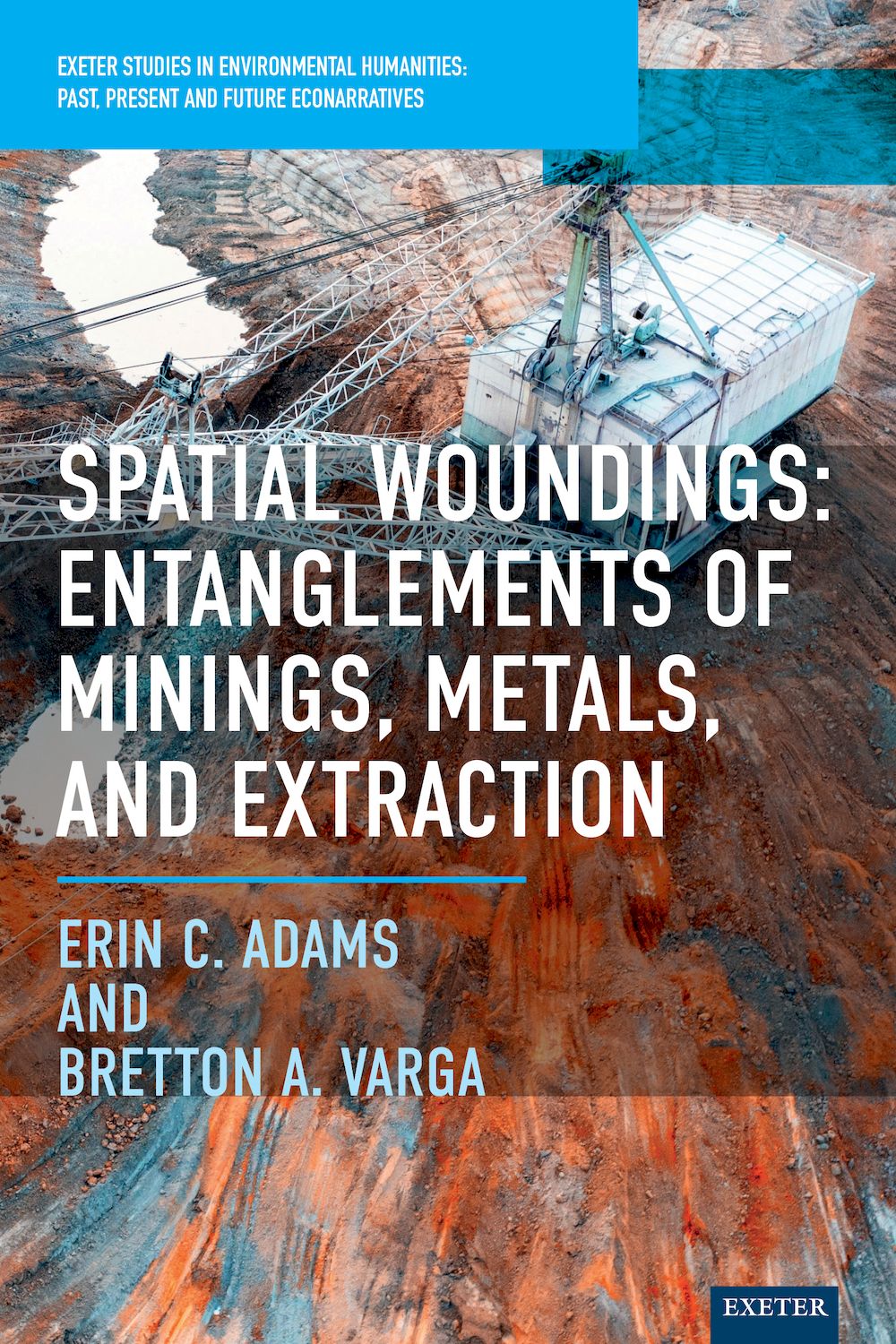
Hardback (Forthcoming)
(November 2026)
ISBN: 9781804132432
6.14 x 9.21 inches
Price: $126.00
PDF (No longer our product)
(November 2026)
ISBN: 9781804132456
Price: $126.00
Minerals and metals underpin our everyday existence, yet the extraction process-ripping them from the earth-fuels toxic geopolitical relationships, colonization, and conflict. This book confronts this devastation, focusing on spatial wounding-the violence inflicted on landscapes, people, and atmospheres by extractionary logics.
Minerals and metals underpin our everyday existence, woven into the creation of nearly all consumer products. Yet the extraction process of ripping them from the earth fuels often toxic global geopolitical relationships, colonization, and conflict. Despite their fundamental importance, these materials are too often unseen, unappreciated, and unnoticed. This lack of awareness occludes critical opportunities for researchers, educators, and students to engage with the complex relationships between people, products, and the environment. Spatial Woundings: Entanglements of Minings, Metals, and Extractions explores how extractivist logics continue to cultivate devastation, plunder, and ecological precarity, focusing on the concept of spatial wounding-the myriad ways landscapes and living systems are subjected to the violence of extraction. This damage is comprehensive, encompassing alterations to the physical landscape as well as injury inflicted upon people, animals, plants, and atmospheres. Featuring a collection of international scholars, this urgent book surveys the contours of these devastating outcomes alongside crucial efforts to resist the logics that perpetuate them, ultimately reimagining the role of metals and extraction in cultural, popular, and social contexts. The volume is structured in three sections: Part I details historical experiences and intimate stories of spatial wounding; Part II offers analytical engagements with mining as a metaphor in media and technology; and Part III considers the broader empires, extraction, and more-than-human damage, addressing colonial legacies and anticolonial ethics in resource governance.
Introduction: Scratching the Surface: Underground Movements and Machinations of/with Spatial Wounding(s) Erin C. Adams and Bretton A. Varga
DOI: 10.47788/QTSS9568
1. Shifting Landscapes, Shifting Footprints: A Talk with Nalani Lemmerman and Robert Geary Nalani Lemmerman, Robert Geary, Bretton A. Varga, and Erin C. Adams
DOI: 10.47788/WHWA6441
2. Sunflowers and High Tease: Storying Older Women’s Activism Challenging Fossil Gas Extractivism in Eastern Australia Larraine Larri, Hilary Whitehouse, and Carol Bennett
DOI: 10.47788/BZDS6471
3. Trembling Earth: Storying Mining and Extraction in the Okefenokee Swamp Amy V. Gilbert
DOI: 10.47788/GFGD9799
4. Walking a Haunted Landscape: A Land Education/Land Art Reading of Mining Remains in Key Placer, Colorado Kate McCoy
DOI: 10.47788/RJIZ8319
5. Terror Incognita: Extractionism and the Eco-Horror of the Capitalocene Jason J. Wallin and Jennifer A. Sandlin
DOI: 10.47788/IRUM3234
6. More-Than-Human Reader, Text, and Stone in Samuel Beckett’s Ill Seen Ill Said Nilanjana Bhattacharya
DOI: 10.47788/LRBU5139
7. Orphanization Beyond the Human: Conceptualizing Extractive Dispossession from Abya Yala Barbara Galindo
DOI: 10.47788/OPWX7882
8. Enacting an Anticolonial Ethics of Reclamation Caitlynn Beckett
DOI: 10.47788/YQPF9336
9. Dialogical Gatherings on Mining and Extraction: Dialogues for Ecological Awareness María del Socorro Ocampo Castillo
DOI: 10.47788/JDMA4454
10. Extractive Rhetorics and Colonial Discourses on African Resource Governance Angela Z. Gapa and Cliff U. Kodero
DOI: 10.47788/PYAO5606
11. Circular Economies, Recycled Colonies Stephen Cornford
DOI: 10.47788/AERL7017
Afterword: Two Literary Exercises on Extraction Karen Pinkus
DOI: 10.47788/ZVDE8299
Conclusion: Lingering Residues Erin C. Adams and Bretton A. Varga
DOI: 10.47788/CUGQ5469
- Edited by Erin C. Adams
- Edited by Bretton A. Varga
Other Titles in this Series

Similar Books



 As Messianism Turns to Heresy
The Regenstein Chair Lectures On Lurianic Kabbalah and Shabbatai Tzevi at Hebrew Union College - Cincinnati
 Beyond Sovereign Courts
Agents and Practices in Early Modern Spanish and Habsburg Diplomacy
Volume 3


 Food Security under Armed Conflict
Global Knowledge Landscape and Public Attention to Social, Economic, and Humanitarian Dimensions


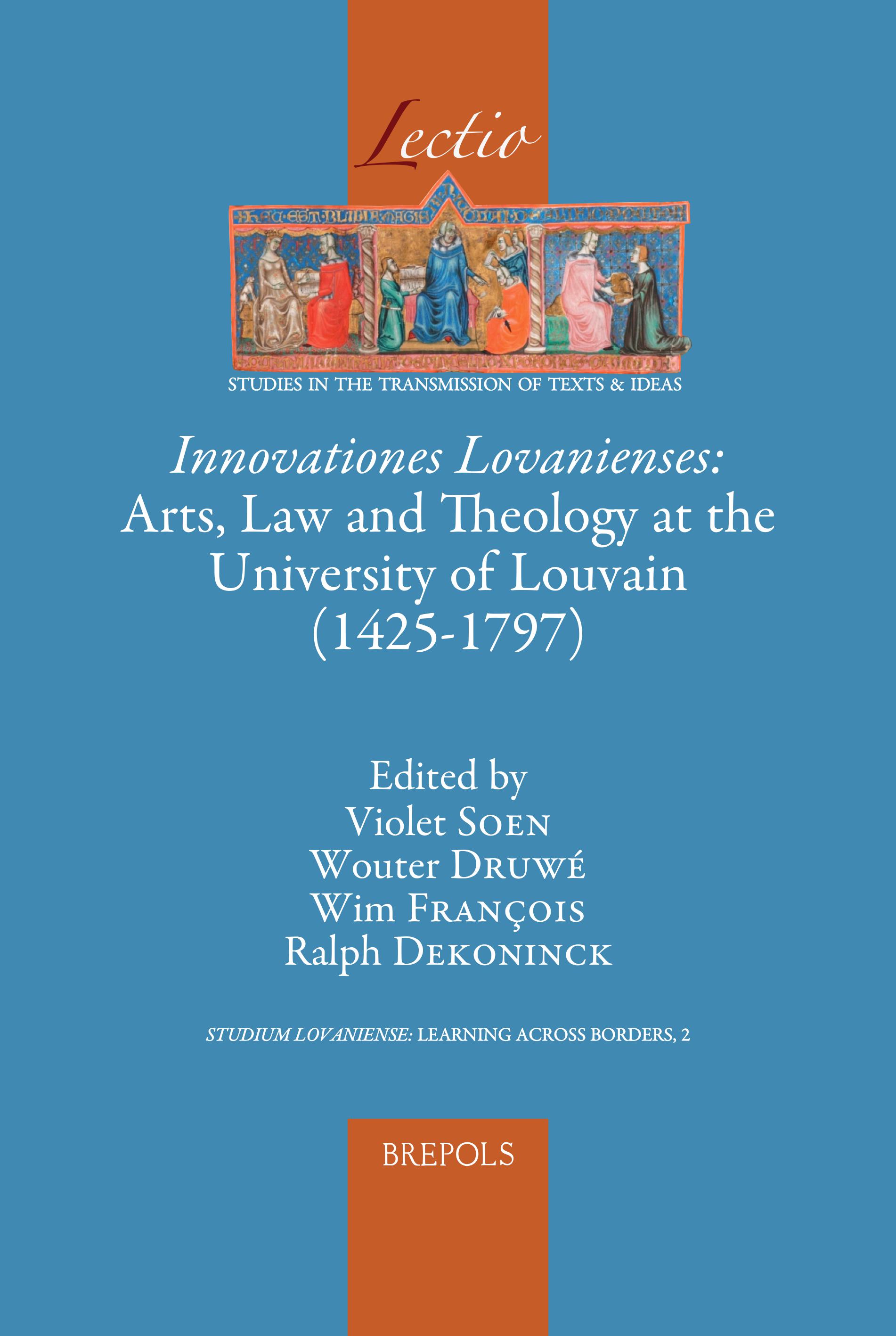 Innovationes Lovanienses: Arts, Law and Theology at the University of Louvain (1425–1797)
Studium Lovaniense: Learning across Borders, 2
Volume 18


 Recycling and Regeneration of Spent Lithium-Ion Batteries
Technologies, Applications, and Sustainable Futures


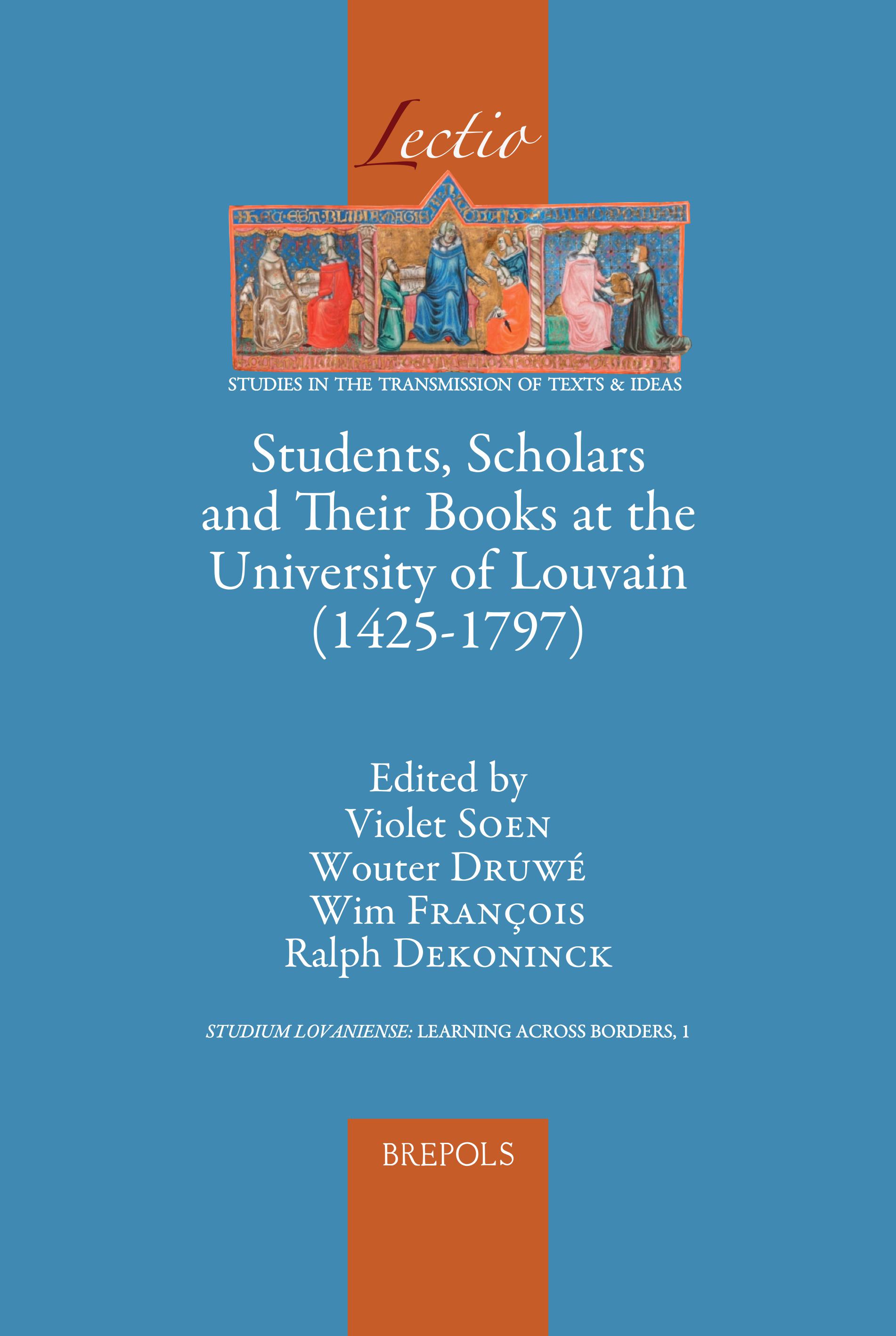 Students, Scholars and Their Books at the University of Louvain (1425-1797)
Studium Lovaniense: Learning across Borders, 1
Volume 17


