Roman Gold from Tresminas (Portugal)
Prospec-tion - Mining - Treatment
by Regula Wahl-Clerici

The reconstruction of Roman mining activities in a primary deposit during the 1st and 2nd centuries AD has been made possible thanks to the excellent preservation of ancient mining and the prerequisite accompanying industries in the territorium metallorum Tresminas / Jales. Decades of on-site research and careful documentation of the monuments have faciliated the understanding of the work processes presented in this volume: prospection, excavation and processing. Within this framework, prospecting not only served the discovery of deposits as reported by ancient sources, but it accompanied the miners’ daily work and was an essential element of the mining process. A special insight into the conditions in an ancient mine is given by the evidence of a catastrophe underground with a subsequent rescue operation. The mining itself has left traces that enable us to both follow and understand the progress of mining over time. The planning and execution that become visible as a result of this allow us to infer a central organisation. The fantastic extensive high galleries of Tresminas, whose dimensions and state of preservation still impress visitors and researchers today are a further example of this. Finds that were abandoned, never completed or destroyed in ancient times are particularly helpful in understanding the mining process. The complex processing of the gold-bearing ores has left behind in Tresminas around 1 000 stamp mills, countless rock-grinding mills and enormous ore washing structures. In addition, the water management system associated with mining and settlement is discussed. An important part of the industrial complex was also the local stone quarrying for the production of stamp mills, rock-grinding and grain mills. A summary of the historical context of the territorium metallorum Tresminas / Jales is presented in the introduction. An important contribution to further research into the ancient Greek and Roman economic history, Archaeology of mining and history of technology.
- By (author) Regula Wahl-Clerici
Similar Books

 Caesar’s Visions and Impact on the Roman Empire
Revisiting the Archaeological and Historical Record of the 40s BC
Volume 2



 Drunk the Potion, No Whit Charmed
The Doctrine of Pure and Perfect Souls from Iamblichus to Damascius

 Epiphanies of the Divine in the Septuagint and the New Testament
Fifth International Symposium of the Corpus Judaeo-Hellenisticum Novi Testamenti (CJHNT), 14-17 May 2015, Nottingham


 Etruscan and Roman Hellenistic Anatomical ex votos
Reassessing Popular Religious Expressions in Central Italy
Volume 8



 Invisible Labour in Antiquity
Visualizing Obscure Work in the Ancient Mediterannean and West Asia
Volume 1
 Language and Power in the Roman Empire and Early India
Hierarchy, Ambiguity, and the Art of Reading the Signs in Cosmopolitan Cultures
 Late Antique villae in the Balkans (3rd–7th c. AD): Current Research Questions and Perspectives
HAEMUS Companion to the Late Antique Balkans 1
Volume 4

 Nurturing the Elite
Representations of Drinking, Eating, and Religious Vessels in Palmyrene Funerary Iconography
Volume 13


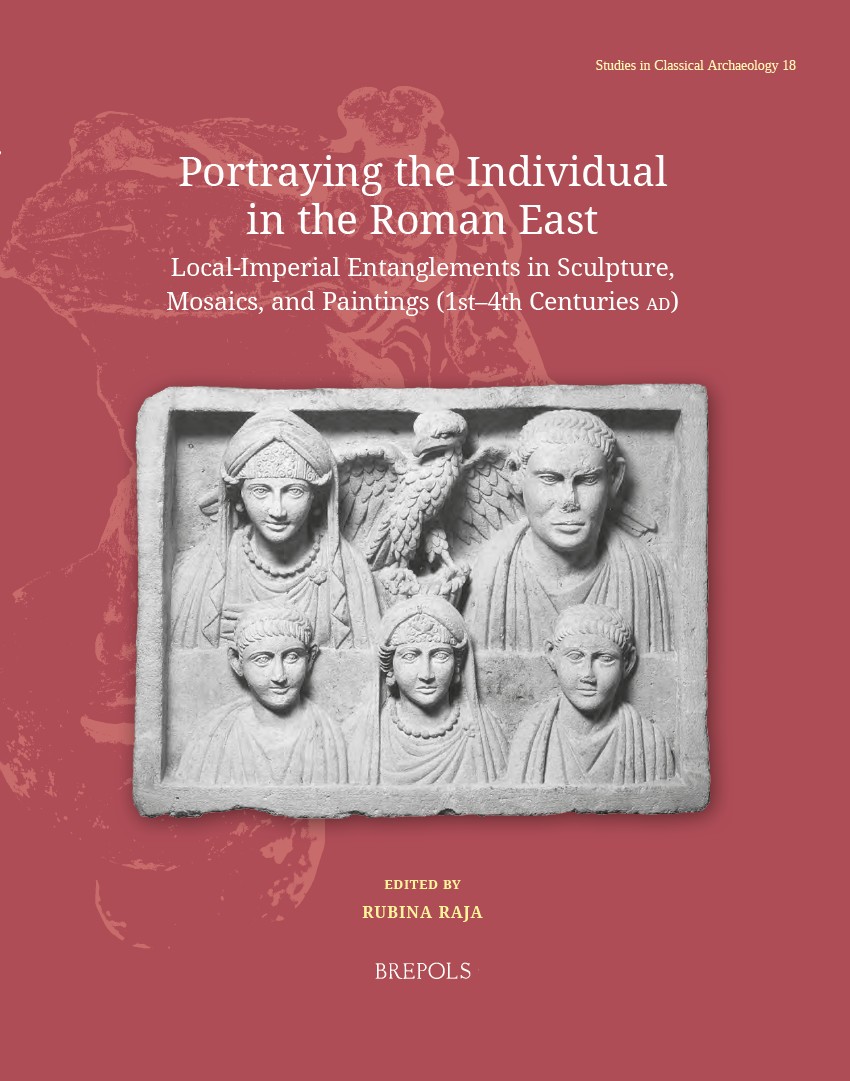 Portraying the Individual in the Roman East
Local–Imperial Entanglements in Sculpture, Mosaics, and Paintings (First–Fourth Centuries AD)
Volume 18

 Small Worlds and Relational Agencies: Local Societies in Early Medieval Iberia
Pequeños mundos y Agencias relacionales: Sociedades locales altomedievales en la Península Ibérica
 The Compositional History of the Book of Kings
An Analysis of the Evaluative Frameworks in 1 Kings 14–2 Kings 25

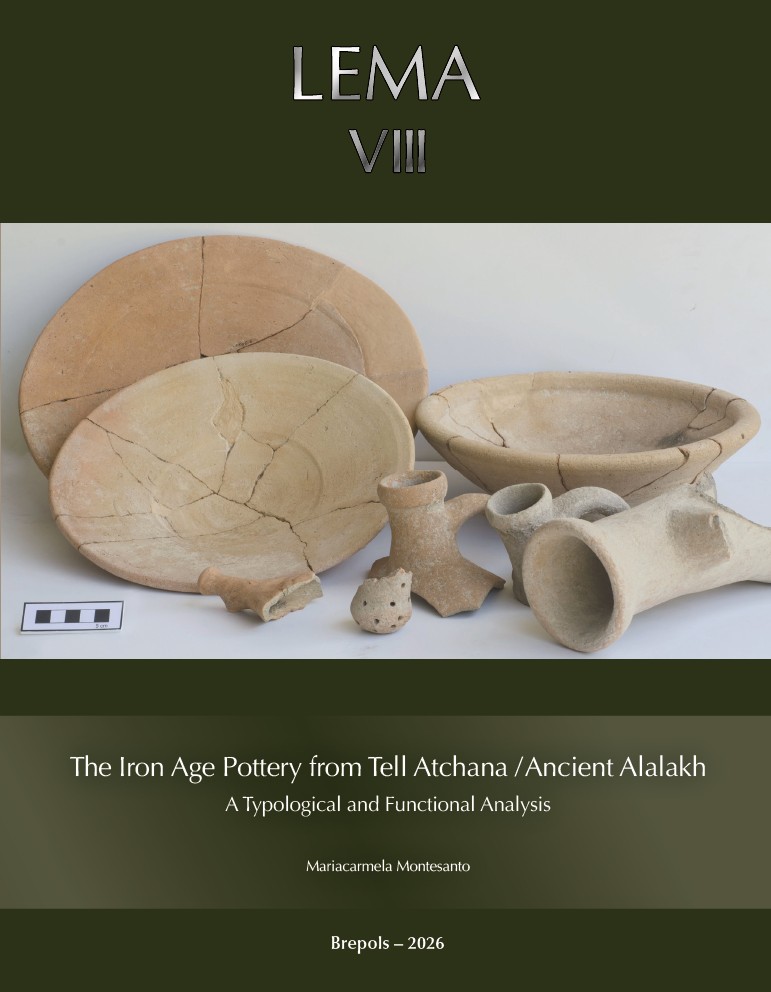 The Iron Age Pottery from Tell Atchana / Ancient Alalakh
A Typological and Functional Analysis
Volume 8

 Writing in the Church of the Nativity in Bethlehem
Inscription and Graffiti in a Multilingual and Multigraphic Perspective
Volume 45
 Contesting Labeled Identities
The Sociology of Gentilics in Biblical and Northwest Semitic Literature