
Rievaulx Abbey and its Social Context, 1132-1300
Memory, Locality, and Networks
By (author) Emilia Jamroziak

Rievaulx abbey was one of the most prominent houses of white monks (Cistercians) in England, and became in the course of the twelfth and thirteenth centuries an important feature of the ecclesiastical and social landscape of Yorkshire. The present work is the first in-depth study devoted to Rievaulx’s social history. The abbey’s once extensive archives were largely destroyed after the Dissolution, but the surviving late-twelfth-century cartulary provides a fascinating insight into the process of creating institutional memory, preserving and shaping information about various neighbours of the abbey, and creating a ‘map’ of social networks that developed around Rievaulx. The complex picture of building and sustaining connections between the abbey and its lay patrons, benefactors and neighbours forms a core to this book. This study also examines how Rievaulxco-existed with other religious institutions in the area, and particularly the practical dimension of friendships between abbots, declarations of mutual support between monastic communities, and how these were reconciled with a fierce competition for land and donations. Contacts between Rievaulx abbey and the nearby archbishops of York and bishops of Durham were intense and these contacts demonstrate how important these prelates were as potential supporters, and how broader ecclesiastical issues influenced their relationships with Rievaulx. Whilst exploring the case of one particular monastery this book is an important contribution to the current debate on the shaping of Cistercian practice, and particularly the mechanisms for the interaction between laity and monastic communities, during the High Middle Ages.
Rievaulx abbey was one of the most prominent houses of white monks (Cistercians) in England, and became in the course of the twelfth and thirteenth centuries an important feature of the ecclesiastical and social landscape of Yorkshire. The present work is the first in-depth study devoted to Rievaulx’s social history. The abbey’s once extensive archives were largely destroyed after the Dissolution, but the surviving late-twelfth-century cartulary provides a fascinating insight into the process of creating institutional memory, preserving and shaping information about various neighbours of the abbey, and creating a ‘map’ of social networks that developed around Rievaulx. The complex picture of building and sustaining connections between the abbey and its lay patrons, benefactors and neighbours forms a core to this book. This study also examines how Rievaulxco-existed with other religious institutions in the area, and particularly the practical dimension of friendships between abbots, declarations of mutual support between monastic communities, and how these were reconciled with a fierce competition for land and donations. Contacts between Rievaulx abbey and the nearby archbishops of York and bishops of Durham were intense and these contacts demonstrate how important these prelates were as potential supporters, and how broader ecclesiastical issues influenced their relationships with Rievaulx. Whilst exploring the case of one particular monastery this book is an important contribution to the current debate on the shaping of Cistercian practice, and particularly the mechanisms for the interaction between laity and monastic communities, during the High Middle Ages.
- By (author) Emilia Jamroziak
Other Titles in this Series

 Religious Controversy in Europe, 1378-1536
Textual Transmission and Networks of Readership
Volume 27


 The Library of the Abbey of La Trappe
A Study of its History from the Twelfth Century to the French Revolution, with an Annotated Edition of the 1752 Catalogue
Volume 32


 Patronage, Production, and Transmission of Texts in Medieval and Early Modern Jewish Cultures
Volume 34


 Devotional Culture in Late Medieval England and Europe
Diverse Imaginations of Christ's Life
Volume 31
 The Power of Words in Late Medieval Devotional and Mystical Writing
Essays in Honour of Denis Renevey
Volume 46


 Perspectives for an Architecture of Solitude
Essays on Cistercians, Art and Architecture in Honour of Peter Fergusson
Volume 11


 Crusading in Frankish Greece
A Study of Byzantine-Western Relations and Attitudes, 1204-1282
Volume 22


Similar Books
 A Collaborative Tapestry in Honour of Shirley Ann Brown / Une fresque brodée en l’honneur de Shirley Ann Brown
The Bayeux Tapestry Seen by her Colleagues and Friends / La Tapisserie de Bayeux vue par ses collègues et amis
 Behind the Scenes of Medieval Roofs
An Overview of the Roofing Systems of Italian Churches
Volume 90




 Innovation and Medieval Communities
The Circulation of Ideas and Practices in and out of the Town (1200-1500)
Volume 63
 John Dunstaple Reading Boethius
John Dunstaple’s Annotations to Boethius’s “De institutione musica” in the Manuscript Oxford, Corpus Christi College Library, MS 118
 Linguistic and Cultural Dynamics in a Frontier Society
New Perspectives on Northeastern Bavaria and Western Bohemia in the Early Middle Ages
Volume 9
 Medieval Debates on Foreknowledge: Future Contingents, Prophecy, and Divination
Acts of the XXVII Annual Colloquium of the SIEPM, Trento 12-15 September 2023
Volume 31
 Medieval Yeghegis, Armenia
History, Archaeology, Society. Local Multiplicities and Global Connections of a Rural Centre on the Silk Road(s)


 Power and Women in Southeast and Central Europe in Late Medieval and Early Modern Period (1300-1600)
Volume 10

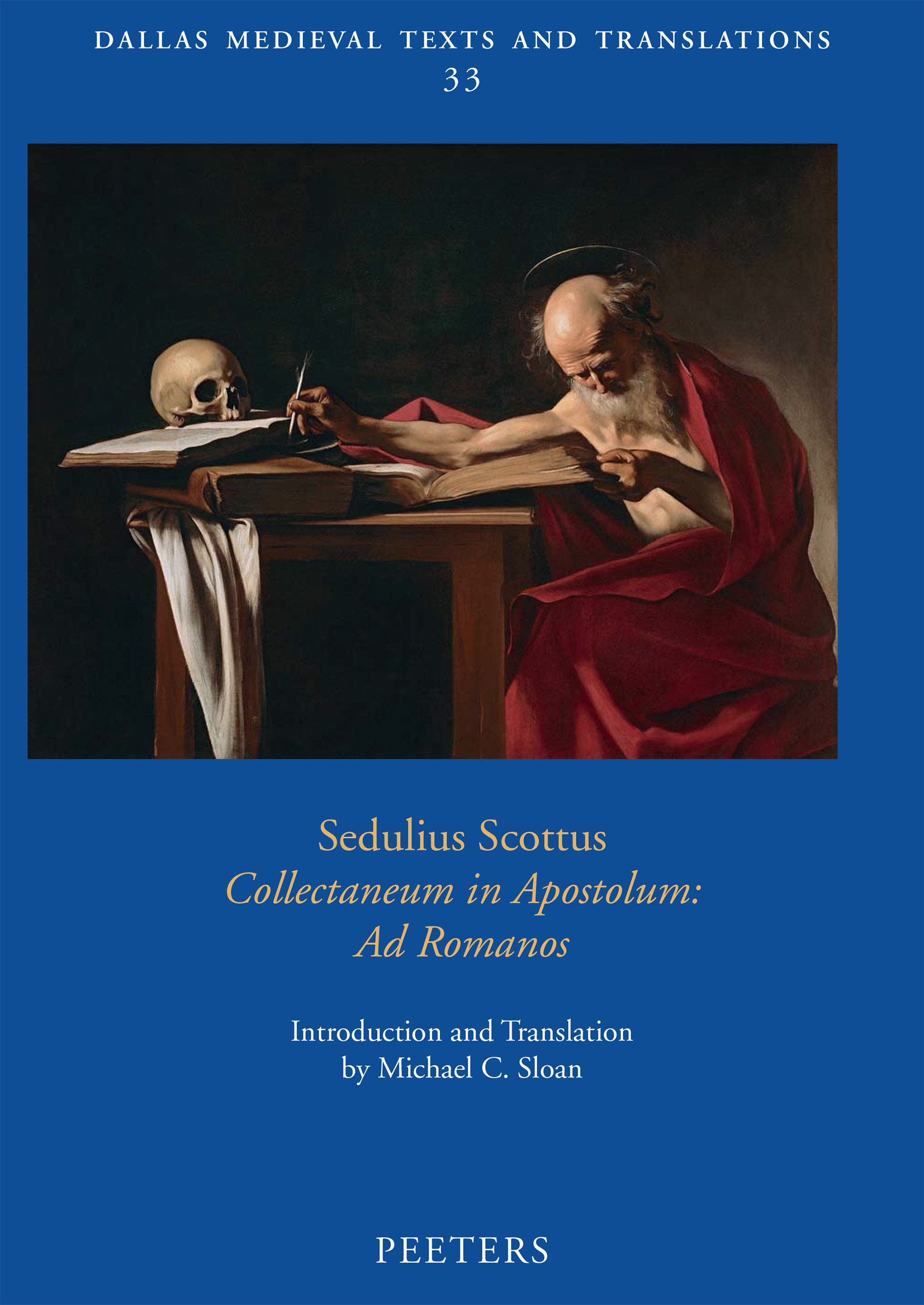
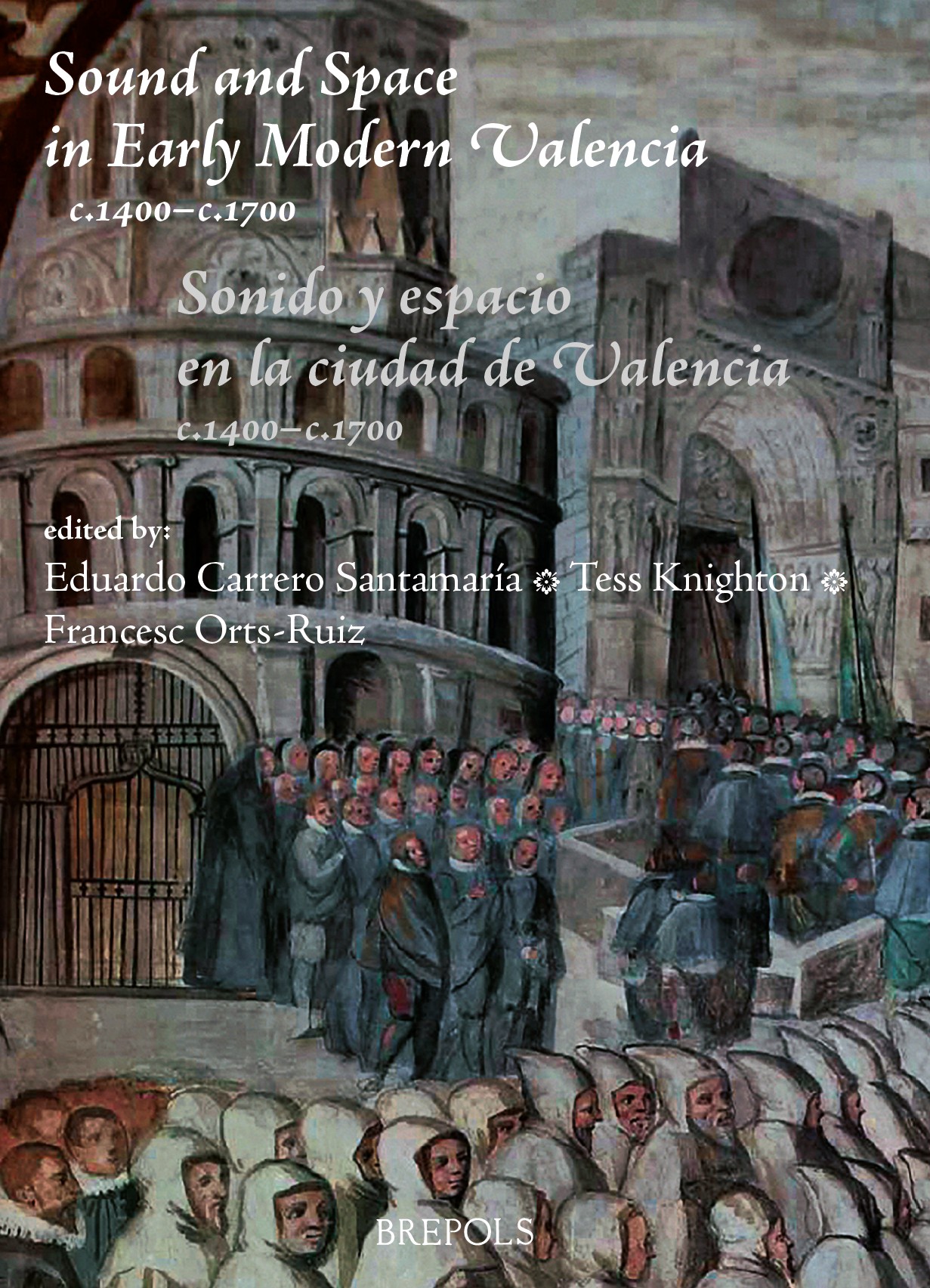

 The Anglo-Norman Bible’s Books of Kings, a Critical Edition
(BL Royal 1 C III, fols 234r-274v)
Volume 37


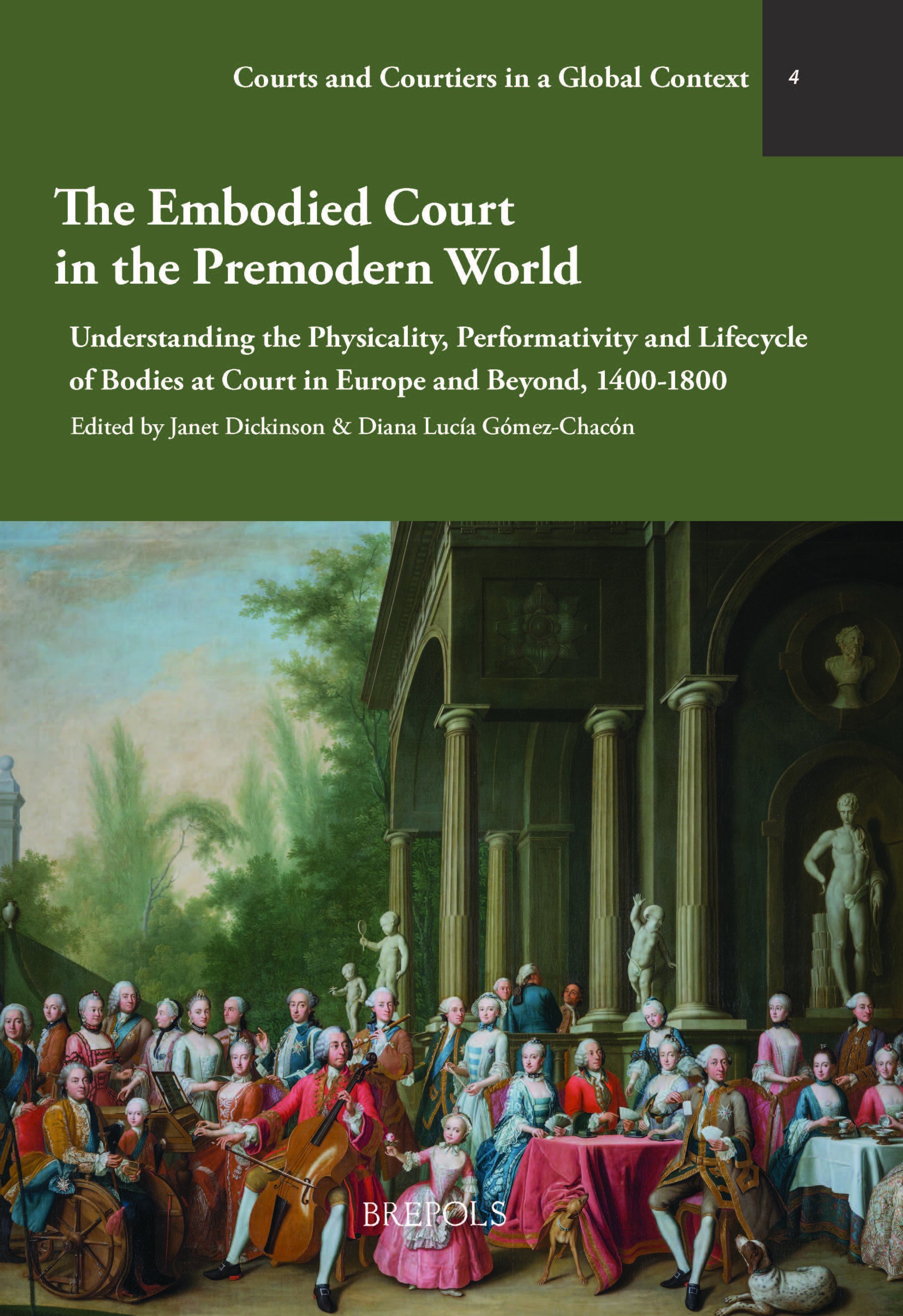 The Embodied Court in the Premodern World
Understanding the Physicality, Performativity and Lifecycle of Bodies at Court in Europe and Beyond, 1400-1800
Volume 4


