
Studies in Carthusian Monasticism in the Late Middle Ages
Edited by Julian Luxford

This volume focuses on aspects of Carthusian history and culture of the later Middle Ages, a period of growth and vitality within the order. There is a primary but not exclusive focus on the English Province, which to date has received at best unbalanced attention. While the fundamental ambitions and ideals of Carthusianism formulated, articulated, and lived by the disciples of St Bruno between the late eleventh and the thirteenth centuries changed very little, the fourteenth to sixteenth centuries witnessed developments stimulated by and often commensurate with the progress of external culture. In such areas as devotional practice, literature, art and architecture, patronage, and monastic-lay relations generally, the houses of the order grew increasingly sophisticated: in some cultural spheres Carthusians were in the vanguard. The late Middle Ages thus offer rich opportunities for assessment of how a religious organization defined and justified by essentially reactionary conventions responded to constant forinsec evolution.The volume’s approach is multi-disciplinary, involving both senior and younger Carthusian scholars in investigation of the main facets of Carthusian life for which significant data survives. This permits a thorough analysis of the order’s character, one that reflects concern with synoptic understanding of medieval Carthusianism rather than partial assessment through a specifically devotional, literary, or more narrowly historical approach. Subject areas covered include the historical growth of individual Charterhouses, patronage of Carthusians by secular agents, Carthusian architecture and manuscript decoration, devotional practice, and textual culture.
This volume focuses on aspects of Carthusian history and culture of the later Middle Ages, a period of growth and vitality within the order. There is a primary but not exclusive focus on the English Province, which to date has received at best unbalanced attention. While the fundamental ambitions and ideals of Carthusianism formulated, articulated, and lived by the disciples of St Bruno between the late eleventh and the thirteenth centuries changed very little, the fourteenth to sixteenth centuries witnessed developments stimulated by and often commensurate with the progress of external culture. In such areas as devotional practice, literature, art and architecture, patronage, and monastic-lay relations generally, the houses of the order grew increasingly sophisticated: in some cultural spheres Carthusians were in the vanguard. The late Middle Ages thus offer rich opportunities for assessment of how a religious organization defined and justified by essentially reactionary conventions responded to constant forinsec evolution.The volume’s approach is multi-disciplinary, involving both senior and younger Carthusian scholars in investigation of the main facets of Carthusian life for which significant data survives. This permits a thorough analysis of the order’s character, one that reflects concern with synoptic understanding of medieval Carthusianism rather than partial assessment through a specifically devotional, literary, or more narrowly historical approach. Subject areas covered include the historical growth of individual Charterhouses, patronage of Carthusians by secular agents, Carthusian architecture and manuscript decoration, devotional practice, and textual culture.
- Edited by Julian Luxford
Other Titles in this Series


 Religious Controversy in Europe, 1378-1536
Textual Transmission and Networks of Readership
Volume 27


 The Library of the Abbey of La Trappe
A Study of its History from the Twelfth Century to the French Revolution, with an Annotated Edition of the 1752 Catalogue
Volume 32


 Patronage, Production, and Transmission of Texts in Medieval and Early Modern Jewish Cultures
Volume 34



 Perspectives for an Architecture of Solitude
Essays on Cistercians, Art and Architecture in Honour of Peter Fergusson
Volume 11
 Devotional Culture in Late Medieval England and Europe
Diverse Imaginations of Christ's Life
Volume 31
 The Power of Words in Late Medieval Devotional and Mystical Writing
Essays in Honour of Denis Renevey
Volume 46


 Crusading in Frankish Greece
A Study of Byzantine-Western Relations and Attitudes, 1204-1282
Volume 22
Similar Books
 A Collaborative Tapestry in Honour of Shirley Ann Brown / Une fresque brodée en l’honneur de Shirley Ann Brown
The Bayeux Tapestry Seen by her Colleagues and Friends / La Tapisserie de Bayeux vue par ses collègues et amis

 Behind the Scenes of Medieval Roofs
An Overview of the Roofing Systems of Italian Churches
Volume 90





 Innovation and Medieval Communities
The Circulation of Ideas and Practices in and out of the Town (1200-1500)
Volume 63
 John Dunstaple Reading Boethius
John Dunstaple’s Annotations to Boethius’s “De institutione musica” in the Manuscript Oxford, Corpus Christi College Library, MS 118
 Linguistic and Cultural Dynamics in a Frontier Society
New Perspectives on Northeastern Bavaria and Western Bohemia in the Early Middle Ages
Volume 9

 Medieval Debates on Foreknowledge: Future Contingents, Prophecy, and Divination
Acts of the XXVII Annual Colloquium of the SIEPM, Trento 12-15 September 2023
Volume 31
 Medieval Yeghegis, Armenia
History, Archaeology, Society. Local Multiplicities and Global Connections of a Rural Centre on the Silk Road(s)




 Power and Women in Southeast and Central Europe in Late Medieval and Early Modern Period (1300-1600)
Volume 10

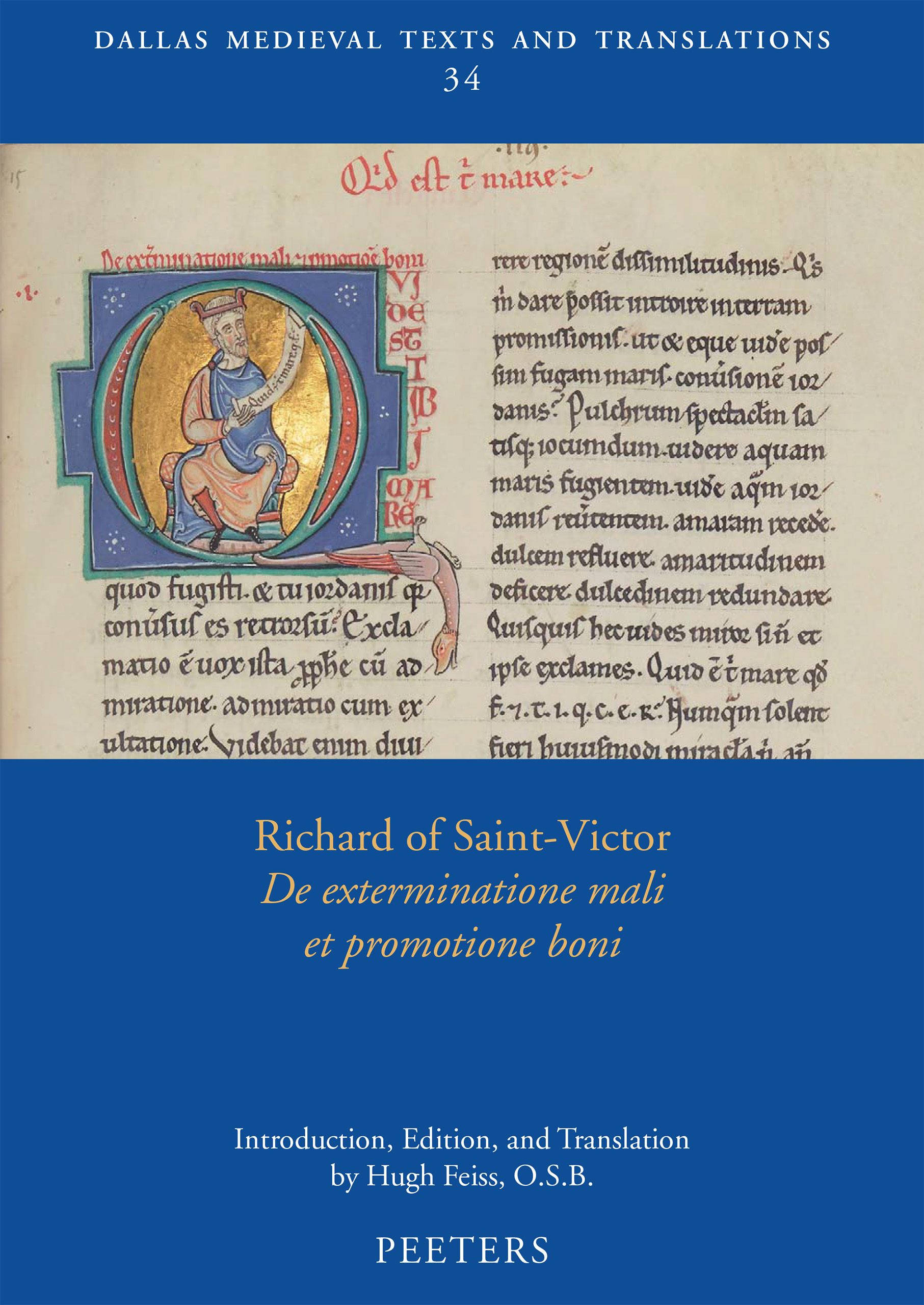
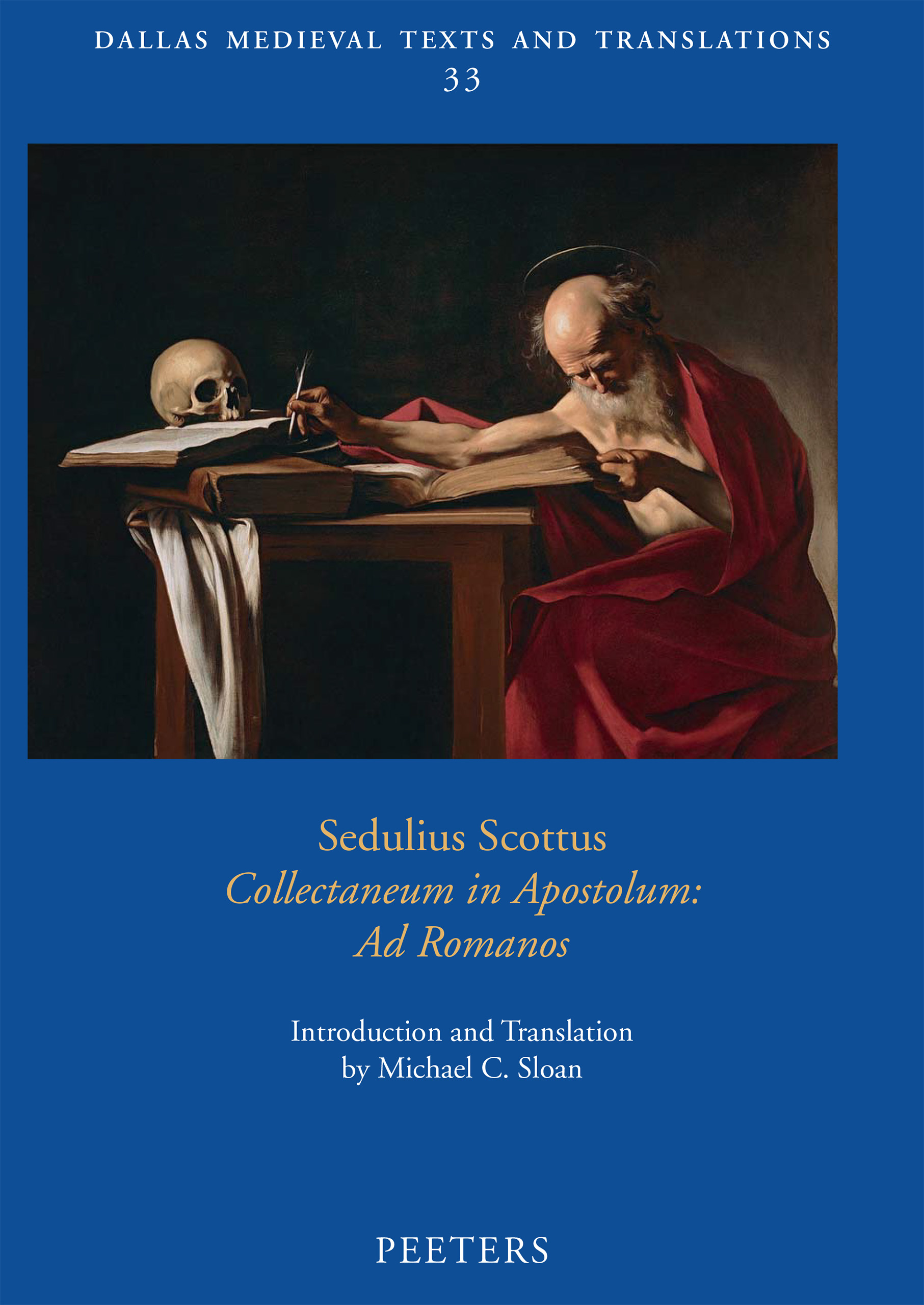


 The Anglo-Norman Bible’s Books of Kings, a Critical Edition
(BL Royal 1 C III, fols 234r-274v)
Volume 37


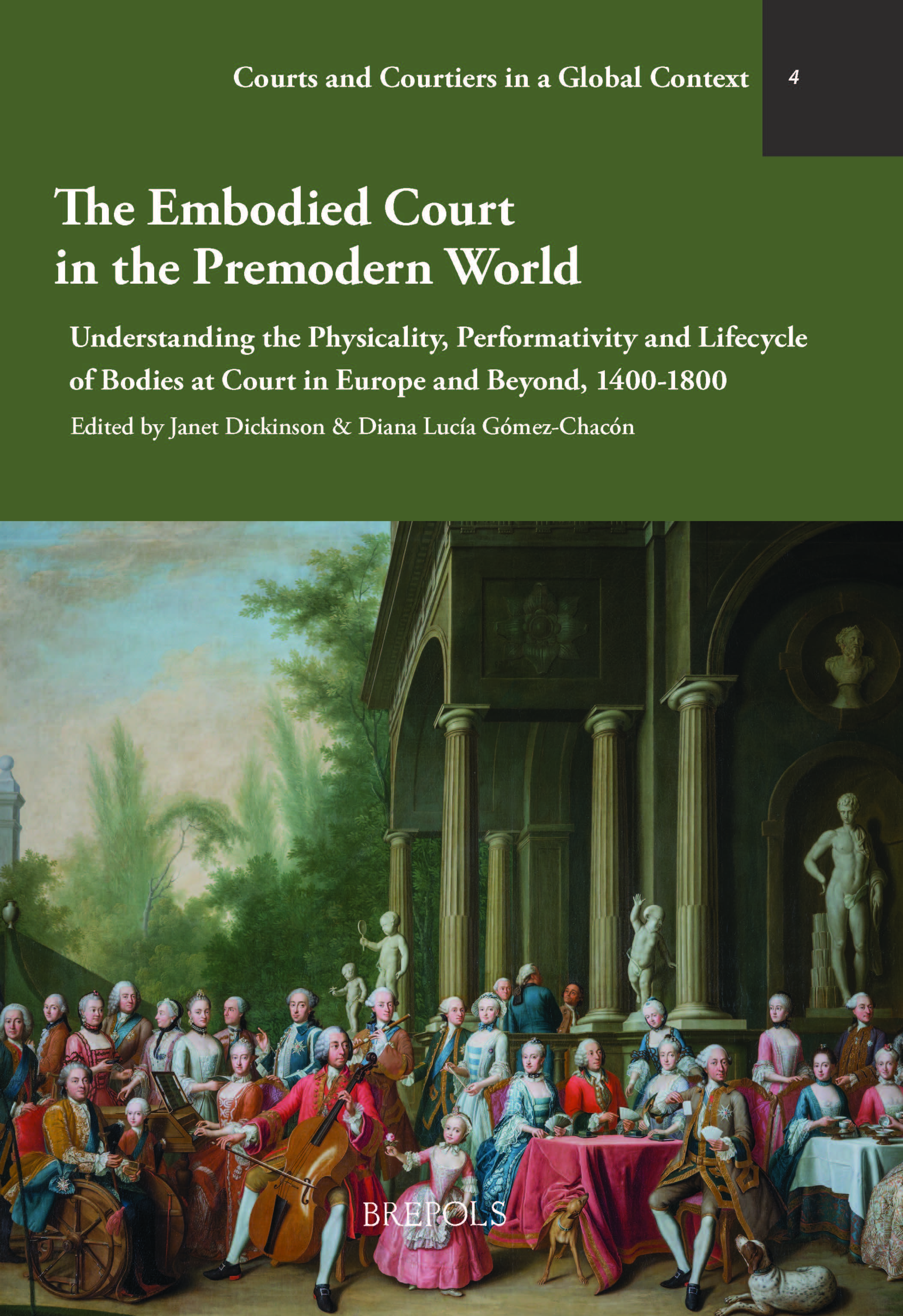 The Embodied Court in the Premodern World
Understanding the Physicality, Performativity and Lifecycle of Bodies at Court in Europe and Beyond, 1400-1800
Volume 4


