
Representations et personnification de la sagesse dans l’Antiquite et au-dela
edited by C. Dogniez and S. Anthonioz

Lady Wisdom generally designates the figure of wisdom as she appears in some biblical passages. If literary personification is a relatively common phenomenon, that of wisdom is more surprising, since it develops to the point of giving this figure a unique identity in relation to God. The question is therefore not only literary, to the point that the concepts of immanence, transcendence, or even hypostasis have been proposed to define it, but also about the numerous attempts that assimilate wisdom to some known or now forgotten ancient divinity. The various studies gathered in this volume consider the times and environments of emergence of the various representations of wisdom in antiquity, dig into the influences within the Mesopotamian, Egyptian, Levantine and Greek traditions, and demonstrate how the figure of personified wisdom is a fluid figure in constant evolution along to certain religious environments.
Par Dame Sagesse on designe generalement la figure de la sagesse telle qu’elle apparaOEt dans quelques passages bibliques. Si la personnification litteraire est un phenomene relativement courant, celle de la sagesse est plus etonnante, puisqu’elle se developpe au point de donner a cette figure une identite unique en relation avec Dieu. La question n’est donc plus seulement litteraire, au point que les concepts d’immanence, de transcendance ou meme d’hypostase ont pu etre proposes pour la definir, sans oublier les nombreuses tentatives qui l’assimilent a quelque divinite antique connue ou aujourd’hui oubliee. Les diverses etudes reunies dans ce volume considerent d’abord les epoques et les milieux d’emergence des diverses representations de la sagesse dans l’Antiquite, elles creusent les influences possibles voire evidentes au sein des traditions mesopotamiennes, egyptiennes, levantines et grecques et demontrent finalement comment la figure de la sagesse personnifiee est une figure fluide, en constante evolution, au gre de certains milieux religieux et de leurs interrogations. Lady Wisdom usually refers to the figure of wisdom personified in some biblical texts. If personification is a relatively common literary device, that of wisdom is more striking, as it develops to the point of giving to the figure a unique identity in relation to God. The question is no longer literary, and concepts of immanence, transcendence and even hypostasis have been proposed to define her, as well as diverse identifications with some known or now forgotten ancient divinity. The contributions in this volume seek first to consider the context of each witness of the representations of wisdom in Antiquity, they trace possible influences within Mesopotamian, Egyptian, Levantine and Greek traditions, and finally demonstrate how wisdom personified is a fluid figure, in constant evolution, according to certain religious milieux and their interrogations.
- Edited by S Anthonioz
- Edited by C Dogniez
Other Titles in this Series

 Les Jafnides
Des rois arabes au service de Byzance (VIe siecle de l'ere chretienne): (Actes du colloque de Paris, 24-25 novembre 2008)
Volume 17
 Architecture et decor dans l’Orient chretien (IVe-VIIIe Siecle)
Actes de la journee d'etudes en hommages au pere Michele Piccirillo, INHA, Paris, 8 decembre 2011
Volume 21


 Ancient Jewish Texts and Greek Culture
Accommodations and Appropriations (2nd c. BC – 1st c. AD)
Volume 46
 An Ancient Mesopotamian Herbal Handbook
The Series URU.AN.NA and MUD-UR.MAH. Volume 1: The Tablets
Volume 33
 Guerison, religion et raison
De la medecine hippocratique aux neurosciences: Actes de colloque
Volume 24


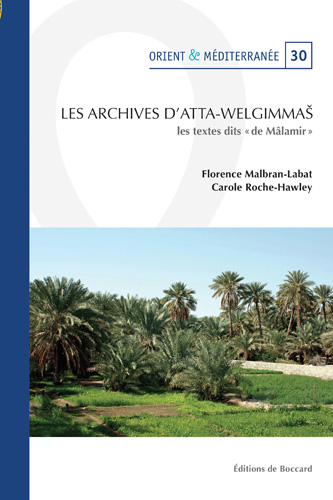
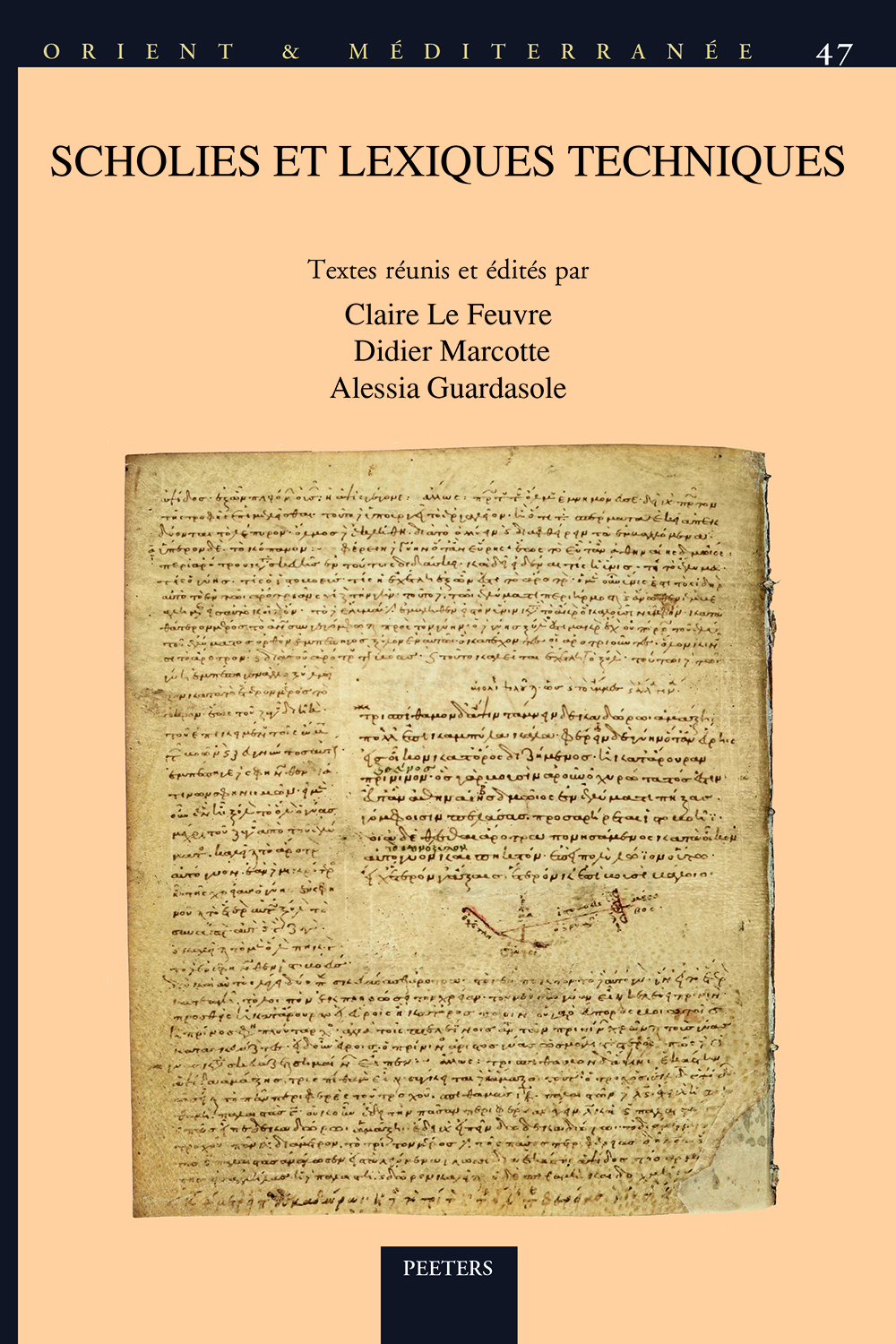

 Histoire et geographie chez les auteurs grecs du IIe siecle avant J.-C. au VIe siecle apres J.-C.
Volume 29
 Médecine et christianisme: Sources et pratiques
Actes du colloque international de Paris, septembre 2016
Volume 40




Similar Books


 Contesting Labeled Identities
The Sociology of Gentilics in Biblical and Northwest Semitic Literature

 Drunk the Potion, No Whit Charmed
The Doctrine of Pure and Perfect Souls from Iamblichus to Damascius

 Epigraphic “Shades” from Hellenistic Thrace
Contextualizing Inscriptions in Greek from Thracian Tombs

 Epiphanies of the Divine in the Septuagint and the New Testament
Fifth International Symposium of the Corpus Judaeo-Hellenisticum Novi Testamenti (CJHNT), 14-17 May 2015, Nottingham


 Gold, Silver and Glass: Power Networks, Cultural Identities, Technology Transfers and Agency across the Old World (7th Century BC – 1st Century AD)
Proceedings of a Conference Held at the British Museum, 16–18 June 2023
 Language and Power in the Roman Empire and Early India
Hierarchy, Ambiguity, and the Art of Reading the Signs in Cosmopolitan Cultures
 Late Antique villae in the Balkans (3rd–7th c. AD): Current Research Questions and Perspectives
HAEMUS Companion to the Late Antique Balkans 1
Volume 4


 Nurturing the Elite
Representations of Drinking, Eating, and Religious Vessels in Palmyrene Funerary Iconography
Volume 13





 Roman Copies, Collecting, and Culture in the Bay of Naples and Beyond
Papers in Honor of Eugene J. Dwyer



 The Compositional History of the Book of Kings
An Analysis of the Evaluative Frameworks in 1 Kings 14–2 Kings 25




 Zooarchaeology of Ancient Greek Sanctuaries in Southwestern Sicily
Faunal Analysis from Selinus and Akragas as Evidence of Differences in the Treatment of Animals for Ritual Purposes


