
La culture de l’ecrit en Mediterranee occidentale a travers les pratiques epigraphiques (Gaule, Iberie, Afrique du Nord)
edited by M. Coltelloni-Trannoy and N. Moncunill Marti

Cet ouvrage est le resultat d’un colloque international qui s’est tenu a Paris en 2017 sur un domaine d’etude en renouvellement profond depuis une vingtaine d’annees: les pratiques de l’ecrit dans le monde antique. Le projet etait oriente vers des territoires juges couramment peripheriques parce qu’ils sont vus comme des frontieres culturelles. Pourtant ce sont des lieux de processus dynamiques d’acculturation et d’invention de nouveaux modes de communication. Les contacts avec les Pheniciens puis les Puniques, les Grecs, les Italiques ont servi de terreau, en Occident, a la creation d’alphabets multiples et de pratiques de literacy originales dont on a la trace dans tous les milieux. La documentation epigraphique se prete particulierement bien a l’etude de la capacite qu’avaient les populations, meme modestes, a lire, comprendre, utiliser l’ecrit, en somme a s’emparer des potentialites de l’ecriture en dehors de l’ecriture noble qu’etait la redaction litteraire, reservee aux elites. This book is the result of an international symposium held in Paris in 2017 on a subject undergoing profound renewal over recent decades, namely the writing practices of the ancient world. The project focused on territories commonly considered “peripheral” because they are seen as cultural frontiers. Yet these are places of dynamic processes of cultural change and invention of new ways of communication. Contacts with the Phoenicians, then the Punics, the Greeks and Italic peoples served as a breeding ground in the West for the creation of multiple alphabets and new writing practices, of which there are traces in all environments. Epigraphic documentation is particularly suited to the study of the engagement of even the lower status parts of the population in practices related to writing, in short to seize the potential of writing outside the high-level practice of composing literature, which was reserved for the elite.
Cet ouvrage est le resultat d’un colloque international qui s’est tenu a Paris en 2017 sur un domaine d’etude en renouvellement profond depuis une vingtaine d’annees: les pratiques de l’ecrit dans le monde antique. Le projet etait oriente vers des territoires juges couramment peripheriques parce qu’ils sont vus comme des frontieres culturelles. Pourtant ce sont des lieux de processus dynamiques d’acculturation et d’invention de nouveaux modes de communication. Les contacts avec les Pheniciens puis les Puniques, les Grecs, les Italiques ont servi de terreau, en Occident, a la creation d’alphabets multiples et de pratiques de literacy originales dont on a la trace dans tous les milieux. La documentation epigraphique se prete particulierement bien a l’etude de la capacite qu’avaient les populations, meme modestes, a lire, comprendre, utiliser l’ecrit, en somme a s’emparer des potentialites de l’ecriture en dehors de l’ecriture noble qu’etait la redaction litteraire, reservee aux elites. This book is the result of an international symposium held in Paris in 2017 on a subject undergoing profound renewal over recent decades, namely the writing practices of the ancient world. The project focused on territories commonly considered “peripheral” because they are seen as cultural frontiers. Yet these are places of dynamic processes of cultural change and invention of new ways of communication. Contacts with the Phoenicians, then the Punics, the Greeks and Italic peoples served as a breeding ground in the West for the creation of multiple alphabets and new writing practices, of which there are traces in all environments. Epigraphic documentation is particularly suited to the study of the engagement of even the lower status parts of the population in practices related to writing, in short to seize the potential of writing outside the high-level practice of composing literature, which was reserved for the elite.
- Edited by M Coltelloni-Trannoy
- Edited by N Moncunill Marti
Other Titles in this Series
 An Ancient Mesopotamian Herbal Handbook
The Series URU.AN.NA and MUD-UR.MAH. Volume 1: The Tablets
Volume 33
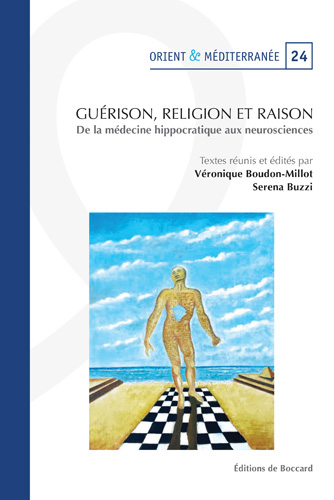 Guerison, religion et raison
De la medecine hippocratique aux neurosciences: Actes de colloque
Volume 24
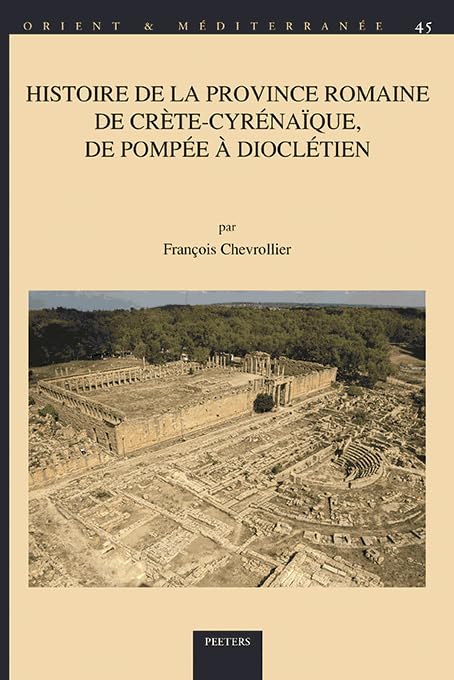


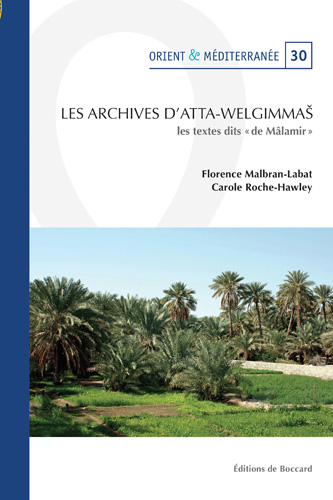
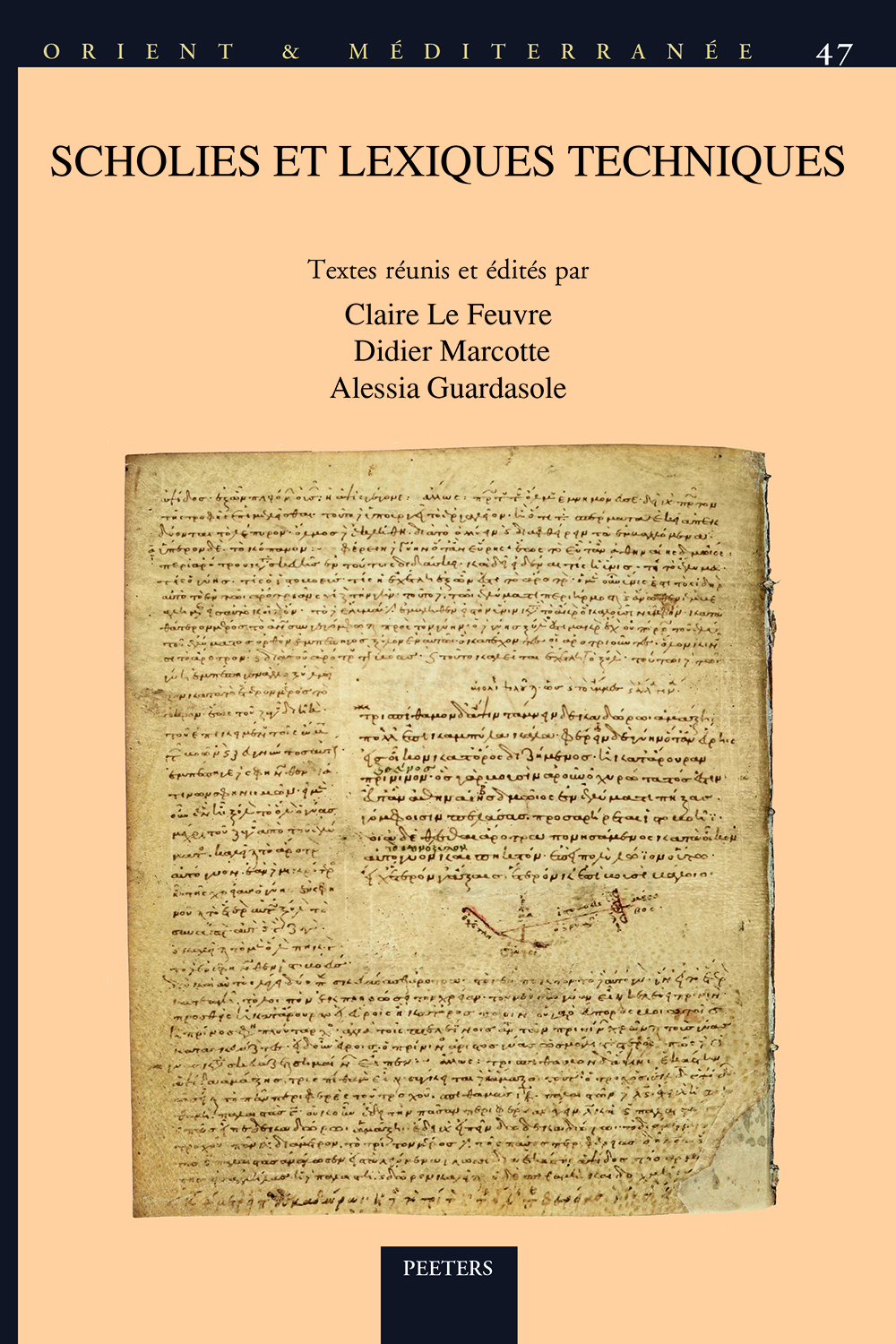

 Histoire et geographie chez les auteurs grecs du IIe siecle avant J.-C. au VIe siecle apres J.-C.
Volume 29
 Médecine et christianisme: Sources et pratiques
Actes du colloque international de Paris, septembre 2016
Volume 40




 Les Jafnides
Des rois arabes au service de Byzance (VIe siecle de l'ere chretienne): (Actes du colloque de Paris, 24-25 novembre 2008)
Volume 17
 Architecture et decor dans l’Orient chretien (IVe-VIIIe Siecle)
Actes de la journee d'etudes en hommages au pere Michele Piccirillo, INHA, Paris, 8 decembre 2011
Volume 21


 Ancient Jewish Texts and Greek Culture
Accommodations and Appropriations (2nd c. BC – 1st c. AD)
Volume 46
Similar Books


 Contesting Labeled Identities
The Sociology of Gentilics in Biblical and Northwest Semitic Literature

 Drunk the Potion, No Whit Charmed
The Doctrine of Pure and Perfect Souls from Iamblichus to Damascius

 Epigraphic “Shades” from Hellenistic Thrace
Contextualizing Inscriptions in Greek from Thracian Tombs

 Epiphanies of the Divine in the Septuagint and the New Testament
Fifth International Symposium of the Corpus Judaeo-Hellenisticum Novi Testamenti (CJHNT), 14-17 May 2015, Nottingham


 Gold, Silver and Glass: Power Networks, Cultural Identities, Technology Transfers and Agency across the Old World (7th Century BC – 1st Century AD)
Proceedings of a Conference Held at the British Museum, 16–18 June 2023
 Language and Power in the Roman Empire and Early India
Hierarchy, Ambiguity, and the Art of Reading the Signs in Cosmopolitan Cultures
 Late Antique villae in the Balkans (3rd–7th c. AD): Current Research Questions and Perspectives
HAEMUS Companion to the Late Antique Balkans 1
Volume 4


 Nurturing the Elite
Representations of Drinking, Eating, and Religious Vessels in Palmyrene Funerary Iconography
Volume 13





 Roman Copies, Collecting, and Culture in the Bay of Naples and Beyond
Papers in Honor of Eugene J. Dwyer



 The Compositional History of the Book of Kings
An Analysis of the Evaluative Frameworks in 1 Kings 14–2 Kings 25




 Zooarchaeology of Ancient Greek Sanctuaries in Southwestern Sicily
Faunal Analysis from Selinus and Akragas as Evidence of Differences in the Treatment of Animals for Ritual Purposes


