Picturing Royal Charisma: Kings and Rulers in the Near East from 3000 BCE to 1700 CE
Edited by Arlette David Edited by Rachel Milstein Edited by Tallay Ornan

Paperback (Published)
(May 2023)
ISBN: 9781803271606
8.07 x 11.46 inches
Price: $45.00
In stock
Picturing Royal Charisma assesses how Middle Eastern leaders manipulated visuals to advance their rule from around 4500 BC to the 19th century AD. In nine fascinating narratives, it showcases the dynamics of long-lasting Middle Eastern traditions, dealing with the visualization of those who stood at the head of the social order. The contributions discuss: Mesopotamian kings who cast themselves as divine representatives in art; the relationships between the ‘king of men’ and ‘king of beasts’ – the lion; Akhenaten’s visual conception of a divine king without hybrid attributes; the royal image as guiding movements of visitors in the palace of Nimrud; continuities in the functions and representation of Neo-Assyrian eunuchs that survived in the Achaemenid, Sasanian, Byzantine and Islamic courts; the triumphal arch of the emperor Titus and its reflections in Christian Constantinople; patterns of authority and royal legitimacy in 3rd century AD Palmyra and Rome; the use of the Biblical past in the construction of kingship in 12th century Crusader Jerusalem; and the use of ‘the power of images’ by Islamic rulers, adopting visuals of thrones and throne-rooms despite Islamic opposition to the figurative portrayal of kings.
Introduction : Picturing Royal Charisma: The Image of Kings in the Eastern Mediterranean from the Late Fourth Millennium to the Islamic Period (c. 3250 BCE to 1600 CE) - Arlette David, Rachel Milstein, Tallay Ornan Chapter 1: In the Beginning: The First 1200 Years in Mesopotamia - Claudia E. Suter Chapter 2: The Defeat of the Lion: A Visual Trope Promoting Ancient Near Eastern Kings - Tallay Ornan Chapter 3: Hybridism as a Visual Mark of Divinity: The Case of Akhenaten - Arlette David Chapter 4: The Architectural Presence of the Assyrian King in His Palaces - David Kertai Chapter 5: The King's Faithful Servants: The Eunuch's Role as Sovereign Attribute with an Emphasis on Assyria - Irit Ziffer Chapter 6: The Arch of Titus: Jerusalem in Rome - Galit Noga-Banai Chapter 7: Basileus basileion: Weberian Approaches to Authority in the roman Near East - Michael Sommer Chapter 8: Royal Sovereignty in Frankish Jerusalem: Davidic Legacy and the Transformation of Jerusalem's Cityscape in the 12th Century - Anna Gutgarts Chapter 9: Sacred Space and the Royal Seat: Islamic Imagery of Kingship - Rachel Milstein, Introduction : Picturing Royal Charisma: The Image of Kings in the Eastern Mediterranean from the Late Fourth Millennium to the Islamic Period (c. 3250 BCE to 1600 CE) – Arlette David, Rachel Milstein, Tallay Ornan Chapter 1: In the Beginning: The First 1200 Years in Mesopotamia – Claudia E. Suter Chapter 2: The Defeat of the Lion: A Visual Trope Promoting Ancient Near Eastern Kings – Tallay Ornan Chapter 3: Hybridism as a Visual Mark of Divinity: The Case of Akhenaten – Arlette David Chapter 4: The Architectural Presence of the Assyrian King in His Palaces – David Kertai Chapter 5: The King’s Faithful Servants: The Eunuch’s Role as Sovereign Attribute with an Emphasis on Assyria – Irit Ziffer Chapter 6: The Arch of Titus: Jerusalem in Rome – Galit Noga-Banai Chapter 7: Basileus basileion: Weberian Approaches to Authority in the roman Near East – Michael Sommer Chapter 8: Royal Sovereignty in Frankish Jerusalem: Davidic Legacy and the Transformation of Jerusalem’s Cityscape in the 12th Century – Anna Gutgarts Chapter 9: Sacred Space and the Royal Seat: Islamic Imagery of Kingship – Rachel Milstein
Arlette David trained as a lawyer (Université Libre de Bruxelles) and as an Egyptologist at the Hebrew University of Jerusalem, where she is now Professor of Egyptology. She has published studies on ancient Egyptian legal languages, scriptural categorization, art and material culture, and especially on the iconography of the Amarna Period (recently Renewing Royal Imagery: Akhenaten and Family in the Amarna Tombs, 2021).
Rachel Milstein studied Islamic art and culture at the Hebrew University of Jerusalem, where, until her retirement, she taught Islamic art. Her research focuses on illustrative painting, mainly in Persian manuscripts, and her principal publications concentrate on religious iconography (Miniature Painting in Ottoman Baghdad, Costa Mesa, 1990, and La Bible dans l’art islamique, 2005).
Tallay Ornan is Professor emerita in the Departments of Archaeology and Ancient Near Eastern Civilizations and of Art History at the Hebrew University of Jerusalem. She specializes in the art of the ancient Near East, focusing on the Bronze and Iron Ages, c. 3000‒500 BCE. Her publications combine studies dealing with Mesopotamian, Syrian, and Levantine art to shed light on the transfer of ideas within the Near Eastern Bronze and Iron Ages and processes of cultural borrowing and reception.
- Edited by Arlette David
- Edited by Rachel Milstein
- Edited by Tallay Ornan
Similar Books





 Boğazköy Tablets in the Museum of Anatolian Civilizations (Bo 9032–Bo 9097)
Anadolu Medeniyetleri Müzesinde Bulunan Boğazköy Tabletleri (Bo 9032–Bo 9097)
Volume 4
 Connecting the Dots: Counting, Writing, and the Beginnings of Civilization
The Secret Lives of Clay Tokens: A Memoir

 Curating the Prehistoric Past
Studies on West Asian Archaeology and Beyond in Honour of Yoshihiro Nishiaki

 Exploring Gender Dynamics across the Ancient Near East
Collected Essays of Gender and Methodology in the Ancient Near East (GeMANE) 4 and 5
Volume 7


 Ḫattušaš utnē išḫameški
Hittite and Other Ancient Near Eastern Studies Presented to Piotr Taracha on the Occasion of His 65th Birthday




 Kultur – Kontakt – Kultur
Beiträge anlässlich der 66. Rencontre Assyriologique Internationale in Frankfurt/Main und Mainz, 25.–29. Juli 2022
Volume 35
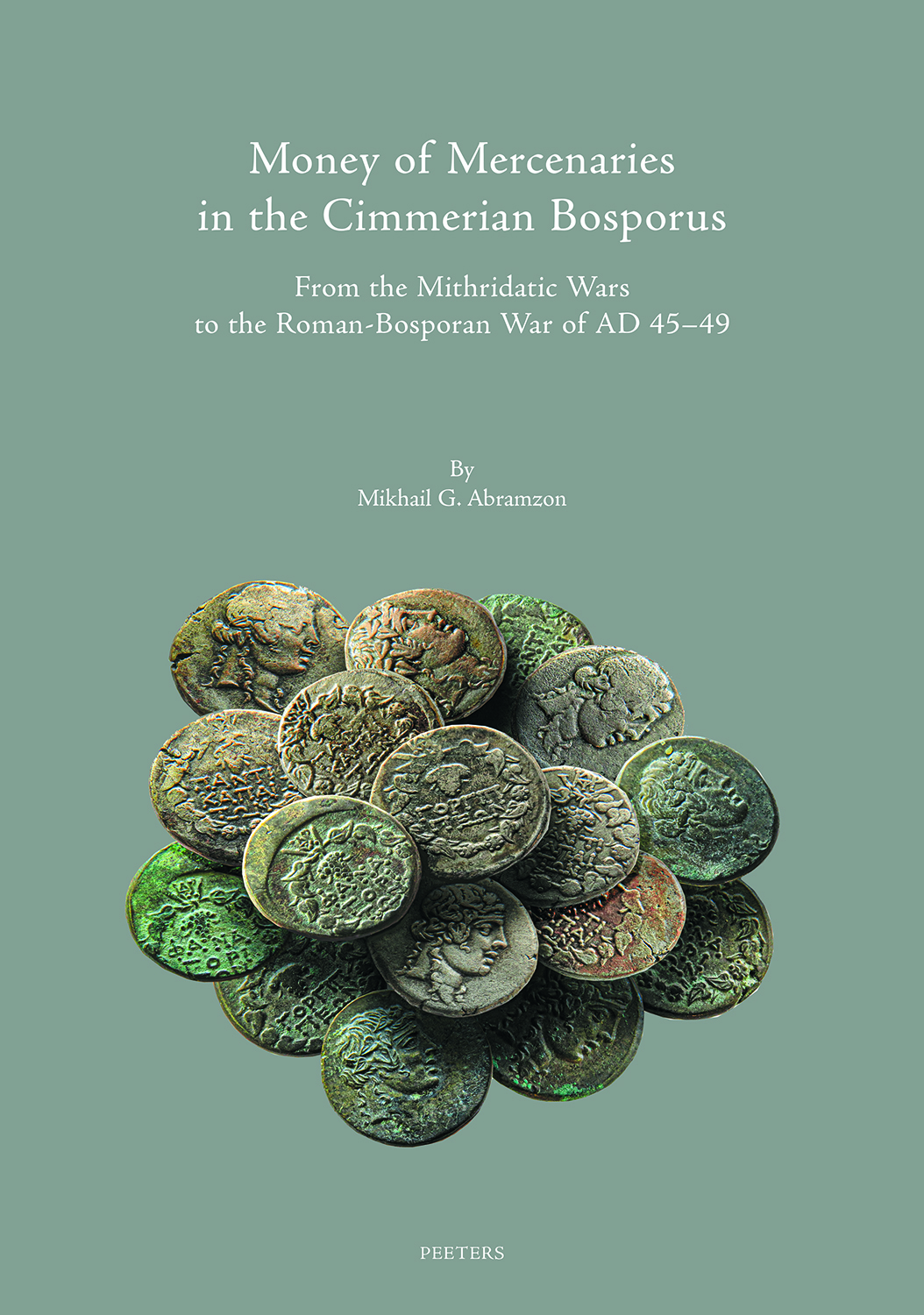 Money of Mercenaries in the Cimmerian Bosporus
From the Mithridatic Wars to the Roman-Bosporan War of AD 45-49
Volume 45

 New Research on Old Collections in Southwest Asian Archaeology
Proceedings of the Workshop Held at the British Museum, London, 31 July – 2 August, 2023
 Old Aramaic Inscriptions and their Contexts
An Epigraphic, Archaeological, and Historical Synthesis
Volume 63

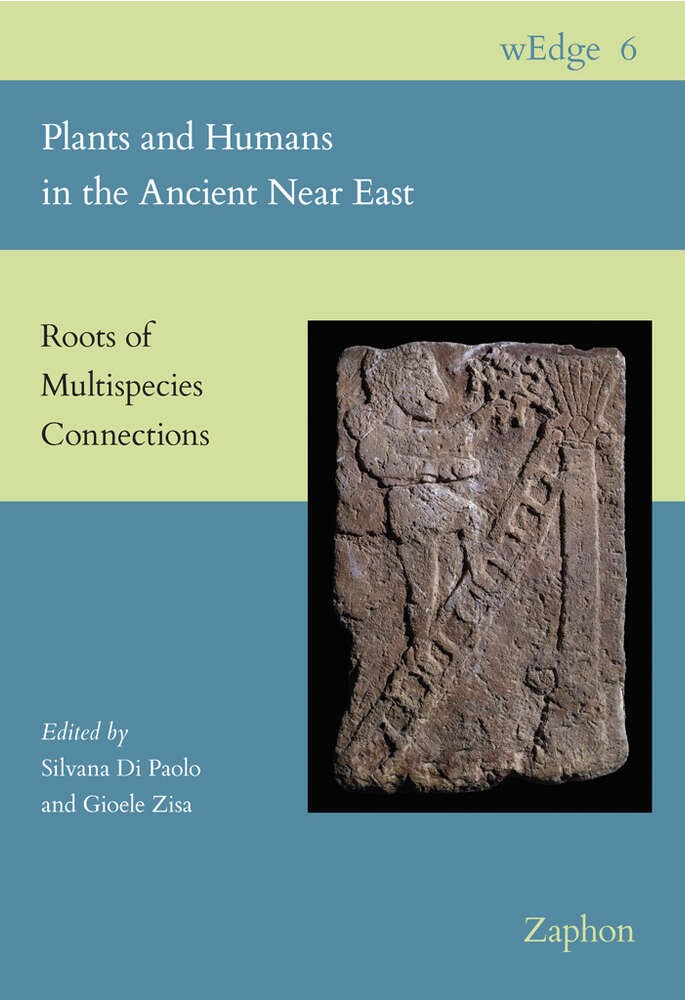
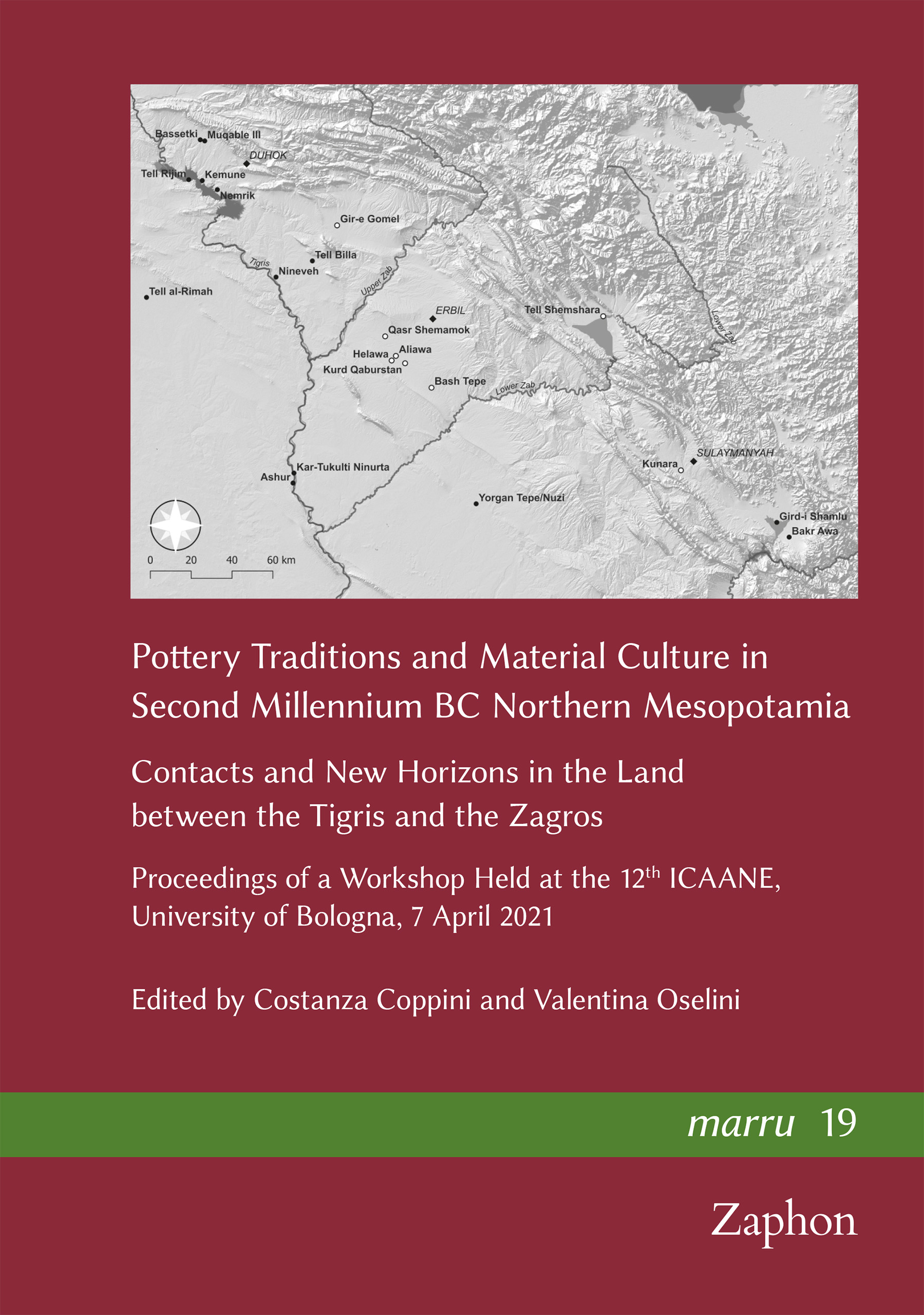 Pottery Traditions and Material Culture in Second Millennium BC Northern Mesopotamia
Contacts and New Horizons in the Land between the Tigris and the Zagros. Proceedings of a Workshop Held at the 12th ICAANE, University of Bologna, 7 April 2021
Volume 19
 Punning in Odd or Elegant Constructions in Jeremiah
The Convergence of Linguistics, Rhetoric, and Textuality in the Hebrew Text of Jeremiah

 Sertorius, the Exiles of the Sullan Regime and the Provinces of the Empire
Legitimacy, Morality and Imperial Discourse in the 70s BCE
 Shame in the Worlds of the Hebrew Bible and Akkadian Texts
A Linguistic Study and Its Implications
Volume 33

 Telling Contexts
Archaeological and Textual Studies in Honor of Elizabeth Bloch-Smith and Mark S. Smith
 The Body
Lived, Cultured, Adorned: Essays on Dress and the Body in the Bible and Ancient Near East in Honor of Nili S. Fox
 The Discourse of Rites
Shaping and Reshaping the (Counter-)Priestly Rituals Conducted Outside the Tabernacle
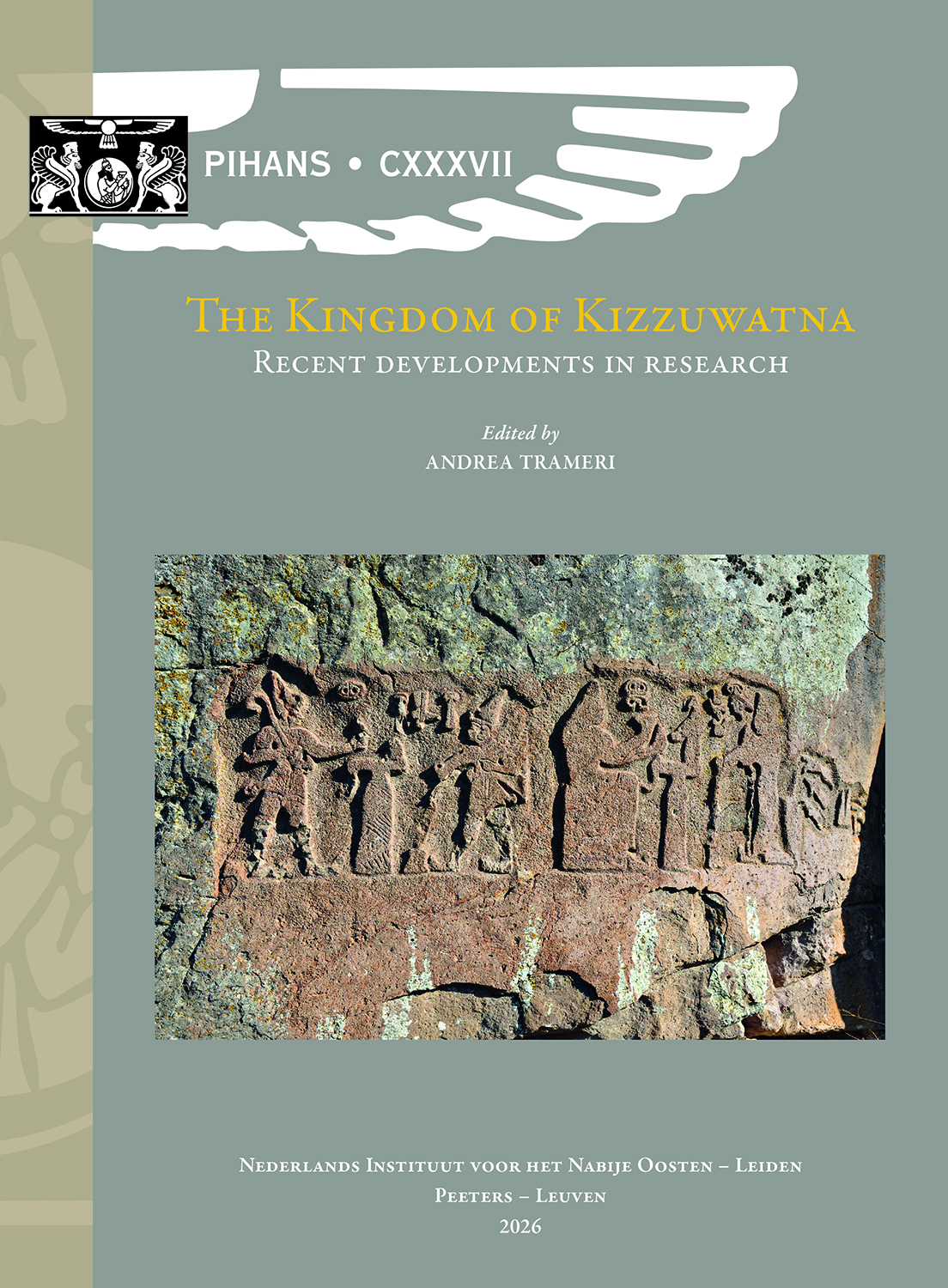 The Kingdom of Kizzuwatna: Recent Developments in Research
Proceedings of the Third NINO Postdoctoral Research Fellow Annual Conference, Leiden, 23rd-25th March 2023
Volume 137