
Phellos
Geschichte und Archaologie einer zentrallykischen Stadtanlage und ihrer Nekropolen
by Oliver Hulden and Martin Zimmermann

Located in the central Lycian highlands, Phellos was the seat of a dynasty since archaic times, before transforming into a Greek-style polis during the Hellenistic period. The settlement was only of average size, but this meant that it belonged to the vast majority of cities in Greek and Roman antiquity. Large parts of the settlement development of Phellos can therefore be considered representative not only of the Lycian peninsula, but also of other parts of ancient Asia Minor. The mountain town is unique in its combination with the port of Antiphellos, which had a significant influence on the history and development of both places. Over time, Antiphellos emancipated itself and experienced an urban boom since the early Hellenistic period, whereas the settlement on the mountain did participate in new developments, but remained stuck in a certain conservatism. This volume presents the results of extensive field research in Phellos, which paints a fascinating picture of the citys history from the Archaic period to the Byzantine era. Based on the fortifications, public buildings, residential houses and extensive necropolis areas of Phellos, urban transformation processes are traced that smaller settlements underwent in the course of Lycias political developments. They reflect the adaptability of the inhabitants to changing external conditions, which is why Phellos clearly demonstrates how small towns managed to actively shape the changes of their time and survive as independent poleis.
- By (author) Oliver Hulden
- By (author) Oliver Zimmermann
Similar Books



 Caesar’s Visions and Impact on the Roman Empire
Revisiting the Archaeological and Historical Record of the 40s BC
Volume 2

 Connecting the Dots: Counting, Writing, and the Beginnings of Civilization
The Secret Lives of Clay Tokens: A Memoir


 Etruscan and Roman Hellenistic Anatomical ex votos
Reassessing Popular Religious Expressions in Central Italy
Volume 8

 Exploring Gender Dynamics across the Ancient Near East
Collected Essays of Gender and Methodology in the Ancient Near East (GeMANE) 4 and 5
Volume 7


 Ḫattušaš utnē išḫameški
Hittite and Other Ancient Near Eastern Studies Presented to Piotr Taracha on the Occasion of His 65th Birthday


 Invisible Labour in Antiquity
Visualizing Obscure Work in the Ancient Mediterannean and West Asia
Volume 1
 Late Antique villae in the Balkans (3rd–7th c. AD): Current Research Questions and Perspectives
HAEMUS Companion to the Late Antique Balkans 1
Volume 4

 New Research on Old Collections in Southwest Asian Archaeology
Proceedings of the Workshop Held at the British Museum, London, 31 July – 2 August, 2023
 Old Aramaic Inscriptions and their Contexts
An Epigraphic, Archaeological, and Historical Synthesis
Volume 63


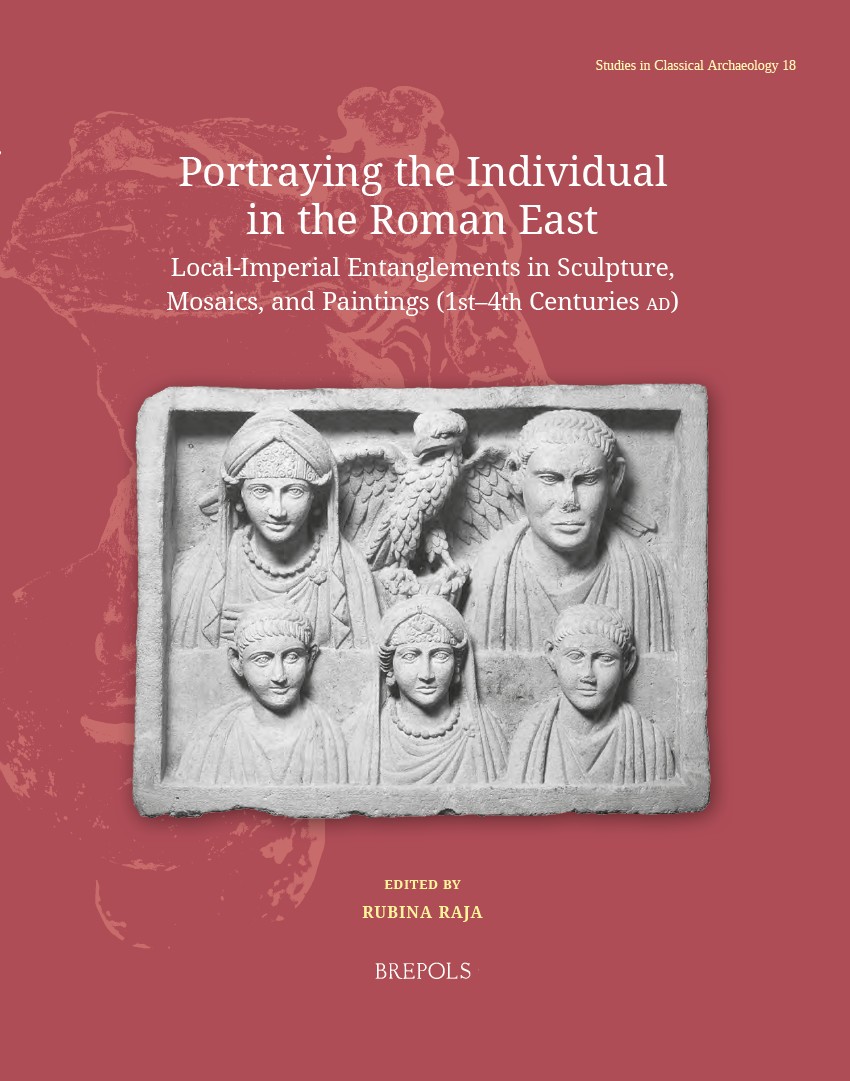 Portraying the Individual in the Roman East
Local–Imperial Entanglements in Sculpture, Mosaics, and Paintings (First–Fourth Centuries AD)
Volume 18
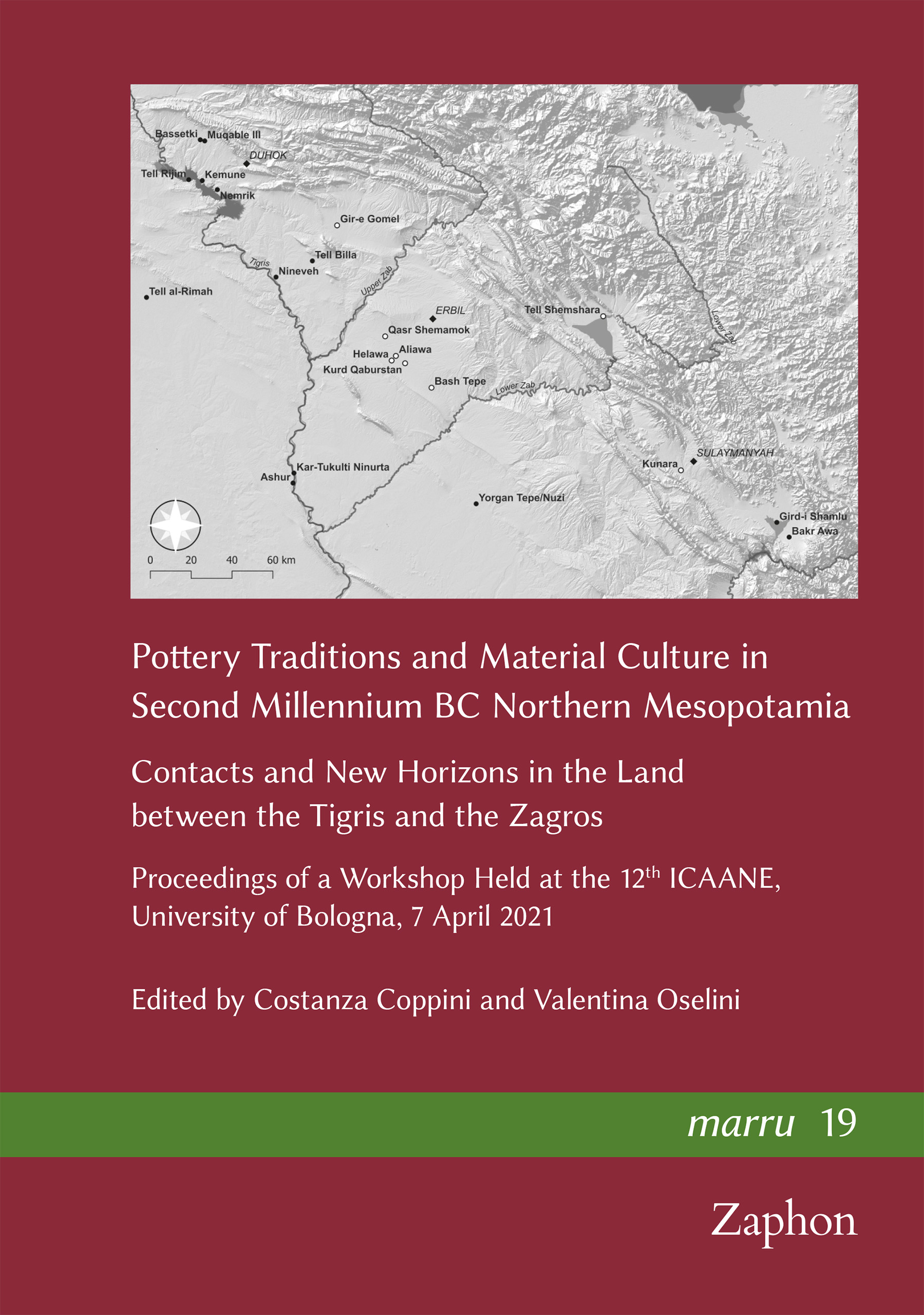 Pottery Traditions and Material Culture in Second Millennium BC Northern Mesopotamia
Contacts and New Horizons in the Land between the Tigris and the Zagros. Proceedings of a Workshop Held at the 12th ICAANE, University of Bologna, 7 April 2021
Volume 19
 Punning in Odd or Elegant Constructions in Jeremiah
The Convergence of Linguistics, Rhetoric, and Textuality in the Hebrew Text of Jeremiah

 Shame in the Worlds of the Hebrew Bible and Akkadian Texts
A Linguistic Study and Its Implications
Volume 33
 Small Worlds and Relational Agencies: Local Societies in Early Medieval Iberia
Pequeños mundos y Agencias relacionales: Sociedades locales altomedievales en la Península Ibérica
 Telling Contexts
Archaeological and Textual Studies in Honor of Elizabeth Bloch-Smith and Mark S. Smith
 The Body
Lived, Cultured, Adorned: Essays on Dress and the Body in the Bible and Ancient Near East in Honor of Nili S. Fox
 The Discourse of Rites
Shaping and Reshaping the (Counter-)Priestly Rituals Conducted Outside the Tabernacle
