
Pascal et son libertin
by Antony McKenna

Pascal’s anthropology of the “misery of man without God” gives strong expression to the nonbeliever’s vision of the world and of his own nature. The intellectual profile of the libertin appears between the lines of the apologetic argument.
Pascal’s anthropology of the “misery of man without God” gives strong expression to the nonbeliever’s vision of the world and of his own nature. The intellectual profile of the libertin appears between the lines of the apologetic argument.
- By (author) Antony McKenna
Other Titles in this Series


 Politique du heros chretien
Clovis (Jean Desmarets de Saint-Sorlin, 1657) et Saint Louis (Pierre Le Moyne, 1658)
Volume 80, 12


 La Rome du marquis de Coulanges
D’après ses récits de voyage, ses chansons et sa correspondance
Volume 94, 6


 L’Anecdote ou la fabrique du petit fait vrai
De Tallemant des Réaux à Voltaire (1650-1750)
Volume 33, 6


 Crises et renouveaux du geste hagiographique
Les Vies de Jeanne de Chantal (XVIIe et XXe siecles)
Volume 73, 14
Similar Books
 ‘For You I Study, For You I Work, For You I Live, For You I Am Ready To Even Give My Life’
Essays in Honour of Francis (Frank) J Moloney, SDB




 Ars Prophetica
Theology in the Poetry of Twentieth-Century Hebrew Poets Avraham Halfi, Shin Shalom, Amir Gilboa, and T. Carmi
 As Messianism Turns to Heresy
The Regenstein Chair Lectures On Lurianic Kabbalah and Shabbatai Tzevi at Hebrew Union College - Cincinnati


 Drunk the Potion, No Whit Charmed
The Doctrine of Pure and Perfect Souls from Iamblichus to Damascius



 Extracanonical Traditions and the Holy Land
Texts, Rituals, and Material Culture in Late Antique Palestine
 Fear, Fear of God, God-Fearers
Philological and Historical Perspectives on the World of Ancient Judaism and Christianity




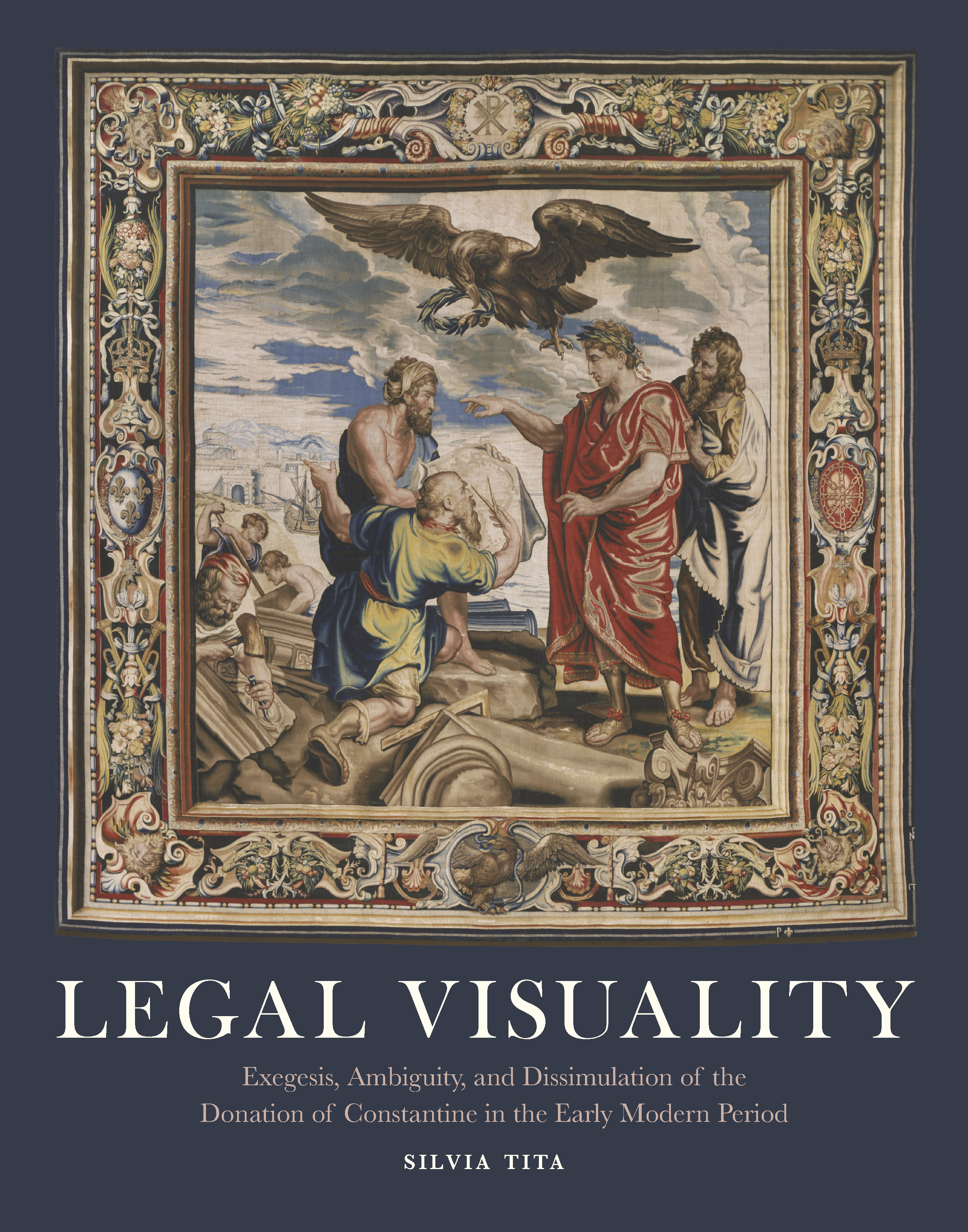 Legal Visuality
Exegesis, Ambiguity, and Dissimulation of the Donation of Constantine in the Early Modern Period