
Osterreich und die DDR 1949-1990
Politik und Wirtschaft im Schatten der deutschen Teilung
by Maximilian Graf and edited by Michael Gehler and Wolfgang Mueller

Hardback (Published)
(July 2016)
ISBN: 9783700179511
5.91 x 8.86 inches
Price: $88.00
In stock
English summary: Based on research in numerous archives, this book is the first systematic overview on Austrian-East German relations in the Cold War. Starting with the diverging developments in Austria and Germany after World War II, it analyzes in the first instance contacts and relations in the period of non-recognition prior to 1972. Out of consideration for West German interests, official relations to the GDR were taboo. Nevertheless, intense unofficial diplomatic and hitherto unknown political contacts existed. Even though they did not lead to the premature recognition of the East German pariah, they at least contributed to shaping the future development of economic relations. Additionally, the fate of the some 20,000 Austrians living in the GDR is treated in the first part of the book.After diplomatic recognition, Austria became a diplomatic “ice breaker” for the GDR and East Berlin honored this policy in several ways. In 1975, Austria became the first Western country that officially recognized East German citizenship. This caused anger in West Germany, but it helped to solve a high number of humanitarian hardship cases. Chancellor Bruno Kreisky played a vanguard role in East Berlin’s relations to the West and economic relations increased significantly. Austria provided loans and received large-scale orders for its nationalized industries in return. This business-concept helped keep the ailing GDR solvent and in the end contributed to the severe crisis of Austria’s nationalized industries in the mid-1980s. Nevertheless, Austria and the GDR had become economic partners and Austria’s position towards German reunification was at least ambivalent. The monograph is a fundamental contribution to our knowledge on East German foreign and economic policy as well as the political culture of neutral Austria – especially with regard to the Kreisky years. German description: Basierend auf umfassenden Archivrecherchen liegt hier die erste Gesamtdarstellung zu den Beziehungen zwischen Osterreich und der DDR wahrend des Kalten Kriegs vor. Ausgehend von den divergierenden Entwicklungen Deutschlands und Osterreichs nach dem Zweiten Weltkrieg wird zunachst die Zeit bis zur Anerkennung im Jahr 1972 analysiert. Offizielle Beziehungen zur DDR waren aus Rucksicht auf die BRD tabu, aber dennoch entwickelten sich intensive inoffizielle diplomatische und bisher ganzlich unbekannte politische Kontakte. Diese fuhrten zwar nicht zu einer rascheren Anerkennung der als Pariastaat wahrgenommenen DDR durch Osterreich, legten jedoch den Grundstein fur die spatere Entwicklung der Wirtschaftsbeziehungen. Dieser Abschnitt behandelt schwerpunktmassig auch das Schicksal der 20.000 im deutschen “Arbeiter- und Bauernstaat” lebenden Osterreicher.Nach der Aufnahme diplomatischer Beziehungen avancierte Wien zum diplomatischen “Eisbrecher” fur die DDR; Ost-Berlin honorierte dies mit humanitaren und wirtschaftlichen Konzessionen. Die 1975 – sehr zum Missfallen der BRD – erfolgte Anerkennung der DDR-Staatsburgerschaft ermoglichte die Losung humanitarer Hartefalle. Kanzler Bruno Kreisky wurde zum Vorreiter in den westlichen Besuchskontakten mit der DDR, was eine veritable Ausweitung der Wirtschaftsbeziehungen zur Folge hatte. Osterreich vergab erhebliche Kredite und erhielt dafur im Gegenzug Grossauftrage fur seine verstaatlichte Industrie. Dieses Geschaftsmodell half der maroden DDR, ihre Zahlungsfahigkeit zu erhalten. Dagegen waren die DDR-Geschafte ein Hauptgrund fur die schwere Krise der osterreichischen Verstaatlichten Mitte der 1980er-Jahre. Dennoch war eine Wirtschaftspartnerschaft entstanden, und Osterreichs Haltung zur deutschen Einheit war zumindest ambivalent. Die vorliegende Studie ist ein fundamentaler Beitrag sowohl zur Geschichte der DDR-Aussenpolitik als auch zur politischen Kultur des neutralen Osterreich – insbesondere in der Ara Kreisky.
English summary: Based on research in numerous archives, this book is the first systematic overview on Austrian-East German relations in the Cold War. Starting with the diverging developments in Austria and Germany after World War II, it analyzes in the first instance contacts and relations in the period of non-recognition prior to 1972. Out of consideration for West German interests, official relations to the GDR were taboo. Nevertheless, intense unofficial diplomatic and hitherto unknown political contacts existed. Even though they did not lead to the premature recognition of the East German pariah, they at least contributed to shaping the future development of economic relations. Additionally, the fate of the some 20,000 Austrians living in the GDR is treated in the first part of the book.After diplomatic recognition, Austria became a diplomatic “ice breaker” for the GDR and East Berlin honored this policy in several ways. In 1975, Austria became the first Western country that officially recognized East German citizenship. This caused anger in West Germany, but it helped to solve a high number of humanitarian hardship cases. Chancellor Bruno Kreisky played a vanguard role in East Berlin’s relations to the West and economic relations increased significantly. Austria provided loans and received large-scale orders for its nationalized industries in return. This business-concept helped keep the ailing GDR solvent and in the end contributed to the severe crisis of Austria’s nationalized industries in the mid-1980s. Nevertheless, Austria and the GDR had become economic partners and Austria’s position towards German reunification was at least ambivalent. The monograph is a fundamental contribution to our knowledge on East German foreign and economic policy as well as the political culture of neutral Austria – especially with regard to the Kreisky years. German description: Basierend auf umfassenden Archivrecherchen liegt hier die erste Gesamtdarstellung zu den Beziehungen zwischen Osterreich und der DDR wahrend des Kalten Kriegs vor. Ausgehend von den divergierenden Entwicklungen Deutschlands und Osterreichs nach dem Zweiten Weltkrieg wird zunachst die Zeit bis zur Anerkennung im Jahr 1972 analysiert. Offizielle Beziehungen zur DDR waren aus Rucksicht auf die BRD tabu, aber dennoch entwickelten sich intensive inoffizielle diplomatische und bisher ganzlich unbekannte politische Kontakte. Diese fuhrten zwar nicht zu einer rascheren Anerkennung der als Pariastaat wahrgenommenen DDR durch Osterreich, legten jedoch den Grundstein fur die spatere Entwicklung der Wirtschaftsbeziehungen. Dieser Abschnitt behandelt schwerpunktmassig auch das Schicksal der 20.000 im deutschen “Arbeiter- und Bauernstaat” lebenden Osterreicher.Nach der Aufnahme diplomatischer Beziehungen avancierte Wien zum diplomatischen “Eisbrecher” fur die DDR; Ost-Berlin honorierte dies mit humanitaren und wirtschaftlichen Konzessionen. Die 1975 – sehr zum Missfallen der BRD – erfolgte Anerkennung der DDR-Staatsburgerschaft ermoglichte die Losung humanitarer Hartefalle. Kanzler Bruno Kreisky wurde zum Vorreiter in den westlichen Besuchskontakten mit der DDR, was eine veritable Ausweitung der Wirtschaftsbeziehungen zur Folge hatte. Osterreich vergab erhebliche Kredite und erhielt dafur im Gegenzug Grossauftrage fur seine verstaatlichte Industrie. Dieses Geschaftsmodell half der maroden DDR, ihre Zahlungsfahigkeit zu erhalten. Dagegen waren die DDR-Geschafte ein Hauptgrund fur die schwere Krise der osterreichischen Verstaatlichten Mitte der 1980er-Jahre. Dennoch war eine Wirtschaftspartnerschaft entstanden, und Osterreichs Haltung zur deutschen Einheit war zumindest ambivalent. Die vorliegende Studie ist ein fundamentaler Beitrag sowohl zur Geschichte der DDR-Aussenpolitik als auch zur politischen Kultur des neutralen Osterreich – insbesondere in der Ara Kreisky.
- By (author) Maximilian Graf
- Edited by Michael Gehler
- Edited by Wolfgang Mueller
Other Titles in this Series
 Internationale Geschichte in Theorie und Praxis / International History in Theory and Practice
Volume 4

 Vermessung einer Zeitenschwelle / Surveying a Time Threshold
Die Bedeutung des Jahres 1918 in osterreichischer, europaischer und globaler Perspektive / The Importance of 1918 in an Austrian, European and Global Perspective. Beitrage des Internationalen Symposiums im November 2018
Volume 9
 Erkundungen
Militarische Nachrichtendienste, Spionage und Informationsbeschaffung vor dem und im Ersten Weltkrieg in Russland, Osterreich-Ungarn, Deutschland und Italien
Volume 8


 From Saint-Germain to Lisbon
Austria's Long Road from Disintegrated to United Europe 1919-2009
Volume 5
Similar Books


 As Messianism Turns to Heresy
The Regenstein Chair Lectures On Lurianic Kabbalah and Shabbatai Tzevi at Hebrew Union College - Cincinnati
 Balthasar Caymox of Nuremberg
Early Modern German Print Publishers: Popular Prints of the Seventeenth Century
 Beyond Sovereign Courts
Agents and Practices in Early Modern Spanish and Habsburg Diplomacy
Volume 3
 Constitutional Conflict as Judicial Civil Disobedience and Conscientious Objection
Reconceptualising National Constitutional Court Rulings in the European Union Legal Space


 Food Security under Armed Conflict
Global Knowledge Landscape and Public Attention to Social, Economic, and Humanitarian Dimensions
 Formulary apportionment in international tax law
An allocation method for the age of globalization and digitalization
Volume 210
 Friedlicher Handel oder umkämpfte Geschäfte?
Handel und Handelsrecht in der Vormoderne zwischen Krieg und Frieden


 Global Gulf
Geo-Economic, Geo-Political, and Geo-Technological Transformation in Saudi Arabia, the United Arab Emirates, and Qatar

 Hofmann oder Vorkämpfer der „philosophes“?
Deutsche Voltaire-Bildnisse und -Imaginationen im Zeitalter der Aufklärung

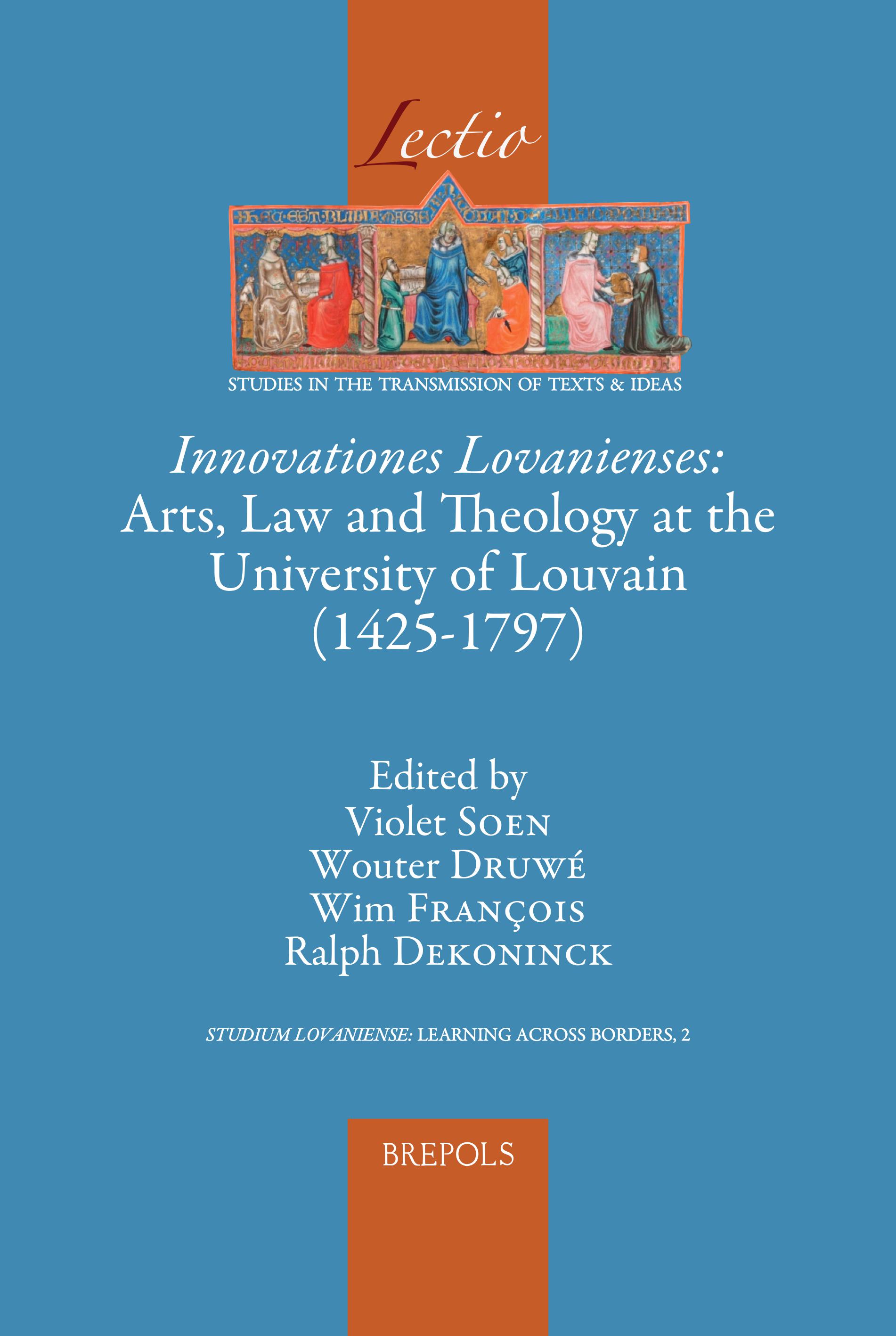 Innovationes Lovanienses: Arts, Law and Theology at the University of Louvain (1425–1797)
Studium Lovaniense: Learning across Borders, 2
Volume 18
 Invisible Labour in Antiquity
Visualizing Obscure Work in the Ancient Mediterannean and West Asia
Volume 1


 Linguistic and Cultural Dynamics in a Frontier Society
New Perspectives on Northeastern Bavaria and Western Bohemia in the Early Middle Ages
Volume 9


 Socio-économie du travail
La dégradation du travail au XXIe siècle ? Lectures contemporaines de Harry Braverman
Volume 17
 Socio-économie du travail
Le sens du travail, concept scientifique ou instrument du capitalisme ? Volume 1
Volume 18

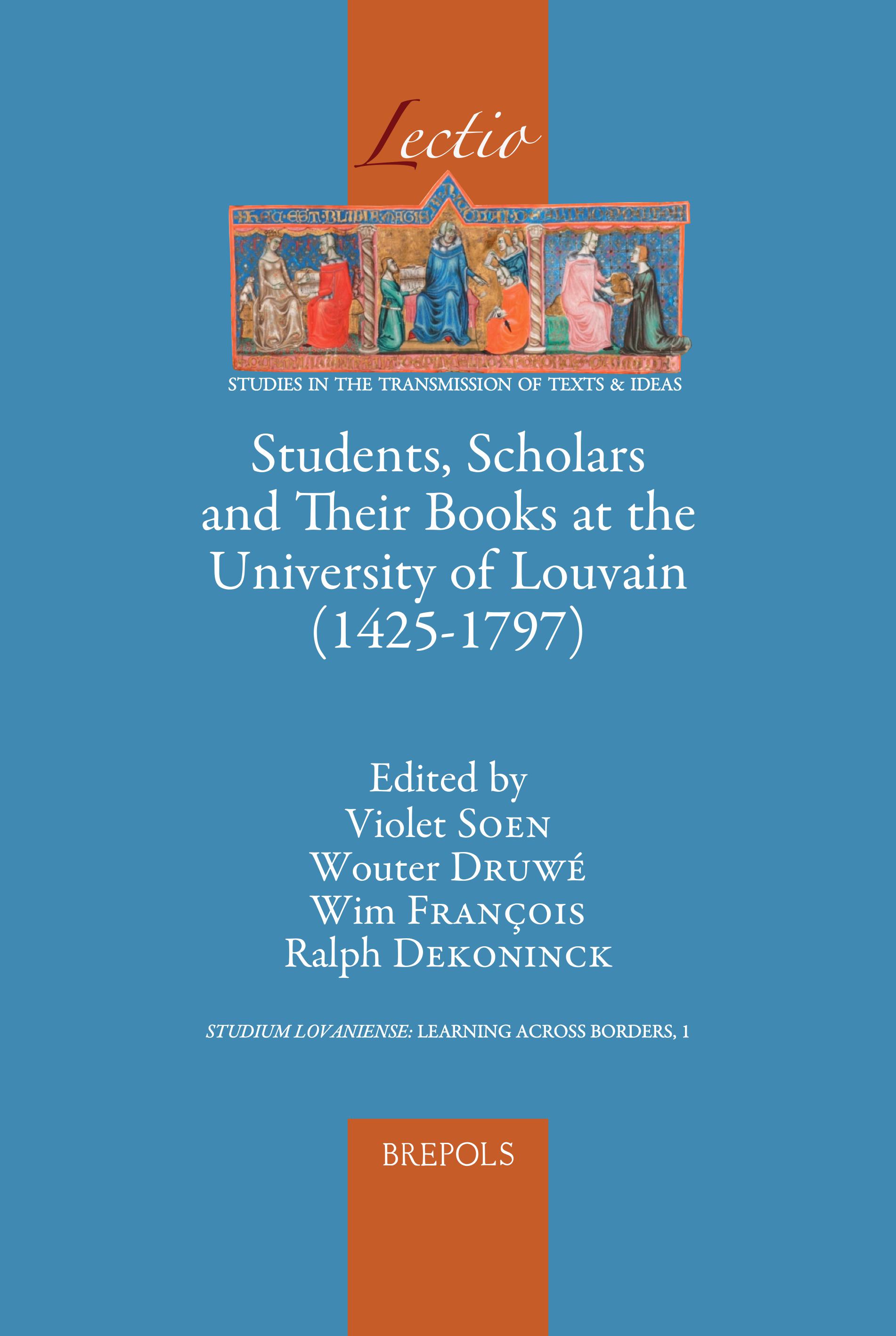 Students, Scholars and Their Books at the University of Louvain (1425-1797)
Studium Lovaniense: Learning across Borders, 1
Volume 17

