Nichtmuslime im islamischen Recht
Eine Studie zur Doktrin al-wala' wa-l-bara' im Sunnitentum
by Barino Barsoum

Untersucht wird die Doktrin al-wala’ wa-l-bara’ (Loyalitat und Lossagung), die seit den 1980er Jahren von salafistischen Gelehrten prominent vertreten und medial verbreitet wird. Sie regelt die zwischenmenschlichen Beziehungen zwischen Muslimen und Nichtmuslimen aus islamischer Sicht. Durfen Muslime einen Nichtmuslim initiativ grussen? Wie soll der initiative Gruss eines Nichtmuslims erwidert werden? Darf ein Muslim in seinem ausseren Erscheinungsbild den Nichtmuslimen ahneln? Darf er einen Nichtmuslim zum Freund haben? Darf ein Muslim Liebe und Zuneigung fur einen Nichtmuslim empfinden? Zusammengefasst lautet die Kernaussage der Doktrin: Ein Muslim soll seinen Nachsten in dem Masse lieben, in dem dieser Allah gehorsam ist, und ihn in dem Masse hassen, in dem er Allah ungehorsam ist. Auf Liebe und Hass, die Werke des Herzens sind, basieren aussere Handlungen wie Loyalitat und Lossagung, die wiederum mit diversen Handlungsimperativen in Verbindung stehen. Daraus ergeben sich dann konkrete Antworten auf die genannten Fragen. Im Fokus steht die traditionsgeschichtliche Verankerung der Doktrin im klassischen Sunnitentum, analysiert werden ihre Ursprunge und Entwicklungen von der fruhen Entstehungsgeschichte des Islams bis in die Gegenwart. Dabei liegt das Augenmerk auf den Positionen und Entwicklungen in den vier prominenten Rechtsschulen des sunnitischen Islams: Hanafiten, Malikiten, safi’iten und Hanbaliten. Es werden Zusammenhange zwischen Religionsrecht (fiqh), Dogmatik (‘aqida) und aufkommendem Traditionsmaterial, insbesondere Hadite und Gefahrtentraditionen, als neue Legitimationsquellen untersucht.
Untersucht wird die Doktrin al-wala’ wa-l-bara’ (Loyalitat und Lossagung), die seit den 1980er Jahren von salafistischen Gelehrten prominent vertreten und medial verbreitet wird. Sie regelt die zwischenmenschlichen Beziehungen zwischen Muslimen und Nichtmuslimen aus islamischer Sicht. Durfen Muslime einen Nichtmuslim initiativ grussen? Wie soll der initiative Gruss eines Nichtmuslims erwidert werden? Darf ein Muslim in seinem ausseren Erscheinungsbild den Nichtmuslimen ahneln? Darf er einen Nichtmuslim zum Freund haben? Darf ein Muslim Liebe und Zuneigung fur einen Nichtmuslim empfinden? Zusammengefasst lautet die Kernaussage der Doktrin: Ein Muslim soll seinen Nachsten in dem Masse lieben, in dem dieser Allah gehorsam ist, und ihn in dem Masse hassen, in dem er Allah ungehorsam ist. Auf Liebe und Hass, die Werke des Herzens sind, basieren aussere Handlungen wie Loyalitat und Lossagung, die wiederum mit diversen Handlungsimperativen in Verbindung stehen. Daraus ergeben sich dann konkrete Antworten auf die genannten Fragen. Im Fokus steht die traditionsgeschichtliche Verankerung der Doktrin im klassischen Sunnitentum, analysiert werden ihre Ursprunge und Entwicklungen von der fruhen Entstehungsgeschichte des Islams bis in die Gegenwart. Dabei liegt das Augenmerk auf den Positionen und Entwicklungen in den vier prominenten Rechtsschulen des sunnitischen Islams: Hanafiten, Malikiten, safi’iten und Hanbaliten. Es werden Zusammenhange zwischen Religionsrecht (fiqh), Dogmatik (‘aqida) und aufkommendem Traditionsmaterial, insbesondere Hadite und Gefahrtentraditionen, als neue Legitimationsquellen untersucht.
- By (author) Barino Barsoum
Similar Books
 ‘For You I Study, For You I Work, For You I Live, For You I Am Ready To Even Give My Life’
Essays in Honour of Francis (Frank) J Moloney, SDB
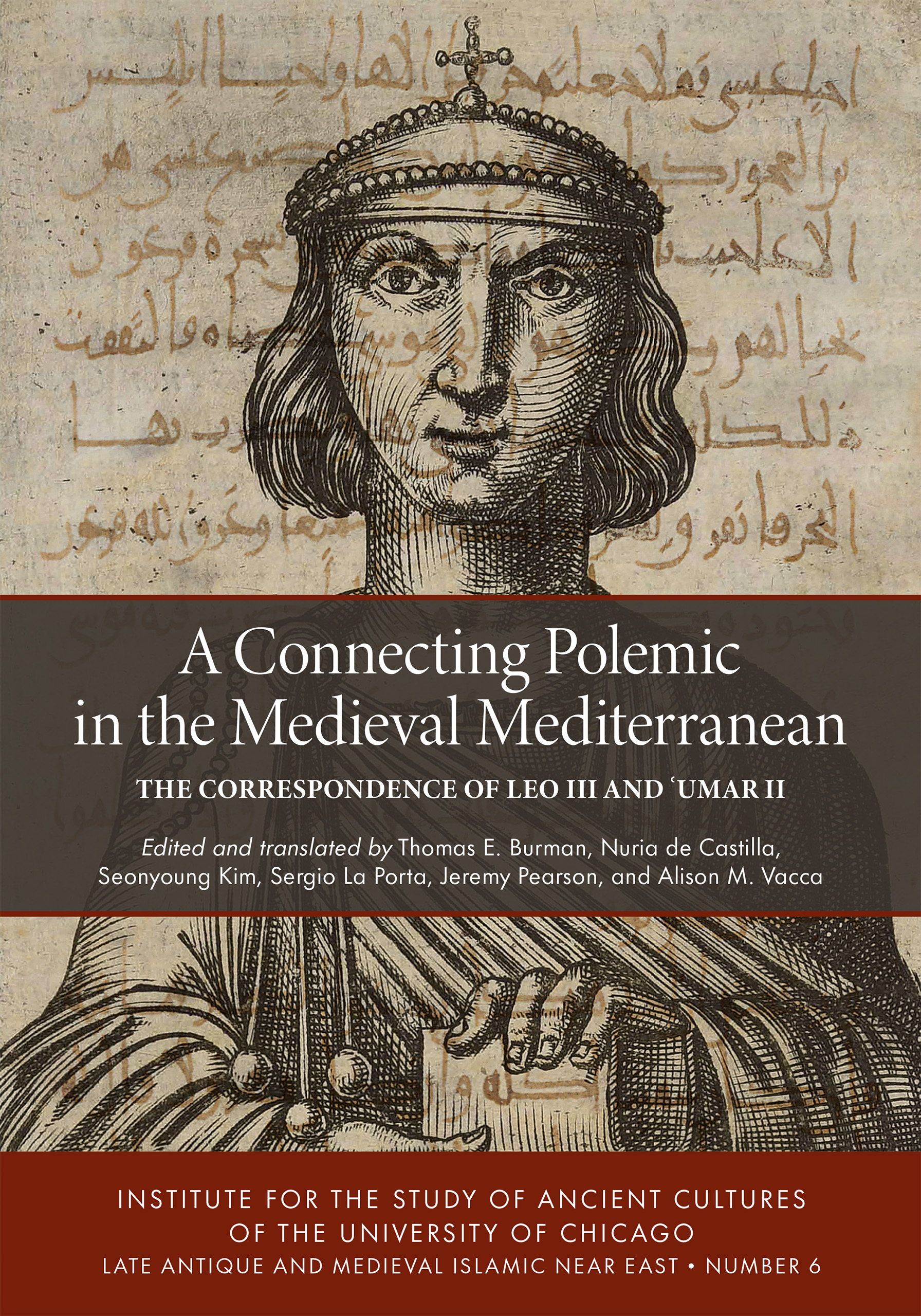 A Connecting Polemic in the Medieval Mediterranean
The Correspondence of Leo III and ʿUmar II
Volume 6




 Ars Prophetica
Theology in the Poetry of Twentieth-Century Hebrew Poets Avraham Halfi, Shin Shalom, Amir Gilboa, and T. Carmi
 As Messianism Turns to Heresy
The Regenstein Chair Lectures On Lurianic Kabbalah and Shabbatai Tzevi at Hebrew Union College - Cincinnati


 Cities through Time
Glimpses into Urbanity and Community in Mediaeval to Modern West Asia and Egypt
Volume 1
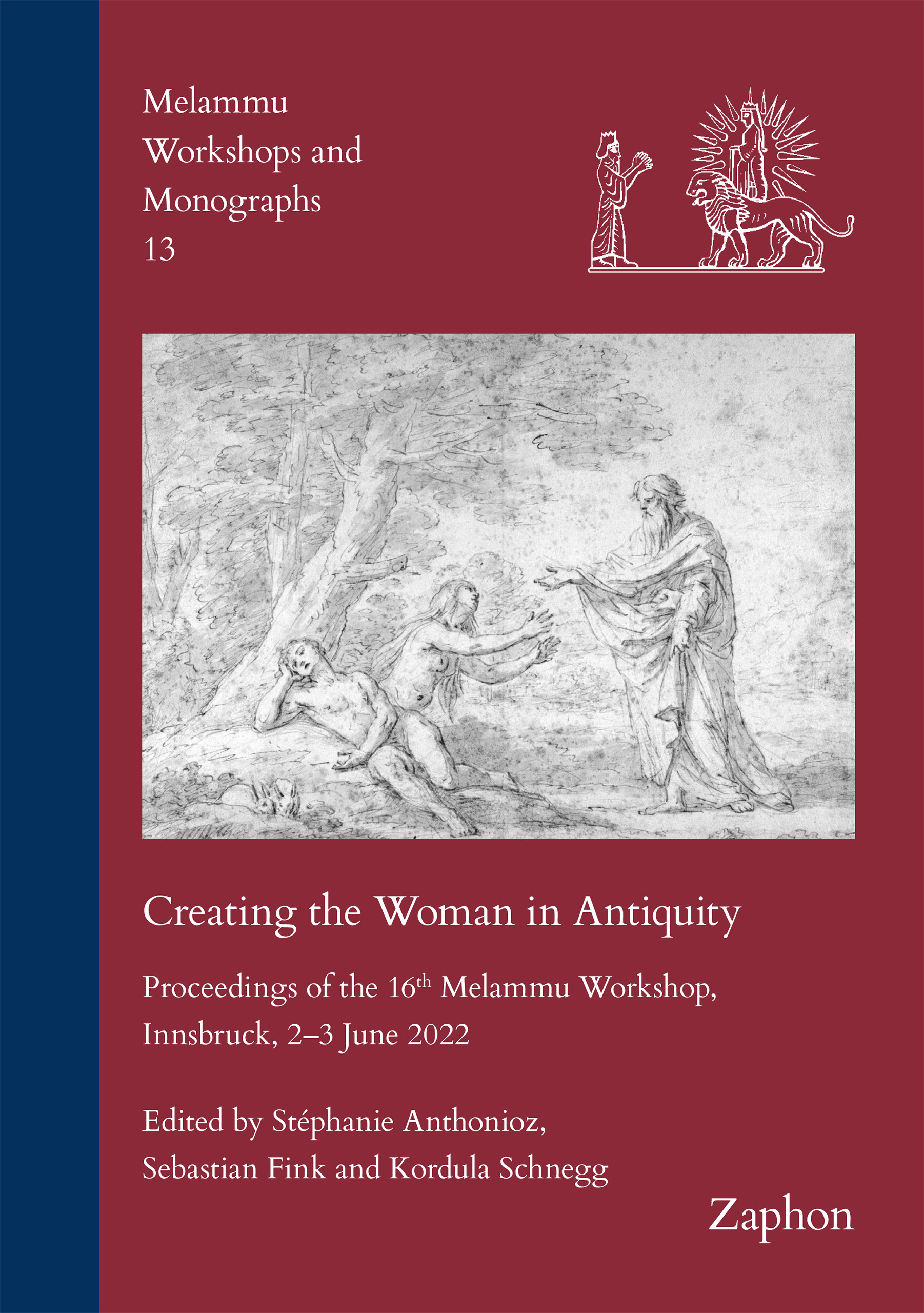 Creating the Woman in Antiquity
Proceedings of the 16th Melammu Workshop, Innsbruck, 2–3 June 2022
Volume 13
 Cuneiform Artefacts from Archaeological Contexts: New Research on Ancient Iraq
Proceedings of a Conference Held at the Bavarian Academy of Sciences and Humanities, July 4–5, 2024
Volume 2

 Drunk the Potion, No Whit Charmed
The Doctrine of Pure and Perfect Souls from Iamblichus to Damascius



 Extracanonical Traditions and the Holy Land
Texts, Rituals, and Material Culture in Late Antique Palestine
 Fear, Fear of God, God-Fearers
Philological and Historical Perspectives on the World of Ancient Judaism and Christianity


 Global Gulf
Geo-Economic, Geo-Political, and Geo-Technological Transformation in Saudi Arabia, the United Arab Emirates, and Qatar