Making Politics in the European Countryside, 1780s-1930s
Edited by Laurent Brassart Edited by Corinne Marache Edited by Juan Pan-Montojo Edited by Leen Van Molle

This book offers a fresh look at the so-called ‘politicisation’ of the European countryside, from the late eighteenth century to the 1930s, in the context of waning monarchies, rising and staggering parliamentary nation states, and fascist and communist dictatorships. The concept ‘politicisation’, however, is misleading. The book argues that Europe’s rural societies were far from immobile spaces, set in routines, that had to be politised from outside and against the grain. The thirteen articles in the volume demonstrate that, instead of politicisation from scratch, political thinking and acting of country dwellers – from Scandinavia to Spain, from Moravia to France – evolved in a constant, dialectical relationship with their urban, regional and national surroundings: they reacted to wars, revolutions and shifting borders, their political loyalties changed, so did their political agendas, their repertoires of collective action and their role in the establishment, successes and failures of political parties, separate agrarian parties included.
This book offers a fresh look at the so-called ‘politicisation’ of the European countryside, from the late eighteenth century to the 1930s, in the context of waning monarchies, rising and staggering parliamentary nation states, and fascist and communist dictatorships. The concept ‘politicisation’, however, is misleading. The book argues that Europe’s rural societies were far from immobile spaces, set in routines, that had to be politised from outside and against the grain. The thirteen articles in the volume demonstrate that, instead of politicisation from scratch, political thinking and acting of country dwellers – from Scandinavia to Spain, from Moravia to France – evolved in a constant, dialectical relationship with their urban, regional and national surroundings: they reacted to wars, revolutions and shifting borders, their political loyalties changed, so did their political agendas, their repertoires of collective action and their role in the establishment, successes and failures of political parties, separate agrarian parties included.
- Edited by Laurent Brassart
- Edited by Corinne Marache
- Edited by Juan Pan-Montojo
- Edited by Leen Van Molle
Other Titles in this Series
 Communities, Environment and Regulation in the Premodern World
Power and Community Formation in Premodernity
Volume 20

 Stocks, seasons and sales
Food supply, storage and markets in Europe and the New World, c. 1600-2000
Volume 17

Similar Books

 As Messianism Turns to Heresy
The Regenstein Chair Lectures On Lurianic Kabbalah and Shabbatai Tzevi at Hebrew Union College - Cincinnati

 Beyond Sovereign Courts
Agents and Practices in Early Modern Spanish and Habsburg Diplomacy
Volume 3




 Food Security under Armed Conflict
Global Knowledge Landscape and Public Attention to Social, Economic, and Humanitarian Dimensions

 Innovationes Lovanienses: Arts, Law and Theology at the University of Louvain (1425–1797)
Studium Lovaniense: Learning across Borders, 2
Volume 18


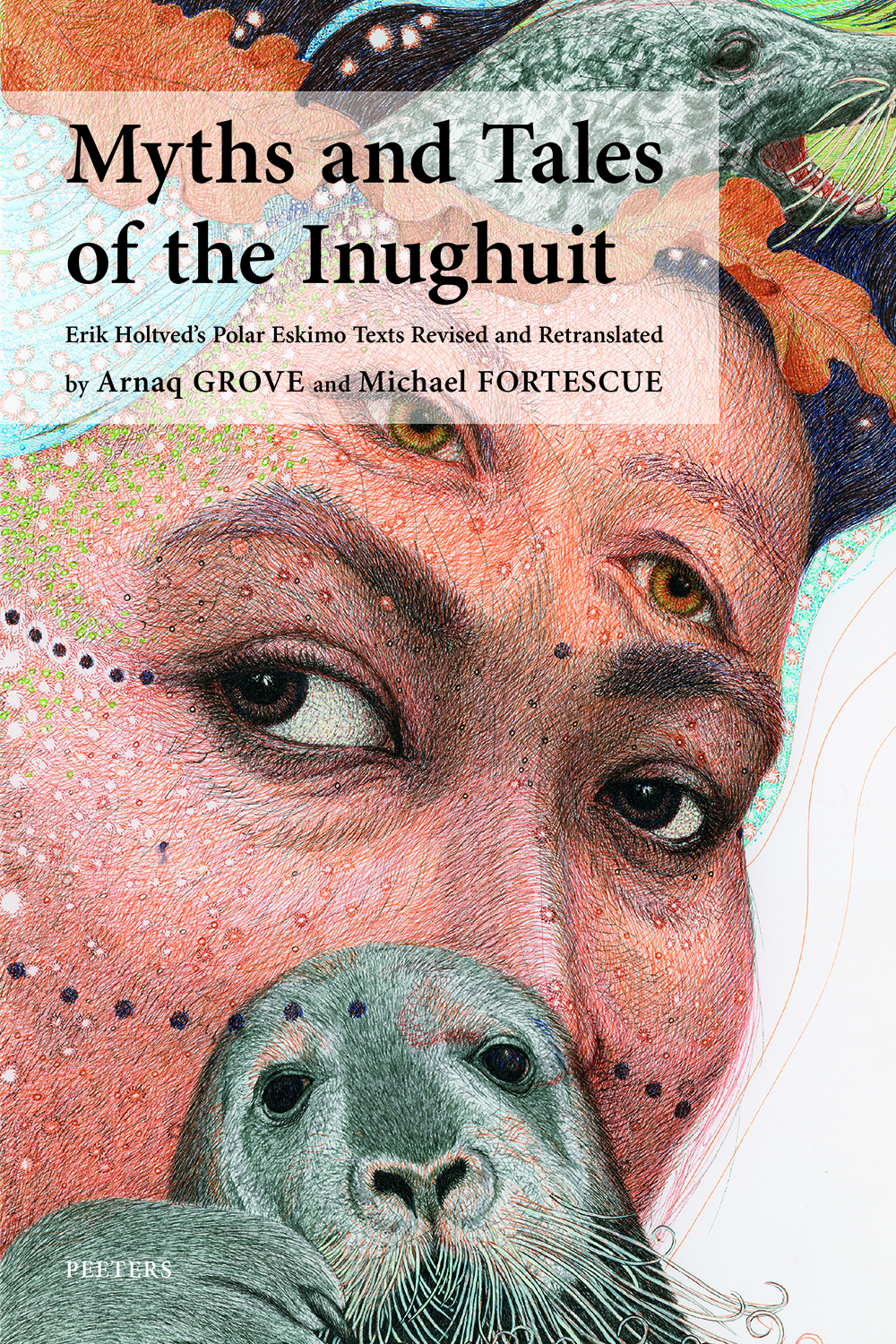 Myths and Tales of the Inughuit
Erik Holtved's Polar Eskimo Texts Revised and Re-translated into Danish and English
Volume 475, 12


 Students, Scholars and Their Books at the University of Louvain (1425-1797)
Studium Lovaniense: Learning across Borders, 1
Volume 17


 The Exeter Companion to Fairies, Nereids, Trolls and other Social Supernatural Beings
European Traditions

 The Phantom Hitchhiker
Italian Literature, Japanese Lore, and the Transnational Afterlives of a Global Ghost Story