
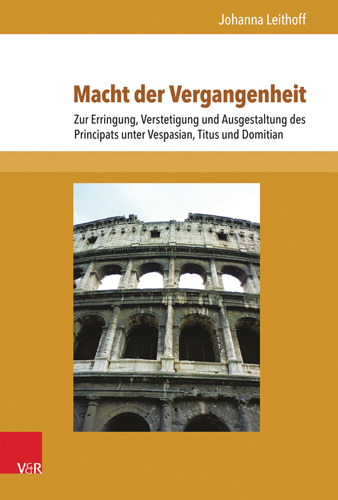
Macht der Vergangenheit
Zur Erringung, Verstetigung und Ausgestaltung des Principats unter Vespasian, Titus und Domitian
By (author) Johanna Leithoff
Hardback (Published)
(December 2014)
ISBN: 9783847102892
6.34 x 9.25 inches
Price: $82.00
On back order
Nach Neros Tod und den Burgerkriegswirren 68/9 n. Chr. brachte erst Vespasian wieder Stabilitat in den politischen Alltag. Diese Arbeit untersucht den Umgang mit Vergangenheit unter Vespasian und seinen Sohnen in drei Schritten: Sie widmet sich zunachst dem Ringen um den Principat wahrend des Burgerkriegs, dann der Verstetigung des Principats im Austarieren des Machtgefuges zwischen Senatoren und Princeps und schliesslich der Ausgestaltung des Principats mit der Orientierung an den iulisch-claudischen Principes.
English summary: After Nero’s death and the following civil wars in 68-69 A.D., it was the victor Vespasian, who re-established stability and continuity. What set him apart from his Julio-Claudian predecessors was his origin from a municipal family and his status as a normal member of the senatorial order until his revolt. In this context the legitimisation and presentation of his new position of power was vital for him. The question therefore is how Vespasian and his sons, who succeeded him and came to power under very different circumstances, used the past for their own purposes. This study concentrates on these references to the past with a view to three main aspects: gaining power, which meant dealing with the pretenders of the civil wars on the one and presenting the victory over the Jewish Rebels on the other hand; consolidating the principate, which focuses on the relation between senators and the princeps and the impact of this process on the creation of the ‘republican’ idea; last, shaping the principate, which concentrates on the role-model-character of the Julio-Claudian principes for Vespasian, Titus, and Domitian. German description: Nach Neros Tod und den Burgerkriegswirren 68/9 n. Chr. brachte erst Vespasian wieder Stabilitat und Kontinuitat in den politischen Alltag. Anders als seine Vorganger stammte er aus der munizipalen Aristokratie und hatte einen normalen senatorischen cursus durchlaufen, so dass sich die Frage nach der Legitimation seiner Herrschaft in besonderem Masse stellte. Vor diesem Hintergrund untersucht die Arbeit den Umgang mit Vergangenheit unter Vespasian wie auch seinen Sohnen in drei Schritten: zunachst das Ringen um den Principat wahrend des Burgerkriegs, dann die Verstetigung des Principats im Austarieren des Machtgefuges zwischen Senatoren und Princeps, schliesslich die Ausgestaltung des Principats mit der Orientierung an den iulisch-claudischen Principes.
Dr. Johanna Leithoff ist wissenschaftliche Mitarbeiterin am historischen Seminar der Universitat Frankfurt am Main.
- By (author) Johanna Leithoff
Other Titles in this Series
 Das richtige Europa schaffen
Europa als Konkurrenzthema zwischen Sozial- und Christdemokraten – Deutschland und Italien von 1945 bis 1963 im Vergleich
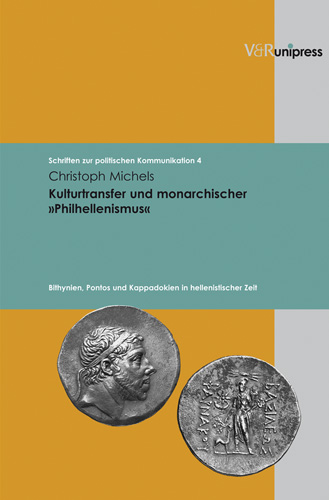 Kulturtransfer und monarchischer »Philhellenismus«
Bithynien, Pontos und Kappadokien in hellenistischer Zeit
 Europa im Bild
Imaginationen Europas in Wochenschauen in Deutschland, Frankreich, Großbritannien und Österreich 1948–1959


 Die Sprache des Politischen in actu
Zum Verhältnis von politischem Handeln und politischer Sprache von der Antike bis ins 20. Jahrhundert
 Die deutsche Stammzelldebatte
Eine exemplarische Untersuchung bioethischer Normenkonflikte in der politischen Kommunikation der Gegenwart
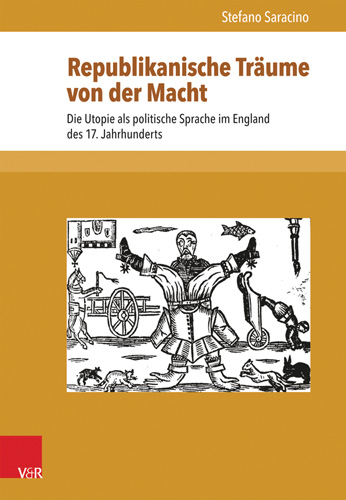 Republikanische Träume von der Macht
Die Utopie als politische Sprache im England des 17. Jahrhunderts


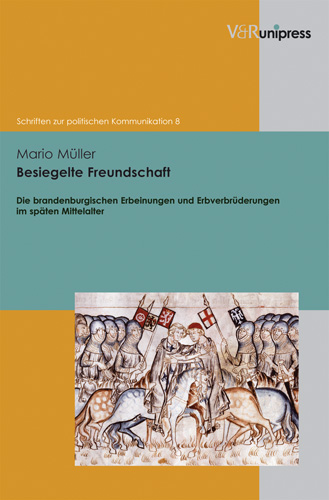 Besiegelte Freundschaft
Die brandenburgischen Erbeinungen und Erbverbrüderungen im späten Mittelalter
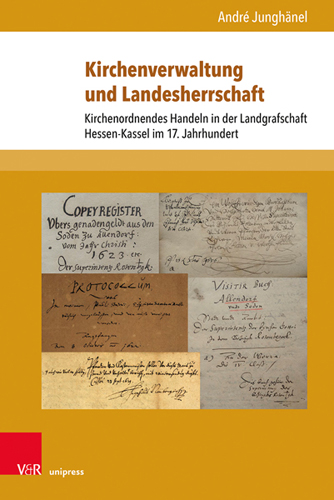 Kirchenverwaltung und Landesherrschaft
Kirchenordnendes Handeln in der Landgrafschaft Hessen-Kassel im 17. Jahrhundert


 Akteure am fremden Hof
Politische Kommunikation und Repräsentation kaiserlicher Gesandter im Jahrzehnt des Wandels am russischen Hof (1720–1730)
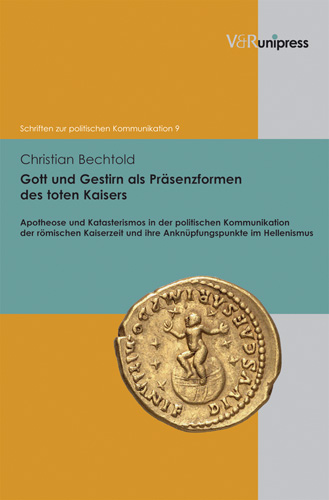 Gott und Gestirn als Präsenzformen des toten Kaisers
Apotheose und Katasterismos in der politischen Kommunikation der römischen Kaiserzeit und ihre Anknüpfungspunkte im Hellenismus
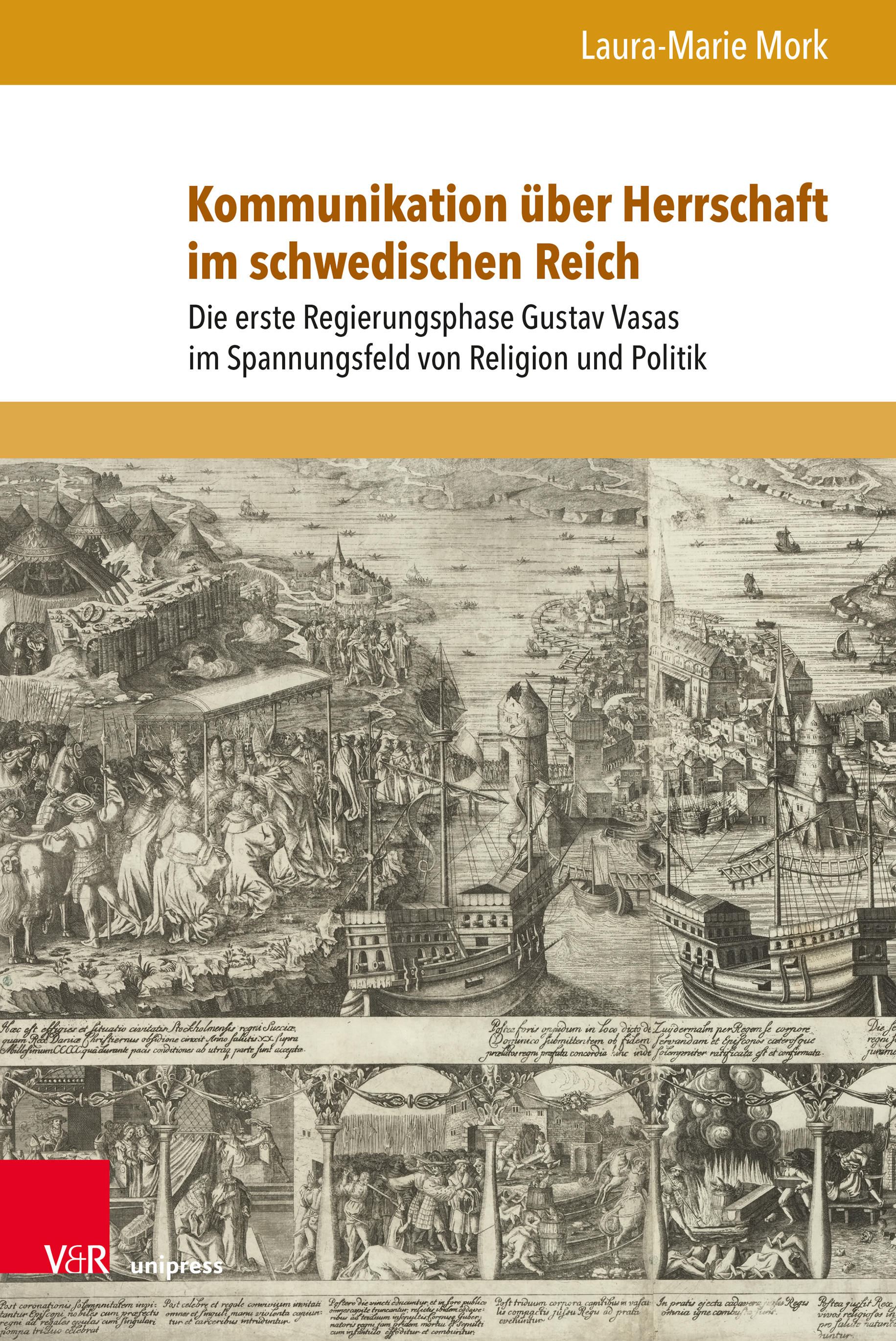 Kommunikation über Herrschaft im schwedischen Reich
Die erste Regierungsphase Gustav Vasas im Spannungsfeld von Religion und Politik

 Das Politische als Argument
Beiträge zur Forschungsdebatte aus dem Internationalen Graduiertenkolleg »Politische Kommunikation von der Antike bis in das 20. Jahrhundert«
 Diplomatie, politische Rede und juristische Praxis im 15. Jahrhundert
Der gelehrte Rat Johannes Hofmann von Lieser
 Briefe in politischer Kommunikation vom Alten Orient bis ins 20. Jahrhundert
Le lettere nella comunicazione politica dall'Antico Oriente fino al XX secolo
Similar Books


 Contesting Labeled Identities
The Sociology of Gentilics in Biblical and Northwest Semitic Literature

 Drunk the Potion, No Whit Charmed
The Doctrine of Pure and Perfect Souls from Iamblichus to Damascius

 Epigraphic “Shades” from Hellenistic Thrace
Contextualizing Inscriptions in Greek from Thracian Tombs

 Epiphanies of the Divine in the Septuagint and the New Testament
Fifth International Symposium of the Corpus Judaeo-Hellenisticum Novi Testamenti (CJHNT), 14-17 May 2015, Nottingham


 Gold, Silver and Glass: Power Networks, Cultural Identities, Technology Transfers and Agency across the Old World (7th Century BC – 1st Century AD)
Proceedings of a Conference Held at the British Museum, 16–18 June 2023
 Language and Power in the Roman Empire and Early India
Hierarchy, Ambiguity, and the Art of Reading the Signs in Cosmopolitan Cultures
 Late Antique villae in the Balkans (3rd–7th c. AD): Current Research Questions and Perspectives
HAEMUS Companion to the Late Antique Balkans 1
Volume 4


 Nurturing the Elite
Representations of Drinking, Eating, and Religious Vessels in Palmyrene Funerary Iconography
Volume 13





 Roman Copies, Collecting, and Culture in the Bay of Naples and Beyond
Papers in Honor of Eugene J. Dwyer



 The Compositional History of the Book of Kings
An Analysis of the Evaluative Frameworks in 1 Kings 14–2 Kings 25




 Zooarchaeology of Ancient Greek Sanctuaries in Southwestern Sicily
Faunal Analysis from Selinus and Akragas as Evidence of Differences in the Treatment of Animals for Ritual Purposes


