
L’Espagne medievale
by Adeline Rucquoi

Paperback (Published)
(January 2002)
ISBN: 9782251410180
Price: $25.00
On back order
English summary: For many centuries, Spain was home to Christians, Jews and Muslims alike : historians thus refer to the country as ” the Spain of three cultures “. But any student of medieval times learns that – beyond the three religions that were present, a very special culture evolved that was to play an influential role throughout the long history of the Mediterranean region. The inhabitants of the Spanish peninsula inherited their law, politics and urban way of life from Rome, their philosophy and sciences from Ancient Greece and their religion from Palestine and Arabia. And all three of these peoples have found a common ground in Jerusalem. Although at variance over which of their religions was the “true” one, and despite the fact that each group lived according its own ” law ” (often fighting amongst themselves), they nonetheless shared a love of wine and poetry, enjoyed festivities and entertainment, were skilled in weaponry and trade, gifted in languages and love gardening. It was in Spain that Averroes and Maimonides crossed paths, not to mention such legendary figures as El Cid Campeador, who distinguished himself in Valencia and Spain’s monarch, King Alfonso VI. Medieval Spain passed on to us the Great Mosque of Cordova and Santiago de Compostella’s St. James’ Cathedral, Grenada’s Alhambra Palace, the Roman frescos of Catalonia, the Batalha Monastery and the Transito Synagogue of Toledo. How ever, as Polish explorer Nicolas de Poplau observed in 1484 : ” in all regions of Andalusia, Portugal and Algarve, the buildings and people are similar and the ways in which Saracens and Christians differ in terms of their education, customs and way of life can be perceived only in their religions “.Hispanic medieval civilization was the fruit of the long-term relations – sometimes friendly and sometimes belligerent but never neutral – that Jews, Christians and Muslims had maintained in a land that they all ardently loved.Docteur es-Lettres de la Sorbonne, Directeur de Recherches au C.N.R.S., auteur d’une Histoire medievale de la Peninsule iberique, Adeline Rucquoi a egalement publie L’Espagne medievale dans la collection Guides Belles Lettres des Civilisations. French description: La Peninsule iberique est la seule region d’Europe ou chretiens, musulmans et juifs aient vecu ensemble pendant des siecles. Cette longue coexistence a donne lieu a une civilisation originale. Elle est le fruit de la capacite des uns et des autres a assimiler des traditions differentes, a en faire la synthese, et a les transmuer de telle facon qu’au dela des particularites, une meme culture caracterise l’Espagne medievale.
- By (author) Adeline Rucquoi
Other Titles in this Series


Similar Books
 A Collaborative Tapestry in Honour of Shirley Ann Brown / Une fresque brodée en l’honneur de Shirley Ann Brown
The Bayeux Tapestry Seen by her Colleagues and Friends / La Tapisserie de Bayeux vue par ses collègues et amis

 Behind the Scenes of Medieval Roofs
An Overview of the Roofing Systems of Italian Churches
Volume 90








 Innovation and Medieval Communities
The Circulation of Ideas and Practices in and out of the Town (1200-1500)
Volume 63
 John Dunstaple Reading Boethius
John Dunstaple’s Annotations to Boethius’s “De institutione musica” in the Manuscript Oxford, Corpus Christi College Library, MS 118
 Linguistic and Cultural Dynamics in a Frontier Society
New Perspectives on Northeastern Bavaria and Western Bohemia in the Early Middle Ages
Volume 9

 Medieval Debates on Foreknowledge: Future Contingents, Prophecy, and Divination
Acts of the XXVII Annual Colloquium of the SIEPM, Trento 12-15 September 2023
Volume 31
 Medieval Yeghegis, Armenia
History, Archaeology, Society. Local Multiplicities and Global Connections of a Rural Centre on the Silk Road(s)

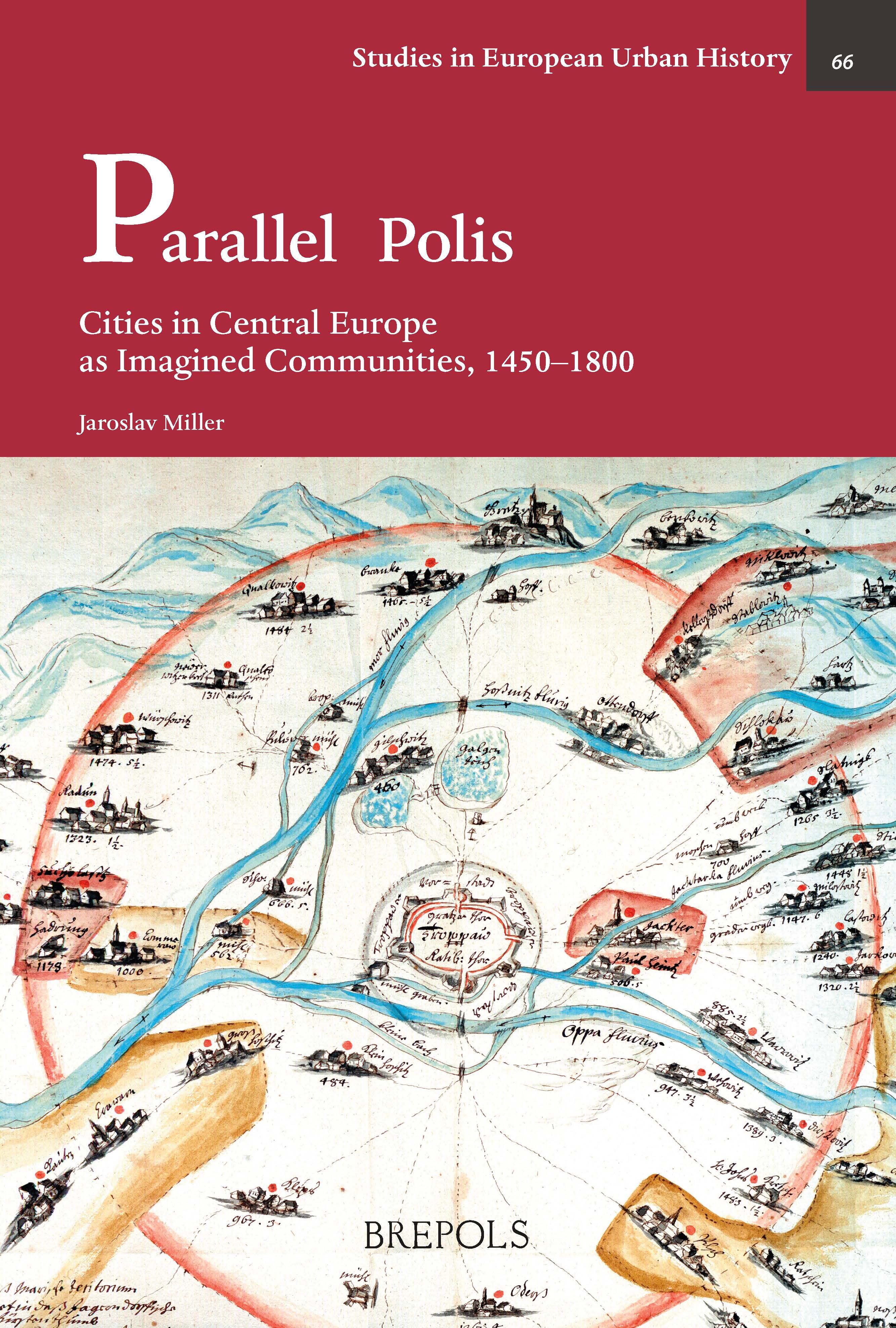


 Power and Women in Southeast and Central Europe in Late Medieval and Early Modern Period (1300-1600)
Volume 10

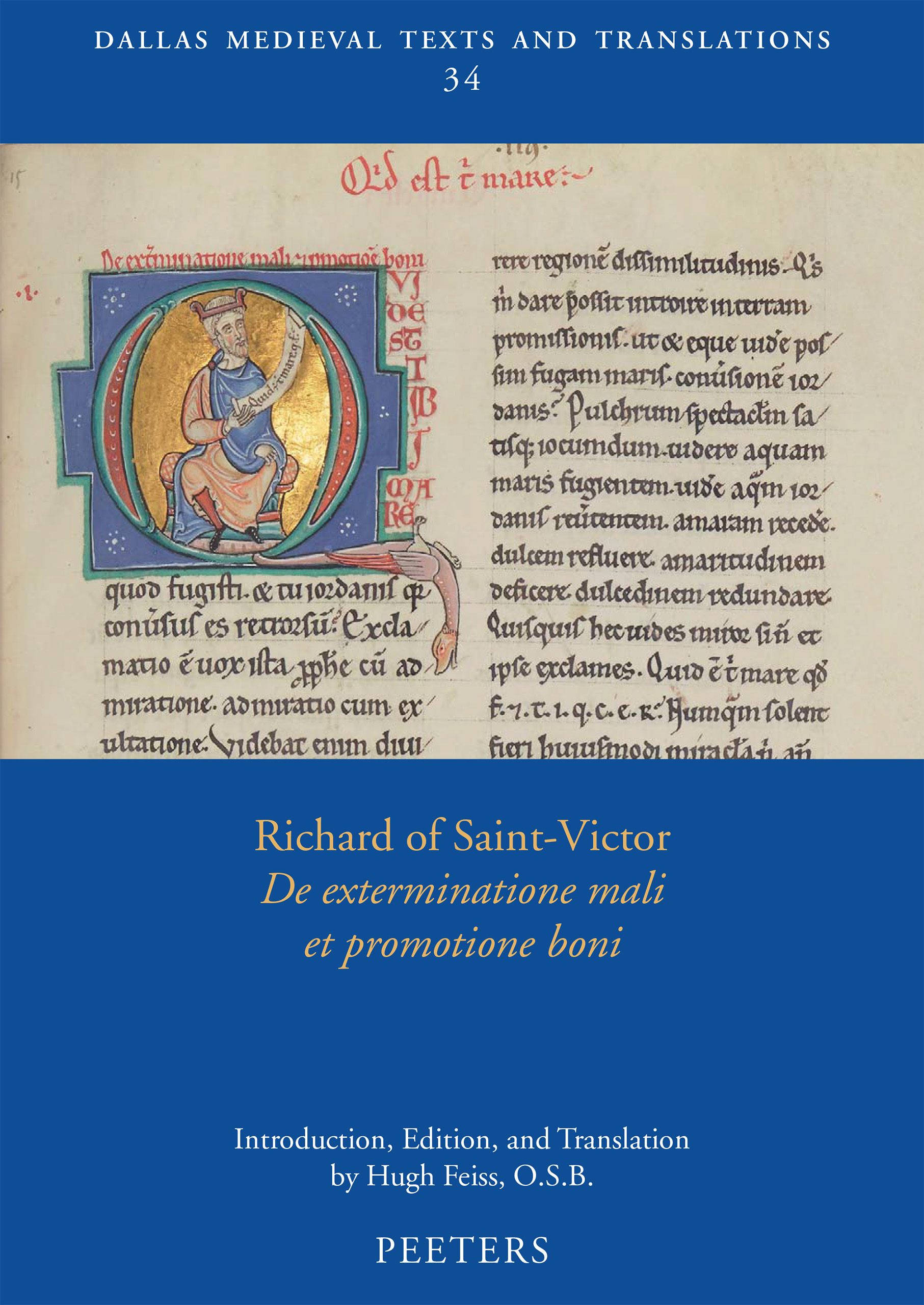
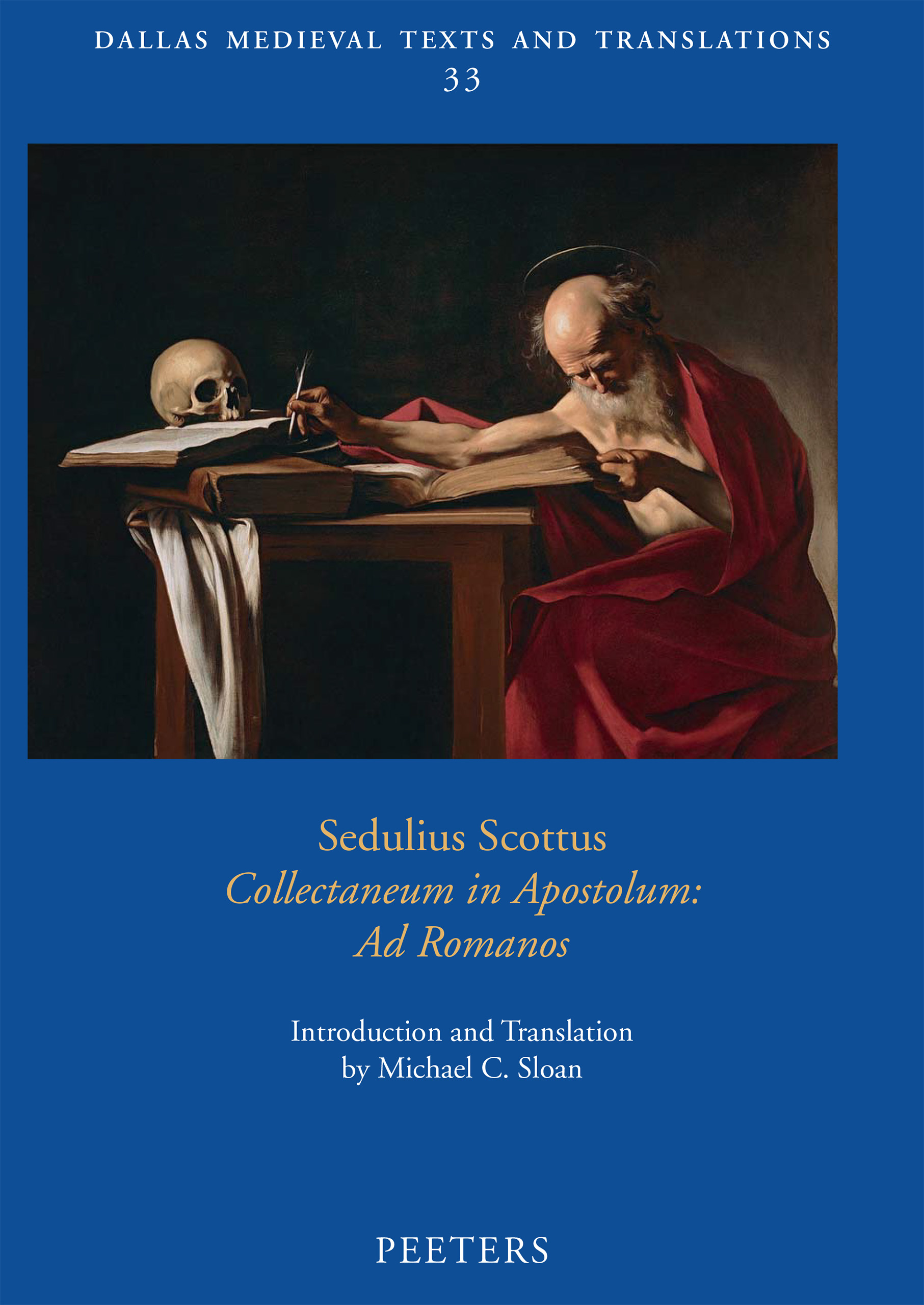


 The Anglo-Norman Bible’s Books of Kings, a Critical Edition
(BL Royal 1 C III, fols 234r-274v)
Volume 37


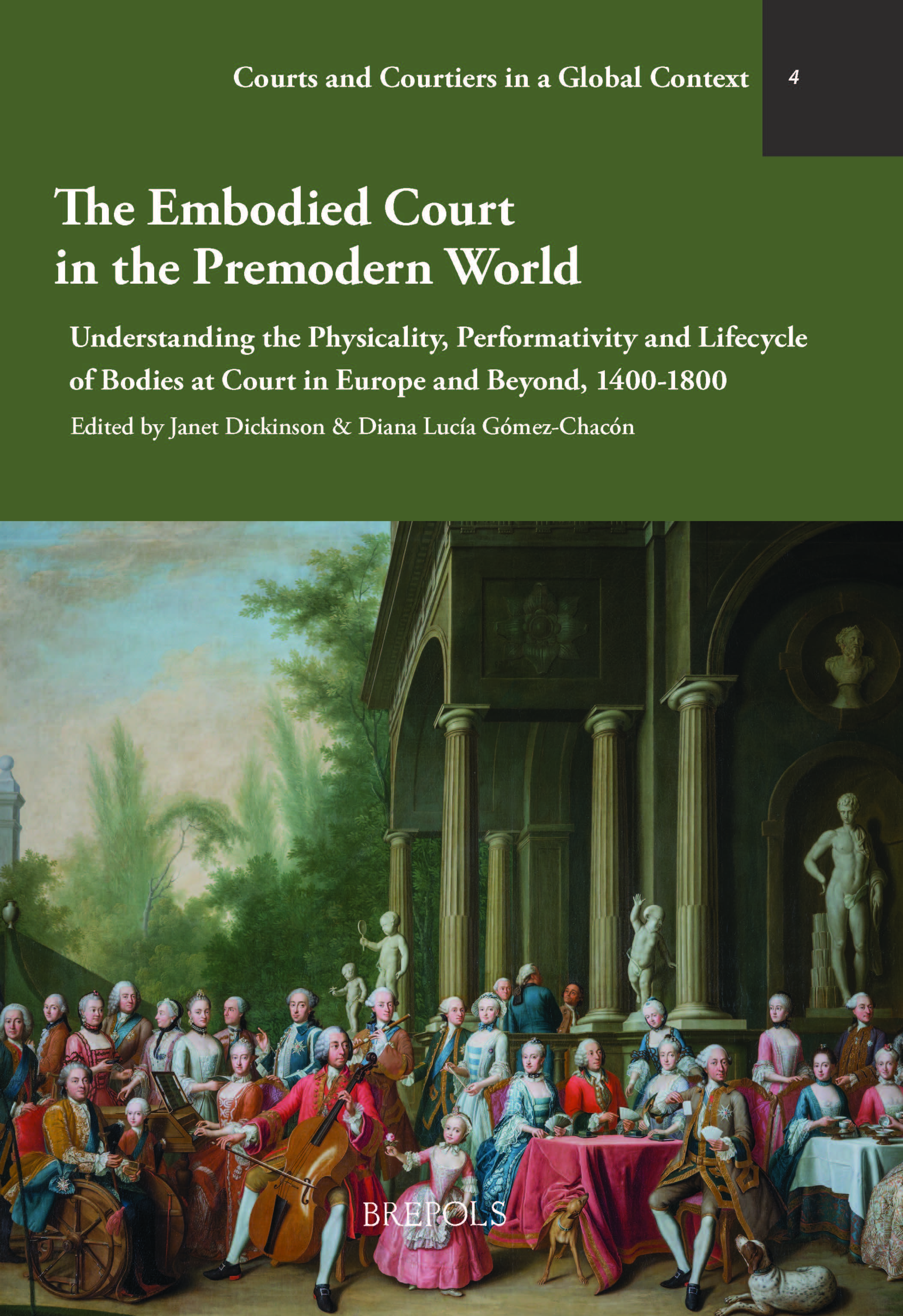 The Embodied Court in the Premodern World
Understanding the Physicality, Performativity and Lifecycle of Bodies at Court in Europe and Beyond, 1400-1800
Volume 4


