
Il chiostro e l’inchiostro. Monaci e cultura in un’abbazia benedettina tra Cinque e Seicento
By (author) Luca Ceriotti

Paperback (Published)
(July 2026)
ISBN: 9788822295545
6.73 x 9.49 inches
Price: $35.00
On back order
Nella Piacenza capitale del ducato farnesiano, l’abbazia di San Sisto fu teatro di quattro vite reciprocamente intrecciate: quelle di Fulgenzio Ferrari, Vincenzo Sgualdi, Marco Antonio Scipioni e Giuseppe Costalta, monaci benedettini vissuti tra Cinquecento e Seicento e legati da una catena ininterrotta di amicizia e discepolato. Le loro ‘vite minuscole’, ricostruite con particolare attenzione ai dettagli, raccontano un modo mutevole e personale di essere operatori di cultura, mostrando il monastero nel ruolo di centro vivo di relazioni, idee e creatività nell’Italia e nell’Europa del suo tempo.
In Piacenza, the capital of the Farnese Duchy, the Abbey of San Sisto served as the backdrop to four lives that were closely entwined: those of Fulgenzio Ferrari, Vincenzo Sgualdi, Marco Antonio Scipioni, and Giuseppe Costalta, four Benedictine monks bound by friendship and discipleship, who lived between the 16th and 17th centuries. Their ‘minuscule lives,’ reconstructed with particular attention to detail, reveal a flexible and personal way of promoting culture and point to the monastery as a vibrant center fostering relationships, ideas and creativity in Italy and in Europe.
#1 Ceriotti Luca
Luca Ceriotti, storico modernista, nel corso del tempo si è occupato prevalentemente di storia religiosa e culturale, concentrandosi dapprima sulle pratiche di lettura e sulla formazione delle raccolte librarie in antico regime, poi sulle espressioni di minoranza del sentimento religioso e sulle connesse politiche di contenimento poste in essere dalle autorità ecclesiastiche e civili. Negli ultimi anni si è rivolto soprattutto all’indagine di questi e altri temi in relazione al contesto di lungo periodo della Congregazione benedettina cassinese, alla mentalità collettiva dei suoi ambienti e ai percorsi intellettuali di alcuni suoi esponenti dediti in modo particolarmente assiduo all’erudizione, alla letteratura e alle arti. Per i tipi di Olschki ha già pubblicato Cose che fanno miracoli. Il potere degli oggetti nell’immaginario benedettino della prima età moderna (Firenze, 2025).
- By (author) Luca Ceriotti
REL015000
—
REL086000
—
Similar Books


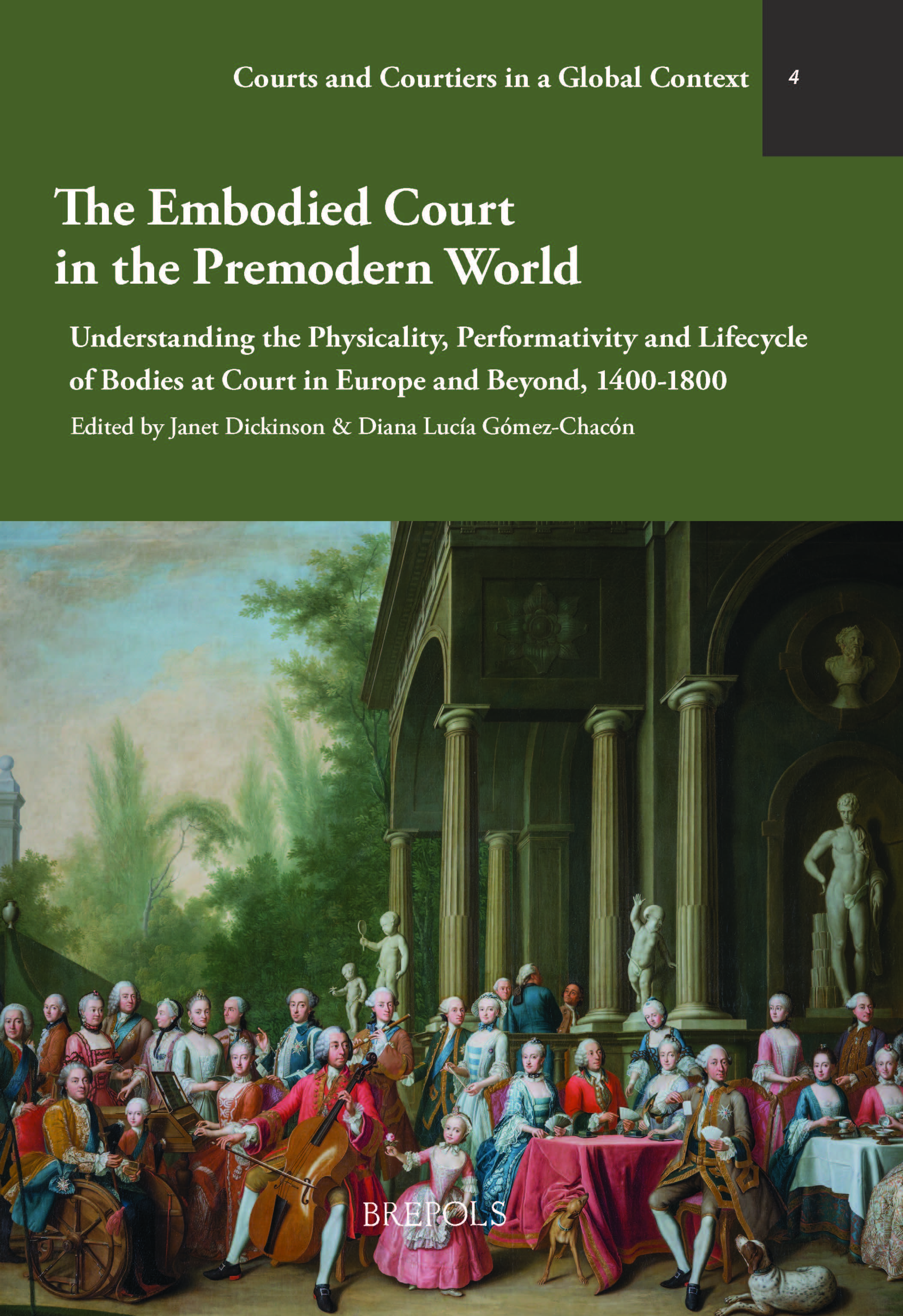 The Embodied Court in the Premodern World
Understanding the Physicality, Performativity and Lifecycle of Bodies at Court in Europe and Beyond, 1400-1800
Volume 4
 Tradition, Interpretation, and Change
Developments in the Liturgy of Medieval and Early Modern Ashkenaz

 Balthasar Caymox of Nuremberg
Early Modern German Print Publishers: Popular Prints of the Seventeenth Century


 Beyond Sovereign Courts
Agents and Practices in Early Modern Spanish and Habsburg Diplomacy
Volume 3

 Circulation, Use, Impact
The Consumption of Architectural Books in the Early Modern Eastern Adriatic
Volume 1


 Councils, Conflicts, Correspondence
Urban Diplomacy in Reval (Tallinn) and Lübeck (c. 1470–1570)
Volume 67

 Homo-Politicus in the Balkans
Early Modern Southeast European History in Imperial and Regional Context

 Innovationes Lovanienses: Arts, Law and Theology at the University of Louvain (1425–1797)
Studium Lovaniense: Learning across Borders, 2
Volume 18
 Legal Visuality
Exegesis, Ambiguity, and Dissimulation of the Donation of Constantine in the Early Modern Period

 Naples as Laboratory / Laboratorium Neapel
Style Options, Artistic Rivalry and Self Fashioning in Neapolitan Baroque Painting / Plurale Stilbildung, Kunstlerkonkurrenz und Self Fashioning in der neapolitanischen Barockmalerei

 Power and Women in Southeast and Central Europe in Late Medieval and Early Modern Period (1300-1600)
Volume 10



 Staging the Spectacle of Majesty
Ceremonial, Courtly Space, and Collecting under the Spanish Habsburgs
Volume 9
 Students, Scholars and Their Books at the University of Louvain (1425-1797)
Studium Lovaniense: Learning across Borders, 1
Volume 17



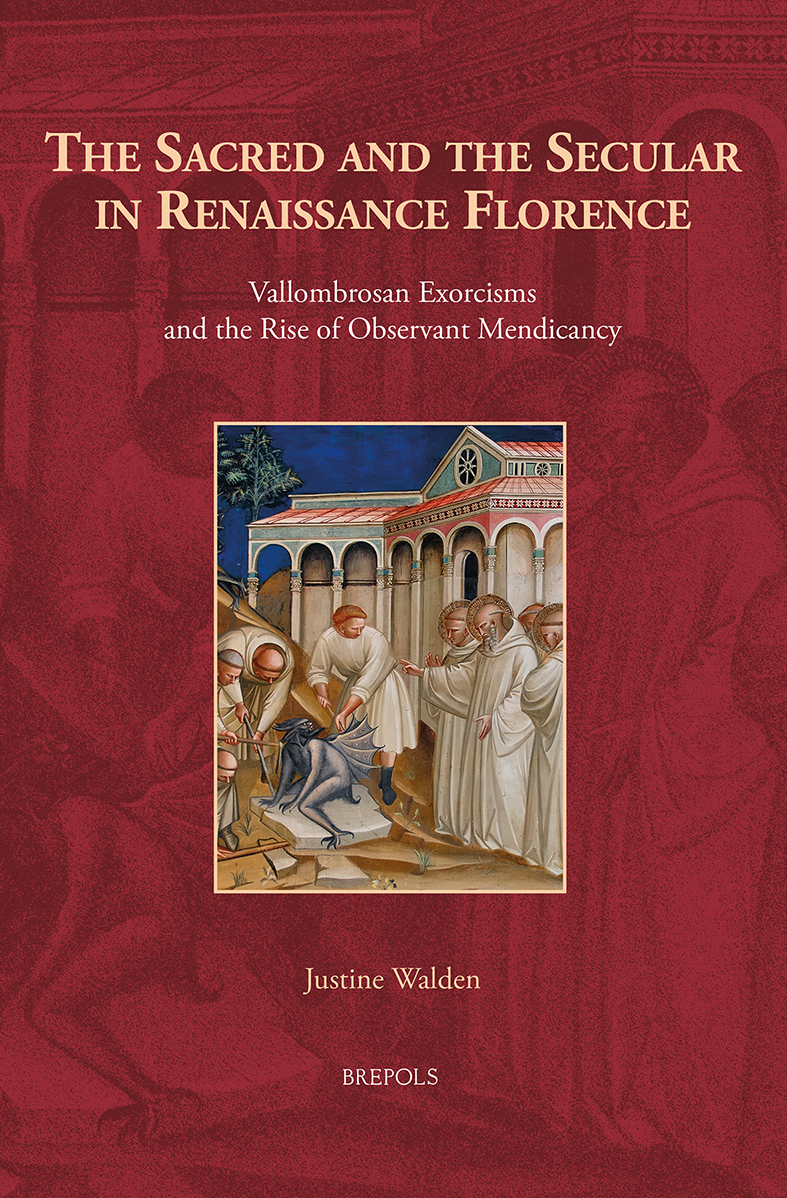 The Sacred and the Secular in Renaissance Florence
Vallombrosan Exorcisms and the Rise of Observant Mendicancy
Volume 31


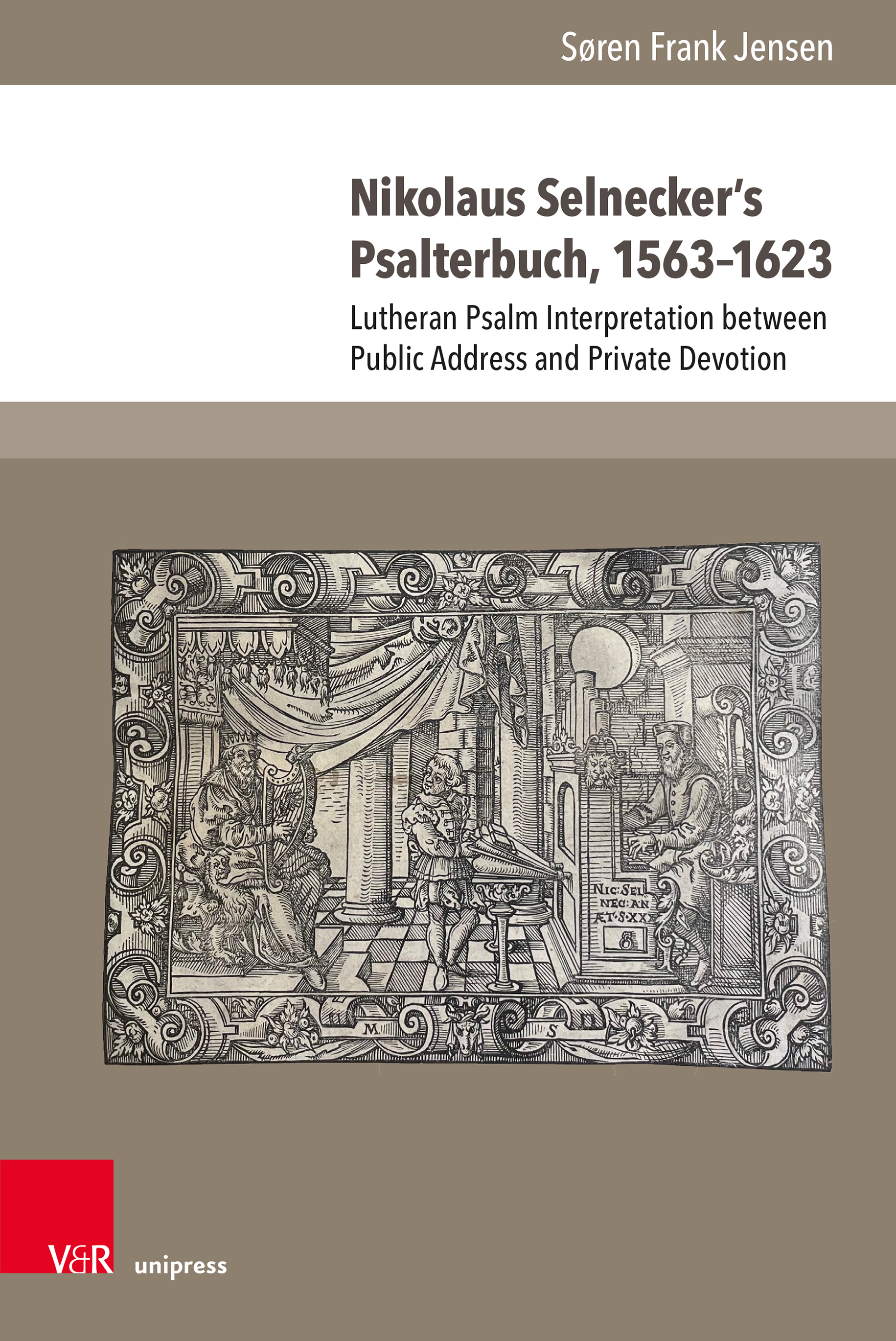 Nikolaus Selnecker’s Psalterbuch, 1563–1623
Lutheran Psalm Interpretation between Public and Private Devotion