
Humayma Excavation Project, 2
Nabatean Campground and Necropolis, Byzantine Churches, and Early Islamic Domestic Structures
by John Peter Oleson and Robert Schick

This volume reports on a Nabataean campground, which provides unique testimony to the flexible character of Nabataean settlement design, and provides detailed information on the Nabataean necropolis, which shows parallels with those at both Petra and Hegra.
In 1986 and 1987, Oleson and a small team surveyed an area of 250 sq km around the site of al-Humayma (ancient Hawara) in Jordan’s southern desert. Hawara was founded sometime in the first century BC by the Nabataean king Aretas. The flourishing settlement was occupied by a unit of Roman soldiers after AD 107, and it became the largest settlement in the Hisma desert during the Byzantine period. The Abbasid family built a manor house and mosque at Humayma in the late seventh century. In the course of the survey and excavation, the team documented 83 cisterns and other hydraulic installations, 26 km of aqueduct, portions of the Via Nova Traiana, first century Nabataean campgrounds, houses, and a shrine, one of the best preserved Roman Principate forts in the Near East, five Byzantine churches, several Byzantine houses, the qasr (large residence) of the Abbasid family and the mosque in which they plotted the overthrow of the Umayyad Caliphate. The site was more or less abandoned in 749 AD, when the Abbasids moved to their power base in Iraq. There has been only very light modern occupation, and the site has been unoccupied since about 1973. This is the second volume of a projected four volume series of reports about research on this important site. The first volume appeared in the ASOR Archaeological Reports Series in November 2010 (no. 15). The second volume reports on a Nabataean campground, which provides unique testimony to the flexible character of Nabataean settlement design, and provides a detailed information on the Nabataean necropolis, which shows parallels with those at both Petra and Hegra. The volume also includes the excavation records and analysis of five Byzantine churches, two of which lay above Nabataean structures, and three of which were modified for re-occupation in the Early Islamic period. There are also short reports on the probing of an Early Islamic structure of undetermined character, and on an important hoard of coins and jewellery found in the countryside. A number of subsidiary studies concern the human remains, botanical and faunal remains, fish bones, and molluscs found at the site in the course of the 11 seasons of excavation. The ceramics and small finds associated with the structures are analyzed, along with the many marble chancel screen fragments The main audience will be archaeologists and students concerned with the architecture and economy of Nabataean through Abbasid period settlements in the desert Near East. The presentation highlights issues such as the projection of culture from Petra outward to peripheral settlements, transitions between nomadic pastoralist and sedentary agricultural ways of life in Arabia Petraea, design eccentricities in rural church architecture, the spread and practice of Christianity in this region, and rural architecture of the Early Islamic period. There is also discussion of the physical evidence for local desert agriculture, stock raising, hunting, the import and export of foodstuffs, and the state of human nutrition at ancient Humayma.
- By (author) John Peter Oleson
- By (author) Robert Schick
Similar Books





 Connecting the Dots: Counting, Writing, and the Beginnings of Civilization
The Secret Lives of Clay Tokens: A Memoir

 Curating the Prehistoric Past
Studies on West Asian Archaeology and Beyond in Honour of Yoshihiro Nishiaki

 Exploring Gender Dynamics across the Ancient Near East
Collected Essays of Gender and Methodology in the Ancient Near East (GeMANE) 4 and 5
Volume 7


 Ḫattušaš utnē išḫameški
Hittite and Other Ancient Near Eastern Studies Presented to Piotr Taracha on the Occasion of His 65th Birthday




 Kultur – Kontakt – Kultur
Beiträge anlässlich der 66. Rencontre Assyriologique Internationale in Frankfurt/Main und Mainz, 25.–29. Juli 2022
Volume 35
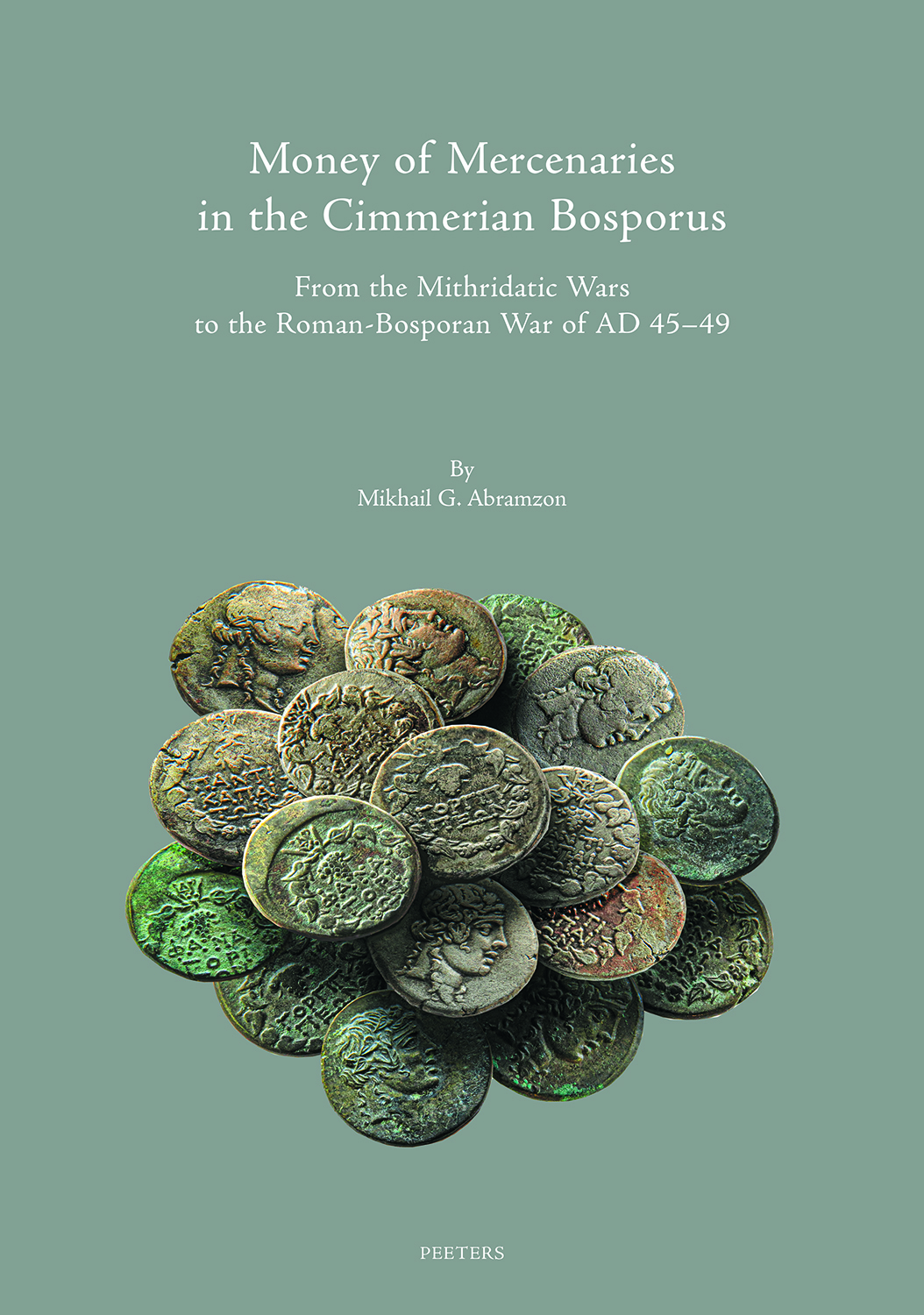 Money of Mercenaries in the Cimmerian Bosporus
From the Mithridatic Wars to the Roman-Bosporan War of AD 45-49
Volume 45

 New Research on Old Collections in Southwest Asian Archaeology
Proceedings of the Workshop Held at the British Museum, London, 31 July – 2 August, 2023
 Old Aramaic Inscriptions and their Contexts
An Epigraphic, Archaeological, and Historical Synthesis
Volume 63

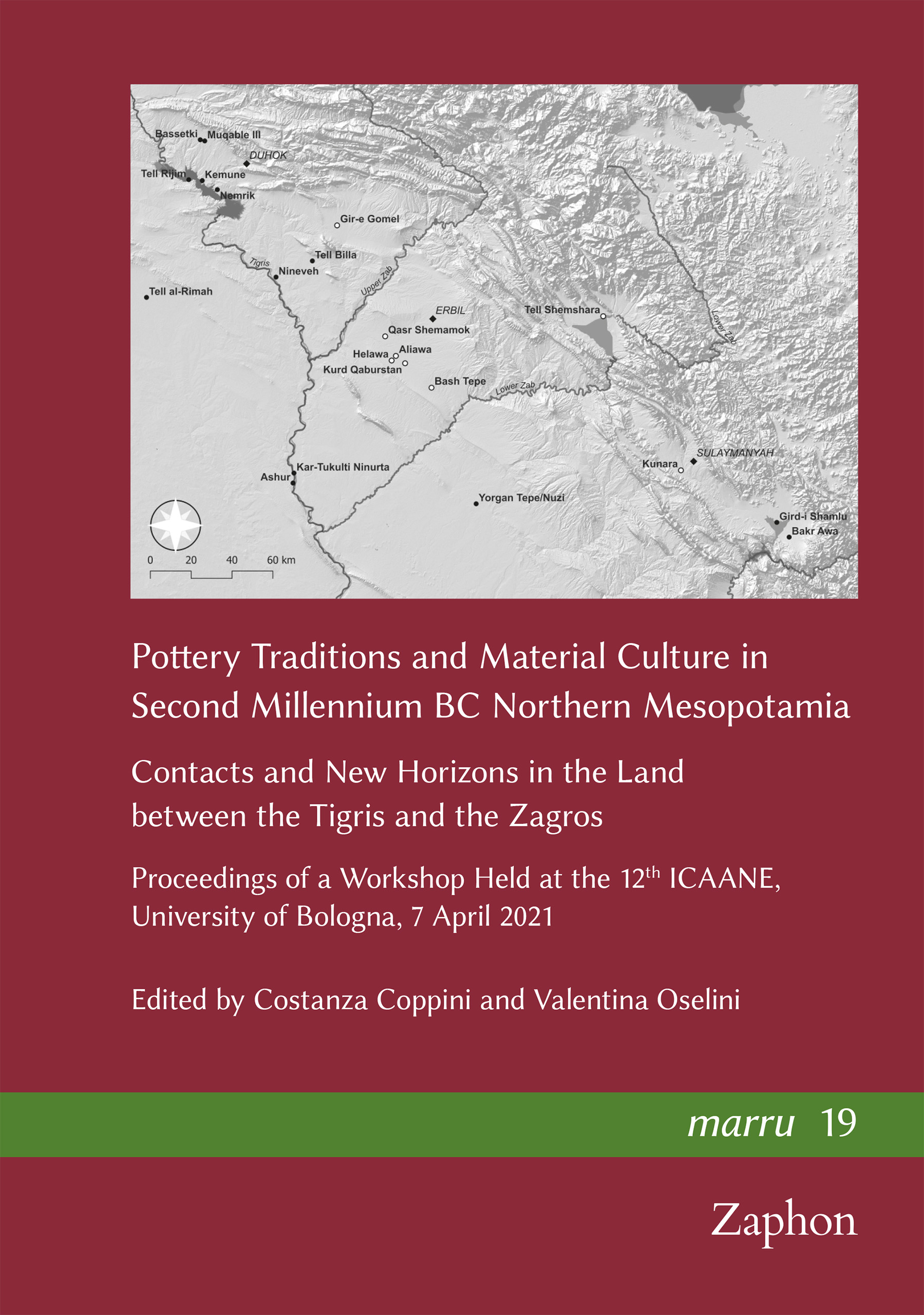 Pottery Traditions and Material Culture in Second Millennium BC Northern Mesopotamia
Contacts and New Horizons in the Land between the Tigris and the Zagros. Proceedings of a Workshop Held at the 12th ICAANE, University of Bologna, 7 April 2021
Volume 19
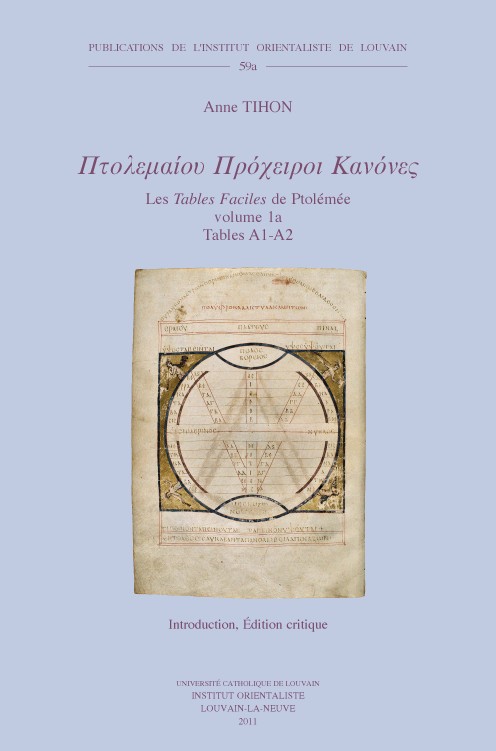
 Punning in Odd or Elegant Constructions in Jeremiah
The Convergence of Linguistics, Rhetoric, and Textuality in the Hebrew Text of Jeremiah

 Sertorius, the Exiles of the Sullan Regime and the Provinces of the Empire
Legitimacy, Morality and Imperial Discourse in the 70s BCE
 Shame in the Worlds of the Hebrew Bible and Akkadian Texts
A Linguistic Study and Its Implications
Volume 33

 Telling Contexts
Archaeological and Textual Studies in Honor of Elizabeth Bloch-Smith and Mark S. Smith
 The Body
Lived, Cultured, Adorned: Essays on Dress and the Body in the Bible and Ancient Near East in Honor of Nili S. Fox
 The Discourse of Rites
Shaping and Reshaping the (Counter-)Priestly Rituals Conducted Outside the Tabernacle
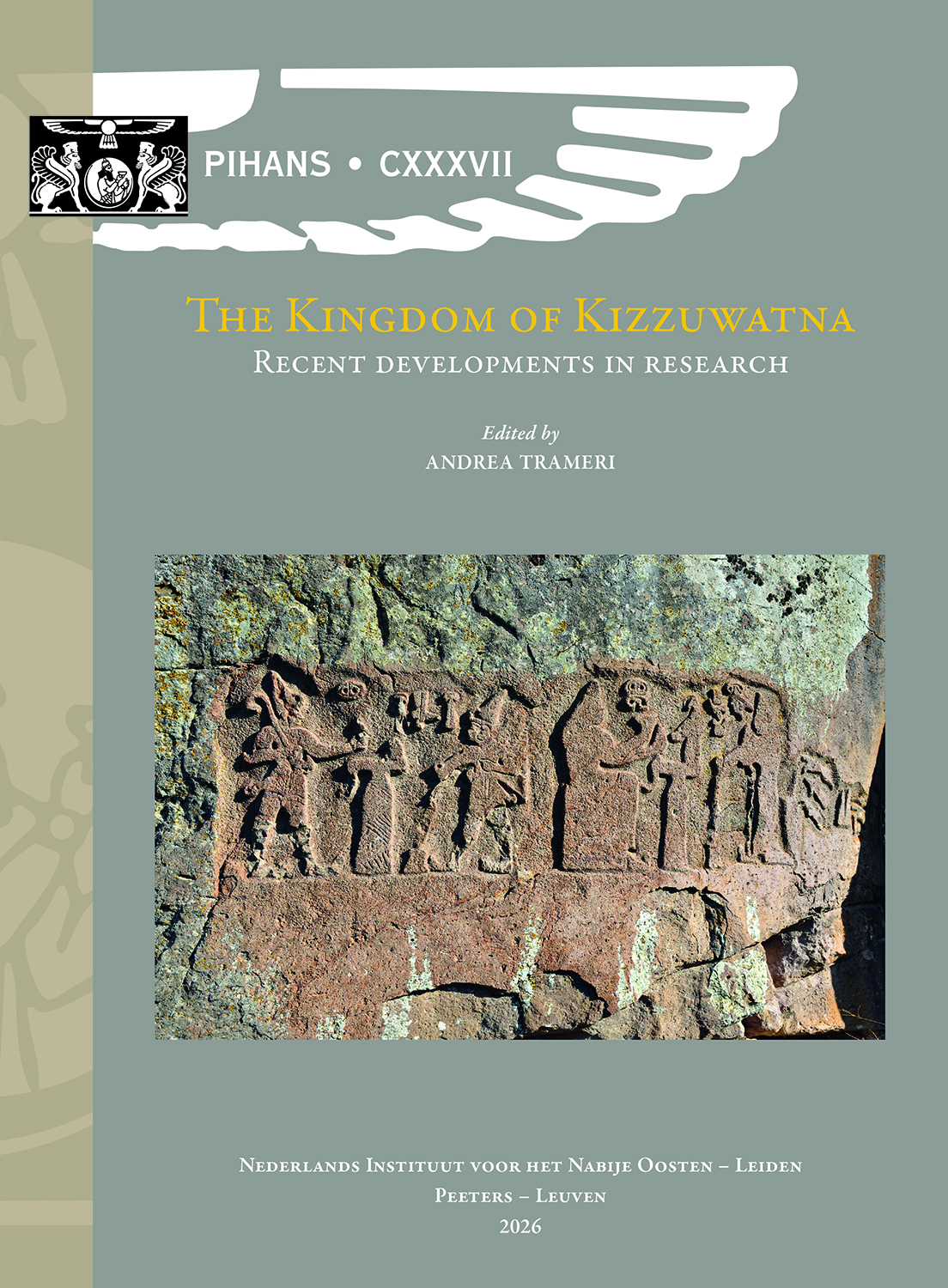 The Kingdom of Kizzuwatna: Recent Developments in Research
Proceedings of the Third NINO Postdoctoral Research Fellow Annual Conference, Leiden, 23rd-25th March 2023
Volume 137


 The Vandals and the Mediterranean / I Vandali e il Mediterraneo
Politics, Economy and Culture of a Barbarian Kingdom / Politica, economia e cultura di un regno barbarico