
Forging Values
Metals Technologies in the Aegean and Beyond from the 4th to the 1st Millennium BCE
Edited by N. Nerantzis

The significance of early metallurgy, its organisational complexity and the associated far-reaching networks for exchanging its valuable products have been central themes in archaeological research since long ago. The geographical location of Greek Eastern Macedonia and Thrace, connecting the Aegean with the Balkans and Anatolia, the rich mineral deposits and vibrant interactions of local communities with incoming populations played a crucial role in technological exchange. Production of base and precious metals seems to have been an identity-forming element for this region as hinted in the recurring references to its rich metalworking tradition by several ancient authors. The Marie Sklodowska-Curie funded project Metals Technology in North Aegean Societies (ME Tech. NAS.) focused on cases of metal production and consumption in this region while exploring the possible connections with neighbouring or more distant lands. Within this framework the International Symposium “Forging Values” focused on mining, ore processing, metallurgy, trade and deposition of metals from the Late Neolithic to the Hellenistic period in Greece and surrounding regions aiming to attempt a vivid demonstration of current and ongoing research. Participants to the conference addressed important issues such as the production and trade of copper and silver during the Bronze Age, the emergence and adoption of iron technology, the importance of gold and silver used as pre-monetary media for transactions and the large-scale extraction and purification of precious metals during Classical antiquity. This volume presents a selection of papers covering part of the presented research topics and its scope is to contribute to the field of interdisciplinary studies on ancient metallurgy (archaeometallurgy) with new results, methodological approaches and novel interpretative tools.
- Edited by N. Nerantzis
Other Titles in this Series
 The Early Iron Age Necropoleis at Marathon (Attica)
Burial Sites, Funerary Practices, Pottery Production and Uses
Volume 26
 Écrire en Gaule du Nord à l’époque romaine
Une anthologie raisonnée et commentée de graffiti
Volume 21
 La sculpture
Une histoire technique et matérielle au temps des révolutions industrielles (19e-21e siècles)
Volume 23
Similar Books

 Caesar’s Visions and Impact on the Roman Empire
Revisiting the Archaeological and Historical Record of the 40s BC
Volume 2


 Etruscan and Roman Hellenistic Anatomical ex votos
Reassessing Popular Religious Expressions in Central Italy
Volume 8


 Invisible Labour in Antiquity
Visualizing Obscure Work in the Ancient Mediterannean and West Asia
Volume 1
 Late Antique villae in the Balkans (3rd–7th c. AD): Current Research Questions and Perspectives
HAEMUS Companion to the Late Antique Balkans 1
Volume 4


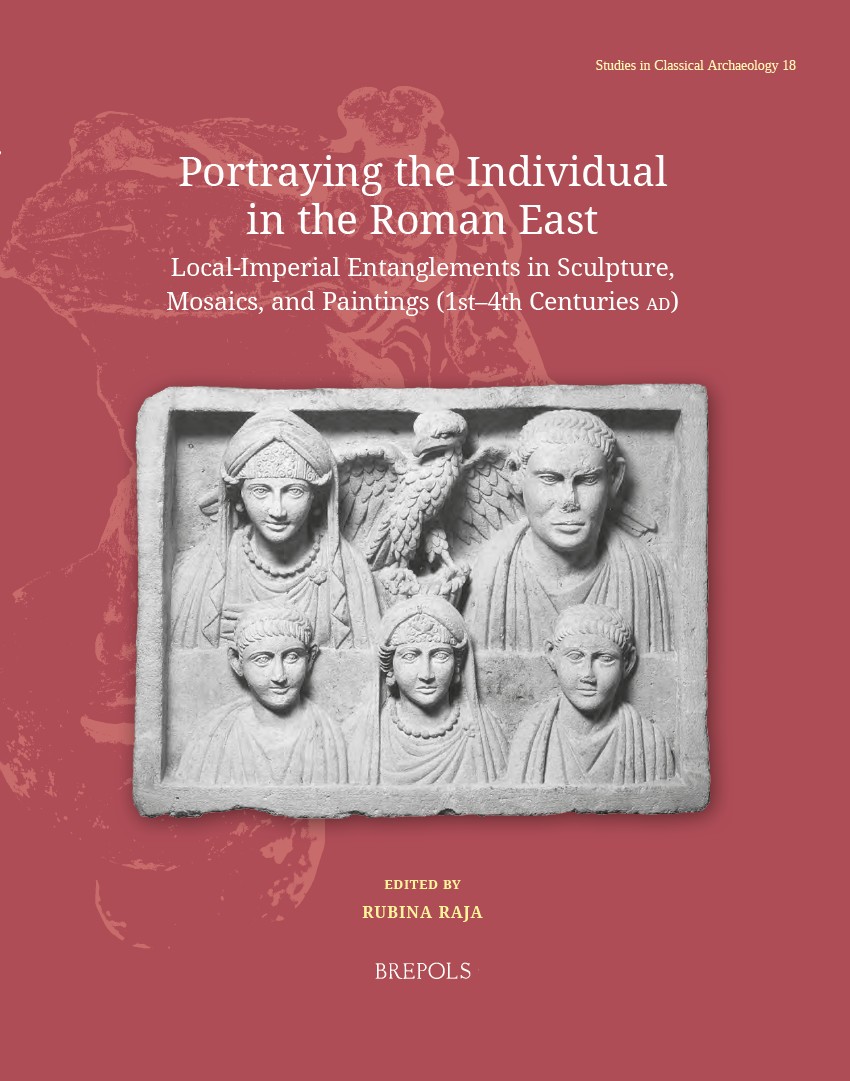 Portraying the Individual in the Roman East
Local–Imperial Entanglements in Sculpture, Mosaics, and Paintings (First–Fourth Centuries AD)
Volume 18

 Small Worlds and Relational Agencies: Local Societies in Early Medieval Iberia
Pequeños mundos y Agencias relacionales: Sociedades locales altomedievales en la Península Ibérica

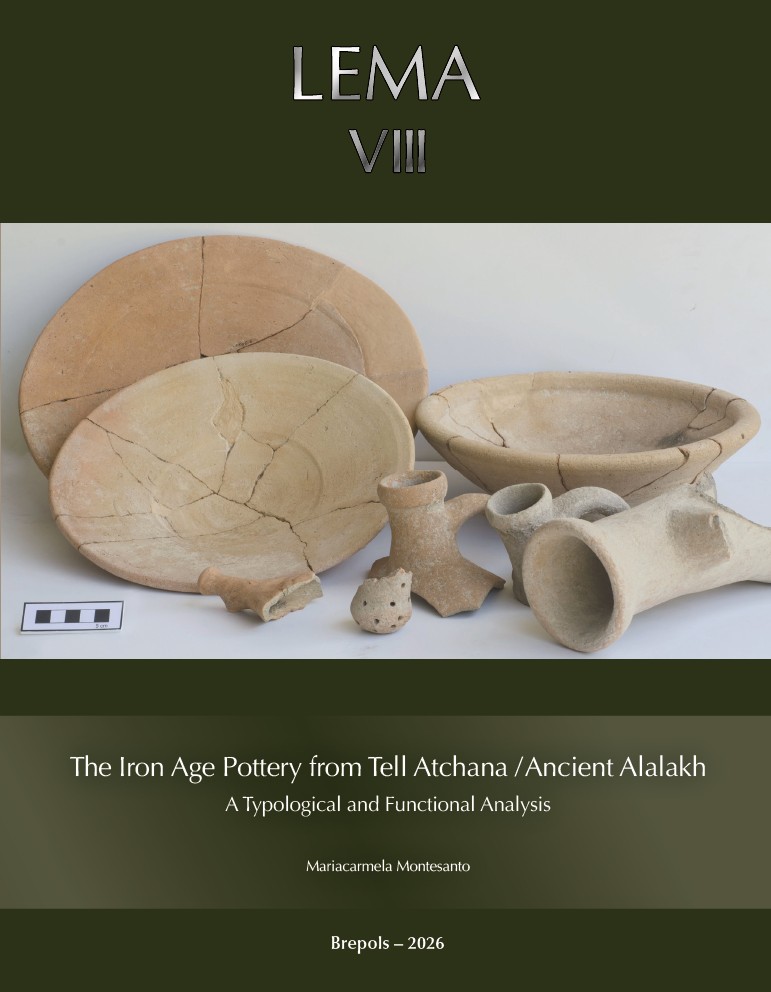 The Iron Age Pottery from Tell Atchana / Ancient Alalakh
A Typological and Functional Analysis
Volume 8

 Writing in the Church of the Nativity in Bethlehem
Inscription and Graffiti in a Multilingual and Multigraphic Perspective
Volume 45


 Atlante tematico di topografia antica 36-2026
Urbanistica e monumenti, porti, Roma. Ricerche sui monti Aurunci
Volume 36
 Cerámica común romana y ciclo haliéutico
Análisis de los contextos de las cetariae de Iulia Traducta

 Nuove scoperte e progressi nelle metodologie di rilievo e analisi dell’arte rupestre post-paleolitica in Italia
New discoveries and progress in the tracing and analysis methodologies of the post-Paleolithic rock art in Italy


 A Dramatic Event in Late Roman Florence
The Anomalous Burial Site Discovered beneath the Uffizi Gallery

 Alexander the Great and the Campaign of Gaugamela
New Research on Topography and Chronology. IAMNI 1 (Italian Archaeological Mission to Northern Iraq)
Volume 53


 Ceramic Finds in Context (Roman to Early Islamic Times)
Final Publications from the Danish-German Jerash Northwest Quarter Project VII
Volume 13