
Figurale Bronzen ägyptischer und griechisch-römischer Art vom Jabal al-‘Awd, Jemen (von Robert Fleischer und Regine Schulz)· Die Felsmalereien von Djarf al-Yahudi im zentraljemenitischen Hochland. Neuere Informationen zur Palastarchitektur im vorislamischen Arabien (von Mohammed Ali Al-Salami)
By (author) Robert Fleischer By (author) Regine Schulz By (author) Mohammed Ali Al-Salami

Hardback (Published)
(May 2012)
ISBN: 9783895008429
8.9 x 12.2 inches
Price: $87.00
On back order
English description: The first article in this volume presents 17 bronzes that came to light among the ruins of an enwalled settlement atop the Jabal al-‘Awd, a nearly 3000-meter high mountain located some 50 km east of Ibb. The figural bronzes encompass Egyptian or Greek-Roman kinds, but also those obviously produced in South Arabia that display the influence of works from the Mediterranean sphere. Residences of rulers and palaces are a well-known occurrence among ancient civilizations. This applies to ancient South Arabia as well, whence a number of such complexes are found, for example, the palace of Gumdan in Sana’a. The description of Gumdan, as documented by al-Hamdani for instance, shows great similarity with the rock paintings at Djarf al-Yahudi, a basolt promontory located ca. 50 km east of Sana’a. The second contribution in this tome provides a description of these rock paintings and compares them with the documentation made by al-Hamdani. German description: Der erste Beitrag veroffentlicht 17 Bronzen, die in den Ruinen einer ummauerten Siedlung auf dem Gipfel des fast 3.000 m hohen Jabal al-‘Awd, rund 50 km ostlich von Ibb, zutage kamen. Erfasst sind figurale Bronzen agyptischer beziehungsweise griechisch-romischer Art sowie offensichtlich in Sudarabien hergestellte, jedoch von Werken aus dem Mittelmeerraum anhangige oder beeinflusste Bronzen. Herrscherresidenzen bzw. Palaste sind aus vielen alten Hochkulturen bekannt. Auch aus dem antiken Sudarabien gibt es Nachrichten uber eine Reihe solcher Bauten, so z. B. zu einem der bekanntesten, dem Palast Gumdan in Sanaa. Die Beschreibung von Gumdan, wie sie z. B. bei al-Hamdani uberliefert wird, zeigt eine starke Ahnlichkeit mit den Felsmalereien von Djarf al-Yahudi, einem basaltischen Felsuberhang ca. 50 km ostlich von Sanaa. Der zweite Beitrag gibt eine Beschreibung dieser Felsmalereien und pruft deren Ubereinstimmung mit al-Hamdanis Beschreibung.
Professor Dr. Robert Fleischer <br/>(born in 1941 in Vienna) studied Classical Archaeology and Ancient History at the University of Vienna (1958 to1963). He was assistant at the Austrian Archaeological Institute (1963 to 1977) and served in the Austrian Army (1964/1965). In 1973 he received his Habilitation at the University of Vienna, was full Professor at the University of Mainz (1977to2006) and Visiting Professor at the Bryn Mawr College, PA, USA (1989).<br/>Excavations and field research in Austria, Germany, Greece, Turkey, Yemen. <br/>Classical Archaeology and Archaeology of the Roman provinces, especially ancient bronzes, Anatolian cult statues, classical sarcophagi, Hellenistic ruler portraiture, rock-cut tombs in Anatolia.<br/><br/><br/>Professor Dr. Regine Schulz <br/>is Director of the Roemer- and Pelizaeus Museum in Hildesheim and Professor of Egyptology at the Ludwig Maximilians University in Munich. From 2001 to 2011 she was Curator of Ancient Art and from 2003 to 2007 also Acting Curator of Islamic art at the Walters Art Museum, as well as Affiliate Professor at the Department of Near Eastern Studies at the Johns Hopkins University in Baltimore (USA). From the 1990s she became interested in South Arabia and organized in 1999 the exhibition “Treasures from the Land of the Queen of Sheba” in Hildesheim, and in 2007 “Faces of Ancient Arabia” in Baltimore.<br/><br/><br/>Muhammad Ali al-Salami <br/>is Associate Professor of Old South Arabian languages at the University of Sana’a. He earned his doctorate in 2010 at the University of Jena with a dissertation on sabaic inscriptions from Hawlan. His area of activity includes the old south arabian dialects as well as the History and Genealogy of arabian clans.<br/>
- By (author) Robert Fleischer
- By (author) Regine Schulz
- By (author) Mohammed Ali Al-Salami
Other Titles in this Series


Similar Books






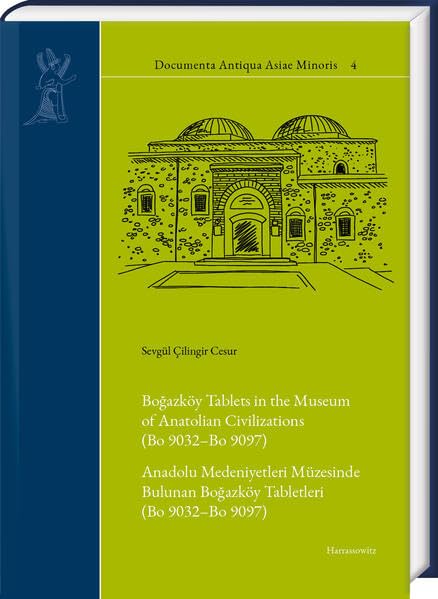 Boğazköy Tablets in the Museum of Anatolian Civilizations (Bo 9032–Bo 9097)
Anadolu Medeniyetleri Müzesinde Bulunan Boğazköy Tabletleri (Bo 9032–Bo 9097)
Volume 4
 Connecting the Dots: Counting, Writing, and the Beginnings of Civilization
The Secret Lives of Clay Tokens: A Memoir

 Curating the Prehistoric Past
Studies on West Asian Archaeology and Beyond in Honour of Yoshihiro Nishiaki


 Exploring Gender Dynamics across the Ancient Near East
Collected Essays of Gender and Methodology in the Ancient Near East (GeMANE) 4 and 5
Volume 7


 Ḫattušaš utnē išḫameški
Hittite and Other Ancient Near Eastern Studies Presented to Piotr Taracha on the Occasion of His 65th Birthday






 Kultur – Kontakt – Kultur
Beiträge anlässlich der 66. Rencontre Assyriologique Internationale in Frankfurt/Main und Mainz, 25.–29. Juli 2022
Volume 35

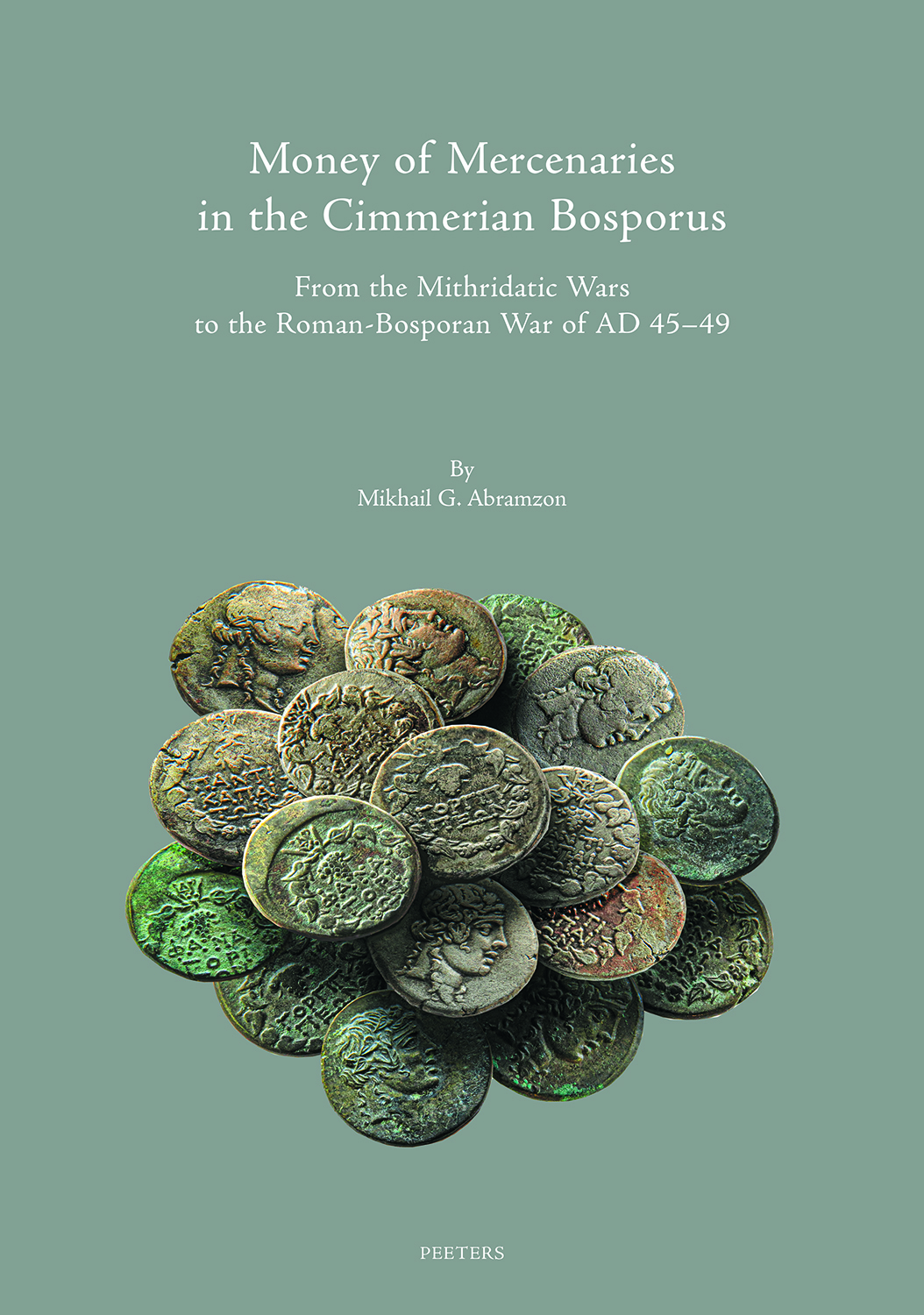 Money of Mercenaries in the Cimmerian Bosporus
From the Mithridatic Wars to the Roman-Bosporan War of AD 45-49
Volume 45


 New Research on Old Collections in Southwest Asian Archaeology
Proceedings of the Workshop Held at the British Museum, London, 31 July – 2 August, 2023
 Old Aramaic Inscriptions and their Contexts
An Epigraphic, Archaeological, and Historical Synthesis
Volume 63

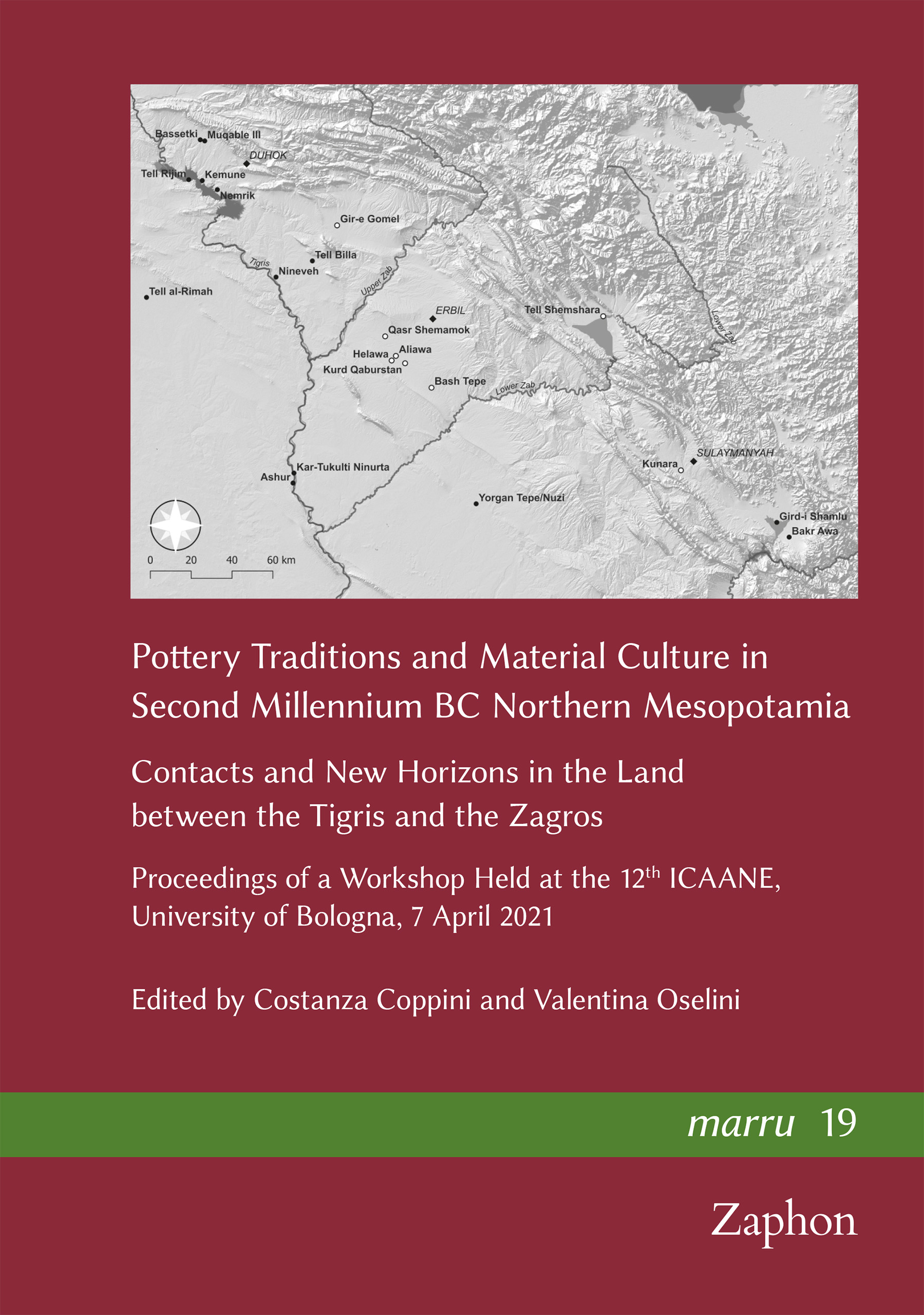 Pottery Traditions and Material Culture in Second Millennium BC Northern Mesopotamia
Contacts and New Horizons in the Land between the Tigris and the Zagros. Proceedings of a Workshop Held at the 12th ICAANE, University of Bologna, 7 April 2021
Volume 19
 Punning in Odd or Elegant Constructions in Jeremiah
The Convergence of Linguistics, Rhetoric, and Textuality in the Hebrew Text of Jeremiah