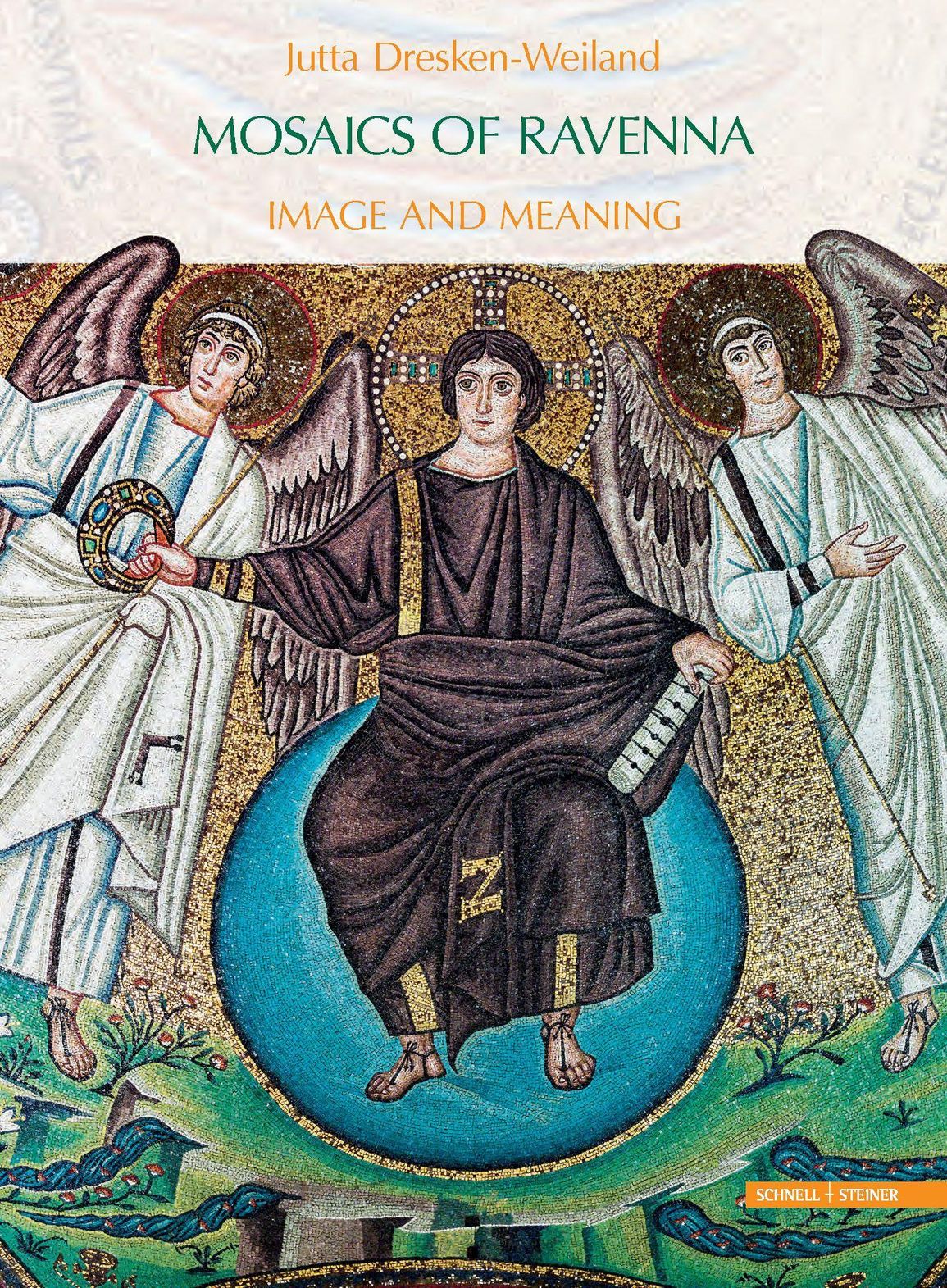
Ex toto orbe Romano: Immigration into Roman Dacia
With Prosopographical Observations on the Population of Dacia
by L. Mihailescu-BiRliba

Hardback (Published)
(March 2011)
ISBN: 9789042924000
Price: $82.00
On back order
Using Eutropius’ remark that Trajan, after the Dacian conquest, brought colonists from all the Roman world (ex toto orbe Romano), the author analyses the phenomenon of immigration into Roman Dacia. The approach is both epigraphic and archaeological, but from both points of view, questions remain without a (precise) answer. The list of persons who are mentioned in inscriptions is divided into three main categories: the elites, the mining population (very particular in relation to the whole population), and persons belonging to middle and lower classes.
Using Eutropius’ remark that Trajan, after the Dacian conquest, brought colonists from all the Roman world (ex toto orbe Romano), the author analyses the phenomenon of immigration into Roman Dacia. The approach is both epigraphic and archaeological, but from both points of view, questions remain without a (precise) answer. The list of persons who are mentioned in inscriptions is divided into three main categories: the elites, the mining population (very particular in relation to the whole population), and persons belonging to middle and lower classes. The sample does not include elements of the non-stable population, such as active soldiers or members of the Roman administration in the province. In many cases, the names of people in the epigraphic sources do not indicate the origin of such persons, and only a few natives are attested. On the other hand, archaeological evidence indicates the presence in Dacia of some stone-workers from other provinces or circulating there in consequence of various wars, although it is impossible to be precise about the circulation of the latter folk. In the end, one of the main questions is: where are the natives? In both epigraphic and archaeological sources their presence is weakly attested. The author accepts that the colonisation of Dacia was indeed intense and that Eutropius’ affirmation could be true; on the other hand, combining some literary evidence with the results of the present analysis and with the author’s earlier demographic research, it can be said that the Romans found Dacia to be a sparsely populated territory. This is why the colonisation was not only intense but had such a strong effect in the Romanisation of the province.
- By (author) L Mihailescu-Birliba
Other Titles in this Series
 Religious Excitement in Ancient Anatolia
Cult and Devotional Forms for Solar and Lunar Gods
Volume 23

 Archaeology of Eastern Anatolia II: From Prehistoric Times to the End of the Iron Ages
Proceedings of the 2nd Archaeology of Eastern Anatolia Colloquium, 23-25 April 2021, Online (Arkeolojihaber Youtube Channel)
Volume 43
 Sylloge Nummorum Graecorum: State Pushkin Museum of Fine Arts
Coins of the Black Sea Region. Part II: Ancient Coins of the Black Sea Littoral
Volume 11
 Phrygia in Antiquity: From the Bronze Age to the Byzantine Period
Proceedings of an International Conference 'The Phrygian Lands over Time: From Prehistory to the Middle of the 1st Millennium AD', held at Anadolu University, Eskisehir, Turkey, 2nd-8th November, 2015
Volume 24


 An Approach to the Historical Geography of the Southern Black Sea Littoral (First Millennium BC)
Volume 36

 Une autre façon d’être grec: interactions et productions des Grecs en milieu colonial. Another Way of Being Greek: Interactions and Cultural Innovations of the Greeks in a Colonial Milieu
Actes du colloque international organisé à Amiens (Université de Picardie Jules Verne/TRAME) et Paris (ANHIMA), 18-19 novembre 2016
Volume 26
 Sylloge Nummorum Graecorum: State Pushkin Museum of Fine Arts
Coins of the Black Sea Region. Part I: Ancient Coins from the Northern Black Sea Littoral
Volume 3

 Tell Qudadi
An Iron Age IIB Fortress on the Central Mediterranean Coast of Israel (with References to Earlier and Later Periods): Final Report on the Hebrew University of Jerusalem Excavations Directed by E.L. Sukenik and S. Yeivin, with the Participation of N.
Volume 15


 The Achaemenids, the Black Sea and Beyond: New Evidence and Studies
A Volume Dedicated to the Memory of Prof. Alexandru Avram
Volume 40
 Dining and Death
Interdisciplinary Perspectives on the 'Funerary Banquet' in Ancient Art, Burial and Belief
Volume 16
 Die zyprischen Königtümer im Schatten der Großreiche des Vorderen Orients
Studien zu den zyprischen Monarchien vom 8. bis zum 4. Jh. v. Chr.
Volume 20


 Between Tarhuntas and Zeus Polieus
Cultural Crossroads in the Temples and Cults of Graeco-Roman Anatolia
Volume 17
 Archaic and Classical Western Anatolia: New Perspectives in Ceramic Studies
In memoriam of Prof. Crawford H. Greenwalt Jr. Proceedings of the Second KERAMOS International Conference at Ege University, Izmir, 3-5 June, 2015
Volume 19
 Money of Mercenaries in the Cimmerian Bosporus
From the Mithridatic Wars to the Roman-Bosporan War of AD 45-49
Volume 45
 Cultural Identity within the Northern Black Sea Region in Antiquity
(De)constructing Past Identities
Volume 31


 Greece’s Northern Frontier
Studies in the History of the Ancient Greek Experience in the Black Sea
Volume 38
Similar Books

 Caesar’s Visions and Impact on the Roman Empire
Revisiting the Archaeological and Historical Record of the 40s BC
Volume 2



 Drunk the Potion, No Whit Charmed
The Doctrine of Pure and Perfect Souls from Iamblichus to Damascius

 Epiphanies of the Divine in the Septuagint and the New Testament
Fifth International Symposium of the Corpus Judaeo-Hellenisticum Novi Testamenti (CJHNT), 14-17 May 2015, Nottingham


 Etruscan and Roman Hellenistic Anatomical ex votos
Reassessing Popular Religious Expressions in Central Italy
Volume 8



 Invisible Labour in Antiquity
Visualizing Obscure Work in the Ancient Mediterannean and West Asia
Volume 1
 Language and Power in the Roman Empire and Early India
Hierarchy, Ambiguity, and the Art of Reading the Signs in Cosmopolitan Cultures
 Late Antique villae in the Balkans (3rd–7th c. AD): Current Research Questions and Perspectives
HAEMUS Companion to the Late Antique Balkans 1
Volume 4

 Nurturing the Elite
Representations of Drinking, Eating, and Religious Vessels in Palmyrene Funerary Iconography
Volume 13


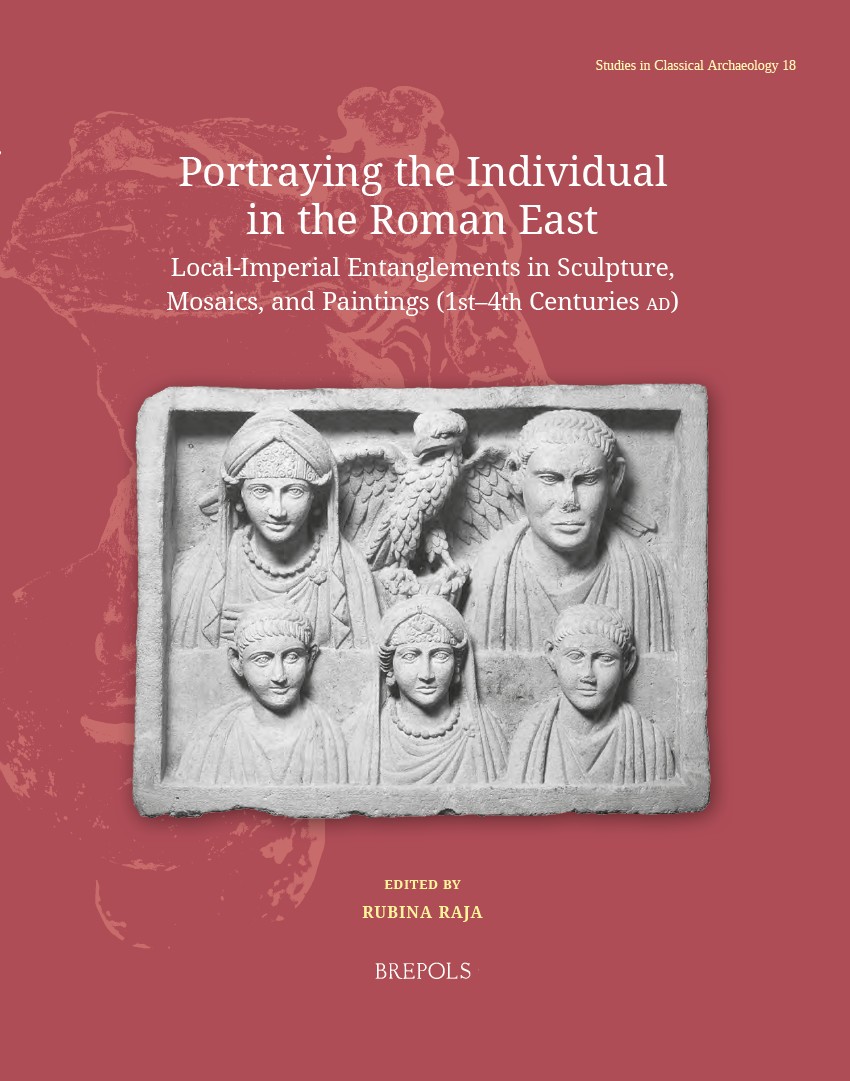 Portraying the Individual in the Roman East
Local–Imperial Entanglements in Sculpture, Mosaics, and Paintings (First–Fourth Centuries AD)
Volume 18

 Small Worlds and Relational Agencies: Local Societies in Early Medieval Iberia
Pequeños mundos y Agencias relacionales: Sociedades locales altomedievales en la Península Ibérica
 The Compositional History of the Book of Kings
An Analysis of the Evaluative Frameworks in 1 Kings 14–2 Kings 25

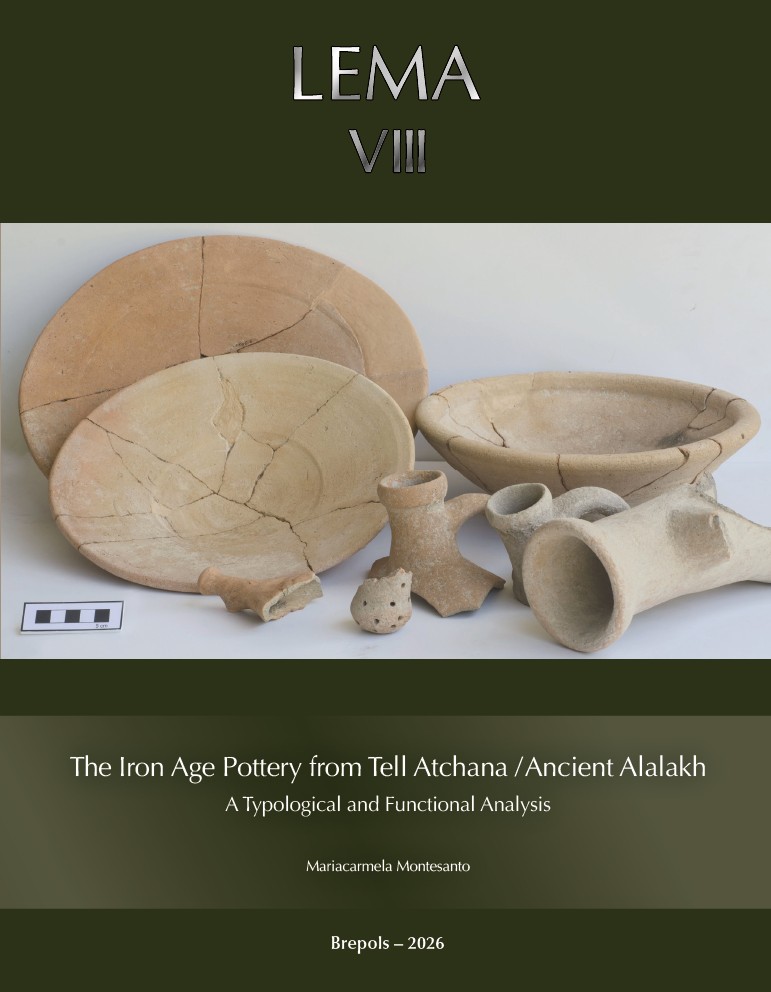 The Iron Age Pottery from Tell Atchana / Ancient Alalakh
A Typological and Functional Analysis
Volume 8

 Writing in the Church of the Nativity in Bethlehem
Inscription and Graffiti in a Multilingual and Multigraphic Perspective
Volume 45
 Contesting Labeled Identities
The Sociology of Gentilics in Biblical and Northwest Semitic Literature