
Europe’s Lost Frontiers: Volume 1
Context and Methodology
Edited by Vincent Gaffney Edited by Simon Fitch

Paperback (Published)
(August 2022)
ISBN: 9781803272689
8.07 x 11.42 inches
Price: $65.00
In stock
Europe’s Lost Frontiers was the largest directed archaeological research project in Europe, investigating the inundated landscapes of the Early Holocene North Sea – often referred to as ‘Doggerland’. The first in a series of monographs presenting the results of the project, this book provides the context of the study and metho
Europe’s Lost Frontiers was the largest directed archaeological research project undertaken in Europe to investigate the inundated landscapes of the Early Holocene North Sea – the area frequently referred to as ‘Doggerland’. Funded through a European Research Council Advanced Grant (project number 670518), the project ran from 2015 to 2021, and involved more than 30 academics, representing institutions spread geographically from Ireland to China. A vast area of the seabed was mapped, and multiple ship expeditions were launched to retrieve sediment cores from the valleys of the lost prehistoric landscapes of the North Sea. This data has now been analysed to provide evidence of how the land was transformed in the face of climate change and rising sea levels. This volume is the first in a series of monographs dedicated to the analysis and interpretation of data generated by the project. As a precursor to the publication of the detailed results, it provides the context of the study and method statements. Later volumes will present the mapping, palaeoenvironment, geomorphology and modelling programmes of Europe’s Lost Frontiers. The results of the project confirm that these landscapes, long held to be inaccessible to archaeology, can be studied directly and provide an archaeological narrative. This data will become increasingly important at a time when contemporary climate change and geo-political crises are pushing development within the North Sea at an unprecedented rate, and when the opportunities to explore this unique, heritage landscape may be significantly limited in the future.
General Editors Preface - Vincent Gaffney 1. Europe's Lost Frontiers: Context and Development - Vincent Gaffney and Simon Fitch Before Europe's Lost Frontiers 2. Beyond the Site: An Evaluation of the Value of Extensive Commercial Datasets for Palaeolandscape Research - Simon Fitch and Eleanor Ramsey 3. A Description of Palaeolandscape Features in the Southern North Sea - Simon Fitch, Vincent Gaffney, Rachel Harding, Andrew Fraser and James Walker 4. From Extensive to Intensive: Moving into the Mesolithic Landscape of Doggerland - Simon Fitch Europe's Lost Frontiers 5. The Archaeological Context of Doggerland during the Final Palaeolithic and Mesolithic - James Walker, Vincent Gaffney, Simon Fitch, Rachel Harding, Andrew Fraser, Merle Muru and Martin Tingle 6. The Southern River: Methods for the Investigation of Submerged Palaeochannel Systems - Simon Fitch, Richard Bates and Rachel Harding 7. Establishing a Lithostratigraphic and Palaeoenvironmental Framework for the Investigation of Vibracores from the Southern North Sea - Martin Bates, Ben Gearey, Tom Hill, Erin Kavanagh, David Smith and John E. Whittaker 8. Sedimentary Ancient DNA Palaeoenvironmental Reconstruction in the North Sea Landscape - Robin Allaby, Rebecca Cribdon, Rosie Everett and Roselyn Ware 9. Palaeomagnetic Analysis of Cores from Europe's Lost Frontiers - Samuel E. Harris, Catherine M. Batt and Elizabeth Topping 10. Applying Chemostratigraphic Techniques to Shallow Bore Holes: Lessons and Case Studies from Europe's Lost Frontiers - Alexander Finlay, Richard Bates and Mohammed Ben Sharada 11. Introduction to Geochemical Studies within Europe's Lost Frontiers - Mohammed Ben Sharada, Ben Stern and Richard Telford 12. Constructing Sediment Chronologies for Doggerland - Tim Kinnaird, Martin Bates, Rebecca Bateman and Aayush Srivastava 13. Building chronologies for Europe's Lost Frontiers: Radiocarbon dating and Age-Depth Modelling - Derek Hamilton and Tim Kinnaird 14. Simulating a Drowned Landscape: A Four-dimensional Approach to Solving Problems of Behaviour and Scale - Phillip Murgatroyd, Eugene Ch'ng, Tabitha Kabora and Micheal Butler 15. Greetings from Doggerland? Future Challenges for the Targeted Prospection of the Southern North Sea Palaeolandscape - Simon Fitch, Vince Gaffney, James Walker, Rachel Harding and Martin Tingle Supplementary Data 16. Supplementary Data to 'Constructing Sediment Chronologies for Doggerland' Bibliography, General Editors Preface – Vincent GaffneyVincent Gaffney and Simon Fitch Before Europe’s Lost FrontiersSimon Fitch and Eleanor RamseySimon Fitch, Vincent Gaffney, Rachel Harding, Andrew Fraser and James WalkerSimon Fitch Europe’s Lost FrontiersJames Walker, Vincent Gaffney, Simon Fitch, Rachel Harding, Andrew Fraser, Merle Muru and Martin TingleSimon Fitch, Richard Bates and Rachel HardingMartin Bates, Ben Gearey, Tom Hill, Erin Kavanagh, David Smith and John E. Whittaker Robin Allaby, Rebecca Cribdon, Rosie Everett and Roselyn WareSamuel E. Harris, Catherine M. Batt and Elizabeth ToppingAlexander Finlay, Richard Bates and Mohammed Ben SharadaMohammed Ben Sharada, Ben Stern and Richard TelfordTim Kinnaird, Martin Bates, Rebecca Bateman and Aayush SrivastavaDerek Hamilton and Tim KinnairdPhillip Murgatroyd, Eugene Ch’ng, Tabitha Kabora and Micheál ButlerSimon Fitch, Vince Gaffney, James Walker, Rachel Harding and Martin Tingle Supplementary Data Bibliography
- Edited by Vincent Gaffney
- Edited by Simon Fitch
'Europe's Lost Frontiers will make a significant contribution to unlocking a forgotten landscape that is the size of Wales and now lies beneath the central and southern sections of the North Sea. With an excellent introductory text from Gaffney and Finch, the book will appeal to readers who have a keen interest in palaeoenvironmental approaches to reconstructing lost landscapes.' – George Nash (2023): Current World Archaeology #120
—
‘Considering the legacy of the project, this volume conveniently brings together a considerable amount of information, underpinned by a critical transparency of the methods employed. This gives the volume authority and aids replication of a multi-proxy, synergistic approach that promises to facilitate a much more nuanced understanding of the Early Holocene environmental history of the southern North Sea. Whilst cost is a limitation to this approach (although it could be scaled up or down on a project-by-project basis) this work has the potential to move us away from a reliance on chance discoveries and towards a more reliable means of targeted prospection of submerged landscapes.’ – Rebecca Ferreira (2023): Journal of Maritime Archaeology
—
Similar Books


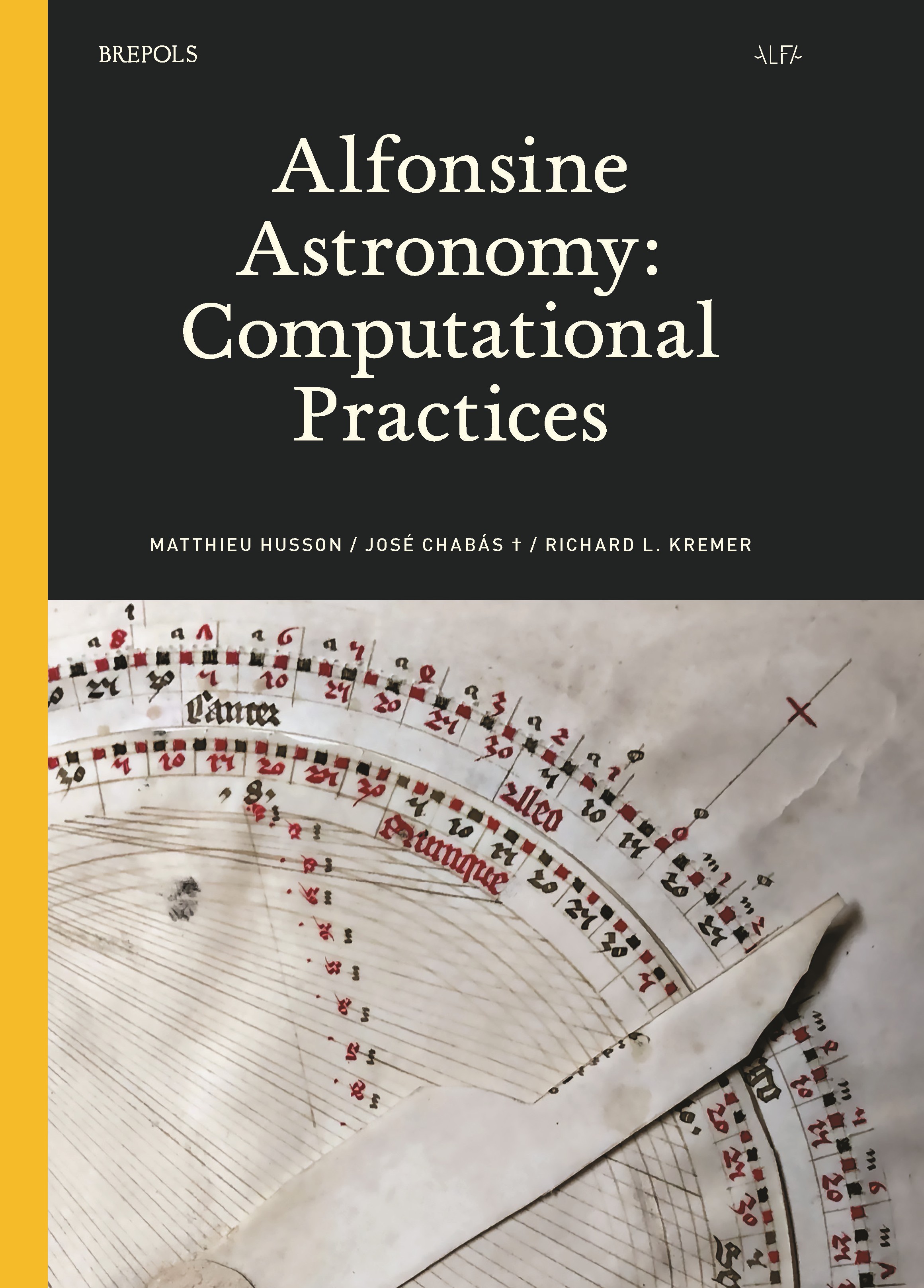


 Colour Concept “Secoli bui” a colori
Codici cromatici e architetture dipinte nell’età tardoantica e medievale

 Crossing Disciplines in the Study of Archaeology and Prehistoric Art: Insights from the Sahara and Mediterranean Africa
Proceedings of the XX UISPP World Congress (5–9 September 2023, Timișoara, Romania) Volume / Session 18
 Crossing Sacred Landscapes
Contacts and Continuities in the Desert Cults and Beliefs of Ancient Northern Arabia and the Arid Southern Levant
 Cuneiform Artefacts from Archaeological Contexts: New Research on Ancient Iraq
Proceedings of a Conference Held at the Bavarian Academy of Sciences and Humanities, July 4–5, 2024
Volume 2


 Exploring Prehistoric Pottery in Japan
A Study of Organic Inclusions, Adhering Materials, and Impressions of Woven Items
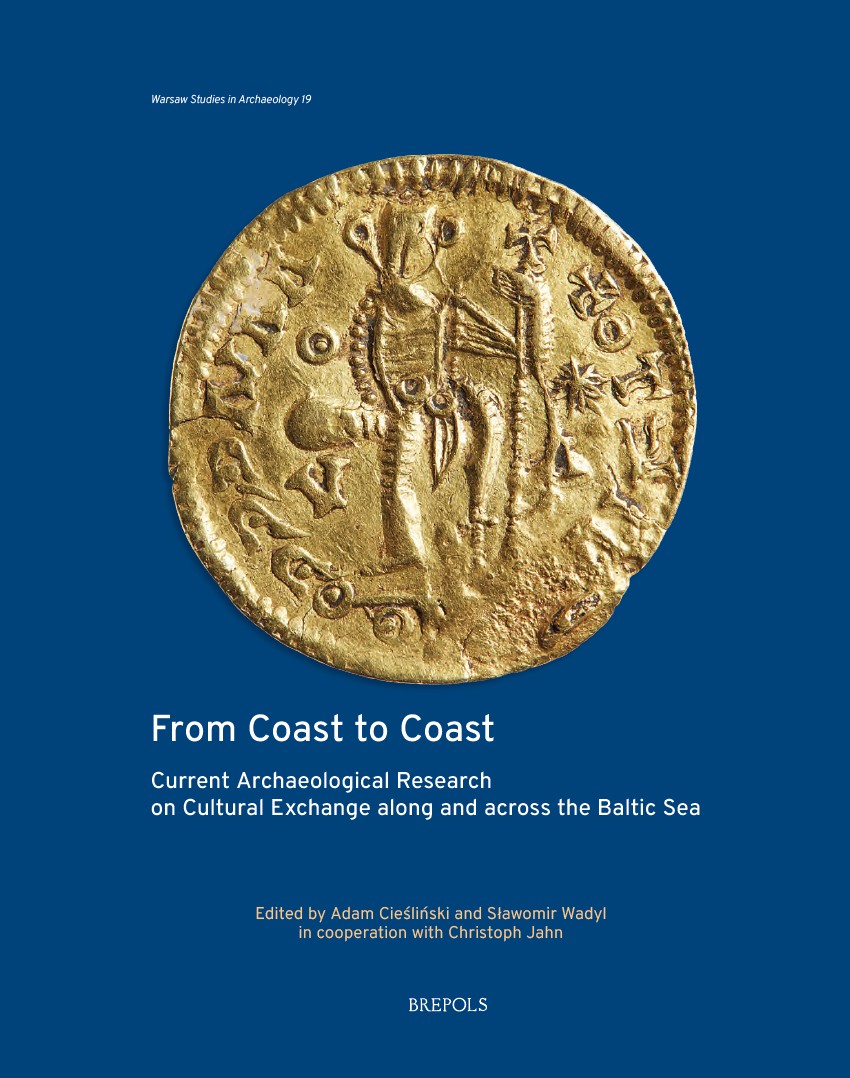 From Coast to Coast
Current Archaeological Research on Cultural Exchange along and across the Baltic Sea
Volume 19


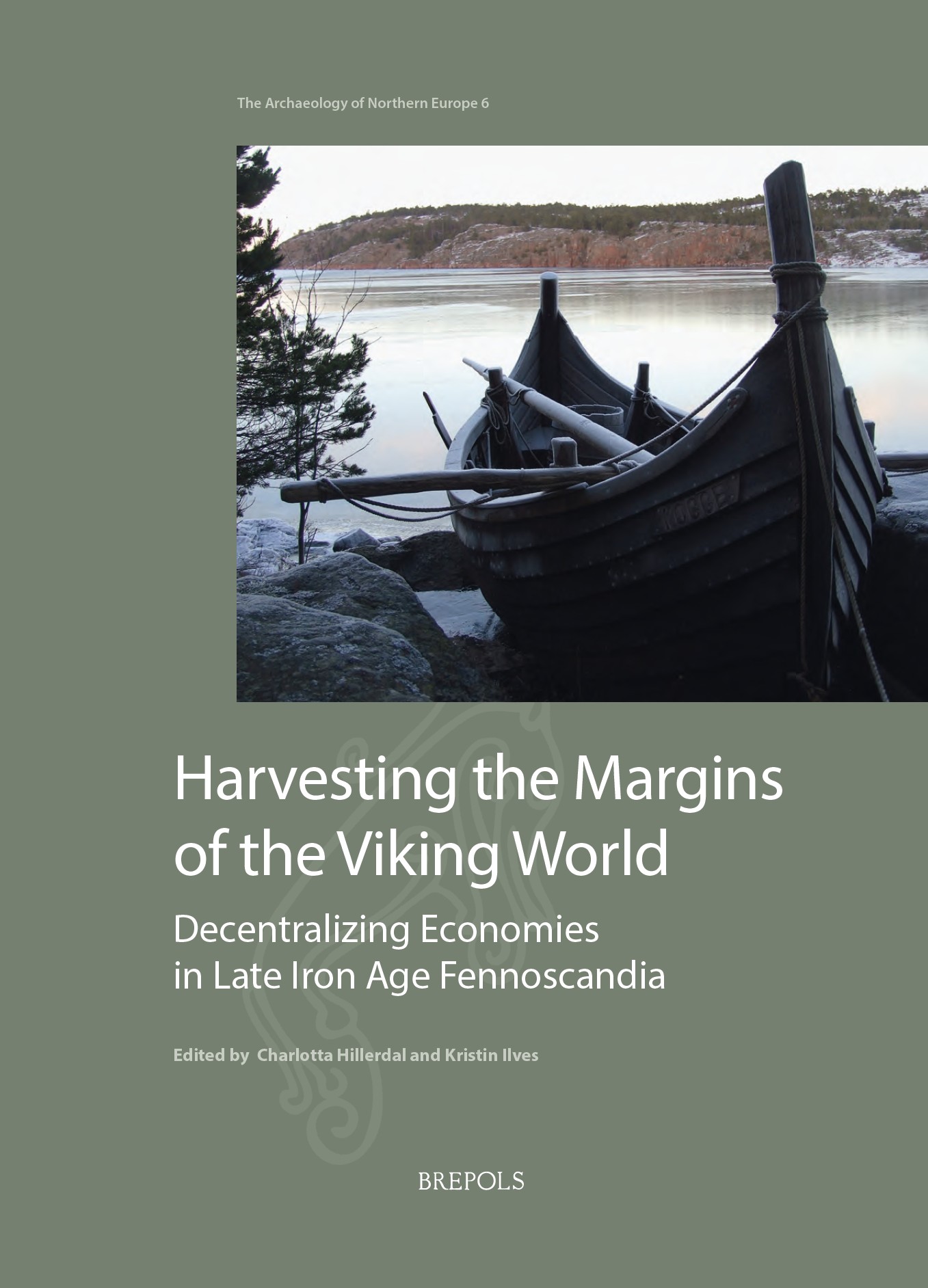 Harvesting the Margins of the Viking World
Decentralizing Economies in Late Iron Age Fennoscandia
Volume 6


 Linguistic and Cultural Dynamics in a Frontier Society
New Perspectives on Northeastern Bavaria and Western Bohemia in the Early Middle Ages
Volume 9

 Making and Meaning in the Bronze and Iron Ages
Chronology, Landscapes and Societies across Europe. Proceedings from the METALAGES2024 Colloquium (Florence, 23 October 2024)
 Medieval Yeghegis, Armenia
History, Archaeology, Society. Local Multiplicities and Global Connections of a Rural Centre on the Silk Road(s)


