
Erkennungs-, Rang- und Wurdezeichen
by Hans-Gunter Buchholz

Paperback (Published)
(June 2012)
ISBN: 9783525254431
Price: $127.00
On back order
English summary: This volume contains a large number of figures depicting the class and official markings that identify both individuals and entire classes in ancient Greek times. The higher a person’s standing was, the greater the depiction in the Greek myths leans toward the divine nature of the person in question. For example, to show the special role in society, the person may wear the skin of a lion. The designations are divided into four groups: (1) crowns, tiaras, wreaths (emblems worn on the head), (2) thrones, litters, etc., (3) representation symbols worn directly on the body, (4) things generally belonging to royalty (scepters, lances). German description: Die mit Abbildungen reich ausgestattete Lieferung zeigt, wie Rang- und Wurdezeichen vom Selbstverstandnis des Einzelnen wie auch ganzer Gesellschaften zeugen. Wenn der hohere Wert einer Person oder ihres Ranges verdeutlicht werden soll, dann gebraucht der altgriechische Mythos in bestimmten Fallen die gottliche Abkunft des Betreffenden als Erklarung. So hatte etwa Herakles zwei Vater – einen gottlichen und einen menschlichen. Die ubermenschliche Kraft des Helden findet darin ihre Erklarung. Als Zeichen seiner besonderen Stellung in der Gesellschaft tragt er z. B. das Lowenfell. Oft sollen Besonderheiten der Kleidung, der Waffen oder Gerate das Herausgehobensein ihrer Trager bekunden.
- By (author) Hans-Günter Buchholz
Other Titles in this Series

Similar Books

 Caesar’s Visions and Impact on the Roman Empire
Revisiting the Archaeological and Historical Record of the 40s BC
Volume 2


 Drunk the Potion, No Whit Charmed
The Doctrine of Pure and Perfect Souls from Iamblichus to Damascius

 Epiphanies of the Divine in the Septuagint and the New Testament
Fifth International Symposium of the Corpus Judaeo-Hellenisticum Novi Testamenti (CJHNT), 14-17 May 2015, Nottingham


 Etruscan and Roman Hellenistic Anatomical ex votos
Reassessing Popular Religious Expressions in Central Italy
Volume 8




 Invisible Labour in Antiquity
Visualizing Obscure Work in the Ancient Mediterannean and West Asia
Volume 1
 Language and Power in the Roman Empire and Early India
Hierarchy, Ambiguity, and the Art of Reading the Signs in Cosmopolitan Cultures
 Late Antique villae in the Balkans (3rd–7th c. AD): Current Research Questions and Perspectives
HAEMUS Companion to the Late Antique Balkans 1
Volume 4

 Nurturing the Elite
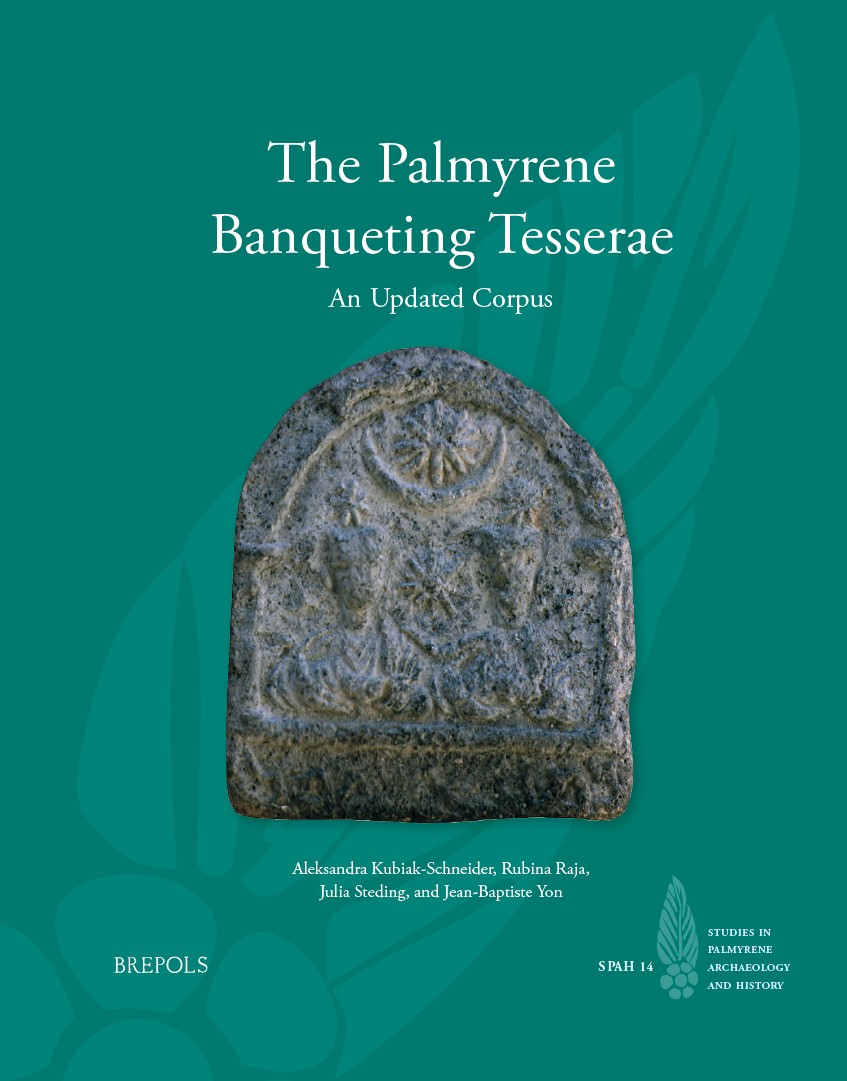
Representations of Drinking, Eating, and Religious Vessels in Palmyrene Funerary Iconography
Volume 13


 Portraying the Individual in the Roman East
Local–Imperial Entanglements in Sculpture, Mosaics, and Paintings (First–Fourth Centuries AD)
Volume 18

 Small Worlds and Relational Agencies: Local Societies in Early Medieval Iberia
Pequeños mundos y Agencias relacionales: Sociedades locales altomedievales en la Península Ibérica
 The Compositional History of the Book of Kings
An Analysis of the Evaluative Frameworks in 1 Kings 14–2 Kings 25

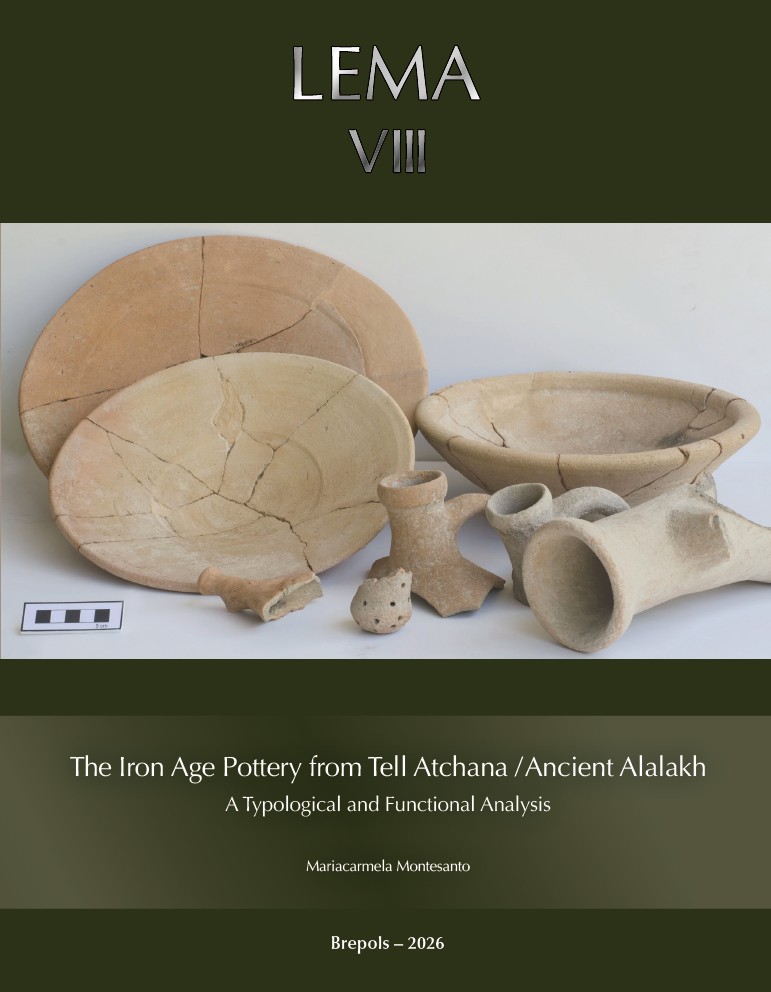 The Iron Age Pottery from Tell Atchana / Ancient Alalakh
A Typological and Functional Analysis
Volume 8


 Writing in the Church of the Nativity in Bethlehem
Inscription and Graffiti in a Multilingual and Multigraphic Perspective
Volume 45
 Contesting Labeled Identities
The Sociology of Gentilics in Biblical and Northwest Semitic Literature


 After Life in Roman Paganism. L’Égypte des astrologues. Les Mages hellénisés
Introductions historiographiques
Volume 7

 Atlante tematico di topografia antica 36-2026
Urbanistica e monumenti, porti, Roma. Ricerche sui monti Aurunci
Volume 36
 Cerámica común romana y ciclo haliéutico
Análisis de los contextos de las cetariae de Iulia Traducta


 Diodor über den ersten Sklavenaufstand auf Sizilien
Ein philologischer und historischer Kommentar
Volume 67