
Digging Lincoln
An Archaeological Memoir
By (author) Michael J. Jones

Paperback (Published)
(November 2024)
ISBN: 9781803278476
6.85 x 9.65 inches
Price: $35.00
In stock
A uniquely personal account of how a record of the city of Lincoln’s rich archaeology was recorded from the time of the early antiquaries through to the commercially funded professional teams of today, by someone who was closely involved in a senior capacity for over half a century.
Digging Lincoln is a uniquely personal account of how a record of the city’s rich archaeology was recorded from the time of the early antiquaries through to the commercially funded professional teams of today, by someone who was closely involved in a senior capacity for over half a century. The author recounts his background and initiation into archaeology, and the various arrangements under which an archaeological team for the city of Lincoln operated over the next few decades. It was both an exhilarating time and full of important discoveries, but also at times a struggle to survive in the face of other forces. Over that long period, appreciation of the importance of Lincoln’s archaeological story and its public presentation have grown remarkably, such that it has now become a major heritage destination.
Preface and acknowledgements Part One: From the Pit to the Trench Chapter 1: A personal backstory Chapter 2: 1966-70: Beginning in archaeology Part Two: The Early History of Archaeology in Lincoln Chapter 3: Shoulders and giants: antiquarians to archaeologists, c. 1700 - c. 1900 Chapter 4: 1906-1970: A museum and a research committee Part Three: Urban Archaeology in Lincoln Chapter 5: 1970-72: Becoming urban archaeologists Chapter 6: 1972-74: A new trust for Lincoln's archaeology Chapter 7: 1974-78: City under the county Chapter 8: 1978-84: Stability challenged and restored Chapter 9: A major exhibition: Lincoln comes of age, 1984 Chapter 10: 1984-88: County unit, and a new crisis Chapter 11: 1988-94: Another new dawn - another city unit Chapter 12: 1995-2000: Unit in distress Chapter 13: 2000-2005: Into the city Chapter 14: 2006-12: Winding up Chapter 15: 2012 On: Investment in Lincoln's heritage reaches new heights Chapter 16: Epilogue: some reflections Appendix: Some Wider Horizons Some Further Reading Index,
Preface and acknowledgements
Part One: From the Pit to the Trench
Chapter 1: A personal backstory
Chapter 2: 1966-70: Beginning in archaeology
Part Two: The Early History of Archaeology in Lincoln
Chapter 3: Shoulders and giants: antiquarians to archaeologists, c. 1700 - c. 1900
Chapter 4: 1906-1970: A museum and a research committee
Part Three: Urban Archaeology in Lincoln
Chapter 5: 1970-72: Becoming urban archaeologists
Chapter 6: 1972-74: A new trust for Lincoln’s archaeology
Chapter 7: 1974-78: City under the county
Chapter 8: 1978-84: Stability challenged and restored
Chapter 9: A major exhibition: Lincoln comes of age, 1984
Chapter 10: 1984-88: County unit, and a new crisis
Chapter 11: 1988-94: Another new dawn - another city unit
Chapter 12: 1995-2000: Unit in distress
Chapter 13: 2000-2005: Into the city
Chapter 14: 2006-12: Winding up
Chapter 15: 2012 On: Investment in Lincoln’s heritage reaches new heights
Chapter 16: Epilogue: some reflections
Appendix: Some Wider Horizons
Some Further Reading
Index
- By (author) Michael J. Jones
"'Jones has made a considerable contribution to methods in urban archaeology, engaging with new theory and approaches of the time ... to decipher complex stratigraphic layers. Thus he and his colleagues have advanced the understanding of Roman Lincoln. ... An important contribution to the historiography of Lincoln's heritage, Digging Lincoln adds depth to our understanding of the emergence of professional archaeology.' - Lisa Brundle (2025): Current Archaeology 421"
—
‘Jones has made a considerable contribution to methods in urban archaeology, engaging with new theory and approaches of the time … to decipher complex stratigraphic layers. Thus he and his colleagues have advanced the understanding of Roman Lincoln. … An important contribution to the historiography of Lincoln’s heritage, Digging Lincoln adds depth to our understanding of the emergence of professional archaeology.’ – Lisa Brundle (2025): Current Archaeology 421
—
‘[Mick Jones] is uniquely qualified to be our guide to Lincoln, having been involved in its archaeology since 1970 and director of the field team, in its various guises, from 1979 until his retirement as City Archaeologist in 2012. For over 30 years, his was the steady hand taking the city’s archaeology through many twists and turns in its organisation and funding – and Lincoln has had more of both than most places.
…what we are left above on all on reading [Mick’s] most excellent memoir is the impression of a career well spent and a life well lived.’ – Patrick Ottaway (2025), Britannia Vol 56
—
Other Titles in this Series


 Lost Worlds of Ancient and Modern Greece
Gilbert Bagnani: The Adventures of a Young Italo-Canadian Archaeologist in Greece, 1921-1924


 Aleksei P. Okladnikov: The Great Explorer of the Past. Volume 2
A biography of a Soviet archaeologist (1960s – 1980s)


 Connecting the Dots: Counting, Writing, and the Beginnings of Civilization
The Secret Lives of Clay Tokens: A Memoir


 A History of the Congress of Roman Frontier Studies 1949-2022
A Retrospective to mark the 25th Congress in Nijmegen
 Aleksei P. Okladnikov: The Great Explorer of the Past. Volume I
A biography of a Soviet archaeologist (1900s - 1950s)

 Well Met! Friends and Travelling Companions of Rev. Thomas Bowles
Journals of Travels in Egypt, Petra and the Near East, 1854


Similar Books




 Between Bones and Beliefs
Human-Bird Relations in Central and Northern Europe in the First Millennium AD
Volume 4

 Colour Concept “Secoli bui” a colori
Codici cromatici e architetture dipinte nell’età tardoantica e medievale

 Crossing Disciplines in the Study of Archaeology and Prehistoric Art: Insights from the Sahara and Mediterranean Africa
Proceedings of the XX UISPP World Congress (5–9 September 2023, Timișoara, Romania) Volume / Session 18
 Crossing Sacred Landscapes
Contacts and Continuities in the Desert Cults and Beliefs of Ancient Northern Arabia and the Arid Southern Levant
 Cuneiform Artefacts from Archaeological Contexts: New Research on Ancient Iraq
Proceedings of a Conference Held at the Bavarian Academy of Sciences and Humanities, July 4–5, 2024
Volume 2


 Engaged Languages and Literatures / Langues et Littératures engagées
Critical Views / Regards Critiques


 Exploring Prehistoric Pottery in Japan
A Study of Organic Inclusions, Adhering Materials, and Impressions of Woven Items
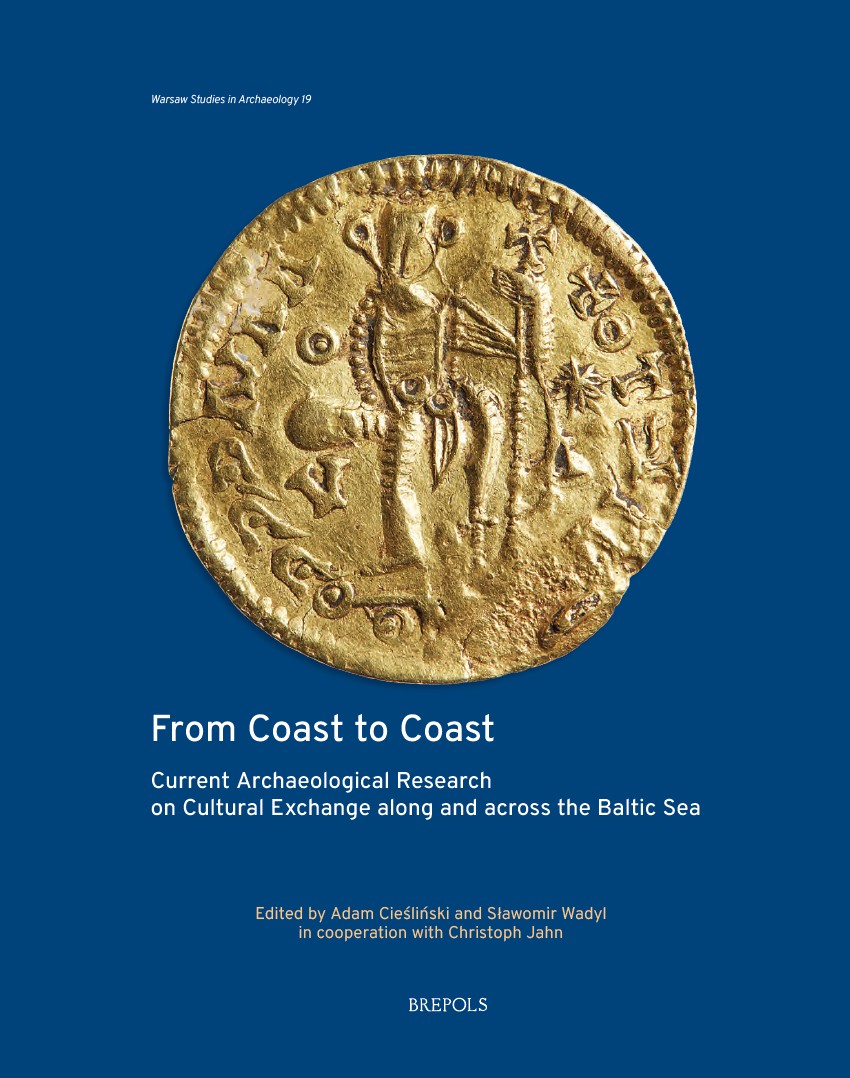 From Coast to Coast
Current Archaeological Research on Cultural Exchange along and across the Baltic Sea
Volume 19


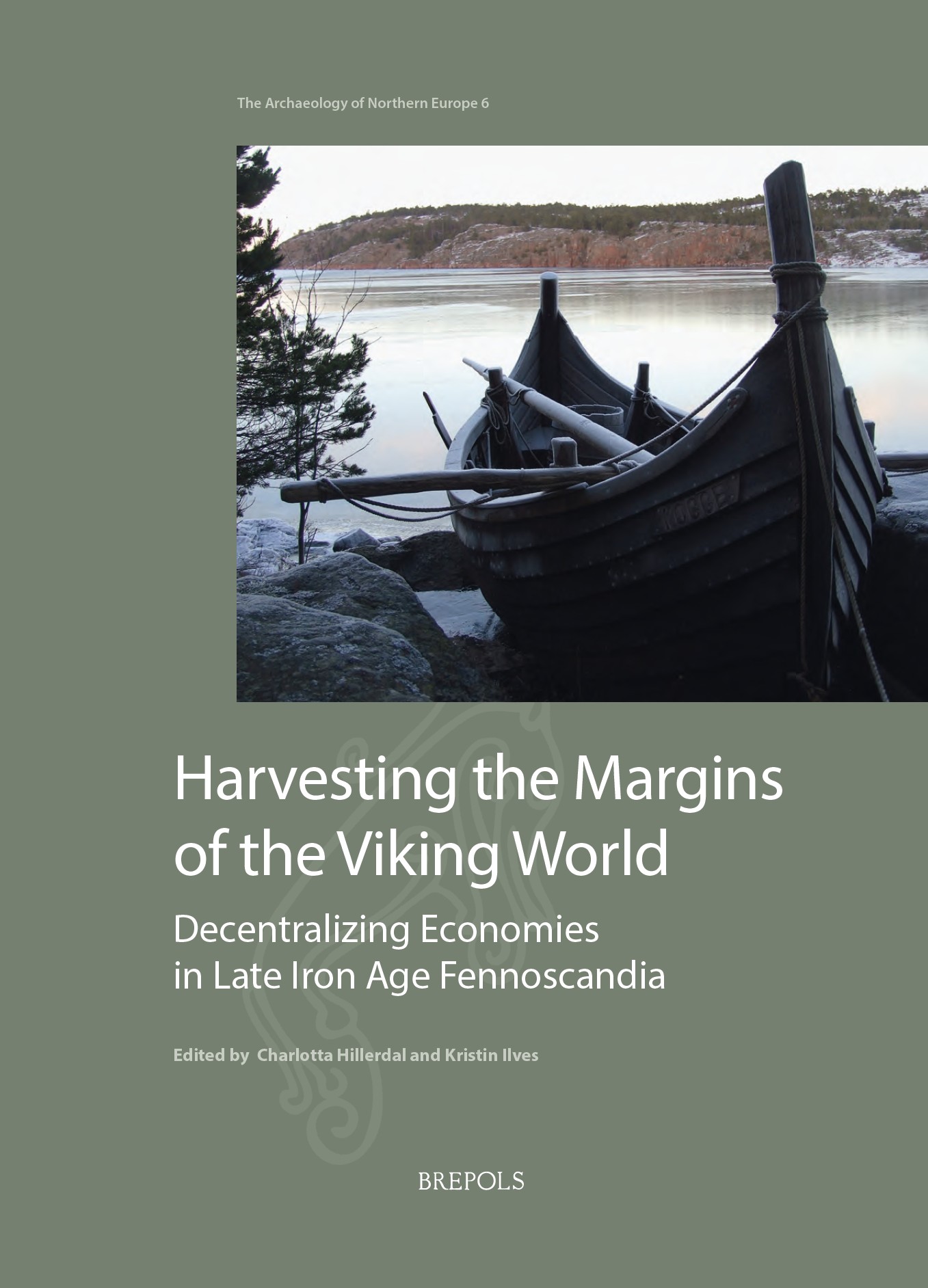 Harvesting the Margins of the Viking World
Decentralizing Economies in Late Iron Age Fennoscandia
Volume 6


 Linguistic and Cultural Dynamics in a Frontier Society
New Perspectives on Northeastern Bavaria and Western Bohemia in the Early Middle Ages
Volume 9

 Making and Meaning in the Bronze and Iron Ages
Chronology, Landscapes and Societies across Europe. Proceedings from the METALAGES2024 Colloquium (Florence, 23 October 2024)
 Medieval Yeghegis, Armenia
History, Archaeology, Society. Local Multiplicities and Global Connections of a Rural Centre on the Silk Road(s)
