
Die lateinischen patristischen und mittelalterlichen Epheserbriefkommentare
Untersuchungen zu ihrer Exegese und Ekklesiologie
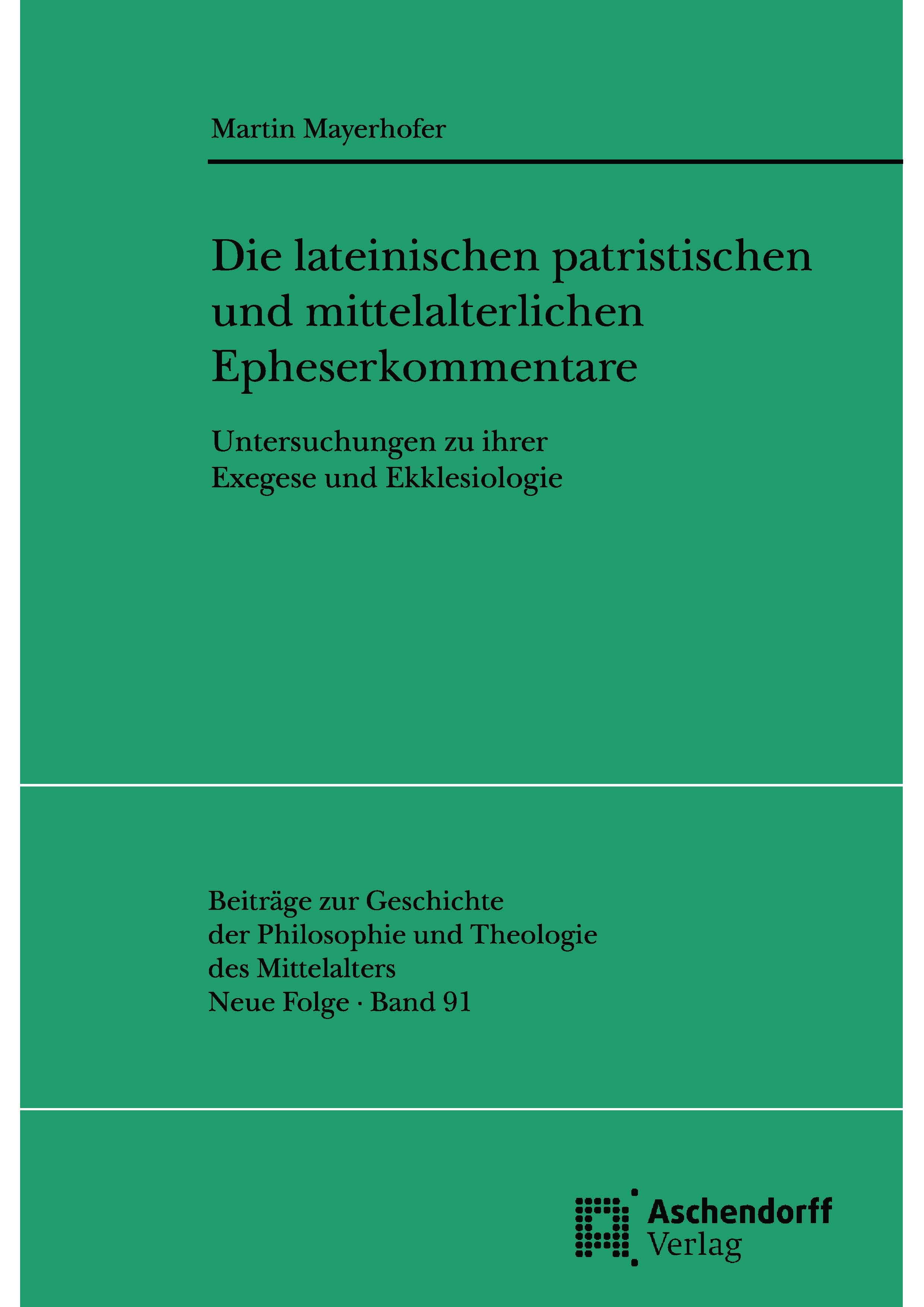
Paperback (Published)
(October 2021)
ISBN: 9783402103135
Price: $95.00
PDF (Published)
(October 2021)
ISBN: 9783402103142
Price: $64.00
hier geht’s zum Ebook
Welche Rolle spielte das Corpus Paulinum in der patristischen und mittelalterlichen Auslegungsgeschichte? Wie gestaltete sich seine Exegese? Und welcher ekklesiologischer Befund lässt sich aus der Exegese des Epheserbriefs erheben? In einer Art Handbuch wird zunächst die Paulusexegese in vier Epochen dargestellt: Die spätantiken Exegeten um Marius Viktorinus, Ambrosiaster und Hieronymus. Die karolingischen Kompilatoren (Claudius von Turin, Hrabanus Maurus), unter welchen die selbständige Exegese Haymos von Auxerre herausragt. Das 11. und 12. Jh. mit monastischer (Bruno der Kartäuser), schulischer (Glossa Ordinaria) und „innovativer“ (Anonymus von Canterbury) Exegese. Die universitäre Exegese des 13. und 14. Jhs. (Hugo von Saint-Cher, Thomas von Aquin, Nikolaus von Lyra). Eine Detailuntersuchung analysiert 22 Epheserkommentare als „Gesamtkunstwerk“ hinsichtlich ihres exegetischen Stils, der verwendeten Quellen, Wirkungsgeschichte und Themenschwerpukte. Sie zeigt ein faszinierendes Abhängigkeitsgeflecht und die Bedeutung der regula fidei als Auslegungsprinzip. Die Ekklesiologie der Epheserkommentare zeigt ein dynamisches Kirchenbild. Ob ecclesia peregrinans (Spätantike), ecclesia militans et triumphans (12. Jh.) oder ecclesia in terra, in purgatorio, in caelo (13. Jh): Stets geht die Kirche auf eine eschatologische Zukunft und ihr Haupt Jesus Christus zu. Die kirchengeschichtliche Relevanz der Exegese zeigt die Nachverfolgung von Eph 5,27 in Traktaten, Streitschriften, Papstbriefen und im Kirchenrecht
Similar Books
 ‘For You I Study, For You I Work, For You I Live, For You I Am Ready To Even Give My Life’
Essays in Honour of Francis (Frank) J Moloney, SDB

 A Connecting Polemic in the Medieval Mediterranean
The Correspondence of Leo III and ʿUmar II
Volume 6





 Ars Prophetica
Theology in the Poetry of Twentieth-Century Hebrew Poets Avraham Halfi, Shin Shalom, Amir Gilboa, and T. Carmi
 As Messianism Turns to Heresy
The Regenstein Chair Lectures On Lurianic Kabbalah and Shabbatai Tzevi at Hebrew Union College - Cincinnati



 Creating the Woman in Antiquity
Proceedings of the 16th Melammu Workshop, Innsbruck, 2–3 June 2022
Volume 13
 Cultic Kisses
Fruitful Encounters Between Deities and Humans. Festschrift for Angelika Berlejung on the Occasion of Her 65th Birthday
 De/colonizing Theologies
Glocal Histories, Contemporary Challenges, Theoretical Reflections
Volume 4
 Drunk the Potion, No Whit Charmed
The Doctrine of Pure and Perfect Souls from Iamblichus to Damascius




 Extracanonical Traditions and the Holy Land
Texts, Rituals, and Material Culture in Late Antique Palestine
 Fear, Fear of God, God-Fearers
Philological and Historical Perspectives on the World of Ancient Judaism and Christianity


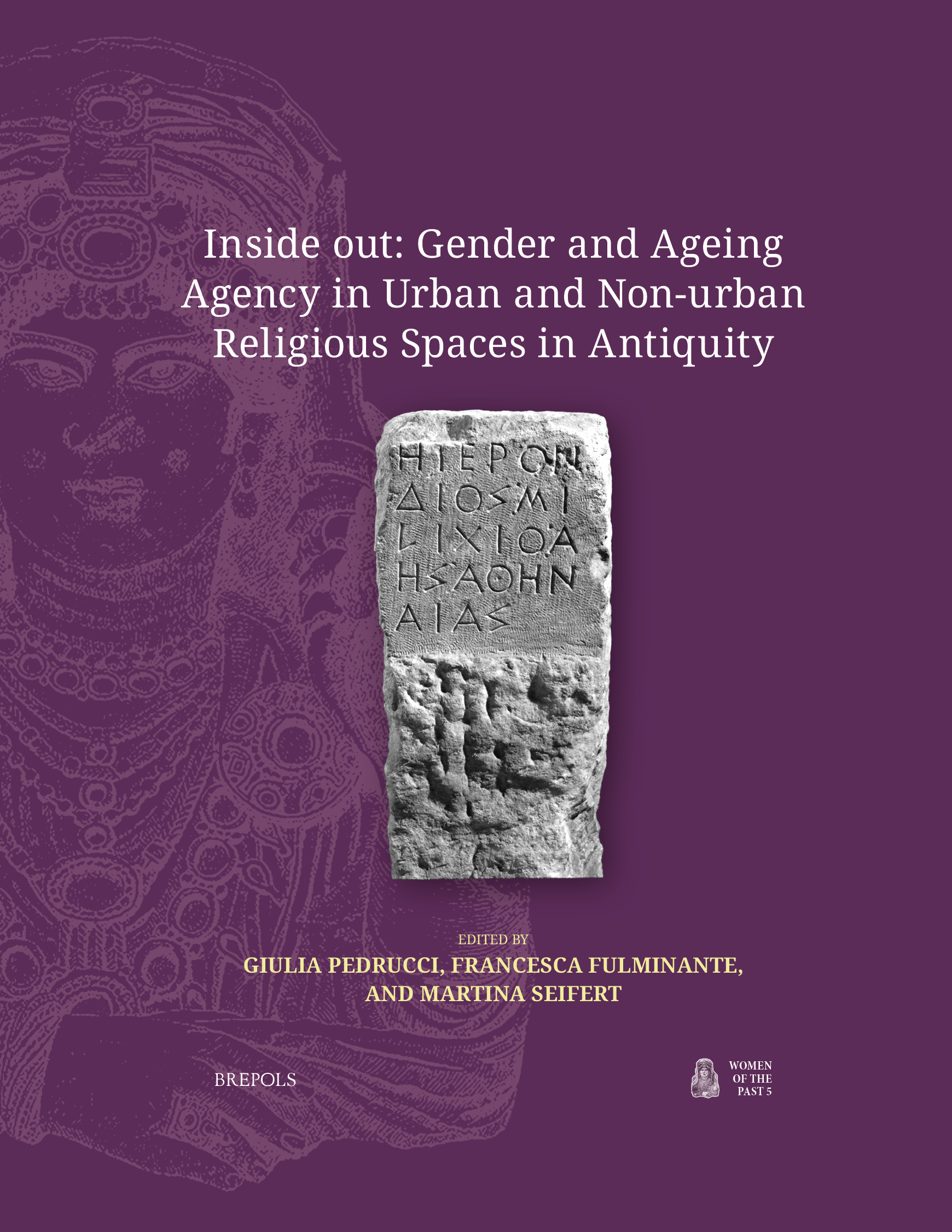
 Gender and Iconography in Antiquity
Femininities, Masculinities, Ambiguities, and Beyond in the Ancient Levant, Near East, and Mediterranean


 Hoghe minne es deen vor dander
Essays on the Christian Mystical Tradition in Honour of Rob Faesen SJ
Volume 122

 International Comparison and Transfer in Religious Education
The Projects “RE at Schools in Europe” and “International Knowledge Transfer” in Dialogue
 Isaiah in the Fourth Gospel
Use of the Citations of Isaiah in John’s Gospel in Comparison to the Synoptics and Other Places in the New Testament