
Dictionary and Thesaurus of Tocharian A
by Gerd Carling and Georges-Jean Pinault

This dictionary aims to cover the whole lexicon of Tocharian A, one of the two Tocharian languages, which form a distinct branch in the Indo-European language family. These languages are documented in manuscripts found mostly in Buddhist monasteries located in the oases of the Tarim Basin, in Xinjiang, China, and dated in the second half of the 1st millennium CE.
This dictionary aims to cover the whole lexicon of Tocharian A, one of the two Tocharian languages, which form a distinct branch in the Indo-European language family. These languages are documented in manuscripts found mostly in Buddhist monasteries located in the oases of the Tarim Basin, in Xinjiang, China, and dated in the second half of the 1st millennium CE. The dictionary contains a thesaurus based on all the identified texts in Tocharian A, published as well as unpublished, which are kept in various collections. It covers much more data than the dictionary published by Pavel Poucha in 1955, which was based on the Tocharian A manuscripts from the so-called Turfan collection (Berlin), edited by Emil Sieg and Wilhelm Siegling in 1921. The book includes a thorough revision of the Dictionary and Thesaurus of Tocharian A. Volume 1 (2009), which covered only the beginning of the lexicon (letters A to J). All forms of words, including variants, occurring in the texts are listed separately with reference to the occurrences and a sample of passages in transcription and translation. The meaning of a number of words has been better defined and corrected against previous glossaries. When possible, the lemmas include the corresponding items attested in Tocharian B. The references given for each lemma aim to retrieve the previous secondary literature. Many lemmas contain philological contributions pertaining to the interpretation of critical passages. Much focus has been laid on phraseology and literary parallels with other Buddhist texts from Central Asia. The sources of loanwords, from Tocharian B, Old and Middle Indo-Aryan, Iranian, Old Turkic, and Chinese, are given as much as they can be traced.
- By (author) Gerd Carling
- By (author) Georges-Jean Pinault
Similar Books


 Des mots aux actes
Traduction épistémique et littéraire. Nouvelles tendances en histoire et didactique
Volume 15


 Punning in Odd or Elegant Constructions in Jeremiah
The Convergence of Linguistics, Rhetoric, and Textuality in the Hebrew Text of Jeremiah


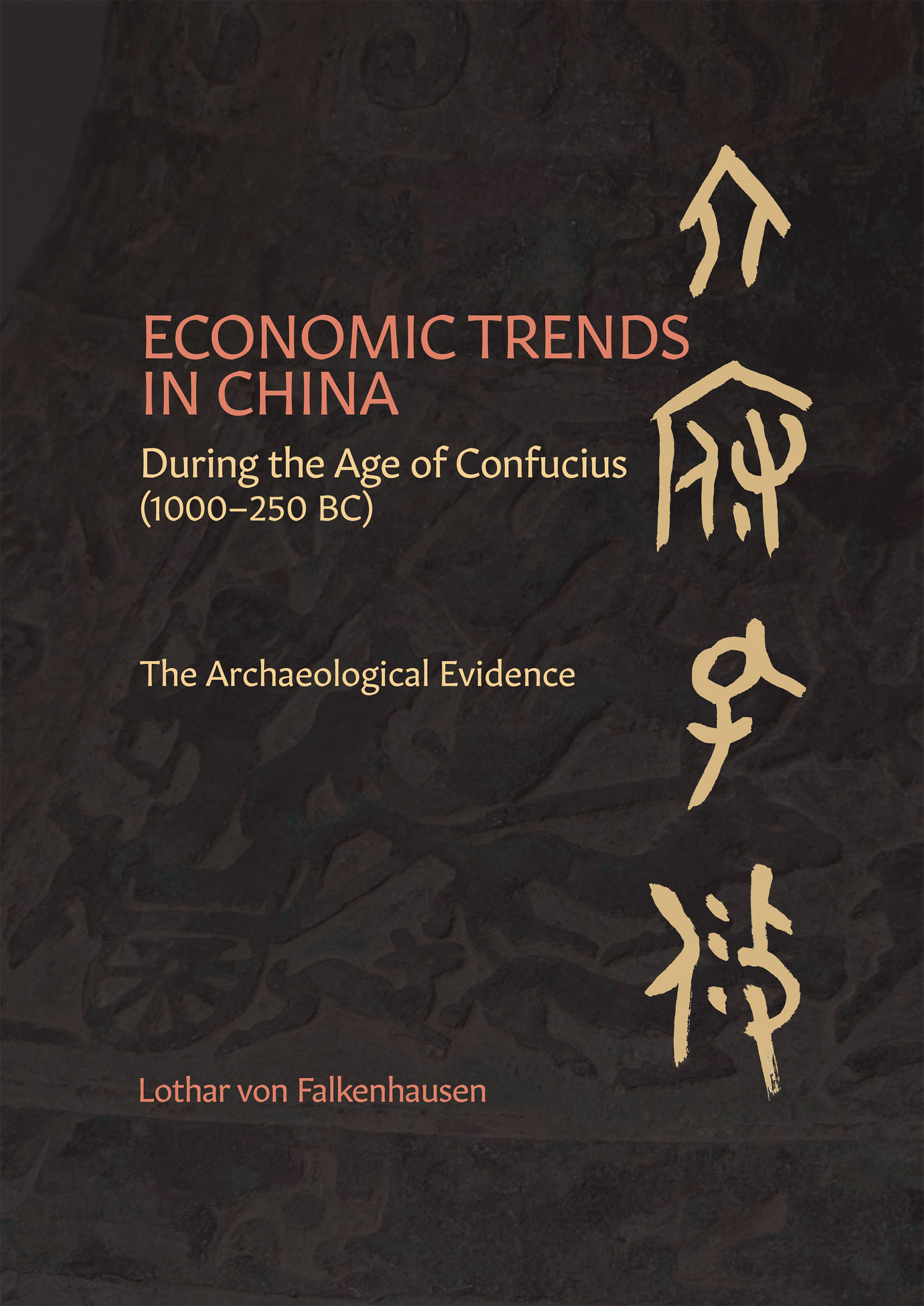 Economic Trends in China During the Age of Confucius (1000–250 BC)
The Archaeological Evidence
Volume 10
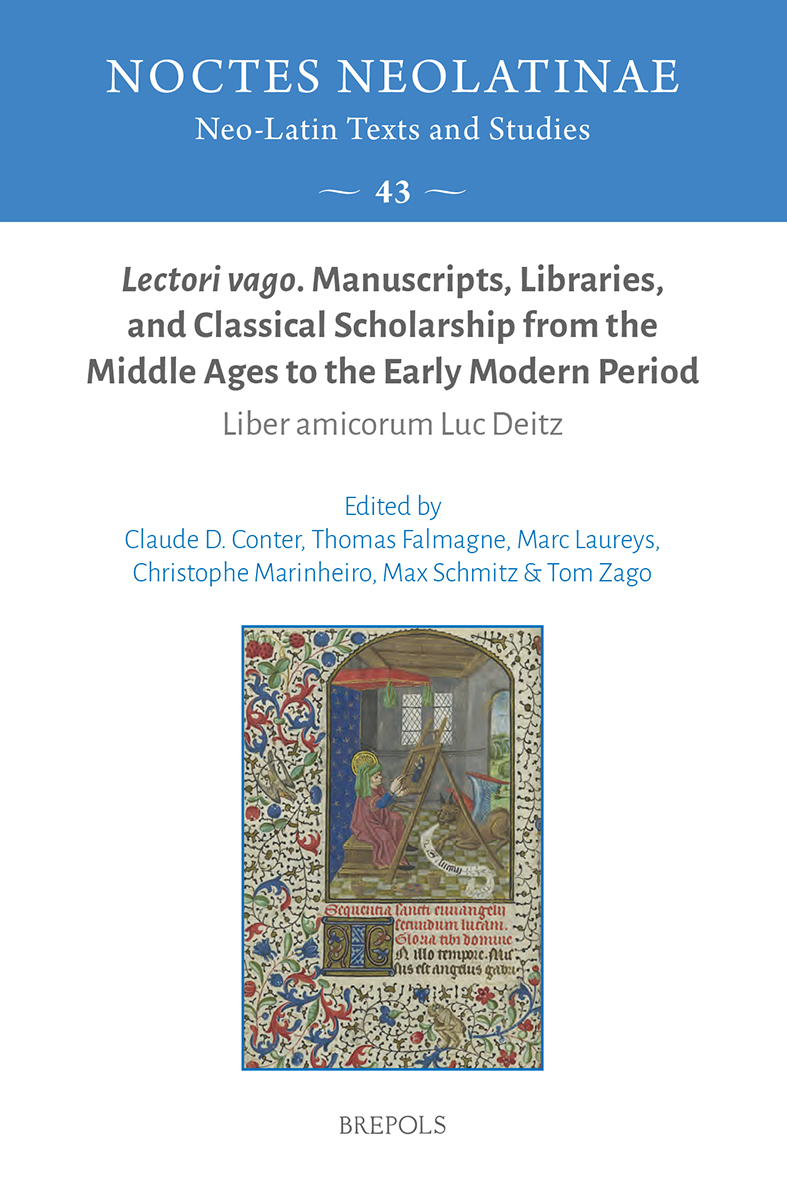 Lectori vago. Manuscripts, Libraries, and Classical Scholarship from the Middle Ages to the Early Modern Period
Liber amicorum Luc Deitz
Volume 43



 Ein Schatzhaus indischer Erzählkunst –– Die Erzählliteratur der Jainas
Band 2: Ein „Lesebuch“ originalsprachlicher Texte zur jainistischen „Universalgeschichte“ samt eines Jaina-Māhārāṣṭrī-Wörterbuchs zu allen Text- und Lesestücken.


