
Deutsch-Arabisches Worterbuch
by Nabil Osman and Abbas Amin

Hardback (Published)
(October 2015)
ISBN: 9783447103978
8.27 x 11.65 inches
Price: $109.00
In stock
English summary: This reference work by Nabil Osman is the first major modern dictionary of Arabic to be published since Gotz Schregle’s German-Arabic Dictionary over 40 years ago (Harrassowitz, 1974). The German-Arabic Dictionary contains the standard vocabulary of contemporary German together with modern standard Arabic (Egyptian Arabic), while also taking into account regional variations in both the written language and colloquial speech. It contains countless terms from all of the subject areas essential for proficiency in present day communication and for understanding contemporary Arabic literature and journalism. The dictionary contains around 70,000 entries, including approximately 35,000 nouns and both 10,000 verbs and adjectives/adverbs. As well as describing individual words the dictionary also includes idioms and proverbs. There are numerous synonyms and word combinations which provide the appropriate word context; examples illustrate the correct use of language and style, and the correct word usage is supported by precise grammatical annotation. All the Arab entries have been fully vocalized and grammatically defined. This German-Arabic Dictionary is an indispensable tool for students and teachers, as well as for both experts and beginners. German description: Seit dem Erscheinen von Gotz Schregles “Deutsch-Arabischem Worterbuch” vor uber 40 Jahren (Harrassowitz 1974) liegt nun mit Nabil Osmans Nachschlagewerk erstmals wieder ein modernes Grossworterbuch fur die arabische Sprache vor. Das Deutsch-Arabische Worterbuch prasentiert den Allgemeinwortschatz der deutschen Gegenwartssprache und des modernen Hocharabisch (Agyptisch-Arabisch) unter Berucksichtigung der Regionalitaten der Schrift- und der Umgangssprache und enthalt zahlreiche Begriffe aus allen Fachgebieten, die fur eine adaquate zeitgenossische Kommunikation und fur die originalsprachige Rezeption moderner Literatur und Publizistik unerlasslich sind. Das Worterbuch verzeichnet rund 70.000 Lemmata, davon ca. 35.000 Substantive sowie je 10.000 Verben und Adjektive/Adverbien. Neben den Einwortbenennungen wurden auch idiomatische Wendungen und Sprichworter aufgenommen. Zahlreiche Synonyme und Wortkombinationen liefern den entsprechenden Wortkontext, Anwendungsbeispiele verdeutlichen Sprachgebrauch und Stilebene, und ausfuhrliche grammatische Angaben erleichtern die korrekte Verwendung des Wortes. Alle arabischen Eintrage wurden erstmals voll vokalisiert und grammatikalisiert. So bietet das Worterbuch treffende Ubersetzungen in die eigene wie in die Zielsprache und ist fur Sprecher beider Sprachen aktiv anwendbar. Das Deutsch-Arabische Worterbuch ist fur Studierende wie Lehrende, fur den Sprachanfanger wie fur den Sprachexperten ein unverzichtbares Arbeitsmittel und Rustzeug.
- By (author) Abbas Amin
- By (author) Nabil Osman
Similar Books


 Cities through Time
Glimpses into Urbanity and Community in Mediaeval to Modern West Asia and Egypt
Volume 1
 Cuneiform Artefacts from Archaeological Contexts: New Research on Ancient Iraq
Proceedings of a Conference Held at the Bavarian Academy of Sciences and Humanities, July 4–5, 2024
Volume 2
 Des mots aux actes
Traduction épistémique et littéraire. Nouvelles tendances en histoire et didactique
Volume 15


 Global Gulf
Geo-Economic, Geo-Political, and Geo-Technological Transformation in Saudi Arabia, the United Arab Emirates, and Qatar


 Ismail Hakki Bursevi’s translation of and commentary on Fusus al-Hikam By Muhyiddin Ibn ‘Arabi
Volumes 1-4


 Monastic Manuscripts from the Eastern Mediterranean (Sinai, Jerusalem, Antioch)
Production, Use, and Contexts


 Punning in Odd or Elegant Constructions in Jeremiah
The Convergence of Linguistics, Rhetoric, and Textuality in the Hebrew Text of Jeremiah
 Qatar’s Societal Security
Towards the Inclusive National Concept of ‘Baladna’ Identity, Migration and External Threats Since 2017


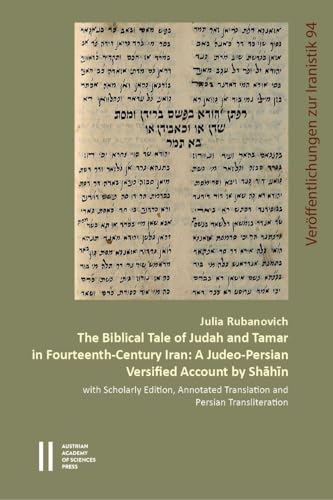 The Biblical Tale of Judah and Tamar in Fourteenth-Century Iran
A Judeo-Persian Versified Account by Shāhīn with Scholarly Edition, Annotated Translation and Persian Transliteration
Volume 94, 951
 The Discourse of Rites
Shaping and Reshaping the (Counter-)Priestly Rituals Conducted Outside the Tabernacle



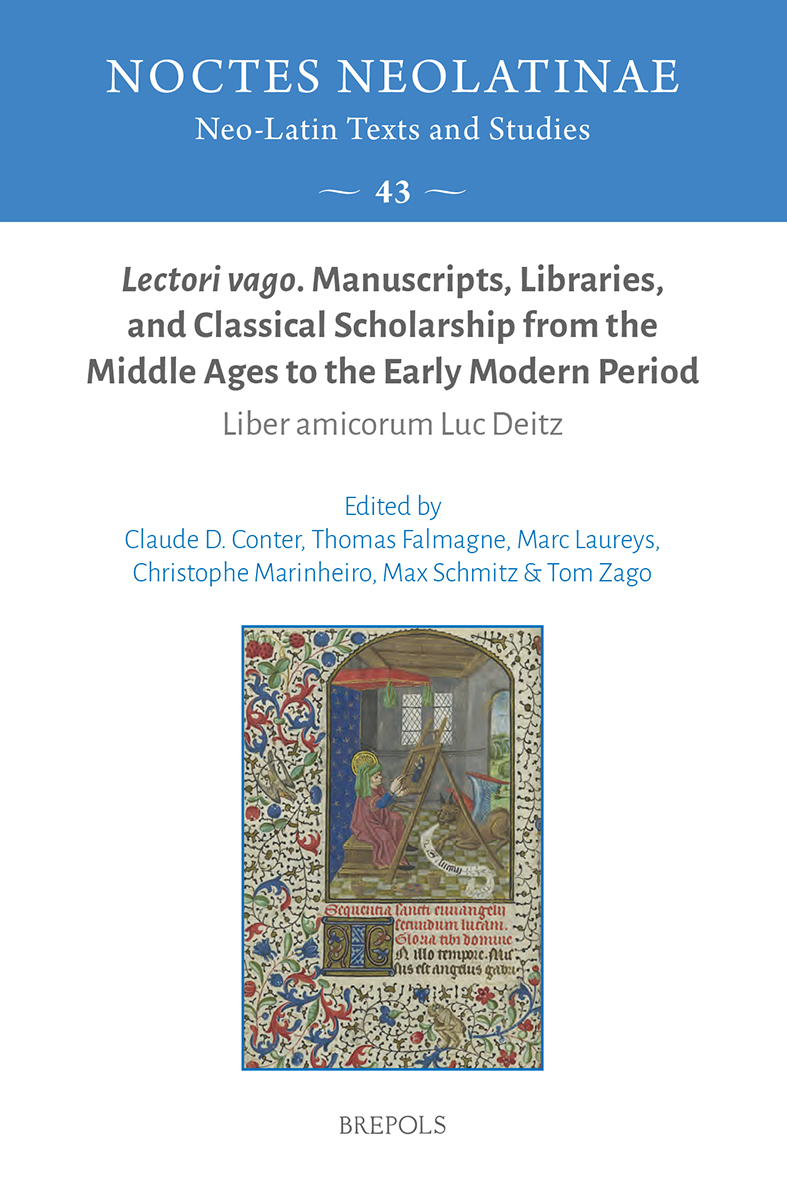 Lectori vago. Manuscripts, Libraries, and Classical Scholarship from the Middle Ages to the Early Modern Period
Liber amicorum Luc Deitz
Volume 43


 »Ein elend-schönes Land«
Gattung und Gedächtnis in Lea Goldbergs hebräischer Literatur. Aus dem Hebräischen von Rainer Wenzel

