Child and Adolescent Migration, Mental Health, and Language
Effects of Trauma and Foreign Language Immersions
By (author) Fernanda Carra-Salsberg

Hardback (Published)
(May 2024)
ISBN: 9781804130391
6.14 x 9.21 inches
Price: $112.00
In stock
This timely book focuses on migration and the socio-affective significance of language. It examines how this influences children’s and adolescents’ development, subjectivity, identifications, and identity formations.
Child and Adolescent Migration, Mental Health, and Language, focuses on migration and the socio-affective significance of language. It examines how this influences children’s and adolescents’ development, subjectivity, identifications, and identity formations. By taking a thorough approach to the intricacy of migrancy, this timely publication examines the many challenges that young economic migrants, environmental migrants, refugees, irregular migrants, and asylum seekers encounter prior to and following their geographic, sociocultural, and linguistic relocations. While not disregarding the benefits that can stem from international relocations, Carra-Salsberg also addresses contemporary concerns influencing young migrants’ socio-affective experiences. As part of the book’s discussion on the subjective significance of language, it takes a semiotic, pedagogic, and psychoanalytic approach to study the effects of foreign-language immersions and significant language learning, and how these can add to pre-existing traumas. The developmental importance of language is considered through theory, the analysis of memoirs, and the author’s depiction and understanding of her own experiences between languages. Written for academics, psychologists, psychiatrists, pedagogues, counsellors, human rights advocates, and policy-makers, this book highlights the intricate connections between language, migration, and mental health. The restorative significance of language is also reflected upon in relation to migrants’ natural need to grieve, testify, and find meaning within their past and present sense of self.
Introduction—Transnational Migrations: Addressing New Concerns for an Old Practice
1. Dialogic Encounters: Conceptualizing Effects on Belief Systems, Subjectivities, and Individuals’ Personal and Shared Histories
2. Migration and Trauma: Defining the Problem of Child and Adolescent Transnational Relocations
3. Memory within Language: Our Mother Tongue’s Link to Subjective Development and our Remembered and Seemingly Forgotten Sense of Being, Loving, and Belonging
4. Trauma’s Dimension within and outside Language
5. Bearing Witness to Translingual Realities: A Study of the Significance of First-Person, Cross-Cultural Publications
6. How to Conclude from Here?
Notes
References
Index
Fernanda Carra-Salsberg has been a postsecondary foreign language educator since 2001. Born in Buenos Aires, Argentina, her interest in language, culture, migration, trauma, and identity formations stems from her repeated relocations as a child and adolescent migrant, and from experiences as a foreign-language pedagogue. She teaches English as a Second Language and Spanish to heritage and second-language learners at York University, Ontario, Canada. Widely published, Carra-Salsberg completed an interdisciplinary doctoral degree at the Faculty of Education, York University.
- By (author) Fernanda Carra-Salsberg
Other Titles in this Series


Similar Books

 Attics and Basements
The Evocative, Expressive and Embracing Functions of Homes and Other Human Dwellings







 Deutsch als Fremdsprache nach Englisch an chinesischen Hochschulen
Eine empirische Forschung über Lernstrategien zum Wortschatzlernen





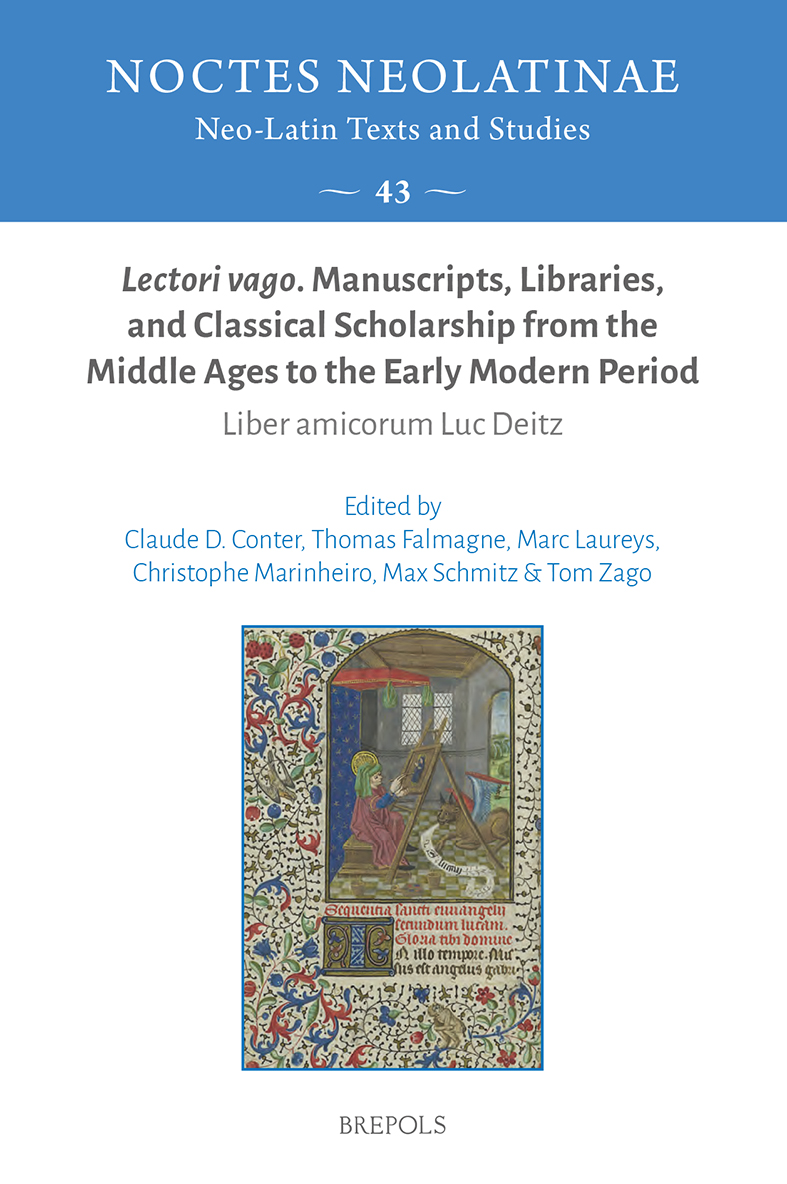 Lectori vago. Manuscripts, Libraries, and Classical Scholarship from the Middle Ages to the Early Modern Period
Liber amicorum Luc Deitz
Volume 43







 Punning in Odd or Elegant Constructions in Jeremiah
The Convergence of Linguistics, Rhetoric, and Textuality in the Hebrew Text of Jeremiah