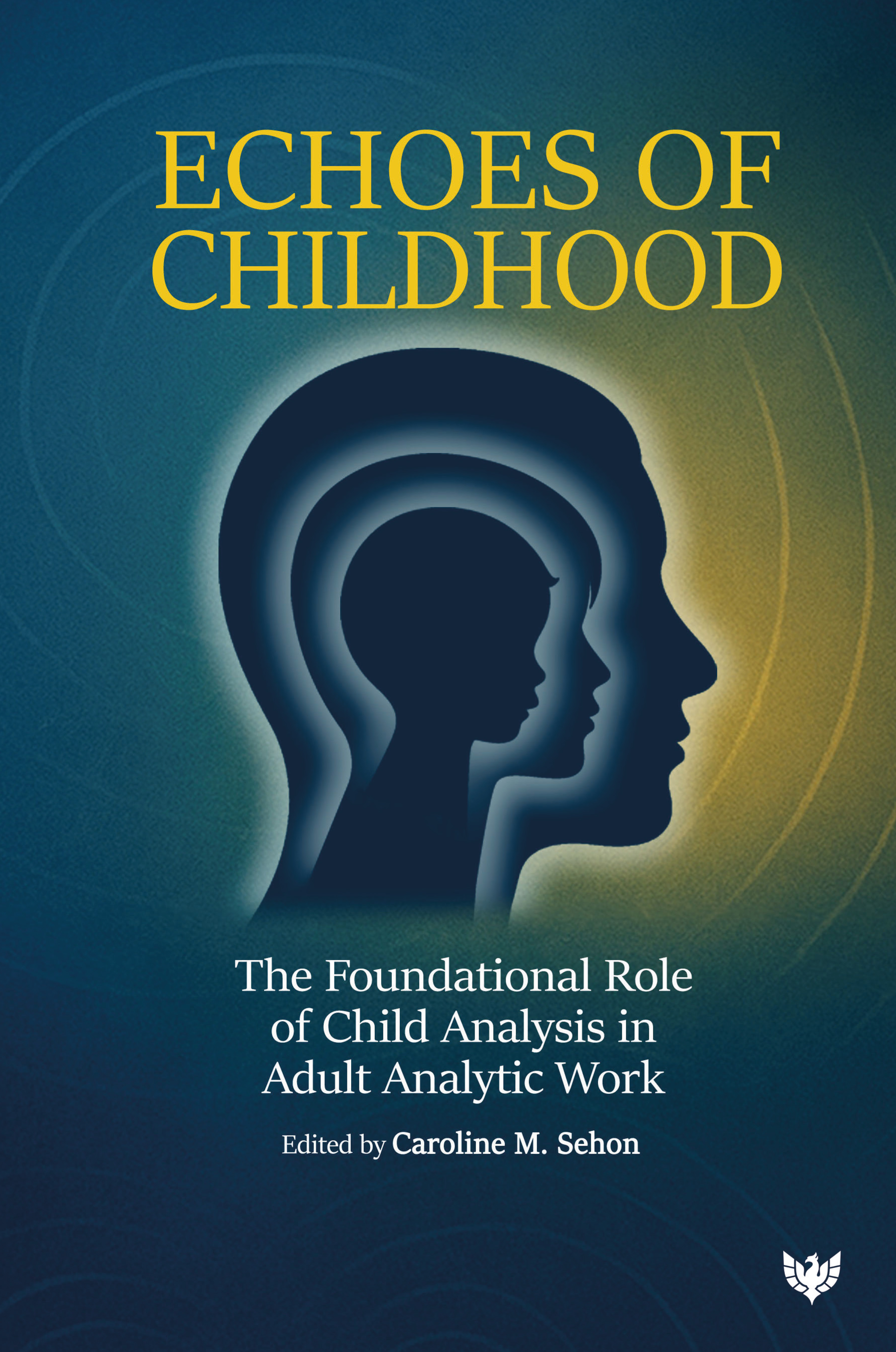
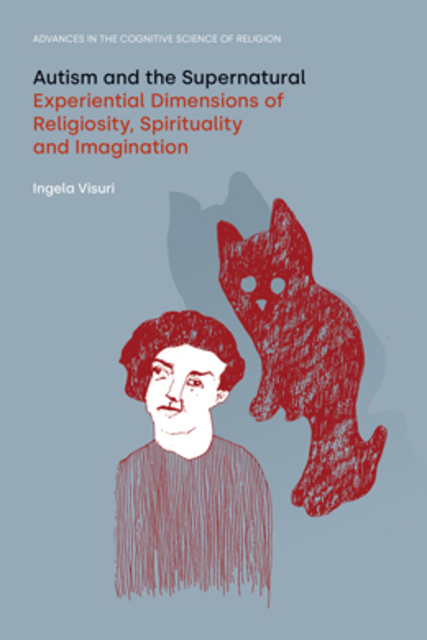
Autism and the Supernatural
Experiential Dimensions of Religiosity, Spirituality and Imagination
By (author) Ingela Visuri
Paperback (Forthcoming)
(June 2026)
ISBN: 9781800508149
6.14 x 9.21 inches
Price: $36.95
Hardback (Forthcoming)
(June 2026)
ISBN: 9781800508132
6.18 x 9.21 inches
Price: $80.00
In Autism and the Supernatural, Ingela Visuri explores the richly textured worlds of autistic young adults who describe vivid relationships with gods, spirits, ghosts, fictional characters, and unseen companions.
This book explores the relationship between autistic cognition and supernatural beliefs through a case study which focuses 17 young autistic adults who describe themselves as religious or spiritual. As we will see, enchanted worldviews and invisible partners are central to in their attempts to make sense of the world. But how do autistic individuals come to perceive gods, spirits, or ghosts as intentional beings when human minds often remain perplexing to them? And what motivates them to embrace supernatural ideas in one of the world’s most secularized cultures? At the heart of this book lies the premise that cognition is dynamic and shaped by multiple and dynamic dimensions of human life. It is therefore argued that supernatural beliefs in autism need to be approached through an interdisciplinary lens as “autistic,” “religious,” and “cultural” elements converge in various ways that give rise to supernatural beliefs and experiences. Special attention is paid to embodiment and somatosensory processing, as the participants describe visions, sensed presence, and tactile sensations occurring without external stimuli, and which they interpret as evidence of the supernatural. The book further explores how they have come to attribute supernatural meaning to these events, and the role of occult popular culture emerges as an important influence in the analysis. Imagination is another central dimension as the autistic participants portray so-called parasocial companions which they interact with during intense daydreaming. These fiction-based partners suggest that the concept of supernatural agency needs to be broadened since younger generations may relate to supernatural agents derived from popular culture, such as computer games and fantasy fiction, rather than traditional religious frameworks. Finally, the book addresses methodological challenges as information processing differs between neurodiverse and neurotypical minds. Developed in close collaboration with autistic individuals, the book challenges assumptions about autistic sociality and contributes to empirical insights and conceptual innovations regarding the interplay of cognition, culture, and lived embodiment –illuminating new pathways for understanding human engagement with non-empirical dimensions of life.
- By (author) Ingela Visuri
Other Titles in this Series


Similar Books

 A Companion to Christianity and Sport in Europe and North America (19th-21st centuries)
Volume 1: Western and Eastern Europe
 A Connecting Polemic in the Medieval Mediterranean
The Correspondence of Leo III and ʿUmar II
Volume 6





 Ars Prophetica
Theology in the Poetry of Twentieth-Century Hebrew Poets Avraham Halfi, Shin Shalom, Amir Gilboa, and T. Carmi
 As Messianism Turns to Heresy
The Regenstein Chair Lectures On Lurianic Kabbalah and Shabbatai Tzevi at Hebrew Union College - Cincinnati
 Attics and Basements
The Evocative, Expressive and Embracing Functions of Homes and Other Human Dwellings





 Creating the Woman in Antiquity
Proceedings of the 16th Melammu Workshop, Innsbruck, 2–3 June 2022
Volume 13

 Cultic Kisses
Fruitful Encounters Between Deities and Humans. Festschrift for Angelika Berlejung on the Occasion of Her 65th Birthday
 De/colonizing Theologies
Glocal Histories, Contemporary Challenges, Theoretical Reflections
Volume 4

 Drunk the Potion, No Whit Charmed
The Doctrine of Pure and Perfect Souls from Iamblichus to Damascius