
Atlas archéologique et épigraphique de Pétra. Fascicule 1
De Bab as-Siq au Wadi al-Farasah
By (author) L. Nehmé

English summary: Petra has long been admired as an historical and archeological jewel, a monument to its Nabataean past. The sites hundreds of tombs, sanctuaries, cisterns, houses, and other monuments have never been sufficiently mapped or catalogued. This first fascicule of an archeological and epigraphic atlas of Petra includes a catalogue of the different monuments and inscriptions, four maps and scholarly commentary on the layout, organization, and chronology. The second and third fascicules will expand this cartographic undertaking to the others sectors of Petra, thus providing an indispensable tool for both specialists and amateurs. French description: Petra est la capitale du royaume des Nabateens, gens du desert dorigine arabe qui se sont rapidement enrichis grace au commerce de lencens et des aromates entre lArabie heureuse et la Mediterranee. Organises en royaume ayant a sa tete un roi et des ministres, les Nabateens sont restes independants, en marge des grandes puissances de leur temps notamment de Rome jusquau debut du IIe siecle ap. J.-C. Durant toute cette periode, ils ont bati des villes dun bout a lautre de leur territoire, cest-a-dire de la Syrie du Sud au Hijaz saoudien et du Neguev au desert syro-arabique : Bosra, Petra et Hegra ont ete nabateennes avant detre romaines. Petra, joyau archeologique inscrit sur la liste du Patrimoine mondial de LUNESCO depuis 1985, est principalement connue pour ses somptueux tombeaux rupestres tailles a meme la roche, dans un gres bigarre dont les couleurs ont charme les voyageurs et les touristes qui visitent le site depuis la fin du XIXe siecle. Les vestiges rupestres, qui comprennent plusieurs centaines de tombeaux mais aussi des sanctuaires, des citernes, des maisons, des carrieres et dautres monuments, ont parfois souffert de lerosion mais ils restent, dans leur immense majorite, remarquablement conserves et donc immediatement visibles et identifiables. Les premiers inventaires de Petra ont ete realises a la fin du XIXe et au debut du XXe siecle par des savants allemands et autrichiens, mais les catalogues quils ont dresses demeurent incomplets. De plus, aucune carte contenant les quelque 3000 monuments desormais connus du site, et son millier dinscriptions, na jamais ete proposee au public. Cest pour combler cette lacune que nous proposons aux passionnes de Petra le premier fascicule dun Atlas archeologique et epigraphique, dans lequel le lecteur trouvera un catalogue des monuments et un autre des inscriptions, quatre cartes et un commentaire sur la repartition des vestiges, leur organisation et leur chronologie. La publication attendue des fasc. 2 et 3, consacres aux autres secteurs du site, offrira alors une cartographie complete de ses vestiges, accessible aux specialistes comme aux non-specialistes, ainsi quun outil de gestion indispensable de ce patrimoine en peril.
- By (author) L. Nehmé
Similar Books






 Boğazköy Tablets in the Museum of Anatolian Civilizations (Bo 9032–Bo 9097)
Anadolu Medeniyetleri Müzesinde Bulunan Boğazköy Tabletleri (Bo 9032–Bo 9097)
Volume 4
 Connecting the Dots: Counting, Writing, and the Beginnings of Civilization
The Secret Lives of Clay Tokens: A Memoir

 Curating the Prehistoric Past
Studies on West Asian Archaeology and Beyond in Honour of Yoshihiro Nishiaki

 Exploring Gender Dynamics across the Ancient Near East
Collected Essays of Gender and Methodology in the Ancient Near East (GeMANE) 4 and 5
Volume 7


 Ḫattušaš utnē išḫameški
Hittite and Other Ancient Near Eastern Studies Presented to Piotr Taracha on the Occasion of His 65th Birthday




 Kultur – Kontakt – Kultur
Beiträge anlässlich der 66. Rencontre Assyriologique Internationale in Frankfurt/Main und Mainz, 25.–29. Juli 2022
Volume 35
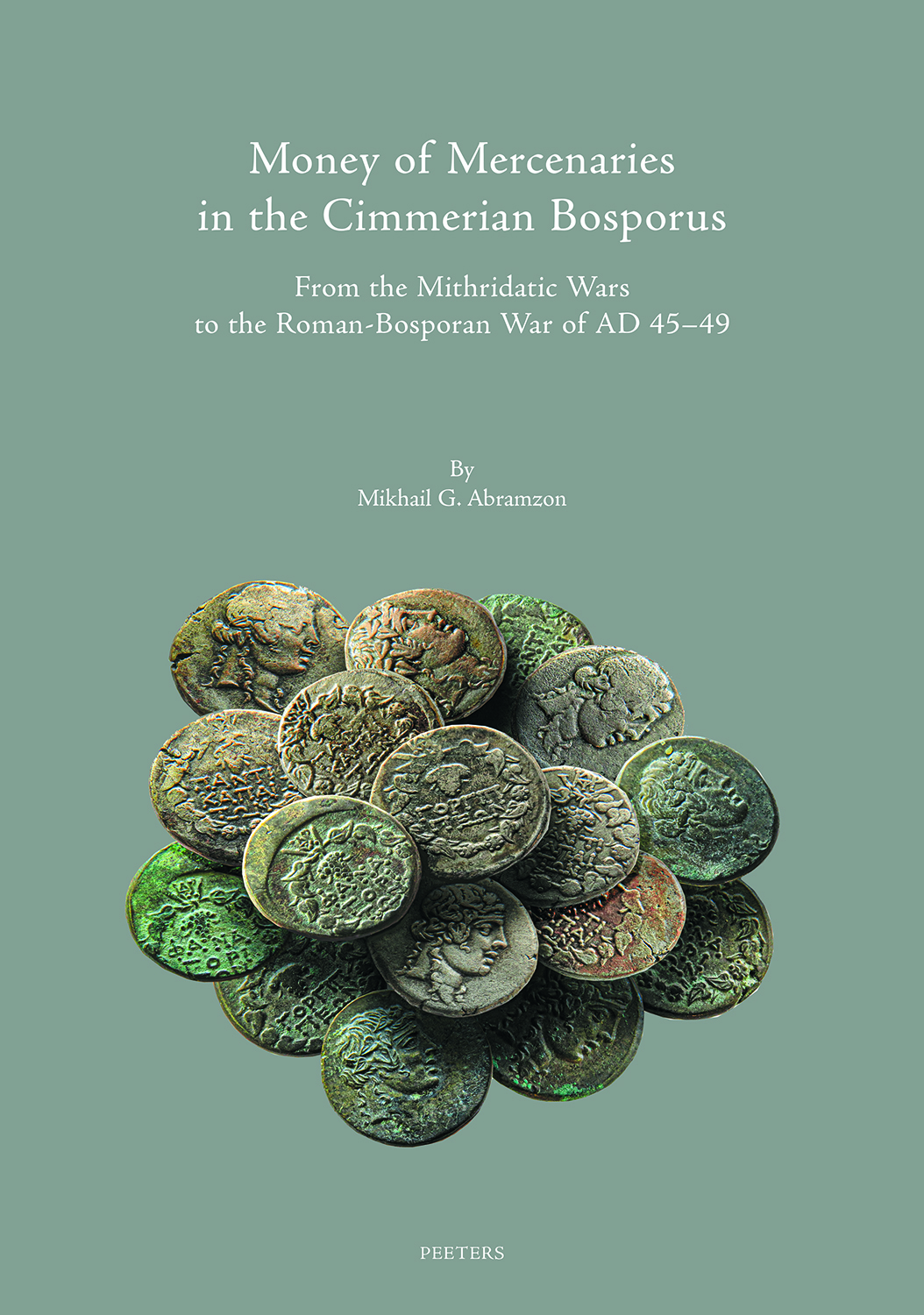 Money of Mercenaries in the Cimmerian Bosporus
From the Mithridatic Wars to the Roman-Bosporan War of AD 45-49
Volume 45

 New Research on Old Collections in Southwest Asian Archaeology
Proceedings of the Workshop Held at the British Museum, London, 31 July – 2 August, 2023
 Old Aramaic Inscriptions and their Contexts
An Epigraphic, Archaeological, and Historical Synthesis
Volume 63

 Politics, Peoples, and Polities in the Ancient Near East
Proceedings of the 69th Rencontre Assyriologique Internationale, Helsinki
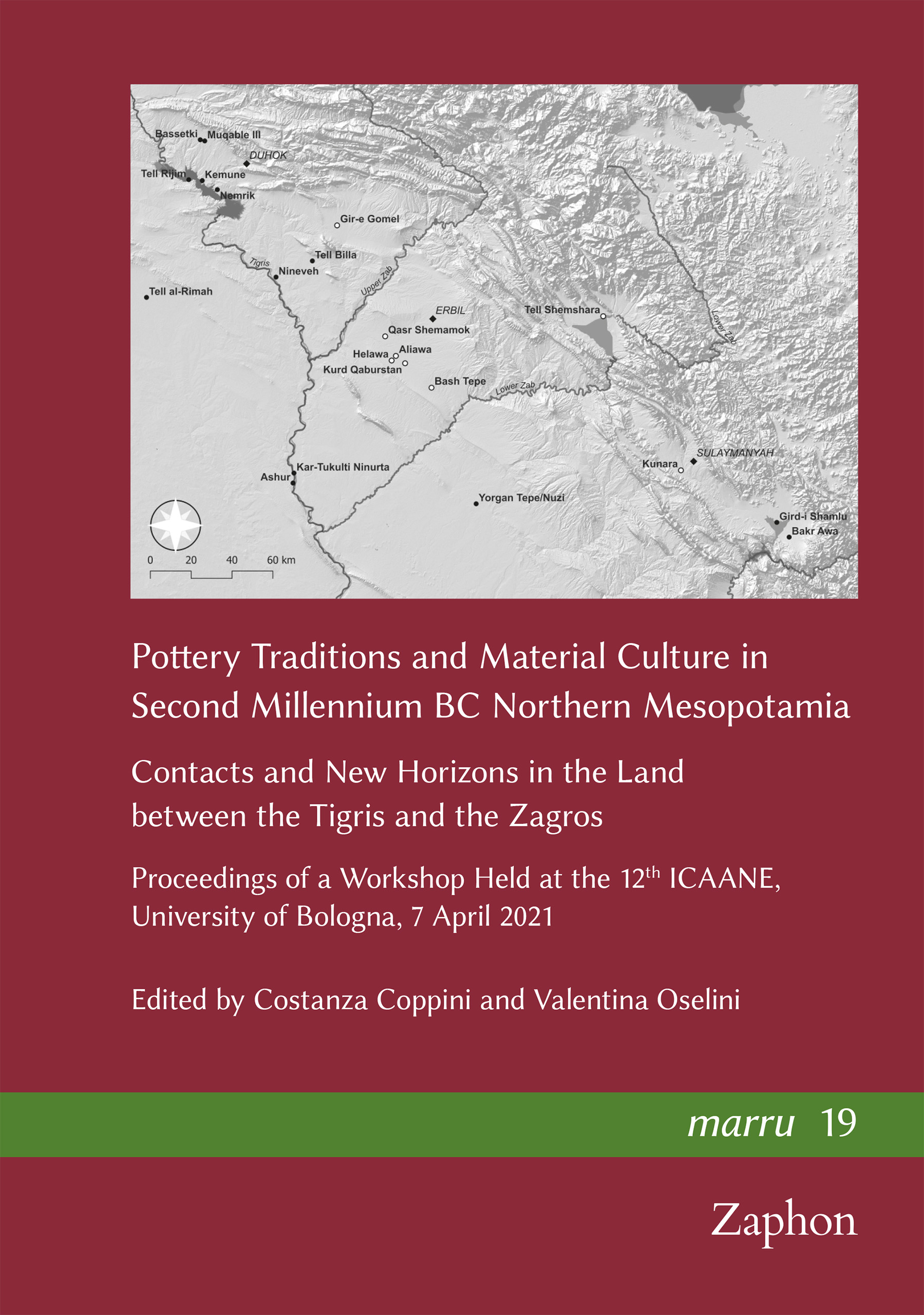 Pottery Traditions and Material Culture in Second Millennium BC Northern Mesopotamia
Contacts and New Horizons in the Land between the Tigris and the Zagros. Proceedings of a Workshop Held at the 12th ICAANE, University of Bologna, 7 April 2021
Volume 19
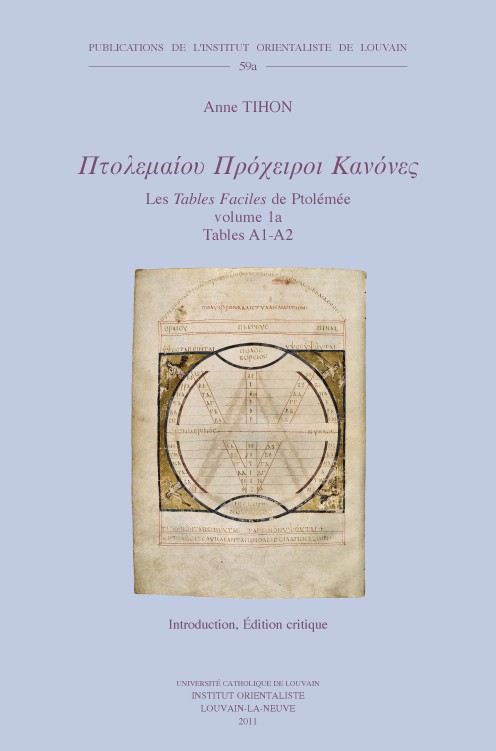
 Punning in Odd or Elegant Constructions in Jeremiah
The Convergence of Linguistics, Rhetoric, and Textuality in the Hebrew Text of Jeremiah

 Sertorius, the Exiles of the Sullan Regime and the Provinces of the Empire
Legitimacy, Morality and Imperial Discourse in the 70s BCE
 Shame in the Worlds of the Hebrew Bible and Akkadian Texts
A Linguistic Study and Its Implications
Volume 33

 Telling Contexts
Archaeological and Textual Studies in Honor of Elizabeth Bloch-Smith and Mark S. Smith
 The Body
Lived, Cultured, Adorned: Essays on Dress and the Body in the Bible and Ancient Near East in Honor of Nili S. Fox
 The Discourse of Rites
Shaping and Reshaping the (Counter-)Priestly Rituals Conducted Outside the Tabernacle
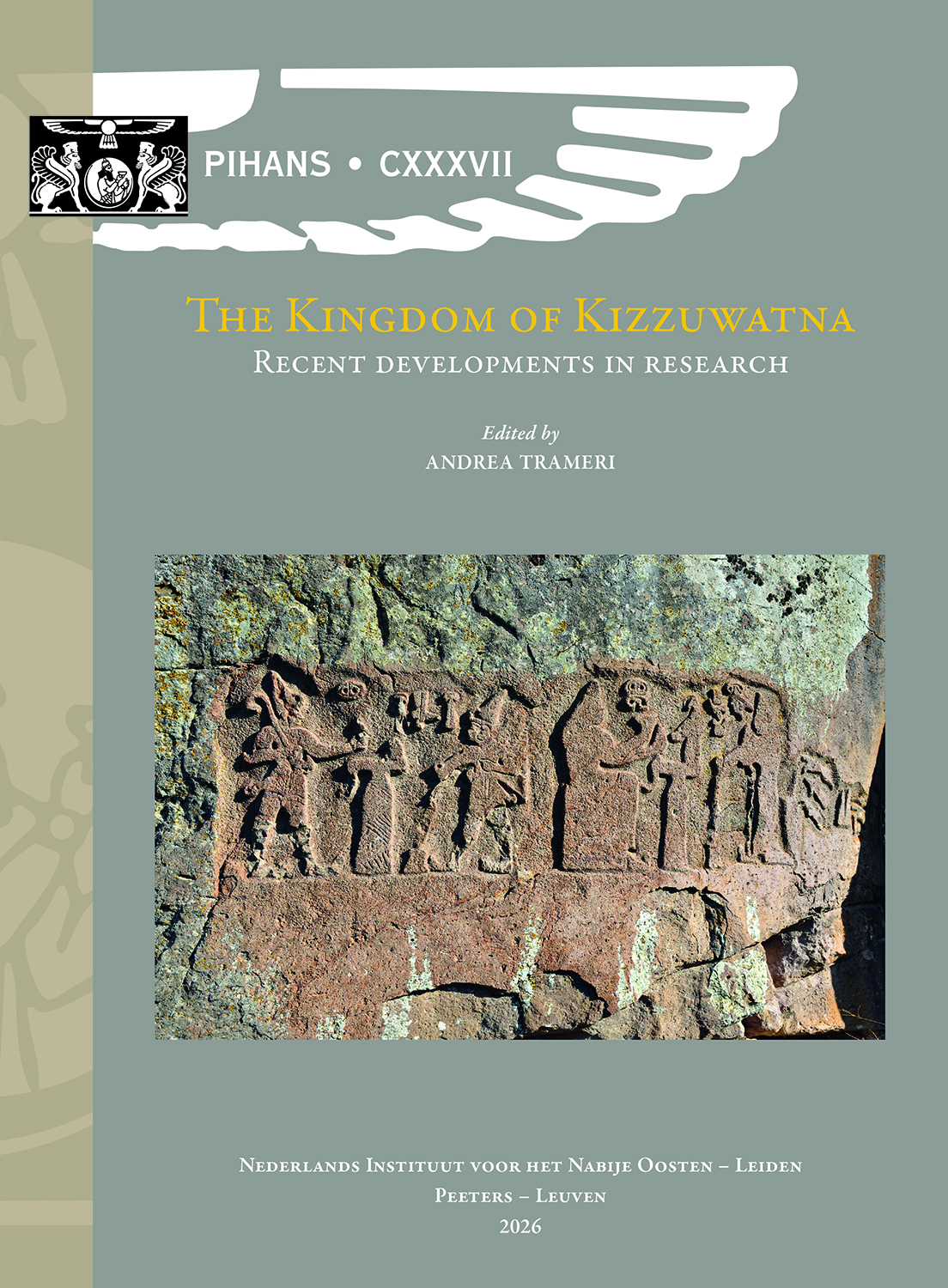 The Kingdom of Kizzuwatna: Recent Developments in Research
Proceedings of the Third NINO Postdoctoral Research Fellow Annual Conference, Leiden, 23rd-25th March 2023
Volume 137