
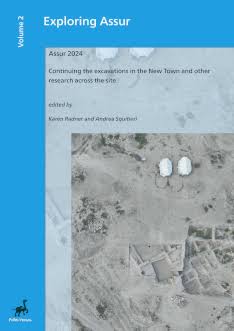
Assur 2023
Excavations and other research in the New Town
edited by Karen Radner and Andrea Squitieri

Hardback (Published)
(October 2024)
ISBN: 9783935012669
8.23 x 11.77 inches
Price: $74.00
In stock
This first volume of the new series “Exploring Assur” presents the results of the fieldwork conducted at Assur, modern Qal’at Sherqat, in 2023, with a focus on the New Town in the south of the settlement, and contains contributions by Mark Altaweel, Silvia Amicone, Katleen Deckers, Jorg Fassbinder, Holger Gzella, Sandra Hahn, Jean-Jacques Herr, Veronica Hinterhuber, F. Janoscha Kreppner, Inci Nurgul Ozdogru, Karen Radner, Jana Richter, Jens Rohde, Lena Ruider, Claudia Sarkady, Michaela Schauer, Annette Paetz gen. Schieck, Andrea Squitieri, Andreas Stele, and Marco Wolf. At Assur, the team is based in the excavation house first used by Walter Andrae from 1903-1914, and as this building is a protected monument within the UNESCO World Heritage site of Assur, a chapter is dedicated to its history. The early years come to life through the letters of Andrae and many photographs that he and his staff took of the building, reproduced courtesy of the Deutsche Orient-Gesellschaft zu Berlin. The fieldwork undertaken in 2023 included a program of magnetometer and electrical resistivity tomography prospecting and sediment coring in the New Town of Assur, whose results are presented together with a study of soil and sediment magnetism based on coring samples. The magnetogram of the New Town substantially deepens our knowledge of the settlement’s organisation in the first centuries AD when the city was part of the Parthian world. The excavations conducted in the southern part of the New Town, directly adjoining an area excavated by the Iraqi State Board of Antiquities and Heritage in 2002, brought to light a sizeable chamber tomb of 46 m2 from that period, with over a dozen skeletons. Moreover, the excavations yielded highly welcome new evidence for the Hellenistic occupation of Assur, namely Building A and two burials (Graves 3 and 4). The dead were placed underneath clay sarcophagi of an ovoid-elliptical shape. One bears an incised alphabetic inscription dated to the month Ab in the year 153 of the Seleucid era, that is July/August 158 BC. Brief as the text is, it provides precious insights into writing and dating practices at Assur after the end of local cuneiform writing and before the rise of the Eastern Mesopotamian scribal tradition that would eventually spread to Hatra and other areas. This burial also contained calcinated textile fragments of at least six different types of cloth. New data for the Assyrian occupation of Assur originates from some small-scale work undertaken on the edge of the Iraqi trench of 2002, from the partially excavated Building B and from Grave 5, which contained typical 7th century BC items including a bronze fibula and a glazed miniature vessel. A deep sounding dug down from this burial to the virgin soil yielded pottery types that are well known from sites in the Assyrian heartland and the Syrian Jazirah in the 13th century BC, including fragments of carinated bowls and beakers with elongated bodies and nipple bases, as well as a piece of charcoal with a radiocarbon dating range of 1506-1440 calBC (95.4% probability). This date corresponds well with the oldest mention of the construction of the wall and the gates of the New Town in the inscriptions of Puzur-Aur III, whose reign is conventionally dated to 1521-1498 BC. In total, the 2023 excavations produced 17 radiocarbon dating ranges, derived from the analysis of charcoal, seeds and human teeth; these are the very first 14C dates available from Assur. Another first for Assur is the palaeobotanical analysis of 133 charred wood fragments and 8,655 carbonised plant remains, which provides an entirely new dataset for reconstruction of the ancient environment. Chapters on the pottery, with first steps towards a fabric classification for Assur by means of portable X-ray fluorescence and petrographic analyses, the small finds and the epigraphic finds (cuneiform and alphabetic) round off the volume.
- Edited by Karen Radner
- Edited by Andrea Squitieri
Other Titles in this Series

Similar Books


 Connecting the Dots: Counting, Writing, and the Beginnings of Civilization
The Secret Lives of Clay Tokens: A Memoir

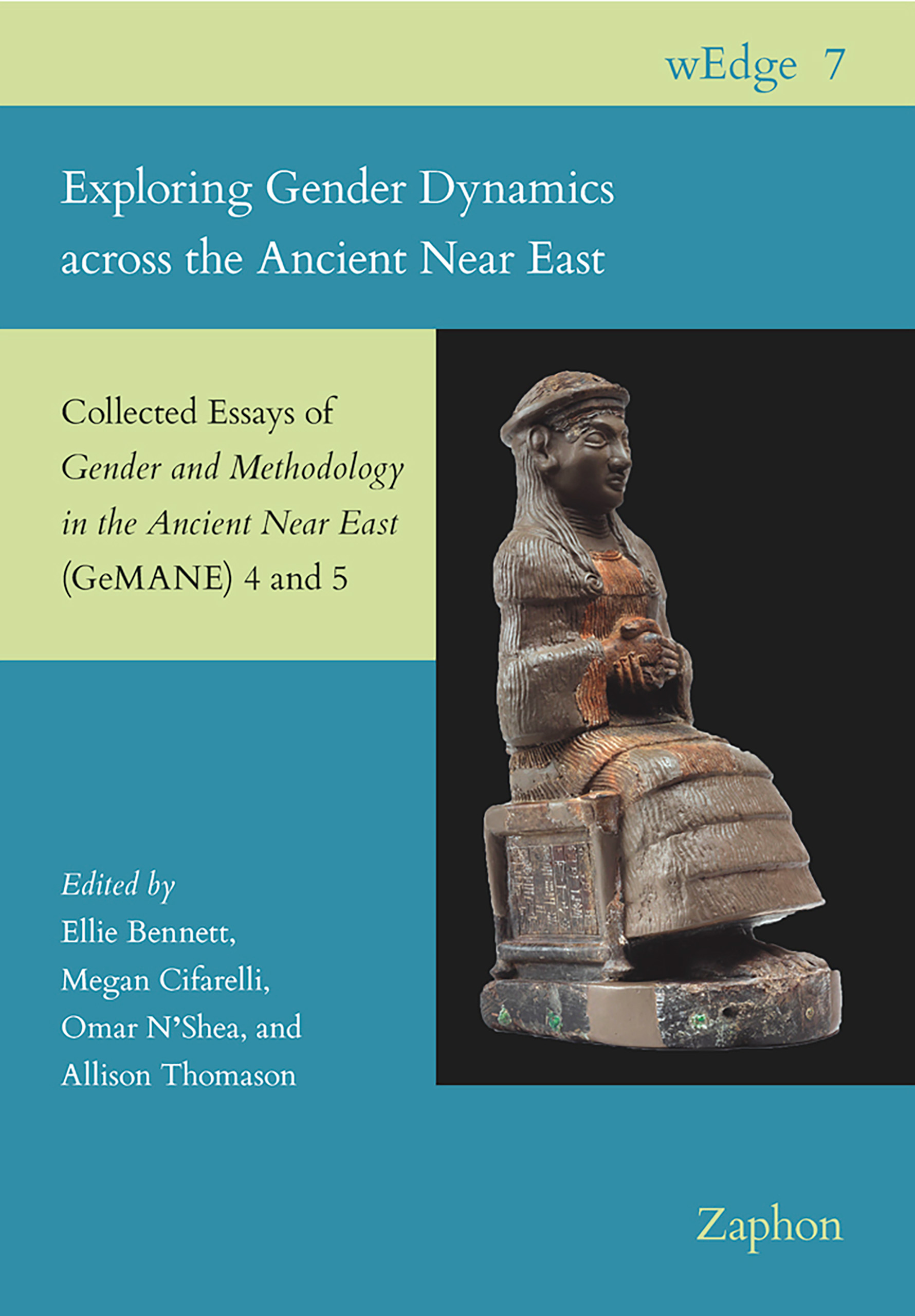 Exploring Gender Dynamics across the Ancient Near East
Collected Essays of Gender and Methodology in the Ancient Near East (GeMANE) 4 and 5
Volume 7


 Ḫattušaš utnē išḫameški
Hittite and Other Ancient Near Eastern Studies Presented to Piotr Taracha on the Occasion of His 65th Birthday

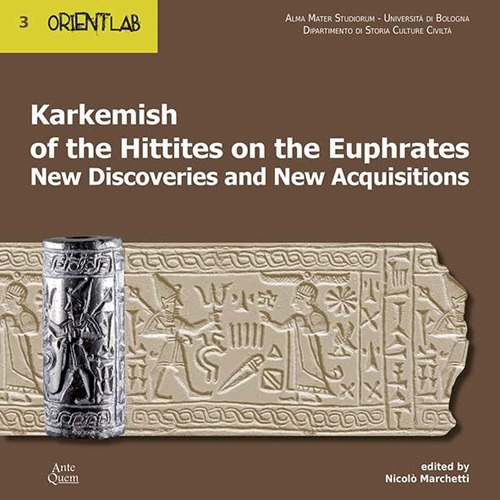
 New Research on Old Collections in Southwest Asian Archaeology
Proceedings of the Workshop Held at the British Museum, London, 31 July – 2 August, 2023
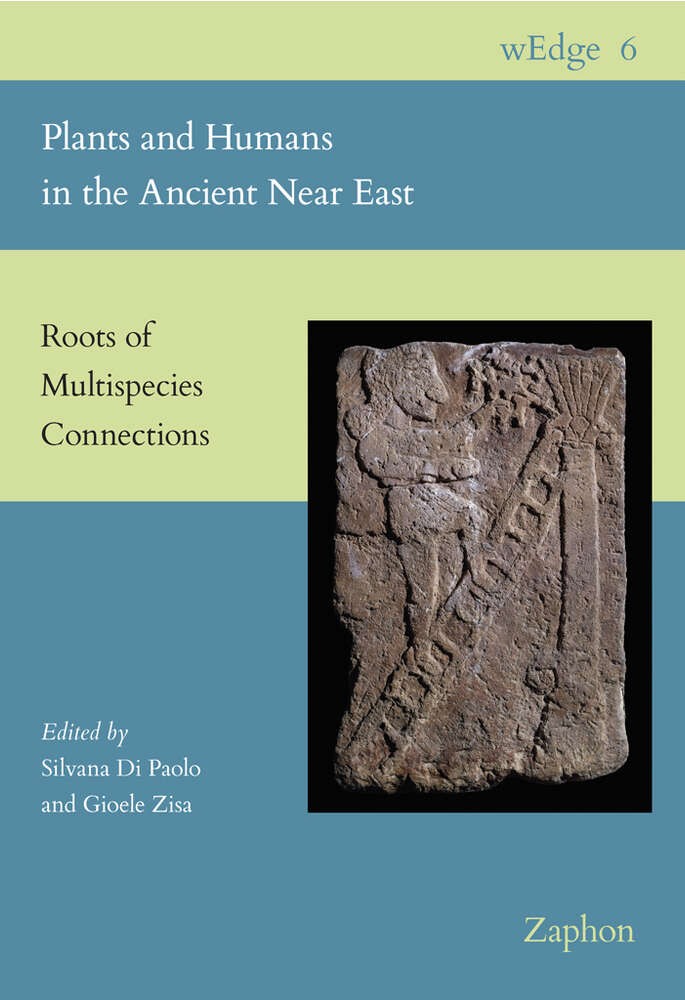
 Old Aramaic Inscriptions and their Contexts
An Epigraphic, Archaeological, and Historical Synthesis
Volume 63

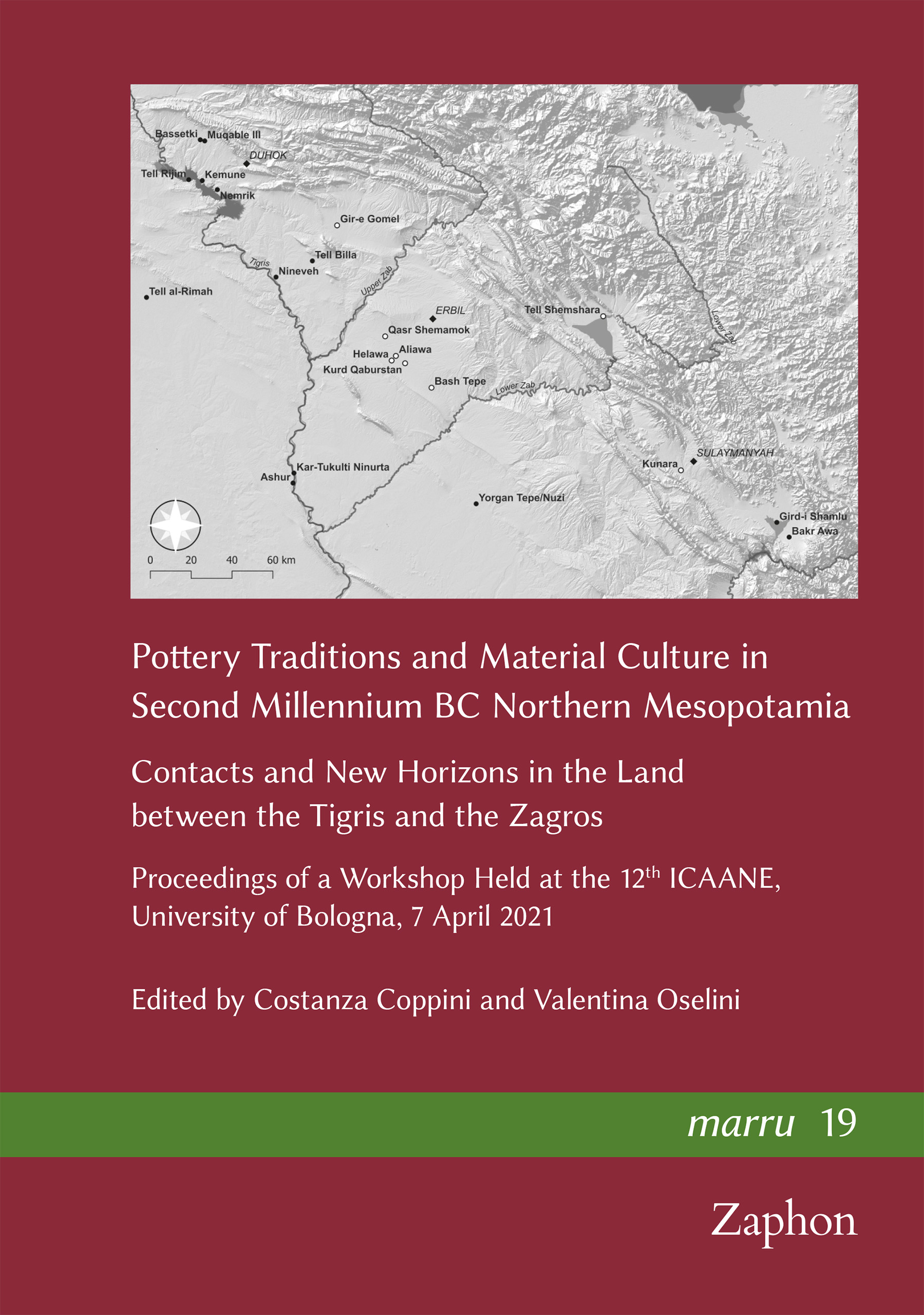 Pottery Traditions and Material Culture in Second Millennium BC Northern Mesopotamia
Contacts and New Horizons in the Land between the Tigris and the Zagros. Proceedings of a Workshop Held at the 12th ICAANE, University of Bologna, 7 April 2021
Volume 19
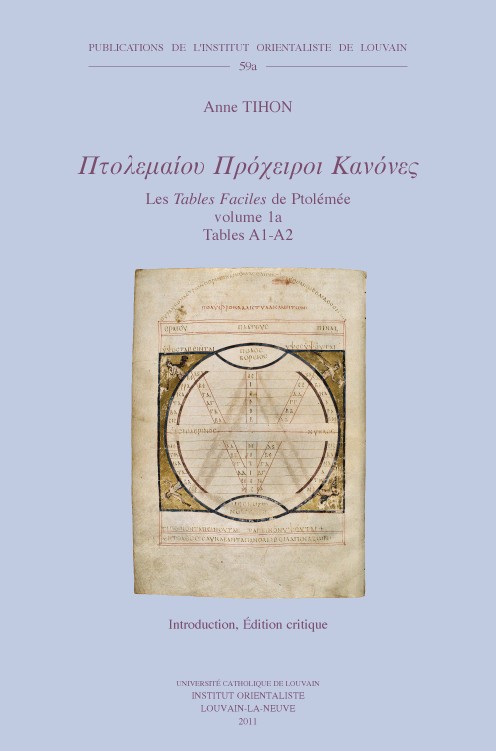
 Punning in Odd or Elegant Constructions in Jeremiah
The Convergence of Linguistics, Rhetoric, and Textuality in the Hebrew Text of Jeremiah
 Shame in the Worlds of the Hebrew Bible and Akkadian Texts
A Linguistic Study and Its Implications
Volume 33
 Telling Contexts
Archaeological and Textual Studies in Honor of Elizabeth Bloch-Smith and Mark S. Smith
 The Body
Lived, Cultured, Adorned: Essays on Dress and the Body in the Bible and Ancient Near East in Honor of Nili S. Fox
 The Discourse of Rites
Shaping and Reshaping the (Counter-)Priestly Rituals Conducted Outside the Tabernacle
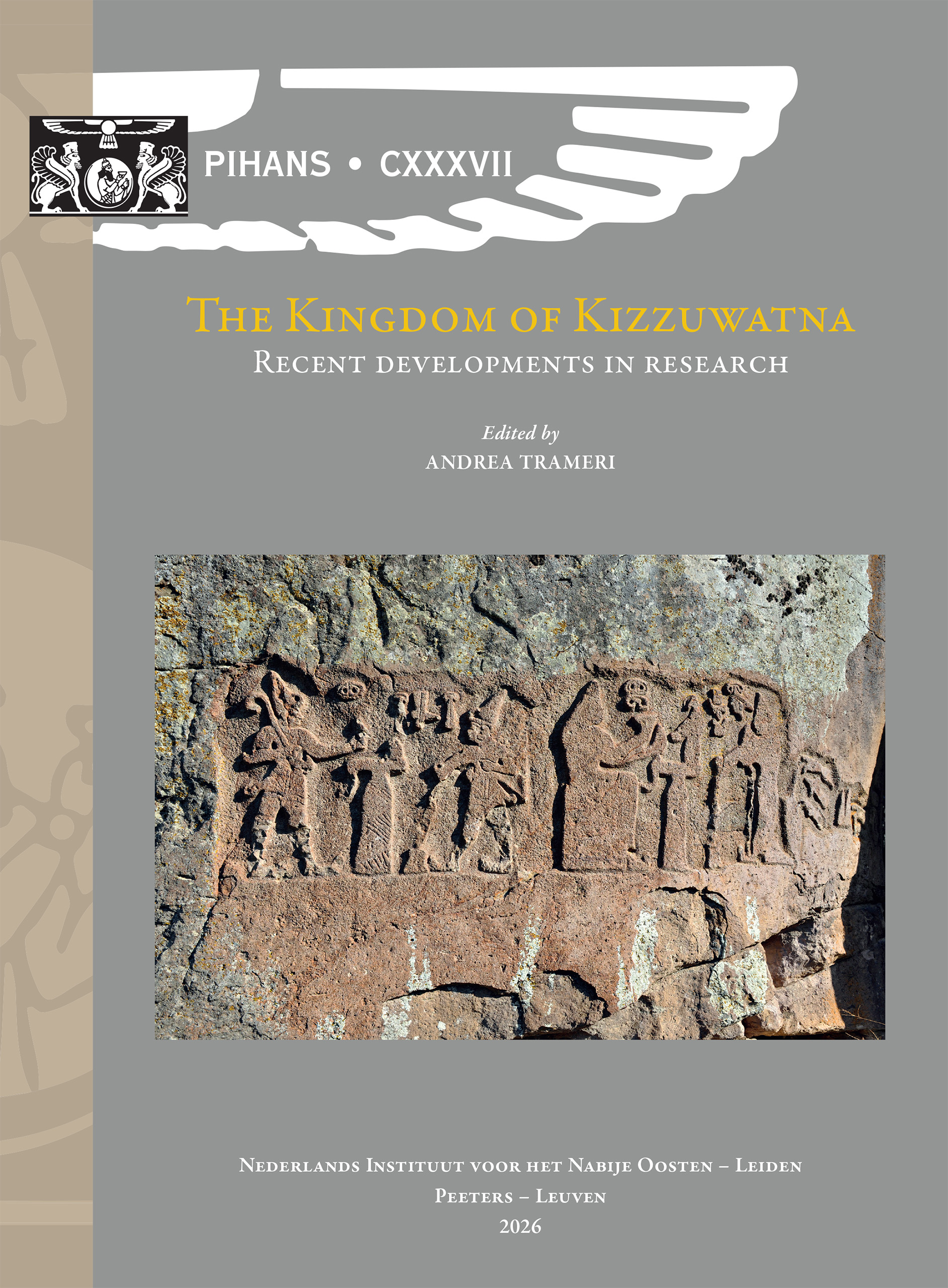 The Kingdom of Kizzuwatna: Recent Developments in Research
Proceedings of the Third NINO Postdoctoral Research Fellow Annual Conference, Leiden, 23rd-25th March 2023
Volume 137


 Die Entwicklung erdbebensicherer Bautechniken in der Frühen und Mittleren Eisenzeit in Ostanatolien
Volume 11
 Die JHWH-Religion und die Vorstellung göttlicher Gesetzgebung
Überschneidungen zwischen der Rechtsentwicklung und der Sphäre der Religion in der Geschichte des antiken Israel und Juda

 Kultur – Kontakt – Kultur
Beiträge anlässlich der 66. Rencontre Assyriologique Internationale in Frankfurt/Main und Mainz, 25.–29. Juli 2022
Volume 35
 Menschenwürde und Menschenrechte im Altem Orient, Israel und Hellas. Band 1
Human Dignity and Human Rights in the Ancient Near East, Ancient Israel, and Hellas. Volume 1
Volume 311
 Ptolemaiou Procheiroi Kanones. Les «Tables Faciles» de Ptolemée. Volume 2a: Tables A3-A13
Édition critique, Transcription
 Sprachwissenschaftliche und kulturhistorische Reflexionen
Festschrift zu Ehren von Jörg Klinger
Volume 31

 Vom Mädchen zur Frau
Weihgaben als Indikatoren rituellen und kommunikativen Handelns von Frauen in griechischen Kulten
Volume 188
 Von der Symmachie zur Arché und zurück
Die Entwicklungsphasen des Ersten Attischen Seebundes (478/7–404 v. Chr.)
