
Arabic in Chains
Structural Problems and Artificial Barriers
by Robert Marzari

What distinguishes Marzari’s work is his ability to explain complicated matters in clear and even entertaining language. Linguists often cut a poor figure here, given their propensity to gallop non-stop through the brushwood of grammar. Not so Marzari. He illustrates the potentials and limits of a language that over 300 million Muslims in the Middle East call their mother tongue, aside from the many others elsewhere in Africa as well as in Asia, who recite Arabic as the language of the Qur’an.
What distinguishes Marzari’s work is his ability to explain complicated matters in clear and even entertaining language. Linguists often cut a poor figure here, given their propensity to gallop non-stop through the brushwood of grammar. Not so Marzari. He illustrates the potentials and limits of a language that over 300 million Muslims in the Middle East call their mother tongue, aside from the many others elsewhere in Africa as well as in Asia, who recite Arabic as the language of the Qur’an.
- By (author) Robert Marzari
Similar Books


 Cities through Time
Glimpses into Urbanity and Community in Mediaeval to Modern West Asia and Egypt
Volume 1
 Cuneiform Artefacts from Archaeological Contexts: New Research on Ancient Iraq
Proceedings of a Conference Held at the Bavarian Academy of Sciences and Humanities, July 4–5, 2024
Volume 2
 Des mots aux actes
Traduction épistémique et littéraire. Nouvelles tendances en histoire et didactique
Volume 15


 Global Gulf
Geo-Economic, Geo-Political, and Geo-Technological Transformation in Saudi Arabia, the United Arab Emirates, and Qatar


 Ismail Hakki Bursevi’s translation of and commentary on Fusus al-Hikam By Muhyiddin Ibn ‘Arabi
Volumes 1-4


 Monastic Manuscripts from the Eastern Mediterranean (Sinai, Jerusalem, Antioch)
Production, Use, and Contexts


 Punning in Odd or Elegant Constructions in Jeremiah
The Convergence of Linguistics, Rhetoric, and Textuality in the Hebrew Text of Jeremiah
 Qatar’s Societal Security
Towards the Inclusive National Concept of ‘Baladna’ Identity, Migration and External Threats Since 2017


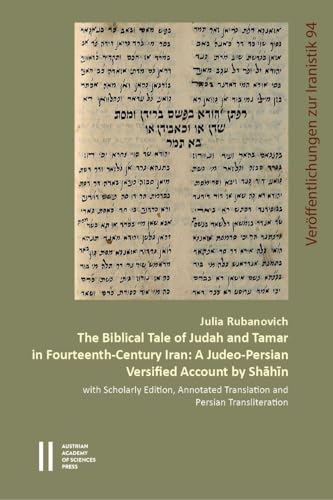 The Biblical Tale of Judah and Tamar in Fourteenth-Century Iran
A Judeo-Persian Versified Account by Shāhīn with Scholarly Edition, Annotated Translation and Persian Transliteration
Volume 94, 951
 The Discourse of Rites
Shaping and Reshaping the (Counter-)Priestly Rituals Conducted Outside the Tabernacle



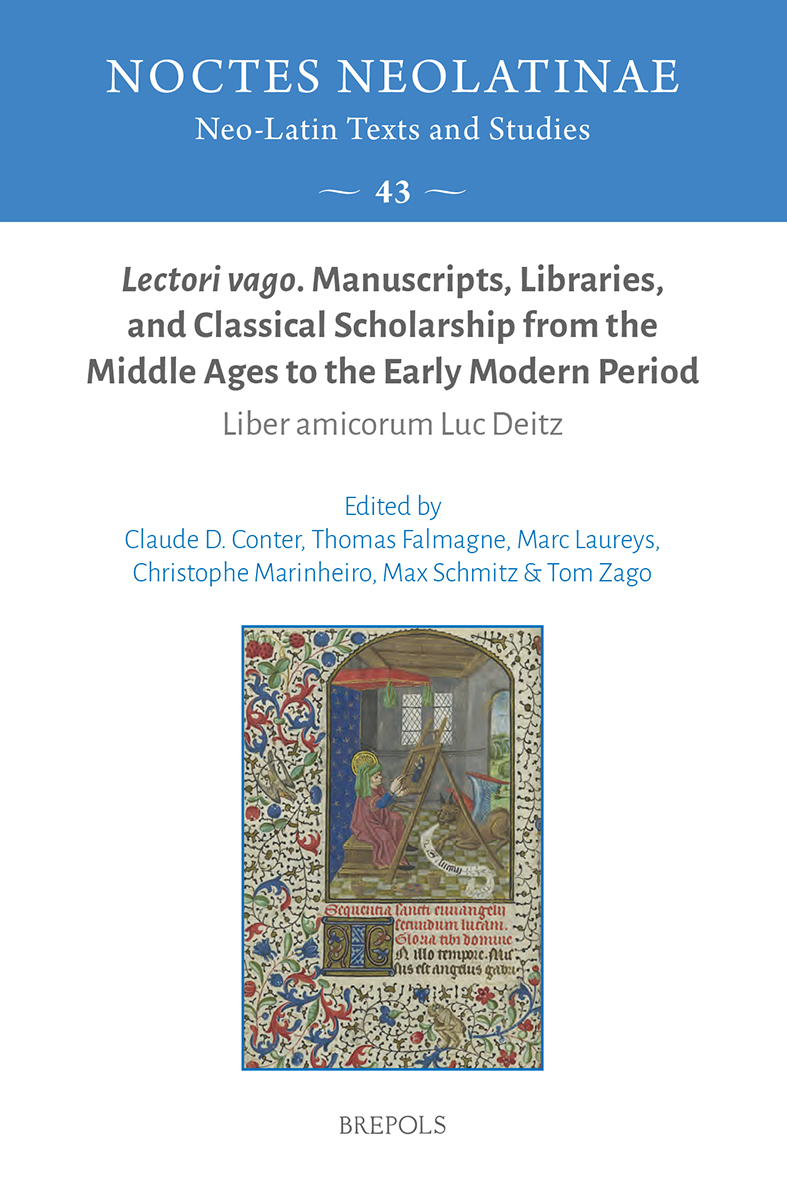 Lectori vago. Manuscripts, Libraries, and Classical Scholarship from the Middle Ages to the Early Modern Period
Liber amicorum Luc Deitz
Volume 43


 »Ein elend-schönes Land«
Gattung und Gedächtnis in Lea Goldbergs hebräischer Literatur. Aus dem Hebräischen von Rainer Wenzel

