
Alexander the Great and the East
History, Art, Tradition
edited by Krzysztof Nawotka and Agnieszka Wojciechowska

Even if Alexander’s rule in Asia has to be approached primarily through the study of Greek and Latin authors, many papers in this volume try to look beyond Arrian, Plutarch, Curtius, and Diodorus to Greek inscriptions, papyri, Egyptian, Babylonian, medieval Syriac and Arabic evidence. One focus is on Egypt, from the XXX dynasty to the Ptolemaic age. A lasting achievement of the early Macedonian age in Egypt is the lighthouse of Pharos, probably devised under Alexander to serve both as a watchtower of Alexandria and the focal point of the fire telegraph. Another focus of the volume is on Babylonia, with caveats against the over-enthusiastic usage of cuneiform sources for Alexander. This focus then moves further east, showing how much caution is necessary in studying the topography of Alexander’s campaigns in Baktria, the land often misrepresented by ancient and medieval authors. It also deals with representation and literary topoi, having in mind that Alexander was as much a historical as a literary figure. In many respects ancient Alexander historians handled his persona in strong connection with Herodotean topics, while the idealized portrait of Alexander translated, through court poetry, into the language of power of Ptolemy of Egypt. Alexander was adopted to cultural traditions of the East, both through the medium of the Alexander Romance and through his fictitious correspondence with Aristotle, sometimes becoming a figure of a (Muslim) mystic or a chosen (Jewish) king.
Even if Alexander’s rule in Asia has to be approached primarily through the study of Greek and Latin authors, many papers in this volume try to look beyond Arrian, Plutarch, Curtius, and Diodorus to Greek inscriptions, papyri, Egyptian, Babylonian, medieval Syriac and Arabic evidence. One focus is on Egypt, from the XXX dynasty to the Ptolemaic age. A lasting achievement of the early Macedonian age in Egypt is the lighthouse of Pharos, probably devised under Alexander to serve both as a watchtower of Alexandria and the focal point of the fire telegraph. Another focus of the volume is on Babylonia, with caveats against the over-enthusiastic usage of cuneiform sources for Alexander. This focus then moves further east, showing how much caution is necessary in studying the topography of Alexander’s campaigns in Baktria, the land often misrepresented by ancient and medieval authors. It also deals with representation and literary topoi, having in mind that Alexander was as much a historical as a literary figure. In many respects ancient Alexander historians handled his persona in strong connection with Herodotean topics, while the idealized portrait of Alexander translated, through court poetry, into the language of power of Ptolemy of Egypt. Alexander was adopted to cultural traditions of the East, both through the medium of the Alexander Romance and through his fictitious correspondence with Aristotle, sometimes becoming a figure of a (Muslim) mystic or a chosen (Jewish) king.
- Edited by Krzysztof Nawotka
- Edited by Agnieszka Wojciechowska
Other Titles in this Series


 Rostovtzeffs Briefwechsel mit deutschsprachigen Altertumswissenschaftlern
Einleitung, Edition und Kommentar
Volume 6
 Grossmacht gegen lokale Machthaber
Die Herrschaftspraxis der Seleukiden an den Randern ihres Reiches
Volume 164
 Studien zur ionischen Architektur auf der Peloponnes
Von den Anfangen in archaischer Zeit bis zum Ende der hellenistischen Epoche


 Vectigalia nervos esse rei publicae
Die indirekten Steuern in der Romischen Kaiserzeit von Augustus bis Diokletian
Volume 26

 Antike Wirtschaft und ihre kulturelle Pragung / The Cultural Shaping of the Ancient Economy
Volume 98


 Josef Wiesehofer. Iran – Zentralasien – Mittelmeer
Gesammelte Schriften Teil I: Studien zur Geschichte der Achaimeniden
Volume 159


 Strafe und Strafrecht in den antiken Welten
Unter Berucksichtigung von Todesstrafe, Hinrichtung und peinlicher Befragung
Volume 51
 Hathorsaulen und Hathorpfeiler
Altagyptische Architekturelemente vom Neuen Reich bis zur Spatantike
Volume 8


 Rechtssemantik und forensische Rhetorik
Untersuchungen zu Wortschatz, Stil und Grammatik der Sprache koptischer Rechtsurkunden
Volume 20
 Gottesdiener und Kamelzuchter
Das Alltags- und Sozialleben der Sobek-Priester im kaiserzeitlichen Fayum
Volume 144
 Ships of the Desert and Ships of the Sea
Palmyra in the World Trade of the First Three Centuries CE
Volume 101
 Geschichte und Gegenwart
Beitrage zu Cornelius Nepos aus Fachwissenschaft, Fachdidaktik und Unterrichtspraxis. Mit einem Forschungsbericht und einer Arbeitsbibliographie
Volume 91

Similar Books





 Boğazköy Tablets in the Museum of Anatolian Civilizations (Bo 9032–Bo 9097)
Anadolu Medeniyetleri Müzesinde Bulunan Boğazköy Tabletleri (Bo 9032–Bo 9097)
Volume 4

 Connecting the Dots: Counting, Writing, and the Beginnings of Civilization
The Secret Lives of Clay Tokens: A Memoir
 Contesting Labeled Identities
The Sociology of Gentilics in Biblical and Northwest Semitic Literature

 Curating the Prehistoric Past
Studies on West Asian Archaeology and Beyond in Honour of Yoshihiro Nishiaki
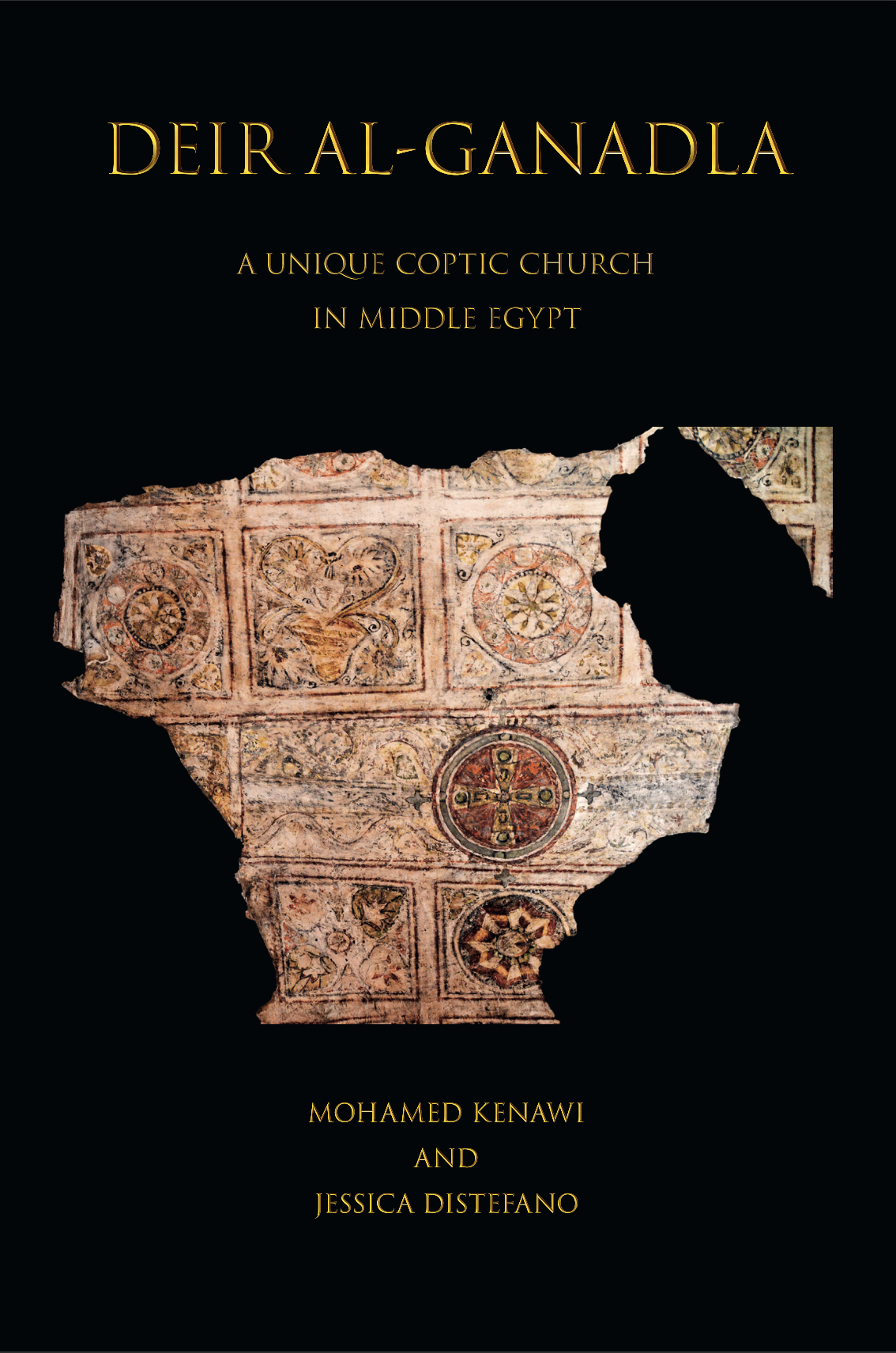
 Drunk the Potion, No Whit Charmed
The Doctrine of Pure and Perfect Souls from Iamblichus to Damascius


 Epigraphic “Shades” from Hellenistic Thrace
Contextualizing Inscriptions in Greek from Thracian Tombs

 Epiphanies of the Divine in the Septuagint and the New Testament
Fifth International Symposium of the Corpus Judaeo-Hellenisticum Novi Testamenti (CJHNT), 14-17 May 2015, Nottingham


 Exploring Gender Dynamics across the Ancient Near East
Collected Essays of Gender and Methodology in the Ancient Near East (GeMANE) 4 and 5
Volume 7


 Gold, Silver and Glass: Power Networks, Cultural Identities, Technology Transfers and Agency across the Old World (7th Century BC – 1st Century AD)
Proceedings of a Conference Held at the British Museum, 16–18 June 2023
 Ḫattušaš utnē išḫameški
Hittite and Other Ancient Near Eastern Studies Presented to Piotr Taracha on the Occasion of His 65th Birthday






 Kultur – Kontakt – Kultur
Beiträge anlässlich der 66. Rencontre Assyriologique Internationale in Frankfurt/Main und Mainz, 25.–29. Juli 2022
Volume 35